
How to Master Metal Shaping Techniques for Home Projects
Most weekend DIY ideas feel too complex or need expensive tools. You want to create something cool without spending hours learning or breaking the bank. This guide breaks down DIY metal projects into simple steps using beginner metalworking and metal shaping techniques anyone can try at home. Check out these metal shaping basics to get started.
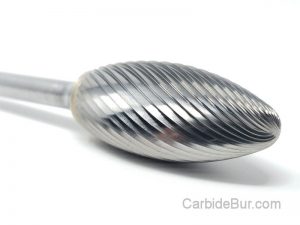
Looking for Carbide Bur Tools?
Check out our entire selection of USA made carbide bur die grinder tool bits
Introduction to Metal Shaping
Metal shaping is an art, and starting with the right tools is key to success. As you delve into this craft, you’ll find that the right equipment and techniques can make even the most complex projects feel achievable.
Understanding Basic Metalworking Tools
The first step in any metal project is understanding your tools. For beginners, essential tools include a hammer, a set of files, and a hack saw. These are your foundational items. Hammers help form shapes, while files smooth out the edges. A saw is useful when you need to cut metal pieces to size. As you grow in skill, you might add more tools like a drill or a grinder. Check out this video tutorial for a visual guide on using these tools effectively.
Safety Tips for Beginners
Safety should always be a priority when working with metal. Always wear gloves to protect your hands from sharp edges. Safety glasses are essential to shield your eyes from flying debris. It’s wise to have a fire extinguisher nearby when cutting or welding. By prioritizing safety, you ensure that your DIY metal projects are both fun and risk-free.
Setting Up Your Workspace
Creating an efficient workspace is crucial for successful metalworking. Choose a well-lit area where you can set up a sturdy workbench. Keep your tools within arm’s reach to streamline your process. Organize your materials to avoid clutter, which can cause accidents. A well-organized space fosters creativity and efficiency in your projects.
Essential Metal Shaping Techniques
Once the basic setup is complete, it’s time to dive into core techniques that bring your metal projects to life. Understanding these methods will help you shape and mold metal with confidence.
Cutting Metal for Beginners
Cutting metal is a foundational skill. Start with a hacksaw for simple cuts. Its manual operation gives you control and precision. For cleaner cuts, a metal cutting saw is ideal. Remember, patience is key: rushing can lead to mistakes. When you feel confident, you can explore more advanced cutting tools. This guide offers additional insights into cutting techniques.
Bending and Forming Basics
Bending metal involves manipulating it into desired shapes. A vise is a handy tool for holding metal in place while you bend it. For more complex shapes, metal bending jigs can be useful. These allow you to create consistent curves. Practice makes perfect: start with simple angles before moving to more complex forms.
Joining Metal Pieces
Joining metal pieces involves either welding or using fasteners. Beginners often start with nuts and bolts for easy assembly. As you advance, welding becomes an option. It’s a skill that requires practice but offers stronger bonds. Properly joined pieces ensure your projects are sturdy and durable.
Beginner-Friendly Metal Projects
With foundational knowledge, you’re ready to tackle beginner projects. These are designed to practice your skills while creating useful items for your home.
Simple Metal Candle Holders
Crafting candle holders is a fantastic first project. Start with a flat piece of metal. Cut it to your desired shape, then bend the edges to form a base. Add a small cup or plate to hold the candle. This simple project enhances your space and hones your skills.
DIY Metal Plant Stand
A metal plant stand is another beginner project with functional appeal. Use metal rods for the legs and a flat piece for the top. Secure them with bolts for stability. This stand not only elevates your plants but also your crafting confidence.
Custom Metal Wall Art
Wall art allows your creativity to shine. Use thin sheets to cut out designs. Shapes like stars or abstract patterns work well. Once cut, polish the edges for a clean finish. This project offers a personal touch to any room.
Advanced Techniques for Enthusiasts
As your skills grow, exploring advanced techniques opens new possibilities. These methods bring complexity and refinement to your projects.
Creating Curves and Contours
Creating curves involves more than simple bends. Use a combination of tools like an English wheel or a planishing hammer. These tools help form smooth, consistent curves. Curved pieces add elegance and sophistication to your projects.
Mastering Metal Embellishments
Embellishments add flair to your metal creations. Techniques like engraving or using metal stamps personalize your projects. These details can transform a simple piece into a standout work of art.
Finishing Touches and Polishing
Finishing your project involves brushing or buffing the metal. This smooths out any imperfections and gives a polished look. A good finish elevates the quality and appearance of your work.
Weekend DIY Metal Project Ideas
With skills in place, try weekend projects that offer quick wins and impressive results. These ideas let you create beautiful pieces in just a few days.
Quick Home Decor Projects
Home decor projects can be quick yet impactful. Consider making simple bookends or picture frames. These projects are fast and add style to any room.
Functional Metal Furniture
Functional projects like tables or stools are rewarding. Start with a basic frame and add a metal top. These pieces are both practical and stylish, making them a great addition to any home.
Artistic Sculptural Pieces
Sculptural pieces let your creativity flourish. Use leftover metal scraps to create abstract art. These unique pieces can be conversation starters and display your artistic side.
Embrace the world of DIY metal projects and let your creativity soar. With each project, you’ll gain confidence and refine your skills, turning metal into masterful creations.
Looking for Carbide Bur Tools?
Check out our entire selection of USA made carbide bur die grinder tool bits
Follow us on Twitter

Return to CarbideBur.com
Carbide Burs – 1/4″ on 1/8″ Shanks – Accessories – Aluminum Cut – Bur Sets – End Mills – Long Shank – Solid Burs
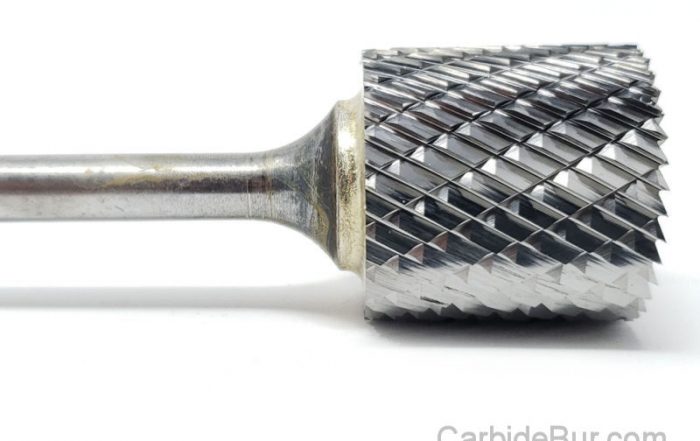
Can Carbide Burrs Cut Through Welds?
Can Carbide Burrs Cut Through Welds? Cutting through welds can feel like a battle, especially when you need clean results without harming the base metal. Carbide burrs offer a sharp edge in this fight, but [...]
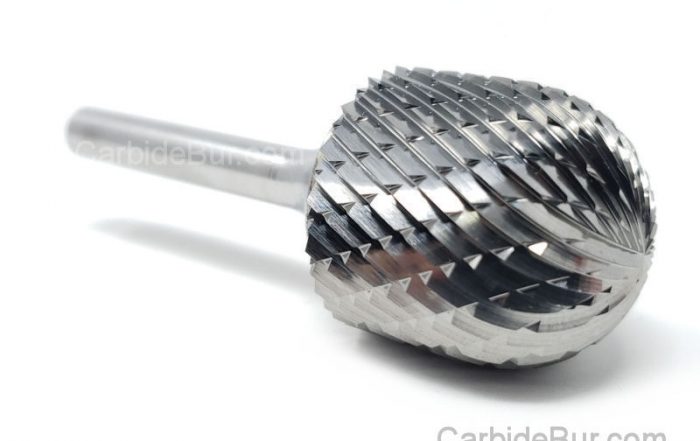
How to Use a Carbide Burr With a Die Grinder
How to Use a Carbide Burr With a Die Grinder Most people treat a carbide burr like just another tool, but using it with a die grinder takes skill. If you’ve struggled with burr installation [...]
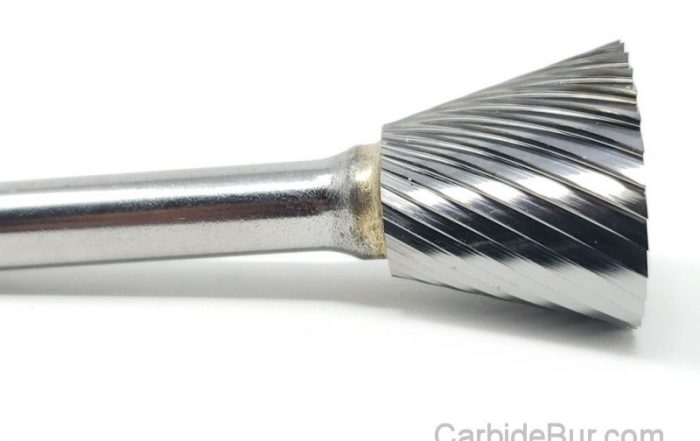
1/8 vs 1/4 Inch Carbide Burrs: What’s the Difference?
1/8 vs 1/4 Inch Carbide Burrs: What's the Difference? Choosing between a 1/8 inch carbide burr and a 1/4 inch carbide burr can change how your project turns out. Many machinists and hobbyists overlook how [...]
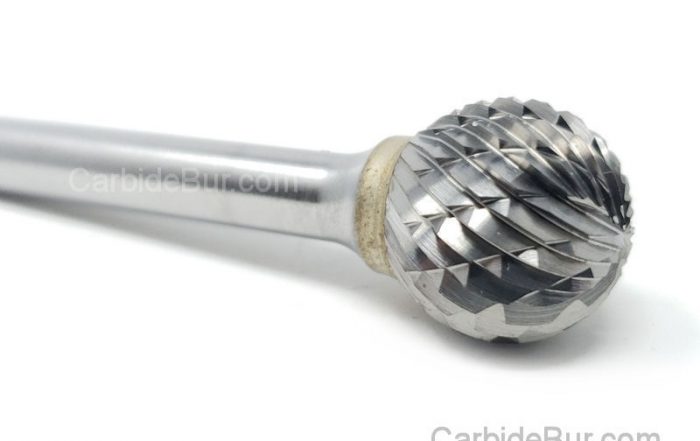
Best Carbide Burr for Removing Flash From Castings
Best Carbide Burr for Removing Flash From Castings Removing flash from castings is a task that can slow down your entire metalworking process if you don’t have the right tools. Picking the best carbide burr [...]
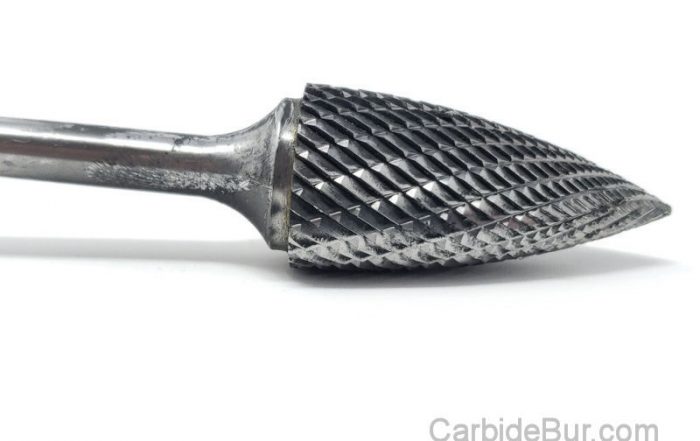
What RPM Should You Use for a 1/4 Inch Carbide Burr?
What RPM Should You Use for a 1/4 Inch Carbide Burr? Most machinists guess the right speed for a 1/4 inch carbide burr and hope for the best. Using the wrong carbide burr RPM can [...]
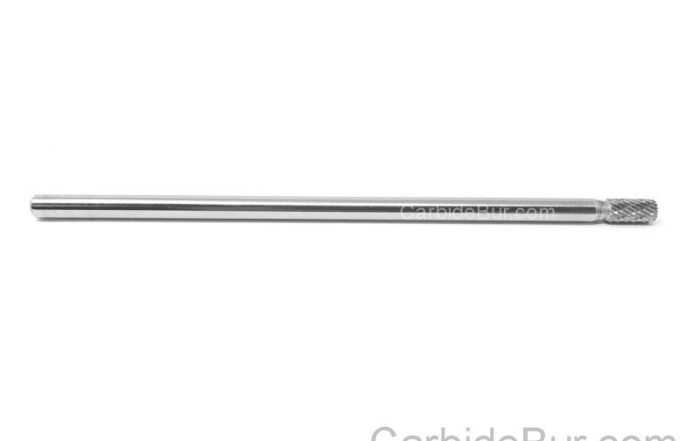
Long Shank Carbide Burrs: When Do You Need One?
Long Shank Carbide Burrs: When Do You Need One? Most machinists overlook the power of long shank carbide burrs until a project demands precision in tight spaces. When your usual tools can’t reach intricate contours, [...]
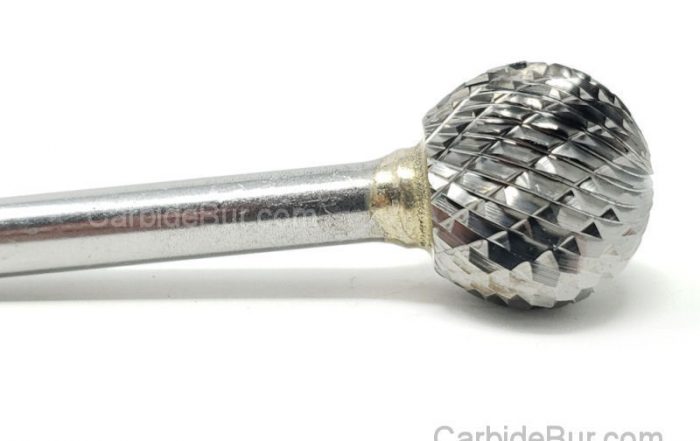
How Deep Can a Carbide Burr Cut Metal?
How Deep Can a Carbide Burr Cut Metal? Carbide burrs often get praised for their precision, but many users hit a wall wondering how deep they can actually cut metal. The truth is, cutting depth [...]
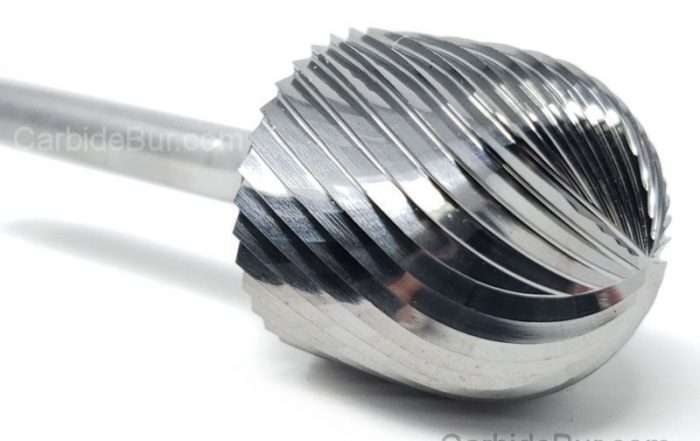
How to Use Carbide Burrs for Port Matching
How to Use Carbide Burrs for Port Matching Most engine builds hit a wall when airflow doesn’t flow smoothly between the ports and manifolds. If your engine isn’t breathing right, your performance stalls. Using the [...]
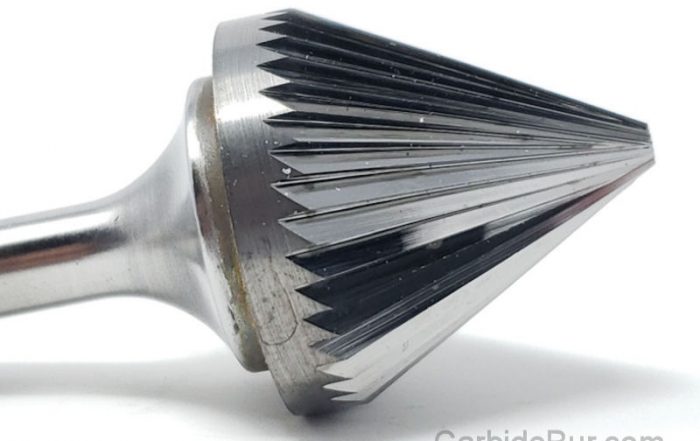
Best Carbide Burr for Porting Intake Manifolds
Best Carbide Burr for Porting Intake Manifolds Porting intake manifolds can make or break your engine’s airflow, yet many struggle with the right tools for the job. Choosing the best carbide burrs is key to [...]
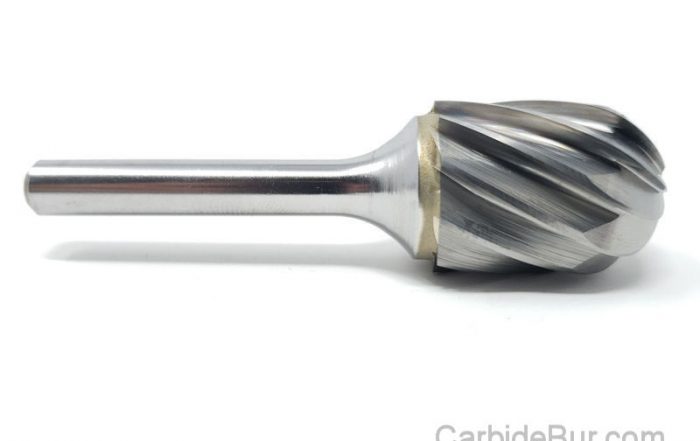
Best Carbide Burr for Concave Surfaces
Best Carbide Burr for Concave Surfaces Concave surfaces can turn a straightforward project into a frustrating challenge if you don’t have the right tool. Carbide burrs designed for these tricky curves make all the difference [...]
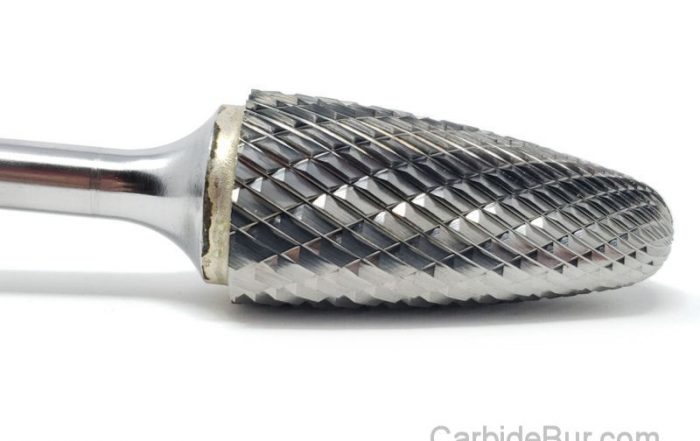
How to Grind a Slot in Metal With a Carbide Burr
How to Grind a Slot in Metal With a Carbide Burr Grinding a precise slot in metal can feel like a tricky task, especially if you’re unsure which tools to trust. Carbide burr grinding offers [...]

Best Carbide Burr for Inside Corners
Best Carbide Burr for Inside Corners Working in tight inside corners can turn even simple projects into frustrating tasks. Many carbide burrs just don’t fit or cut cleanly where you need them most. The best [...]
