
Streamline Your Workflow: How to Match Carbide Bur Shapes to Your Project Needs
Most machinists waste hours switching between tools that don’t fit the job. Picking the right carbide bur shape for your die grinder cuts that time in half. With smarter bur shape selection, you’ll boost machining precision and get smoother finishes faster. Let’s break down which carbide bur works best for every edge, corner, and contour in your project. For more on selecting the perfect carbide bur, check out this comprehensive guide.
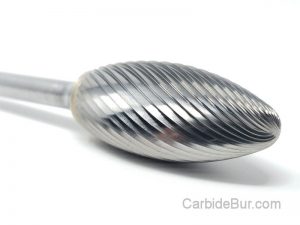
Looking for Carbide Bur Tools?
Check out our entire selection of USA made carbide bur die grinder tool bits
Understanding Carbide Bur Shapes
Selecting the right carbide bur shape is crucial for efficient machining. It can significantly impact the quality of your work and the time you spend on each task. Understanding these shapes will set you on the path to mastery.
Importance of Carbide Bur Shapes
Carbide bur shapes are not just about fitting into different slots. They dictate how well you can perform specific tasks. Each shape is designed to handle unique contours and surfaces, allowing for precision work. The right shape reduces effort, improves outcomes, and saves you time. As a machinist, you know that time is money. With the correct bur, you cut down on unnecessary tool changes and finetune your craftsmanship.
Different Types of Carbide Bur Shapes
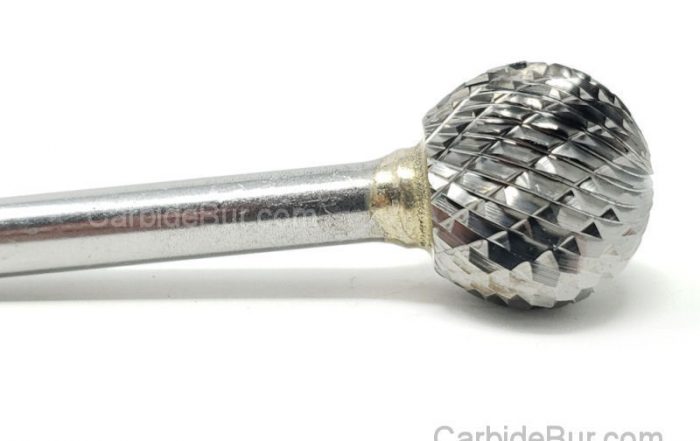
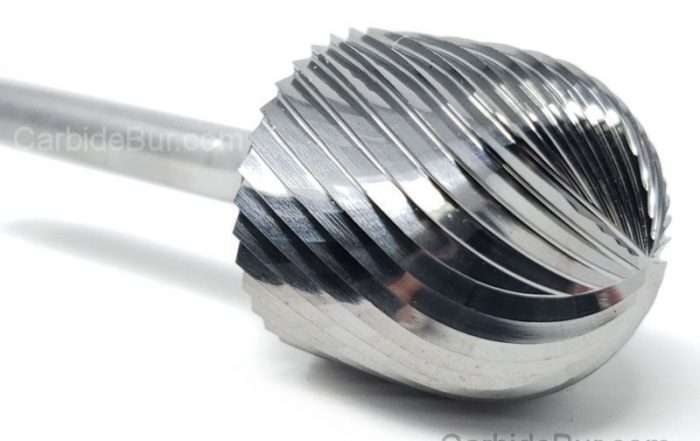
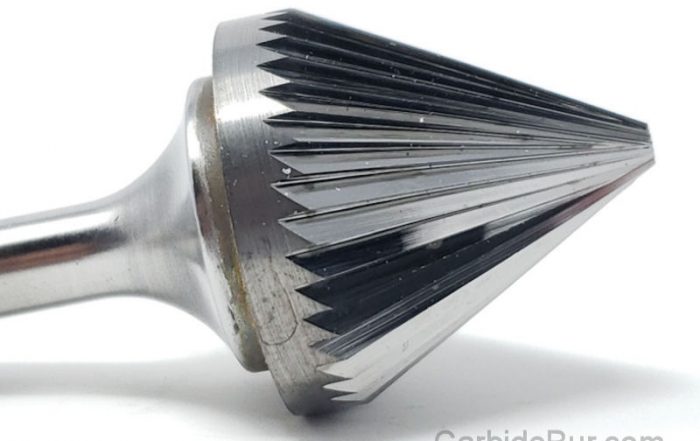
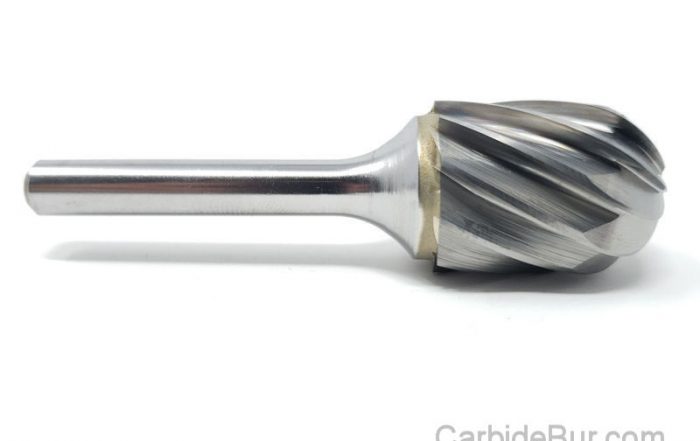
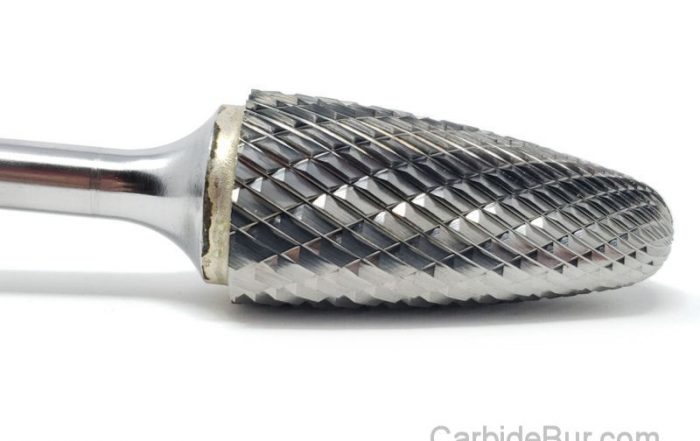
There are several common carbide bur shapes, each suited for different tasks. Cylindrical burs are best for flat surfaces. Ball-shaped burs excel in shaping corners. Tree-shaped burs are perfect for contours. Each shape is engineered to meet specific needs, helping you achieve the desired finish. Understanding these differences empowers you to choose wisely. When you select the best shape for the task, you ensure efficiency and precision in your work.
Choosing the Right Shape for Your Project
Picking the correct bur shape involves assessing your project’s specific requirements. Consider the materials you’re working with and the desired end result. If you’re unsure, start by examining similar past projects. Experience provides valuable insights into making the right choice. Remember, the right shape translates into better precision and smoother finishes, enhancing your overall workflow.
Matching Bur Shapes to Project Needs
Now that you understand the different shapes, let’s delve into how each one matches specific project requirements. This knowledge ensures you select the right tool every time, boosting your efficiency.
Cylindrical Bur for Flat Edges
Flat surfaces require a steady hand and the right tool. Cylindrical burs are ideal for this task. They allow you to grind and shape without gouging or uneven cutting. Using a cylindrical bur ensures a consistent finish, perfect for projects involving flat surfaces. Your work will look polished, and you’ll save time by minimizing adjustments.
Ball-Shaped Bur for Corners
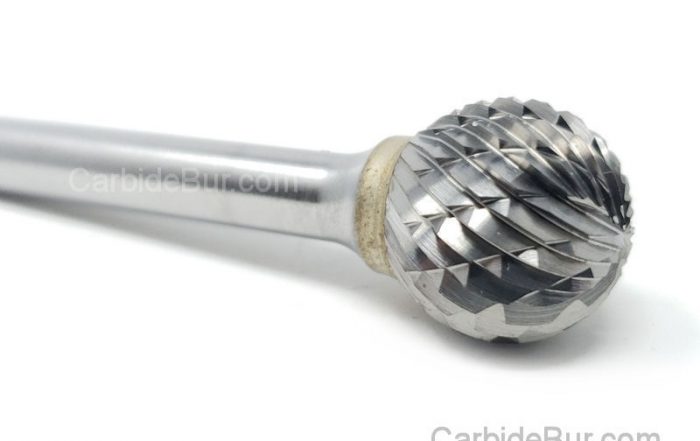
Corners present unique challenges. They require careful attention and the right tool to avoid damage. Ball-shaped burs are designed for this task. They allow you to navigate corners smoothly, providing a consistent finish without chipping. These burs help you maintain control, reducing the risk of mistakes. By choosing a ball-shaped bur, you enhance the quality of your work, ensuring neat and precise corners.
Tree-Shaped Bur for Contours
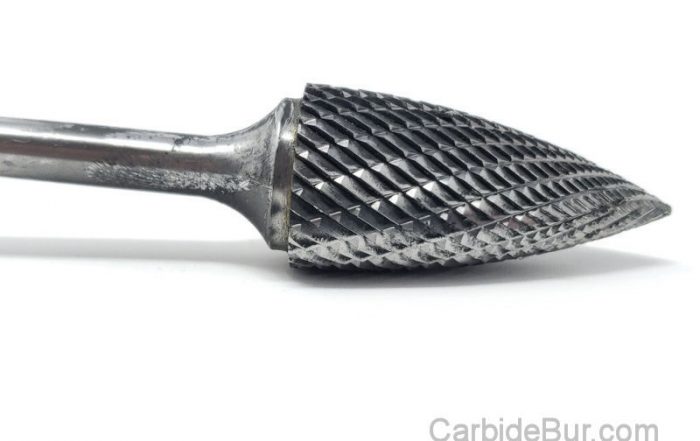
Contours require a tool that can adapt to curves and angles. Tree-shaped burs are perfect for this. They provide flexibility, allowing you to follow the natural line of your material. These burs are adept at handling intricate designs, ensuring a smooth finish every time. With a tree-shaped bur, you can tackle complex contours confidently, improving your overall craftsmanship.
Enhancing Machining Precision
With the right bur shape, you can increase your precision significantly. This section covers how to achieve those smooth finishes and accurate cuts that set your work apart.
Achieving Smoother Finishes
Smooth finishes are a mark of quality craftsmanship. To achieve them, you need the right bur shape and technique. Start with a steady hand and controlled movements. Allow the tool to do its work. Use gentle pressure and keep a consistent speed. The results will speak for themselves: smoother finishes and satisfied clients.
Improving Accuracy with Correct Bur Shape
Accuracy is crucial in machining. The right bur shape is your ally in achieving it. When you select the right tool, you reduce errors and improve the quality of your cuts. Your work becomes more precise, and you spend less time correcting mistakes. This attention to detail enhances your reputation as a skilled machinist.
Time-Saving Techniques with Die Grinders
Die grinders are powerful tools, but only if used correctly. To save time, select the right bur shape and apply the correct technique. Plan your cuts and work methodically. This approach reduces tool changes and streamlines your workflow. You’ll complete projects faster and with less stress, freeing you to take on more work.
Practical Die Grinder Tips
Your choice of bur shapes impacts your workflow significantly. The following tips will help you maintain efficiency while ensuring high-quality outcomes.
Proper Bur Shape Selection
Selecting the correct bur shape starts with understanding your project’s needs. Match the shape to the task, and don’t be afraid to experiment. By doing so, you enhance your ability to select the right tool for the job, leading to better results.
Maintaining Optimal Workflow
An optimal workflow is about more than just tools. It’s about consistency and planning. Keep your workspace organized and your tools within reach. This setup ensures you work efficiently, reducing downtime and increasing productivity.
Tips for Effective Carbide Bur Use
Using carbide burs effectively involves understanding their strengths. Apply the right pressure and maintain a steady speed. Regularly inspect your tools for wear and replace them as needed. These practices extend the life of your burs and improve your project’s overall quality.
Benefits of Correct Bur Shape Selection
Choosing the right bur shape brings numerous benefits. It enhances your craftsmanship, boosts efficiency, and elevates your skills.
Boosting Your Craftsmanship Quality
The right bur shape directly influences the quality of your work. It allows for precise cuts and smooth finishes, showcasing your skills. Clients notice these details, enhancing your reputation as a skilled machinist.
Increasing Project Efficiency
Efficiency is key in machining. By selecting the right tool, you streamline your process, reducing time spent on each task. This efficiency translates into more projects completed and increased profits.
Elevating Your Machining Skills
Each project is an opportunity to improve your skills. By choosing the right bur shape, you gain confidence and hone your abilities. This ongoing learning elevates your craftsmanship, setting you apart in the industry.
By understanding and selecting the right carbide bur shapes, you not only improve your work but also enhance your workflow. The benefits are clear: smoother finishes, increased accuracy, and greater efficiency. Embrace these insights, and watch your machining skills soar. For further reading, check out this in-depth article on burr bits.
Looking for Carbide Bur Tools?
Check out our entire selection of USA made carbide bur die grinder tool bits
Follow us on Twitter

Return to CarbideBur.com
Carbide Burs – 1/4″ on 1/8″ Shanks – Accessories – Aluminum Cut – Bur Sets – End Mills – Long Shank – Solid Burs
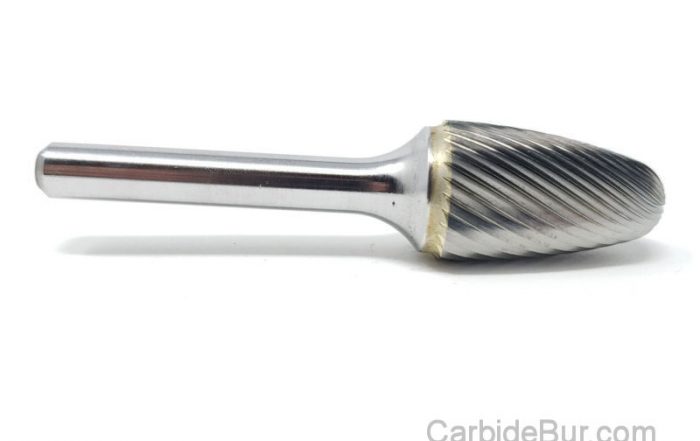
How to Grind a Groove in Metal With a Carbide Burr
How to Grind a Groove in Metal With a Carbide Burr Most metalworkers struggle to cut clean grooves without wasting time or ruining their workpiece. Many try different metalworking tools but end up with uneven [...]
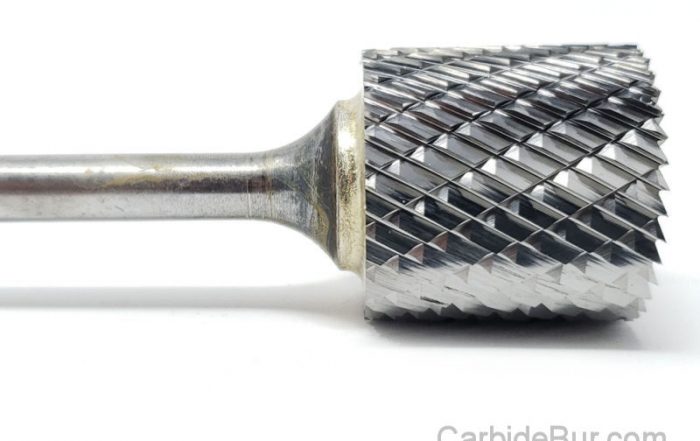
Can Carbide Burrs Cut Through Welds?
Can Carbide Burrs Cut Through Welds? Cutting through welds can feel like a battle, especially when you need clean results without harming the base metal. Carbide burrs offer a sharp edge in this fight, but [...]
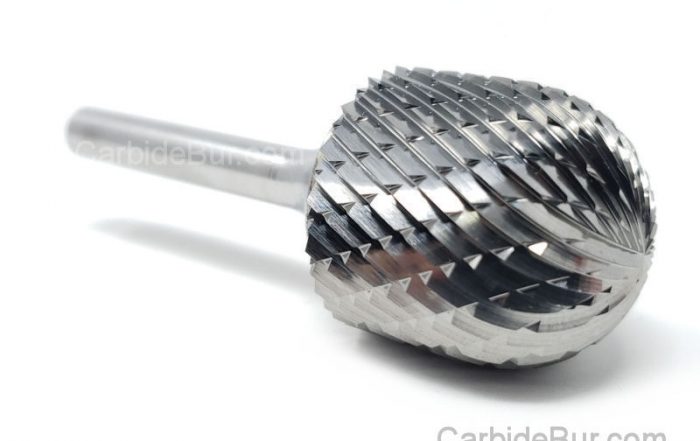
How to Use a Carbide Burr With a Die Grinder
How to Use a Carbide Burr With a Die Grinder Most people treat a carbide burr like just another tool, but using it with a die grinder takes skill. If you’ve struggled with burr installation [...]
1/8 vs 1/4 Inch Carbide Burrs: What’s the Difference?
1/8 vs 1/4 Inch Carbide Burrs: What's the Difference? Choosing between a 1/8 inch carbide burr and a 1/4 inch carbide burr can change how your project turns out. Many machinists and hobbyists overlook how [...]
Best Carbide Burr for Removing Flash From Castings
Best Carbide Burr for Removing Flash From Castings Removing flash from castings is a task that can slow down your entire metalworking process if you don’t have the right tools. Picking the best carbide burr [...]
What RPM Should You Use for a 1/4 Inch Carbide Burr?
What RPM Should You Use for a 1/4 Inch Carbide Burr? Most machinists guess the right speed for a 1/4 inch carbide burr and hope for the best. Using the wrong carbide burr RPM can [...]
Long Shank Carbide Burrs: When Do You Need One?
Long Shank Carbide Burrs: When Do You Need One? Most machinists overlook the power of long shank carbide burrs until a project demands precision in tight spaces. When your usual tools can’t reach intricate contours, [...]
How Deep Can a Carbide Burr Cut Metal?
How Deep Can a Carbide Burr Cut Metal? Carbide burrs often get praised for their precision, but many users hit a wall wondering how deep they can actually cut metal. The truth is, cutting depth [...]
How to Use Carbide Burrs for Port Matching
How to Use Carbide Burrs for Port Matching Most engine builds hit a wall when airflow doesn’t flow smoothly between the ports and manifolds. If your engine isn’t breathing right, your performance stalls. Using the [...]
Best Carbide Burr for Porting Intake Manifolds
Best Carbide Burr for Porting Intake Manifolds Porting intake manifolds can make or break your engine’s airflow, yet many struggle with the right tools for the job. Choosing the best carbide burrs is key to [...]
Best Carbide Burr for Concave Surfaces
Best Carbide Burr for Concave Surfaces Concave surfaces can turn a straightforward project into a frustrating challenge if you don’t have the right tool. Carbide burrs designed for these tricky curves make all the difference [...]
How to Grind a Slot in Metal With a Carbide Burr
How to Grind a Slot in Metal With a Carbide Burr Grinding a precise slot in metal can feel like a tricky task, especially if you’re unsure which tools to trust. Carbide burr grinding offers [...]
