
Mechanic’s Secrets Revealed: Effective Strategies for Corrosion and Bolt Removal
Stubborn bolts can turn a simple repair into a frustrating battle. When corrosion locks parts tight, getting them loose feels impossible. In this guide, you’ll learn how mechanics remove seized bolts without wasting time or tools. These proven tips will make corrosion removal smoother and keep your automotive repair on track. For more insights, check this link.
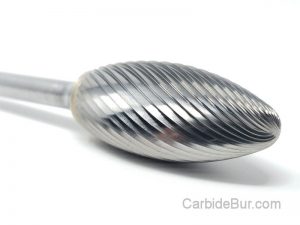
Looking for Carbide Bur Tools?
Check out our entire selection of USA made carbide bur die grinder tool bits
Understanding Corrosion and Bolts
Corrosion can be a real headache when you’re diving into automotive repair. Let’s explore why it happens and how it affects those pesky bolts.
Causes of Automotive Corrosion
Corrosion is a common enemy in the car world. When metal meets moisture, rust starts to form. Add road salt into the mix, and your car becomes a breeding ground for corrosion. Even humidity can speed up the rusting process. Keeping your vehicle clean and dry helps minimize exposure to these elements.
Types of Corroded Bolts
Recognizing the different types of corroded bolts can save you a lot of hassle. Some bolts just have a rusty surface. With a bit of effort, these can often be cleaned up. But others are rusted through, making removal a more challenging task. Knowing what you’re dealing with can help you choose the right approach.
Impact on Automotive Repair
Corroded bolts can add hours to a repair job. They are tough to remove, and if you’re not careful, you might cause more damage. This could lead to needing more parts or even professional help. Understanding corrosion’s impact helps you prepare for these situations.
Tools for Effective Bolt Removal
Having the right tools at your side can make a world of difference when removing seized bolts. Let’s see what you need.
Essential Tools in Automotive Repair
For any car enthusiast, a basic set of tools is crucial. A good wrench set, pliers, and screwdrivers are a must. These tools help you tackle everyday repairs and maintenance. They are your first line of defense against stuck bolts.
Advanced Devices for Stubborn Bolt Solutions
Sometimes basic tools aren’t enough. In these cases, advanced devices like impact wrenches or bolt extractors come into play. These tools provide extra power and precision. They are designed for those particularly stubborn bolts that refuse to budge.
Choosing the Right Tools
Picking the right tool can make bolt removal easier. If you’re dealing with a rusty bolt, reach for a penetrating oil and a wrench. For seriously stuck bolts, a bolt extractor might be necessary. Knowing what tool to use is key to success.
Techniques for Removing Seized Bolts
The right techniques can turn a tough job into a manageable one. Let’s look at some proven strategies.
Penetrating Oils and Lubricants
Penetrating oils are your best friends when facing seized bolts. These oils seep into tiny spaces, helping to loosen rust’s grip. Apply a generous amount and let it sit for a few minutes. This approach often makes the bolt easier to turn.
Heat Application Methods
Heat can work wonders on stubborn bolts. A blowtorch or heat gun can be used to expand the metal, making it easier to remove. Just be cautious and ensure you don’t overheat the area, which could cause damage.
Tapping and Threading Techniques
Sometimes a little tap can go a long way. Gently tapping the bolt with a hammer might help break the rust’s hold. Threading techniques, like using a tap and die set, can also restore damaged threads. These methods add finesse to your toolbox.
Corrosion Removal Strategies
Once you’ve got the bolt out, dealing with the remaining corrosion is crucial. Let’s explore some strategies.
Chemical Treatments for Corrosion Removal
Chemical solutions are effective for rust removal. Products like rust converters or removers dissolve corrosion, leaving a clean surface. They’re easy to use and can be applied directly to the affected areas.
Mechanical Methods for Rust Elimination
For those who prefer hands-on methods, mechanical tools like wire brushes or sanders come in handy. These tools physically remove rust, giving you a clean slate. They require a bit of elbow grease but can be very effective.
Preventative Measures in Automotive Repair
Preventing corrosion is better than dealing with it later. Regularly clean and wax your car to protect against moisture. Consider using rust-proof coatings on vulnerable parts. These measures can save you time and effort down the road.
Mechanics Tips for Long-Term Solutions
Keeping your car in top shape requires more than just removing rust. Let’s dive into some tips for long-term success.
Routine Maintenance Practices
Regular maintenance is key to avoiding corrosion. This includes checking for rust, cleaning parts, and ensuring everything is properly lubricated. A little maintenance goes a long way in preventing big problems.
Insider Tips for Lasting Results
Most people think rust just happens, but you can prevent it! Use a quality rust inhibitor regularly. Also, store your car in a dry place when not in use. These small steps can make a big difference in keeping rust at bay.
Building Confidence in Automotive Repair
Tackling corrosion and stuck bolts builds your skills and confidence. The more you practice these techniques, the more adept you’ll become. Soon, you’ll handle these challenges with ease, and your car will thank you for it.
By mastering these strategies, you’re well on your way to making automotive repair a breeze. Don’t let corrosion and stubborn bolts slow you down. Keep your tools ready and your skills sharp!
Looking for Carbide Bur Tools?
Check out our entire selection of USA made carbide bur die grinder tool bits
Follow us on Twitter

Return to CarbideBur.com
Carbide Burs – 1/4″ on 1/8″ Shanks – Accessories – Aluminum Cut – Bur Sets – End Mills – Long Shank – Solid Burs
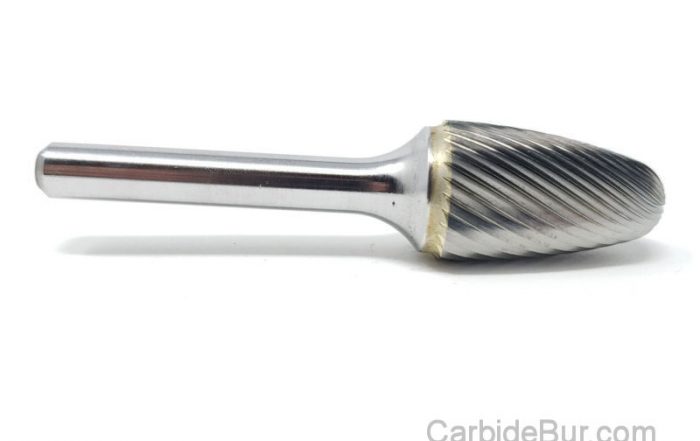
How to Grind a Groove in Metal With a Carbide Burr
How to Grind a Groove in Metal With a Carbide Burr Most metalworkers struggle to cut clean grooves without wasting time or ruining their workpiece. Many try different metalworking tools but end up with uneven [...]
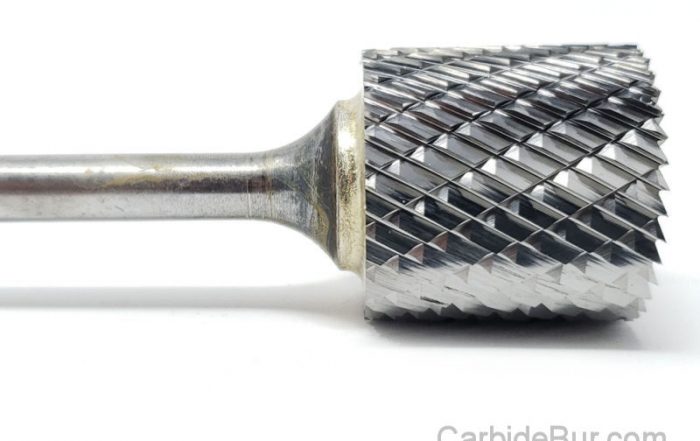
Can Carbide Burrs Cut Through Welds?
Can Carbide Burrs Cut Through Welds? Cutting through welds can feel like a battle, especially when you need clean results without harming the base metal. Carbide burrs offer a sharp edge in this fight, but [...]
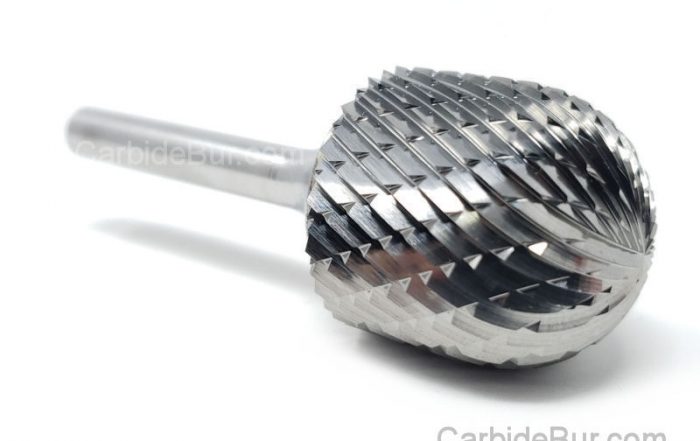
How to Use a Carbide Burr With a Die Grinder
How to Use a Carbide Burr With a Die Grinder Most people treat a carbide burr like just another tool, but using it with a die grinder takes skill. If you’ve struggled with burr installation [...]
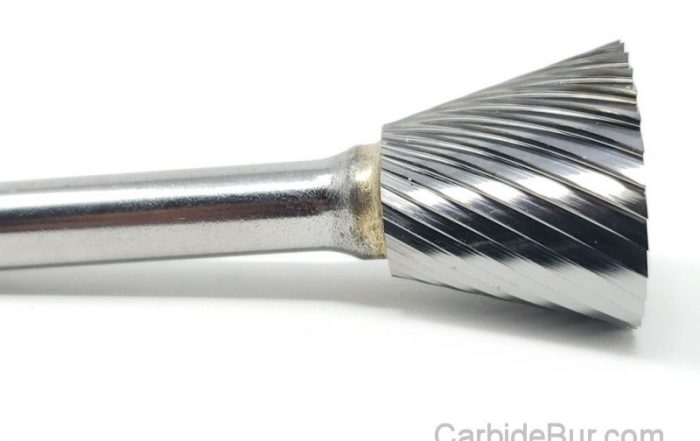
1/8 vs 1/4 Inch Carbide Burrs: What’s the Difference?
1/8 vs 1/4 Inch Carbide Burrs: What's the Difference? Choosing between a 1/8 inch carbide burr and a 1/4 inch carbide burr can change how your project turns out. Many machinists and hobbyists overlook how [...]
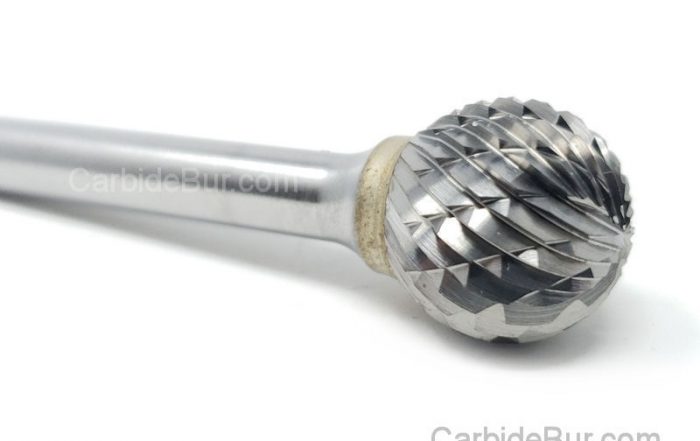
Best Carbide Burr for Removing Flash From Castings
Best Carbide Burr for Removing Flash From Castings Removing flash from castings is a task that can slow down your entire metalworking process if you don’t have the right tools. Picking the best carbide burr [...]
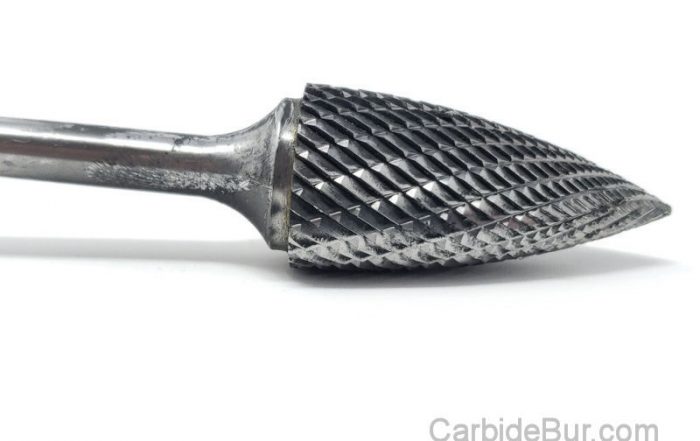
What RPM Should You Use for a 1/4 Inch Carbide Burr?
What RPM Should You Use for a 1/4 Inch Carbide Burr? Most machinists guess the right speed for a 1/4 inch carbide burr and hope for the best. Using the wrong carbide burr RPM can [...]
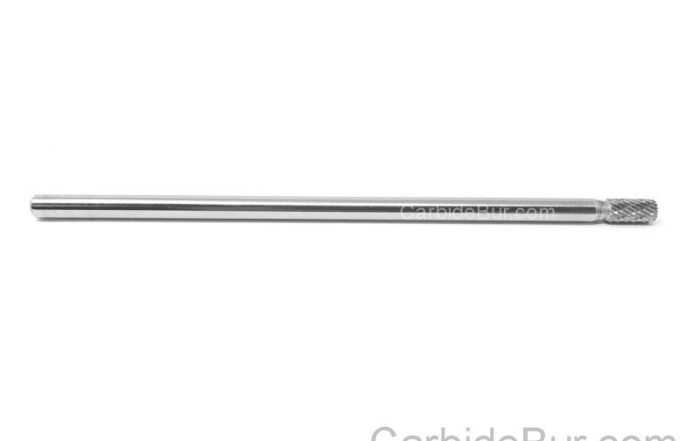
Long Shank Carbide Burrs: When Do You Need One?
Long Shank Carbide Burrs: When Do You Need One? Most machinists overlook the power of long shank carbide burrs until a project demands precision in tight spaces. When your usual tools can’t reach intricate contours, [...]
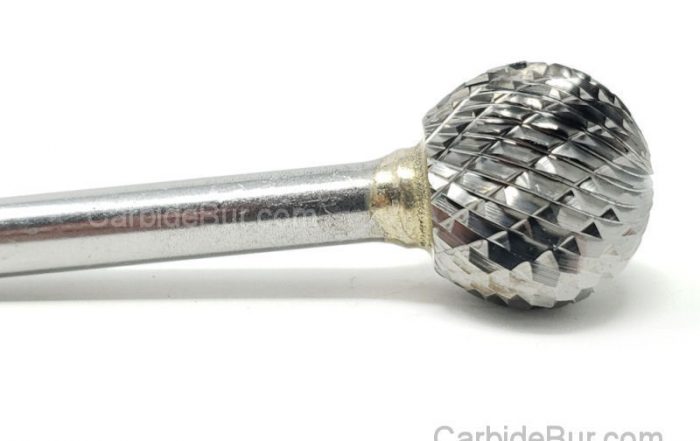
How Deep Can a Carbide Burr Cut Metal?
How Deep Can a Carbide Burr Cut Metal? Carbide burrs often get praised for their precision, but many users hit a wall wondering how deep they can actually cut metal. The truth is, cutting depth [...]
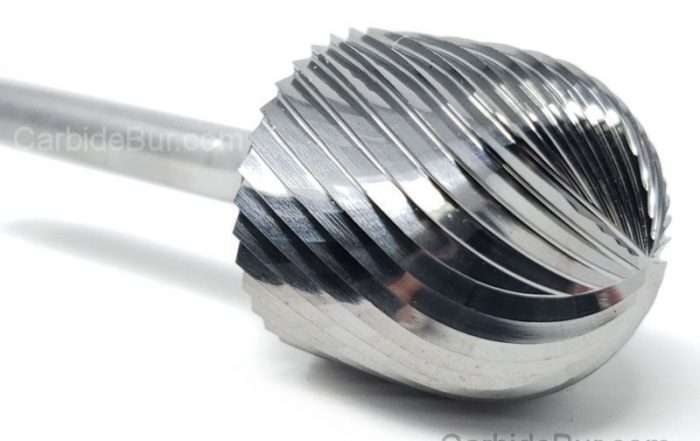
How to Use Carbide Burrs for Port Matching
How to Use Carbide Burrs for Port Matching Most engine builds hit a wall when airflow doesn’t flow smoothly between the ports and manifolds. If your engine isn’t breathing right, your performance stalls. Using the [...]
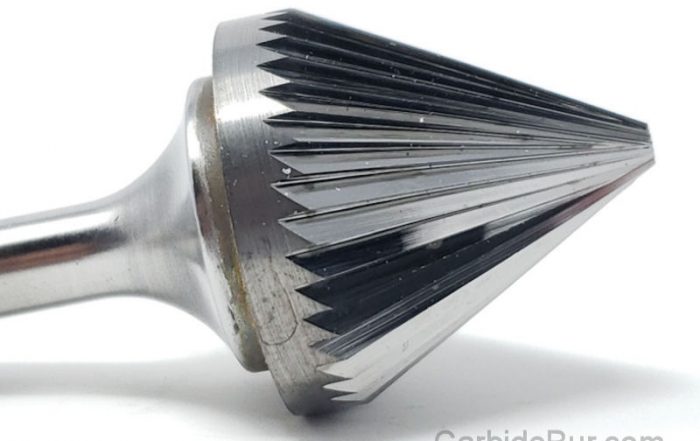
Best Carbide Burr for Porting Intake Manifolds
Best Carbide Burr for Porting Intake Manifolds Porting intake manifolds can make or break your engine’s airflow, yet many struggle with the right tools for the job. Choosing the best carbide burrs is key to [...]
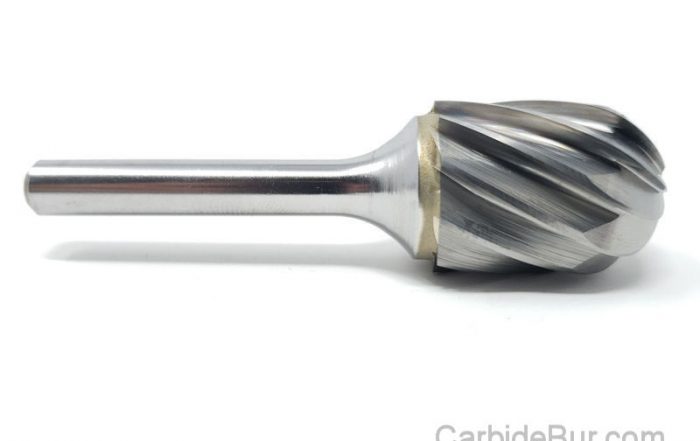
Best Carbide Burr for Concave Surfaces
Best Carbide Burr for Concave Surfaces Concave surfaces can turn a straightforward project into a frustrating challenge if you don’t have the right tool. Carbide burrs designed for these tricky curves make all the difference [...]
How to Grind a Slot in Metal With a Carbide Burr
How to Grind a Slot in Metal With a Carbide Burr Grinding a precise slot in metal can feel like a tricky task, especially if you’re unsure which tools to trust. Carbide burr grinding offers [...]
