
How To Maximize Performance – The Role Of Carbide Burs In Engine Porting
You can significantly enhance your engine’s performance by mastering the art of porting, and choosing the right tools is key to achieving optimal results. Carbide burs should be your go-to option for this task, as they offer precision machining and efficient material removal. In this guide, you’ll learn how to effectively use carbide burs in engine porting, ensuring smoother airflow and improved combustion. Dive in to discover techniques that will elevate your engine’s capabilities and overall performance.
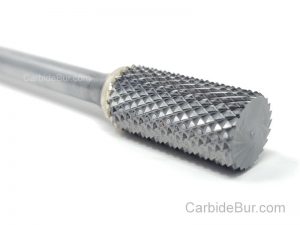
Find more carbide bur die grinder tool bits here
The Power of Carbide Burs: Material Composition and Design
Exploring the Benefits of Carbide Materials
Carbide, a composite of carbon and a metallic element such as tungsten, is renowned for its robustness and durability. This material is significantly harder than conventional steel, which allows carbide burs to retain a sharper edge for longer durations, leading to efficient material removal during engine porting. The resulting decreases in friction and wear mean that you can achieve smoother surfaces on intake and exhaust ports, directly enhancing airflow. In fact, choosing carbide burs can lead to a reduction in the overall time spent on porting by about 30%, allowing you to maximize productivity without sacrificing quality.
Additionally, the resistance of carbide to heat and abrasion ensures that your burs will maintain their integrity even under the rigors of high-performance applications. This thermal stability is especially important during aggressive porting sessions, where excessive heat could impact both the tool life and the quality of your work. Utilizing carbide burs can also minimize the risk of introducing contaminants into the engine, as their design will not break down like softer materials, ensuring that only the desired modifications are made without compromising the cleanliness of your engine components.
The Unique Geometry of Burs for Optimal Performance
The design of carbide burs is as pivotal as the material they are made from, playing a significant role in how effectively you can shape and refine engine components. Typically featuring a variety of shapes, such as round, flame, or taper, carbide burs allow for precision work in different areas of the port. The unique geometries enable optimal cutting and shaping capabilities, allowing you to navigate the complexity of engine internals with ease.
Each shape is strategically engineered for specific tasks. For instance, flame burs excel in blending edges and achieving a smooth finish, making them particularly useful in narrowing down and polishing port openings. Conversely, tapered burs provide a more aggressive cut and are ideal for excavating material from the inside contours of an intake manifold. The combination of high-quality carbide material with specially designed geometries allows you to achieve precise control over not just your engine’s airflow characteristics but also the overall efficiency and performance. By selecting the right carbide burs for your projects, you can revolutionize your approach to engine porting and significantly enhance your engine’s capabilities.
Precision in Engine Porting: Techniques to Elevate Efficiency
Essential Techniques for Successful Porting
Your approach to engine porting can significantly impact overall performance. Using carbide burs effectively is just one aspect; mastering various techniques ensures that you maximize airflow without compromising structural integrity. Pay attention to the shape and size of the ports you’re working on—smaller, tighter ports can often benefit from a more aggressive angle, while larger ones may need smoothing for optimal airflow. Deviations from factory specifications can lead to gains, but perform countless flow bench tests to validate whether the changes yield significant improvements in performance.
Understanding the differences between conventional porting and CNC porting allows you to choose the best method for your project. While CNC tools offer precision and consistency, manual porting enables you to tailor adjustments custom-fit for your engine’s specific needs. Just be sure to maintain a steady hand and develop a feel for the material you’re removing. With practice, you can develop a keen sensitivity for how much material to take off without overdoing it.
Find more carbide bur die grinder tool bits here
Common Pitfalls to Avoid During the Process
Over-aggressive modifications are a primary risk during engine porting. You might be tempted to remove as much material as possible in pursuit of maximum airflow, but this can lead to airflow turbulence, reducing efficiency instead of enhancing it. Striking a balance is crucial; aim for a smooth transition without overly sacrificing material. Inadvertently enlarging ports can also disrupt the design balance, leading to diminished performance at lower RPMs. Accurate measurement is non-negotiable.
Failing to consider the entire engine system can lead to imbalances that negatively affect combustion efficiency. Each engine is part of a finely-tuned system; modifications to one area may necessitate adjustments elsewhere to achieve harmony. Review the effects of your porting efforts on not just the airflow but the fuel delivery and exhaust timing as well. Techniques like blending edges and maintaining a consistent thickness can contribute to an even distribution of airflow, ultimately enhancing your engine’s performance.
Unexpected changes from your modifications can also arise from incorrectly interpreting airflow readings. A common mistake is assuming that increased flow rates always equate to better performance. Deviating from the parameters designed for a specific engine can cause turbulence that hinders velocity and efficiency. Maintain a holistic view of the entire system during your porting work, paying attention to how each port design interacts with others to ensure balanced performance gains across the board.
Choosing the Right Carbide Burs: A Key to Success
Factors to Consider When Selecting Burs
Selecting the appropriate carbide burs for your engine porting task is crucial for achieving optimal results. Key factors include the type of material being worked on, the specific application, and the desired finish. You’ll want to assess the shape and size of the bur, as these directly influence the effectiveness of your porting efforts. The coating and design will also have an impact on the longevity and performance of the burs, making your selection even more significant.
- Material type of the bur to match engine specifications
- Profile of the burs to suit the contours of your engine ports
- Operating speed and recommended limits for your tooling
- Quality of the brand and reviews from other machinists
- Cost-effective options without compromising quality
Perceiving these elements will lead you to a more informed purchase, ultimately enhancing your porting performance and precision.
Recommended Burs for Specific Engine Types
Your choice of burs should also reflect the type of engine you’re working with. For instance, aluminum and iron require different approaches when it comes to bur selection. Lighter metals may benefit from finer, sharper burs that can provide a smooth finish, while tougher cast iron could necessitate more robust, aggressive cutting edges. Selecting the right bur not only saves time but ensures a more consistent porting result.
- Aluminum heads: Finer fluted burs for smooth finishes
- Cast iron blocks: Aggressive, coarse burs to handle tough material
- Performance engines: Specialized burs designed for airflow enhancement
- Two-stroke systems: Tapered burs to navigate tighter ports
- Vintage engines: Custom shapes that match historical specifications
Thou can significantly enhance your porting proficiency by choosing burs that align with the specific materials and types of engines you’re addressing.
| Engine Type | Recommended Bur Type |
|---|---|
| Aluminum Heads | Fine Fluted Bur |
| Cast Iron Blocks | Aggressive Coarse Bur |
| Performance Engines | Flow Enhancement Bur |
| Two-Stroke Systems | Tapered Bur |
| Vintage Engines | Custom Shaped Bur |
Understanding the specific requirements of different engine types ensures that you maximize your porting efforts efficiently. For instance, performance engines often require specialized burs engineered for optimal airflow while maintaining durability. Depending on the age and construction of the engine, choosing the right bur can mean the difference between a mediocre job and one that elevates your engine’s performance significantly.
- Investing in high-quality burs tailored for each engine type enhances efficiency.
- Choosing versatile burs can provide flexibility across various projects.
- Researching maker specifications allows you to select competitively advanced options.
- Taking into account the specific port shape needed will refine your final outcome.
- Documenting your experiences in bur selection can guide future choices.
Thou will find that developed knowledge and practical application combined will elevate your engine porting abilities, making the right bur selection a vital step on your journey to maximizing engine performance.
Maintenance and Care: Prolonging the Life of Your Carbide Burs
Proper Cleaning Techniques
After you’ve completed your porting tasks, it’s imperative to clean your carbide burs promptly to prevent debris buildup that can diminish their functionality. Begin by using a soft brush or compressed air to remove any metal shavings and residue. For more stubborn deposits, soak the burs in a mild solvent or cleaner specifically designed for metal tools. Avoid abrasive materials that can scratch or damage the surface, as maintaining the integrity of the carbide is crucial for optimal cutting performance. Following cleaning, ensure that the burs are thoroughly dried to prevent rust and corrosion.
Storage Practices for Longevity
How you store your carbide burs has a direct impact on their longevity and performance. Keeping them in a padded case or dedicated tool holder can prevent them from coming into contact with hard surfaces or other tools that may cause chipping or dulling. Ideally, store the burs in a cool, dry environment away from excessive humidity, as moisture can lead to rust. Use dividers or foam inserts in your storage solution to keep the burs organized and easily accessible—this not only protects them but also saves time during your projects.
Utilizing clear labeling on your storage solutions can add another layer of efficiency. By categorizing burs based on size, shape, or intended application, you streamline your workflow. A well-organized storage system also encourages regular checks, allowing you to assess wear and tear before using the burs, ensuring that you’re always working with tools that are in top condition.
Real-World Applications: Success Stories from Experienced Porters
Case Examples of Performance Improvements
You may find it intriguing to explore specific case studies where the implementation of carbide burs drastically improved engine performance. For example, one tuner worked on a Honda K20 engine and reported a 15% increase in horsepower after optimizing the intake and exhaust ports using carbide burs. By removing material precisely and enhancing airflow, the tuner created a smoother path for the air mixture, resulting in a more efficient combustion process. Another notable case involved a custom turbocharged LS engine, in which a careful porting job led to a significant reduction in turbo lag and a more responsive throttle. This was achieved by carefully matching port shapes and sizes to the turbocharger’s characteristics, showcasing the importance of combining scientific knowledge with practical experience while employing carbide tools.
Feedback from Professionals in the Field
Feedback from professionals who have been in the business for years generally points to carbide burs as a game-changer in engine porting. Many seasoned porters express their satisfaction with the cutting capabilities of carbide burs, noting they allow for more intricate and precise work compared to traditional tools. One performance engine builder remarked, “The level of control you get when working with carbide burs is unmatched. It allows you to shave off just enough material without compromising the port integrity.” Over and over, experts emphasize that the use of high-quality carbide burs not only streamlines the porting process but also enhances end results, affirming their role as imperative tools in achieving optimal performance.
Such feedback underscores a common sentiment: the precision of carbide burs directly correlates with the success of porting jobs. Professionals frequently note that a well-port job enabled by these burs can translate into tangible metrics – better torque curves, improved fuel efficiency, and overall more engaging driving experiences. The consensus resonates throughout the community, magnifying the importance of investing in the right tools for your porting projects.
Conclusion
From above, it’s clear that maximizing performance in engine porting greatly benefits from the right tools, particularly carbide burs. These tools allow you to precisely shape and smooth the intake and exhaust passages, facilitating better airflow and increasing efficiency. By investing time in learning the proper techniques and selecting the right size and shape of burs for your project, you can achieve significant gains in engine performance. This process involves not just the selection, but also the application and control of the burs to ensure optimal results.
Ultimately, the path to enhanced engine performance lies in understanding how to effectively use carbide burs during porting. By applying the insights gained from this guide, you can transform your engine’s performance and reliability. Your attention to detail and commitment to quality will set your work apart, enabling you to harness the full potential of your engine. As you begin on your porting journey, keep experimenting and refining your technique, and you’ll likely see impressive results in your engine’s responsiveness and power output.
Find more carbide bur die grinder tool bits here
How to Choose the Best Carbide Burr for Every Task
The Ultimate Burr Shape Chart: How to Choose the Best Carbide Burr for Every Task Choosing the right carbide burr shape can feel like guesswork when every task demands a different cut. You’ve got tree [...]
Port Matching Techniques for Automotive Enthusiasts
Mastering Carbide Burs: Port Matching Techniques for Automotive Enthusiasts Most engine porting guides leave out the real secrets to using carbide burs right. If you’ve wasted time guessing the right RPM or picked the wrong [...]
Top 5 Carbide Burr Mistakes Beginners Make and How to Avoid Them
Top 5 Carbide Burr Mistakes Beginners Make and How to Avoid Them Most beginners make the same costly carbide burr mistakes without even realizing it. If you’ve struggled with rough finishes or broken bits, you’re [...]
The Expert’s Guide to Chamfering and Edge Breaking with Carbide Burrs
The Expert's Guide to Chamfering and Edge Breaking with Carbide Burrs Most metal shaping tools only scratch the surface. If your edges still feel rough or your welds aren’t smooth, you’re missing a key step. [...]
The Ultimate Guide to Using Carbide Burrs on Aluminum Without a Hitch
The Ultimate Guide to Using Carbide Burrs on Aluminum Without a Hitch Clogged carbide burrs can turn your aluminum machining project into a frustrating mess fast. You’ve probably wasted hours scraping off gunk instead of [...]
Your Go-To Welding Tools for Fast and Effective Cleaning
Carbide Burrs: Your Go-To Welding Tools for Fast and Effective Cleaning Welding cleanups often drag on longer than they should, costing you time and precision. If you’re tired of scrubbing weld spatter that just won’t [...]
Practical Burr Maintenance Tips for Cost-Savvy Machinists
Practical Burr Maintenance Tips for Cost-Savvy Machinists Most machinists replace carbide burrs too late or too soon, wasting both time and money. Your tools wear down faster when you miss the signs to replace carbide [...]
Jewelry Making and Engraving Techniques Using Carbide Burs
Jewelry Making and Engraving Techniques Using Carbide Burs Carbide burs aren’t just for rough cuts or quick fixes—you’re missing out if you think that’s all they do. These small tools can add precision and detail [...]
How to Choose Between Single Cut and Double Cut Carbide Burrs
Master Your Projects: How to Choose Between Single Cut and Double Cut Carbide Burrs Picking the wrong carbide burr can turn a simple project into a frustrating mess. You’ve got single cut burrs and double [...]
Achieve Precision with the Right Carbide Burr Usage and RPM
Achieve Precision with the Right Carbide Burr Usage and RPM Most people run carbide burrs way too fast or too slow without realizing it. That’s costing you time, tool life, and the smooth finish you [...]
Why Carbide Burrs Outshine Grinding Wheels in Woodworking and Metalworking
Why Carbide Burrs Outshine Grinding Wheels in Woodworking and Metalworking Grinding wheels have long been the go-to for shaping metal and wood, but they often fall short when precision work is on the line. If [...]
Choosing the Best Burr Shapes and Tools for Flawless Metalworking
Choosing the Best Burr Shapes and Tools for Flawless Metalworking Removing burrs can feel like walking a tightrope—one wrong move, and your parts get damaged. If you want clean edges without the risk, mastering deburring [...]

Leave A Comment
You must be logged in to post a comment.