
Preventing Injuries in Metalworking: How to Prepare for Carbide Bur Challenges
Metalworking with a die grinder comes with a hidden risk: tiny metal splinters that can quickly turn into painful problems. If you’ve faced the sting after carbide bur sessions, you know how frustrating and distracting it can be. Keeping tweezers for metalwork and magnification tools close by lets you handle removing metal splinters fast, putting die grinder safety first and keeping your hands ready for the next task. For more tips on safety, visit this guide.
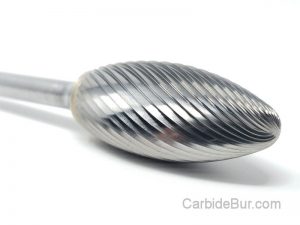
Looking for Carbide Bur Tools?
Check out our entire selection of USA made carbide bur die grinder tool bits
Importance of Die Grinder Safety
Understanding the risks is vital before diving into metalworking. Die grinder safety isn’t just a precaution; it’s essential for your well-being and productivity.
Common Injuries in Metalworking
Metalworking can be hazardous. When using a die grinder, injuries like metal splinters, cuts, and even more severe incidents can occur. Splinters seem minor but can cause significant pain and infection. A metal splinter might seem small, yet it can disrupt your work. Cuts and bruises are more apparent and often require immediate attention. Awareness of these common injuries can help you take preventive measures.
Essential Safety Guidelines
Safety guidelines protect you while using tools like die grinders. Always wear protective gear, including gloves and goggles. These simple precautions shield your skin and eyes from flying debris. Regular equipment maintenance also reduces risk. Well-maintained tools function better and are less likely to cause accidents. Following these guidelines keeps you safe and focused on your work.
Promoting a Safety Culture
Encourage a culture of safety in your workspace. Share tips and stories about safety with your peers. This exchange of experiences promotes awareness and caution. If everyone looks out for each other, the work environment improves. A collective focus on safety leads to fewer accidents and a more efficient workspace. Most people think accidents are inevitable, but with the right practices, they can be minimized.
Preparing for Carbide Bur Sessions
Equally important is preparation before starting your carbide bur sessions. Proper preparation ensures smooth operations and enhances safety. For more on carbide burs, check out this ultimate guide.
Necessary Safety Tools for Machinists
Keep essential safety tools within reach. Tweezers and magnifying glasses are crucial for removing metal splinters. Proper gloves protect your hands from sharp edges. Ensure your safety tools are of high quality and easily accessible. With these tools, you’re ready to tackle any sudden injuries. Having the right tools at hand boosts your confidence and readiness.
Best Practices for Setup
Setting up your workspace correctly minimizes risks. Position your grinder and tools within easy reach but out of harm’s way. Ensure your environment is well-lit and free from clutter. Proper setup not only enhances safety but also improves efficiency. You work better and faster when everything is in its place. A well-organized area makes a big difference in your productivity and safety.
Organizing Workspaces Effectively
A tidy workspace enhances both safety and efficiency. Organize tools based on usage frequency. Keep frequently used items within reach and store rarely used ones safely. This organization prevents accidents caused by clutter. A clean workspace also speeds up your workflow. You’ll spend less time searching for tools and more time getting the job done.
Removing Metal Splinters Safely
Metal splinters can be a common nuisance in metalworking. Knowing how to safely remove them is crucial.
Using Tweezers for Metalwork
Tweezers are essential for removing metal splinters. Opt for tweezers with a fine tip to grasp splinters securely. Keep them clean and disinfected to avoid infection. Place them in an accessible spot in your workspace. This small step ensures you’re ready to handle splinters swiftly and safely. Tweezers are your ally in maintaining die grinder safety.
Steps for Splinter Removal
Follow these steps for safe splinter removal:
-
Clean the Area: Wash your hands and the affected area with soap and water.
-
Disinfect Tweezers: Use alcohol wipes to clean your tweezers.
-
Remove the Splinter: Carefully extract the splinter with the tweezers.
-
Apply Antibiotic Ointment: After removal, apply ointment to prevent infection.
By following these steps, you reduce the chance of complications and ensure a quick recovery.
Preventing Splinter Complications
Prevent complications by being cautious during work. Wear gloves to minimize the risk of splinters. Stay aware of your surroundings and avoid distractions. Regularly check your tools for wear and tear. These proactive measures help prevent splinters and other injuries. By focusing on prevention, you save time and avoid unnecessary pain.
Maintaining a Safe Working Environment
Creating a safe workspace is an ongoing process. It involves regular checks and fostering a supportive culture.
Regular Equipment Checks
Regular checks of your equipment are vital. Ensure all tools, including your die grinder, are in top condition. Look for any signs of wear or damage and address them immediately. A well-maintained tool performs better and is less likely to cause accidents. Schedule routine checks to keep everything in working order. This practice not only enhances safety but also extends the life of your tools.
Training and Education Initiatives
Invest in training and education initiatives. Keep updated with the latest safety practices and techniques. Attend workshops or online courses to enhance your skills. Sharing this knowledge with peers promotes a culture of learning. Continuous education is key to staying safe and efficient in metalworking.
Encouraging Peer Support and Feedback
Encourage open communication among colleagues. Share insights and provide feedback on safety practices. Peer support can identify potential hazards you might overlook. This collaborative approach fosters a positive environment. Everyone feels more secure knowing they have support. By working together, you create a safer workplace for all.
Benefits of Safety in Metalworking
Safety in metalworking isn’t just about avoiding injuries. It brings additional benefits to your work and overall environment.
Enhancing Productivity
Safety directly impacts productivity. Fewer injuries mean less downtime and more focus on tasks. A safe environment allows you to work confidently and efficiently. You’re able to complete tasks quicker and with better results. Prioritizing safety boosts overall productivity in your metalworking projects.
Building Confidence in Skills
Working safely builds your confidence. Knowing the proper safety measures and using them effectively empowers you. As your skills grow, so does your ability to tackle complex tasks. Confidence in your skills leads to better work quality and satisfaction. You become more adept and assured in your abilities.
Fostering a Positive Work Atmosphere
Safety contributes to a positive work atmosphere. Knowing everyone is committed to safety creates a supportive environment. Colleagues feel more secure and focused. This positive energy promotes creativity and collaboration. A safe workspace leads to a happier, more productive team. By fostering safety, you cultivate a thriving workplace.
In conclusion, prioritizing safety in metalworking not only prevents injuries but also enhances your working environment. By following these guidelines, you ensure a safe, productive, and positive space for yourself and your colleagues.
Looking for Carbide Bur Tools?
Check out our entire selection of USA made carbide bur die grinder tool bits
Follow us on Twitter

Return to CarbideBur.com
Carbide Burs – 1/4″ on 1/8″ Shanks – Accessories – Aluminum Cut – Bur Sets – End Mills – Long Shank – Solid Burs
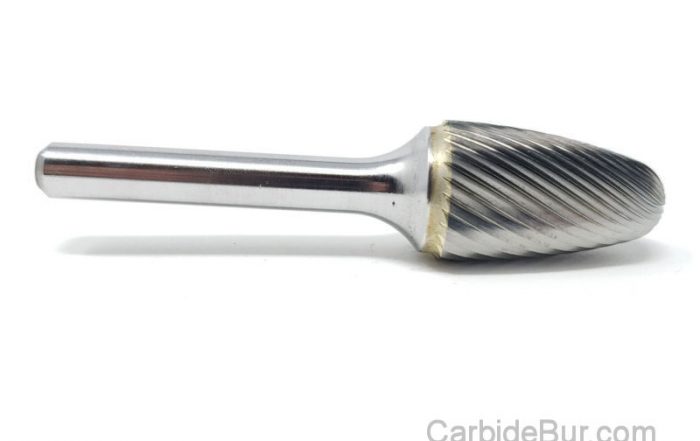
How to Grind a Groove in Metal With a Carbide Burr
How to Grind a Groove in Metal With a Carbide Burr Most metalworkers struggle to cut clean grooves without wasting time or ruining their workpiece. Many try different metalworking tools but end up with uneven [...]
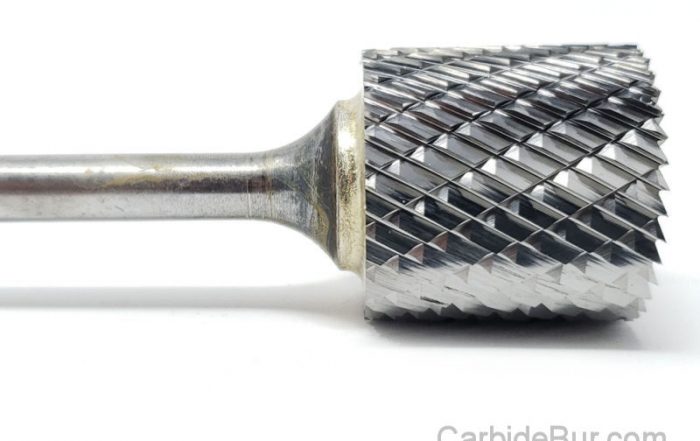
Can Carbide Burrs Cut Through Welds?
Can Carbide Burrs Cut Through Welds? Cutting through welds can feel like a battle, especially when you need clean results without harming the base metal. Carbide burrs offer a sharp edge in this fight, but [...]
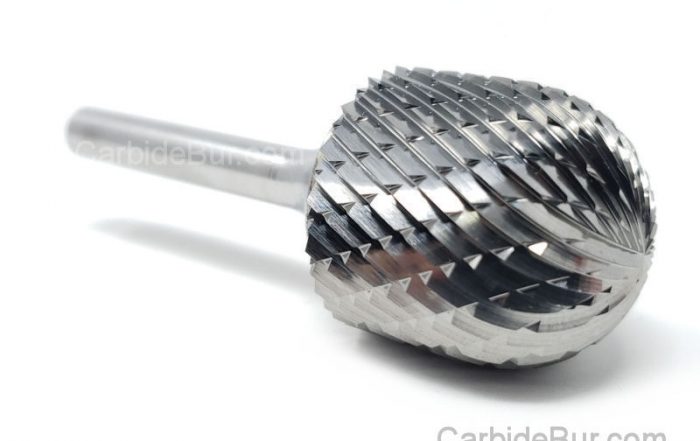
How to Use a Carbide Burr With a Die Grinder
How to Use a Carbide Burr With a Die Grinder Most people treat a carbide burr like just another tool, but using it with a die grinder takes skill. If you’ve struggled with burr installation [...]
1/8 vs 1/4 Inch Carbide Burrs: What’s the Difference?
1/8 vs 1/4 Inch Carbide Burrs: What's the Difference? Choosing between a 1/8 inch carbide burr and a 1/4 inch carbide burr can change how your project turns out. Many machinists and hobbyists overlook how [...]
Best Carbide Burr for Removing Flash From Castings
Best Carbide Burr for Removing Flash From Castings Removing flash from castings is a task that can slow down your entire metalworking process if you don’t have the right tools. Picking the best carbide burr [...]
What RPM Should You Use for a 1/4 Inch Carbide Burr?
What RPM Should You Use for a 1/4 Inch Carbide Burr? Most machinists guess the right speed for a 1/4 inch carbide burr and hope for the best. Using the wrong carbide burr RPM can [...]
Long Shank Carbide Burrs: When Do You Need One?
Long Shank Carbide Burrs: When Do You Need One? Most machinists overlook the power of long shank carbide burrs until a project demands precision in tight spaces. When your usual tools can’t reach intricate contours, [...]
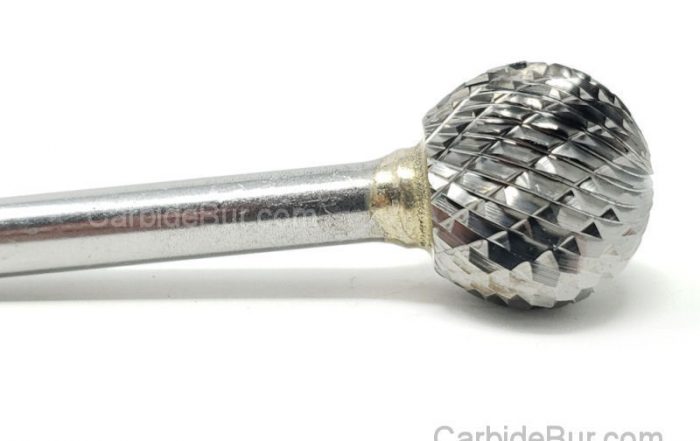
How Deep Can a Carbide Burr Cut Metal?
How Deep Can a Carbide Burr Cut Metal? Carbide burrs often get praised for their precision, but many users hit a wall wondering how deep they can actually cut metal. The truth is, cutting depth [...]
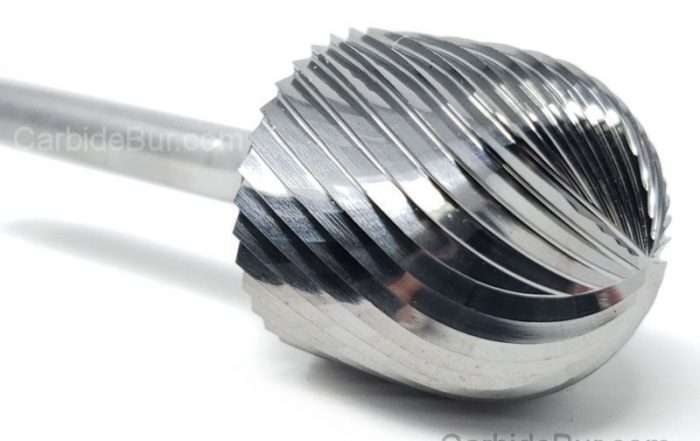
How to Use Carbide Burrs for Port Matching
How to Use Carbide Burrs for Port Matching Most engine builds hit a wall when airflow doesn’t flow smoothly between the ports and manifolds. If your engine isn’t breathing right, your performance stalls. Using the [...]
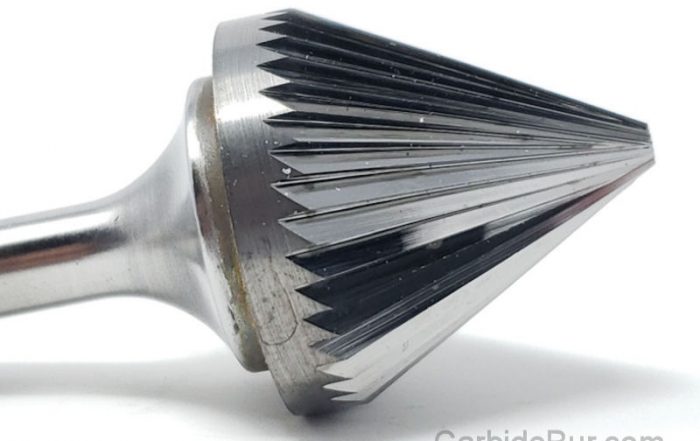
Best Carbide Burr for Porting Intake Manifolds
Best Carbide Burr for Porting Intake Manifolds Porting intake manifolds can make or break your engine’s airflow, yet many struggle with the right tools for the job. Choosing the best carbide burrs is key to [...]
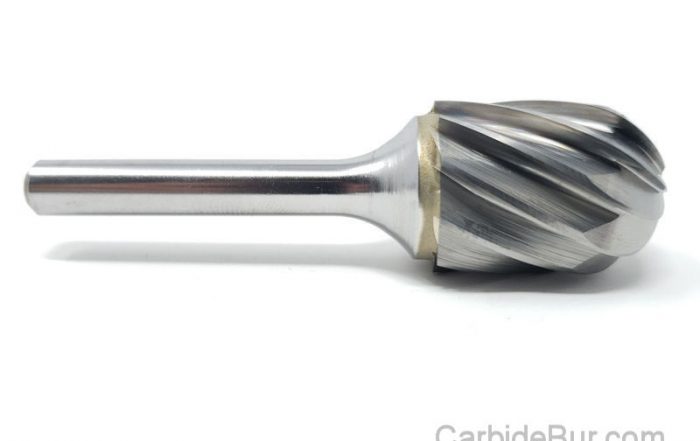
Best Carbide Burr for Concave Surfaces
Best Carbide Burr for Concave Surfaces Concave surfaces can turn a straightforward project into a frustrating challenge if you don’t have the right tool. Carbide burrs designed for these tricky curves make all the difference [...]
How to Grind a Slot in Metal With a Carbide Burr
How to Grind a Slot in Metal With a Carbide Burr Grinding a precise slot in metal can feel like a tricky task, especially if you’re unsure which tools to trust. Carbide burr grinding offers [...]
