
How to Remove Plasma Cutting Slag and Clean Up Metal Cutouts
Plasma cutting leaves behind rough edges and stubborn slag that slow down your project if you don’t tackle them right away. Removing dross and smoothing out metal cutouts takes the right tools and techniques to save time and get clean results. You’ll learn how carbide burrs stack up against flap discs, grinding wheels, and hand files for metal smoothing and plasma cutting slag removal tools. Let’s get your fabrication techniques sharp and precise. For more on grinding and smoothing tough materials, check out this guide.

Have you seen our selection of carbide bur tools?
Understanding Plasma Cutting Slag
Plasma cutting is crucial, yet it often leaves behind a messy trail. Let’s dig in and see why this happens.
The Basics of Plasma Cutting
Plasma cutting uses a jet of hot plasma to slice through metals. This method is popular due to its speed and accuracy. A plasma torch creates a high-temperature arc, which melts the metal, while compressed air blows the molten metal away. The process is efficient, but not without its challenges.
Causes of Slag Formation
Even with precision, plasma cutting leaves behind slag. This is the leftover molten metal that solidifies as it cools. Factors like cutting speed and torch angle can affect the amount of slag produced. A slower speed or incorrect angle can lead to more residue, making cleanup harder.
Impact on Fabrication
Slag affects the quality of your metalwork. Rough edges can hinder assembly and create weak spots. If not removed, these imperfections can lead to structural issues. Investing time in cleaning up can significantly improve the final product’s durability and appearance.
Effective Dross Removal Techniques
Now that you know why slag forms, let’s explore ways to remove it efficiently and get smoother results.
Using Carbide Burrs
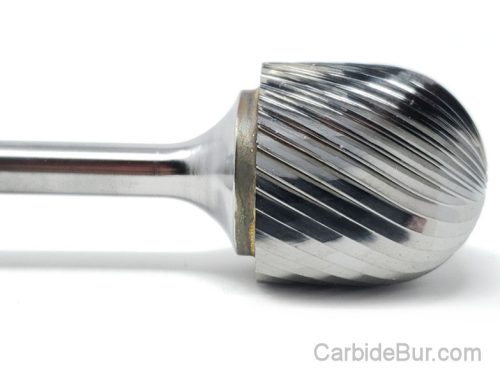
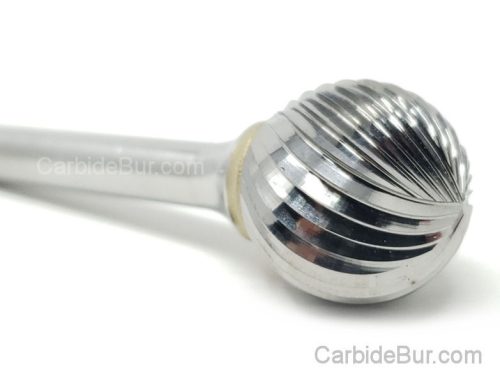
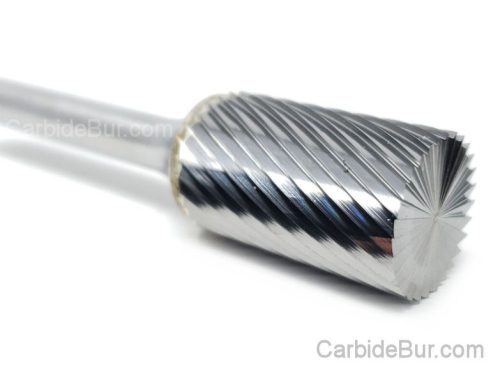
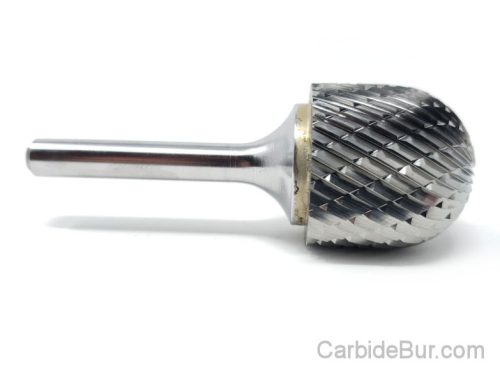
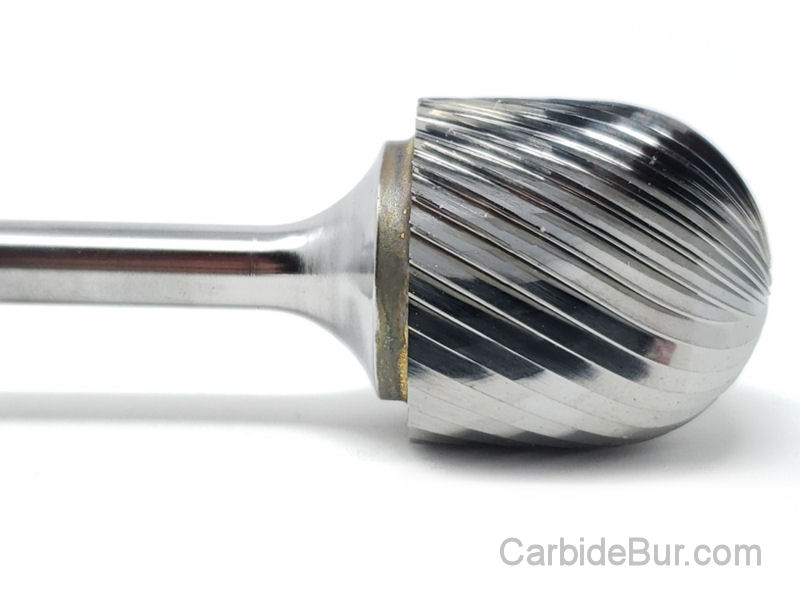
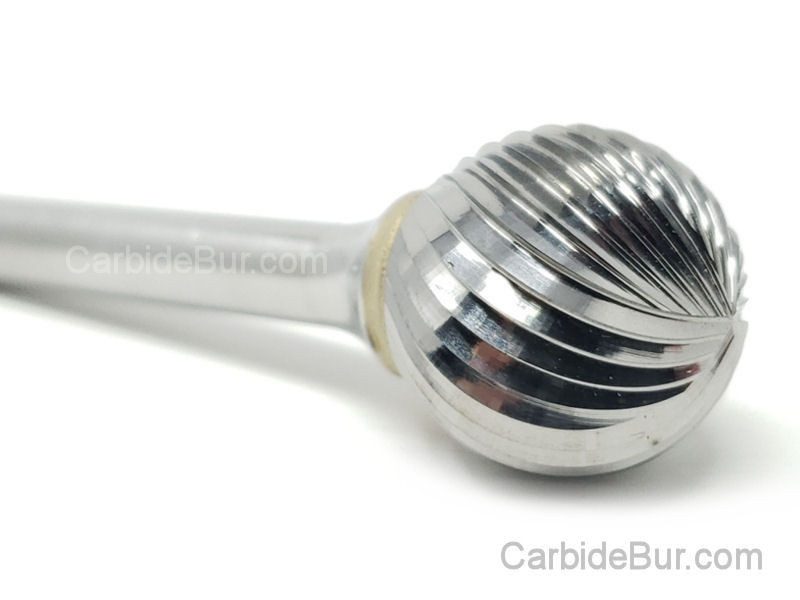
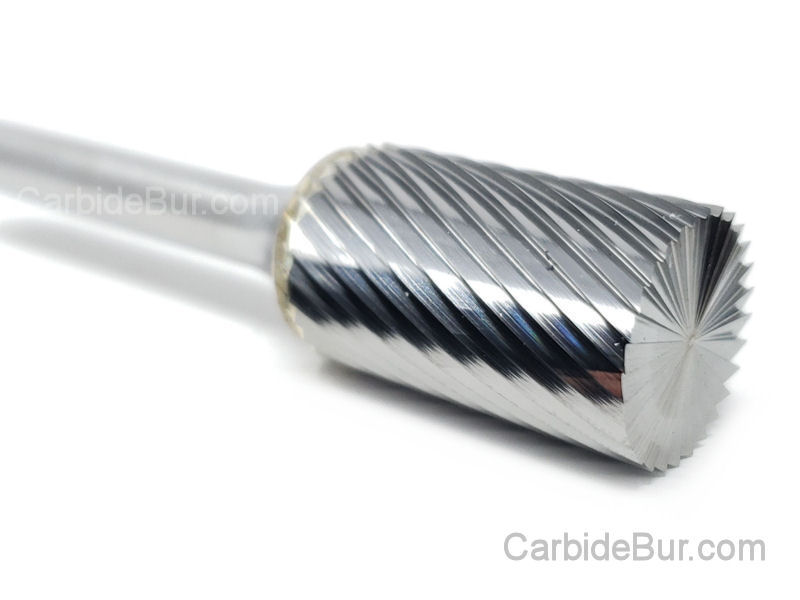
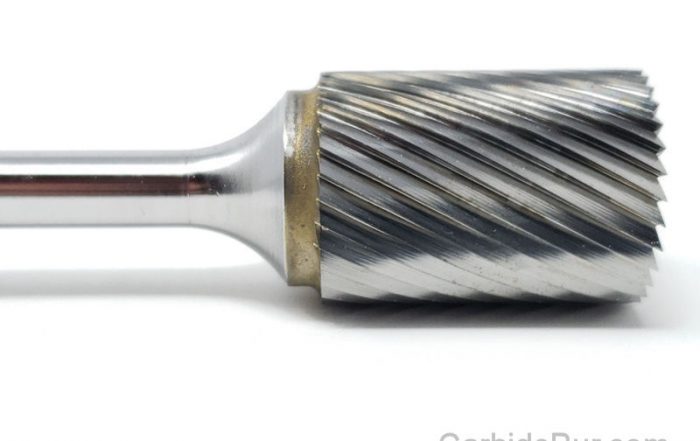
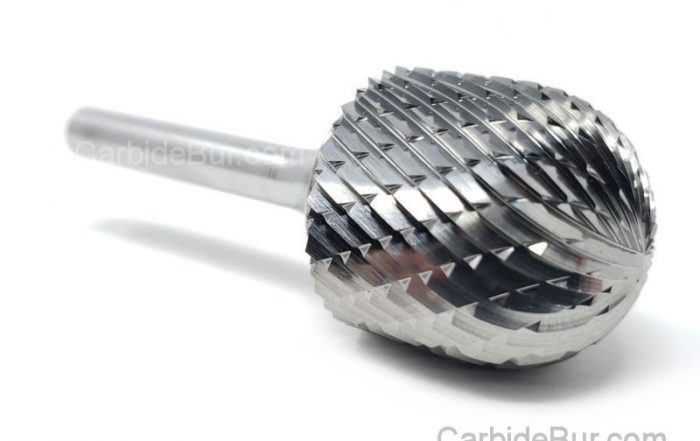
Carbide burrs are excellent for tackling tough dross. They offer precision and durability, making them ideal for detailed work. By rotating at high speeds, they grind away the excess metal. This tool is perfect for precise edges and intricate shapes, ensuring a smooth finish every time.
Flap Discs vs. Grinding Wheels
Both flap discs and grinding wheels are popular in metalwork. Flap discs provide a smooth finish and are great for sanding down surfaces. Grinding wheels, on the other hand, are more aggressive and suitable for heavier material removal. Deciding between them depends on the project’s requirements.
Hand Files in Metal Smoothing
For those who appreciate a hands-on approach, hand files are the way to go. They allow for meticulous smoothing, reaching tight corners and small spaces. Hand files are perfect for final touches, offering control and precision unmatched by power tools.
Smoothing Irregular Edges
Once you’ve removed the dross, focus on smoothing those rough edges for a polished look.
Choosing the Right Tools
Selecting the right tool is key. Carbide burrs are great for precision, while flap discs offer a broader surface area for smoothing. Consider the size and complexity of your project when making a choice.
Techniques for Edge Refinement
Use steady, consistent pressure while working on edges. Begin with a coarser tool for major imperfections, then switch to a finer one for a polished finish. Patience and attention to detail will yield the best results.
Ensuring a Smooth Finish
The finishing touch is crucial. After using power tools, hand files can perfect the edges. A smooth finish not only looks better but also reduces wear and tear on other components.
Refining Intricate Shapes
Intricate designs demand special attention. Here’s how to refine those complex shapes effectively.
Tools for Detailed Work
For detailed work, carbide burrs are invaluable. Their small size and high precision make them ideal for intricate designs. Tools like needle files can also help with fine-tuned adjustments.
Steps for Precision Cutting
-
Outline the Design: Start by marking the design on the metal.
-
Rough Cut: Use a plasma cutter for the initial shape.
-
Fine Tune: Refine the edges with carbide burrs.
Tips for Intricate Design
Take your time and work steadily. Intricate designs benefit from careful planning and execution. Consider using templates to guide your cuts and achieve uniform results.
Comparing Cleanup Tools
With various tools available, let’s compare and see which suits your needs best.
Advantages of Carbide Burrs
Carbide burrs offer precision and durability. They’re versatile, handling various metals with ease. For intricate details and a smooth finish, they’re an excellent investment.
Flap Discs vs. Grinding Wheels
When choosing between flap discs and grinding wheels, consider the material and desired finish. Flap discs are ideal for finer sanding, while grinding wheels handle heavy-duty removal tasks.
Selecting the Best Tool for the Job
Select tools based on your project’s needs. For detailed work, carbide burrs are unmatched. For broader applications, flap discs and grinding wheels offer effective solutions. Each tool has strengths, so choose based on the task at hand.
Frequently Asked Questions
What causes slag to form during plasma cutting?
Slag forms due to the solidification of molten metal, influenced by factors like cutting speed and torch angle. Adjusting these can reduce slag production.
How can I smooth out rough metal edges?
Use a combination of tools: start with carbide burrs or grinding wheels for major smoothing, then refine with hand files for precision.
Why choose carbide burrs for detailed work?
Carbide burrs offer high precision and durability, making them perfect for intricate designs and fine-tuning metal edges.
What is the difference between flap discs and grinding wheels?
Flap discs provide a finer sanding finish, while grinding wheels are more aggressive, suitable for heavier removal tasks. Choose based on the required finish.
How do I ensure a smooth finish on metal cutouts?
Begin with coarse tools for major imperfections, then refine with finer tools. Hand files can perfect the finish, ensuring no rough spots remain.
For further insights on carbide tools, visit CarbideBurr.net.
Have you seen our selection of carbide bur tools?
Looking for Carbide Bur Tools?
Check out our entire selection of USA made carbide bur die grinder tool bits
Follow us on Twitter

Return to CarbideBur.com
Carbide Burs – 1/4″ on 1/8″ Shanks – Accessories – Aluminum Cut – Bur Sets – End Mills – Long Shank – Solid Burs
How to Remove Plasma Cutting Slag and Clean Up Metal Cutouts
How to Remove Plasma Cutting Slag and Clean Up Metal Cutouts Plasma cutting leaves behind rough edges and stubborn slag that slow down your project if you don’t tackle them right away. Removing dross and [...]
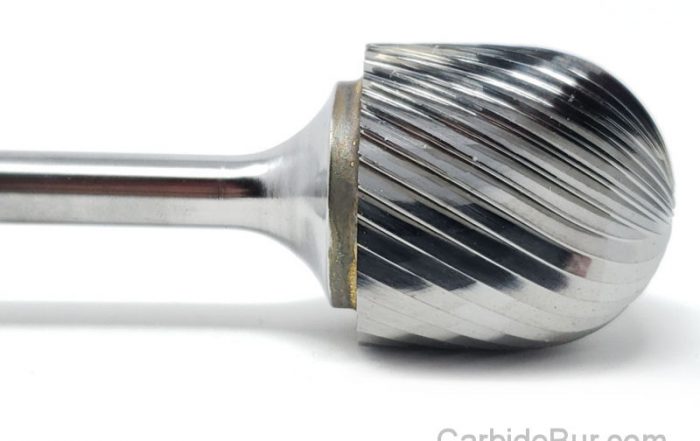
GE Aerospace’s $1 Billion Boost: A New Era for Precision Manufacturing in the U.S.
GE Aerospace's $1 Billion Boost: A New Era for Precision Manufacturing in the U.S. GE Aerospace’s $1 billion investment in U.S. manufacturing isn’t just another corporate headline. It signals a major shift in precision manufacturing [...]
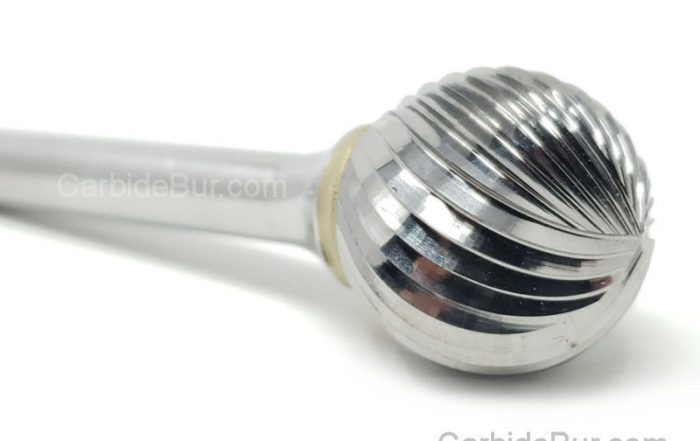
Precision Carving with Carbide Burrs: How to Get the Best Performance from Your Dremel
Precision Carving with Carbide Burrs: How to Get the Best Performance from Your Dremel Most people assume any carbide burr fits their Dremel without issue. The truth is, understanding the 1/8-inch shank size and speed [...]
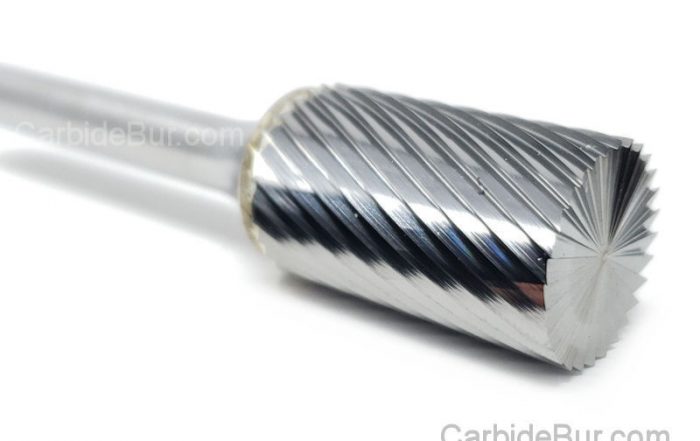
Unlocking the Secrets of Burr Shape Optimization for Aluminum
Unlocking the Secrets of Burr Shape Optimization for Aluminum Carbide burrs clogging during aluminum cutting can bring your project to a frustrating halt. You’ve seen how the soft, chip-forming nature of aluminum turns your tools [...]
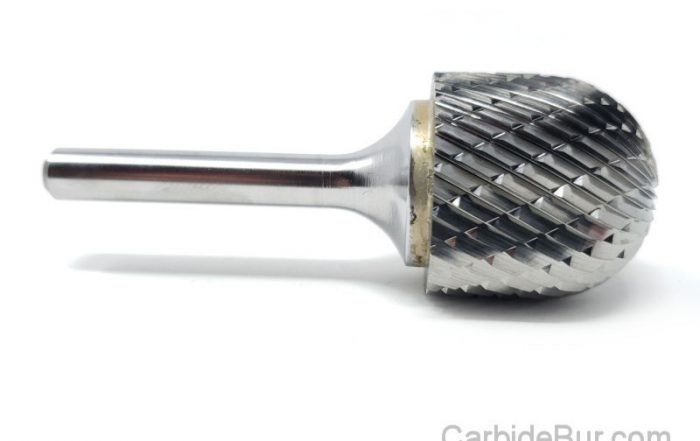
Enhance Your Metalworking Skills: Top Benefits of Long-Reach Carbide Burrs
Enhance Your Metalworking Skills: Top Benefits of Long-Reach Carbide Burrs Grinding tight spots often feels impossible with standard tools. You waste time twisting and turning, trying to reach every corner without scratching your work. Long-reach [...]
Comparing Electric and Pneumatic Die Grinders with Carbide Burrs
Power and Precision: Comparing Electric and Pneumatic Die Grinders with Carbide Burrs Choosing the right die grinder for your carbide burrs can feel like a maze. Electric die grinders promise power at your fingertips, while [...]
The Top Tools Driving the Future of Aerospace Machining
The Top Tools Driving the Future of Aerospace Machining The demand for aerospace machining has surged, pushing manufacturers to deliver high-precision metal parts faster than ever. Meeting tight standards while cutting lead times in aerospace [...]
Mastering Carbide Burrs for Enhanced Engine Performance
Beginner's Guide to Engine Porting: Mastering Carbide Burrs for Enhanced Engine Performance Most beginners think engine porting is just about grinding metal. The truth is, mastering carbide burrs can change how air moves through your [...]
Unveiling the Secrets of Burr Cutting Efficiency: Double-Cut or Single-Cut?
Unveiling the Secrets of Burr Cutting Efficiency: Double-Cut or Single-Cut? Most metalworkers hit a wall choosing between double-cut carbide burrs and single-cut carbide burrs. Picking the wrong one can slow your work or wear your [...]
How Specialized Carbide Burrs Are Revolutionizing Aluminum Fabrication for Cleaner Cuts
How Specialized Carbide Burrs Are Revolutionizing Aluminum Fabrication for Cleaner Cuts Most aluminum fabricators still wrestle with rough edges and extra cleanup after machining. Those extra steps cost you time and eat into your profits. [...]
U.S. Manufacturing Reshoring: The Role of Domestic Tool Suppliers in 2026
U.S. Manufacturing Reshoring: The Role of Domestic Tool Suppliers in 2026 U.S. manufacturing is shifting closer to home faster than many expected. By 2026, reshoring trends are reshaping how supply chains function, with domestic tool [...]
From Casting Flash to Weld Blending: Essential Techniques for 2026
From Casting Flash to Weld Blending: Essential Techniques for 2026 Forget the old ways of finishing parts in automotive production. As electric vehicles and autonomous vehicle production grow, the need for precise deburring processes and [...]