
How To Upgrade Your Engine’s Performance – The Importance Of Proper Cylinder Head Porting
Engine performance can significantly improve with the right modifications, and one of the most effective ways to achieve this is through proper cylinder head porting. By optimizing airflow and enhancing combustion efficiency, you can unlock your engine’s full potential, resulting in increased horsepower and torque. In this guide, you’ll discover the techniques and considerations involved in cylinder head porting, enabling you to make informed decisions and bring your engine to new heights of performance.
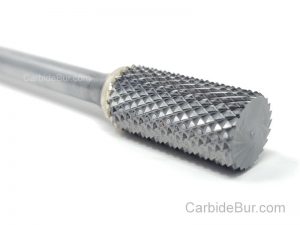
Find more carbide bur die grinder tool bits here
Unlocking the Potential: What Cylinder Head Porting Really Does
Cylinder head porting serves as a gateway to maximizing your engine’s potential, primarily by optimizing airflow. By reshaping and enlarging the intake and exhaust passages, you’re facilitating a smoother flow of the air-fuel mixture. This leads to a significant improvement in volumetric efficiency—meaning your engine can breathe better. As a result, when air enters the cylinder with reduced turbulence and increased velocity, it translates into cleaner combustion and enhanced power output. Performance modifications like porting can unlock a few extra horsepower, which could be precisely what you need to edge out competitors on the track or improve your daily driving experience.
Every engine operates on the principle of drawing in air, mixing it with fuel, and igniting the mixture to create power. Without optimal airflow, you’re limiting the amount of air-fuel mixture that enters your cylinders, hindering combustion efficiency. With effective porting, you enable the engine to achieve its maximum potential by balancing the intake and exhaust flow rates. Fine-tuning these aspects can lead to gains of 10-20% more horsepower, depending on your vehicle’s setup and how extensively you modify the cylinder heads.
The Mechanics of Airflow and Fuel Efficiency
In an internal combustion engine, establishing an effective balance between airflow and fuel efficiency is among the primary roles of the cylinder head. With a well-porting strategy, you can minimize pressure drops and maximize air volume intake during the combustion cycle. Each port is unique and tailored to meet specific performance goals; whether you’re striving for high-end power or improved torque at low RPMs, precision in your work matters immensely. Improved airflow dynamics reduce the risk of fuel puddling in the intake manifold, which enhances combustion and results in a more efficient burn.
A deeper understanding of airflow mechanics also illustrates how turbulence within the combustion chamber can negatively impact efficiency. With optimized port shapes and sizes, you can channel air into the cylinder smoothly, decreasing unwanted turbulence. Implementing these refined designs can prove beneficial, especially in high-performance applications where every little bit of efficiency counts. Ultimately, the right porting not only ensures you’re getting enough air but also helps keep the combustion chamber clean from excessive carbon build-up.
How Porting Affects Combustion Efficiency
Porting significantly enhances combustion efficiency through its impact on the air-fuel mixture dynamics within the cylinder. By allowing a better flow of air into the combustion chamber, you increase the chances of producing a more homogenous air-fuel mix, improving flame propagation and ensuring a more complete burn. This efficiency boost can often result in lower emissions and better fuel mileage since you’re extracting optimal performance from every drop of fuel consumed. As combustion improves, so does your engine’s ability to respond to throttle input, giving you that exhilarating feel of power on demand.
The advantages of proper porting extend beyond merely increasing horsepower. Porting can lead to smoother engine operation, reduced knocking, and the ability to run more aggressive ignition timing—all of which contribute to overall engine longevity and reliability. These benefits resonate particularly in high-performance scenarios, where the reliability of the power delivery becomes just as crucial as the raw numbers on paper. Ultimately, mastering the art of cylinder head porting transforms not just the performance metrics but enhances your entire driving experience, taking it to unprecedented heights.
The Art of Porting: Techniques and Tools
Choosing the Right Tools for the Job
Your choice of tools significantly influences the outcome of the porting process. A well-stocked toolbox should include high-speed rotary tools such as die grinders, carbide burrs, and sanding rolls tailored for metalwork. For more advanced techniques, consider investing in pneumatic tools for efficiency and precision. Additionally, a quality vacuum gauge can help you measure air flow changes more accurately. Each of these tools performs a unique role; for instance, carbide burrs are effective for removing material quickly, while sanding rolls enable you to shape and finish surfaces smoothly.
Don’t overlook the importance of ensuring your tools are in optimal condition. Dull or worn bits can lead to subpar results and potentially damage the cylinder head. It’s wise to keep a variety of different sizes and shapes on hand—some tasks require precision, while others call for aggressive material removal. Also, consider specialized tools such as porting templates or even flow benches to help guide the porting process and enhance your performance gains.
Find more carbide bur die grinder tool bits here
Step-by-Step Process for Effective Porting
The porting process begins with a thorough cleaning and inspection of the cylinder heads. Once cleaned, you can use a marker to outline areas that require porting, identifying both the intake and exhaust passages. This method serves as your roadmap throughout the procedure. Next, you’ll progressively remove material, starting with the rough shaping using larger burrs before transitioning to finer tools for finishing touches. Make sure to constantly check your progress; a flow gauge can provide invaluable feedback, ensuring you are moving towards a more optimal airflow rather than just focusing on aesthetics.
Your final step involves a careful inspection of the work you’ve done. Post-porting, perform tests to gauge airflow improvement, using a vacuum gauge to assess how effectively the modifications have positively influenced your engine’s performance. Scrupulous attention to detail during this final phase can make or break the overall result, so take your time to ensure that your efforts will maximize gains in power and efficiency.
Step-by-Step Process Breakdown
| Step | Description |
|---|---|
| 1. Cleaning | Thoroughly clean your cylinder heads to ensure no debris interferes with the porting process. |
| 2. Identification | Mark areas to port, including intake and exhaust passages. |
| 3. Material Removal | Begin with larger burrs for rough shaping, and switch to finer tools for smoothing. |
| 4. Flow Testing | Continuously check the airflow using a gauge to ensure you’re attaining your performance targets. |
| 5. Final Inspection | Carefully inspect and test your work, making adjustments as needed for optimal performance. |
This methodical approach ensures that you’re not just removing material randomly but are instead enhancing the airflow capabilities of your engine. Each step taken should be executed with patience, as rushing through can lead to irreversible mistakes. It’s advisable to document your process and any adjustments you make for future reference, creating a blueprint for your next venture into porting or enhancing other components of your engine.
Additional Details for Effective Porting
| Aspect | Description |
|---|---|
| Airflow Patterns | Understanding airflow patterns can help you determine the most beneficial modifications to be made. |
| Trial and Error | Don’t hesitate to experiment with different port shapes; what works for one engine may not work for another. |
| Safety Precautions | Always use protective gear like gloves and goggles to ensure safety while porting. |
| Consult Experts | When in doubt, seeking advice from professionals or literature on porting can provide critical insights. |
The Role of Engine Specifications in Porting Decisions
Engine specifications fundamentally guide the decisions made during the porting process, as each engine assembly has its own inherent characteristics, including bore dimensions, stroke length, and overall design intent. You might find that a stock engine designed for fuel efficiency requires different porting tactics compared to a high-performance racing engine. By understanding the specific airflow requirements and goals dictated by the manufacturer, you can better tailor your porting strategy. For example, an engine that relies heavily on turbocharging will benefit differently than a naturally aspirated engine, often necessitating a more aggressive port shape and size to maximize boost potential.
Matching Porting Techniques to Engine Type
Effective porting techniques should align with both the engine type and its intended use. A V8 engine meant for durability in heavy towing situations might require less aggressive porting to maintain torque across a broad RPM range, while a small-bore engine designed for high RPMs will benefit from a smoother, more polished port to minimize turbulence and maximize airflow efficiency. Techniques can range from unrestricting the ports to contouring them for optimal flow dynamics, all while keeping in mind the overall design and purpose of your engine.
Understanding Your Engine’s Performance Goals
Defining what you want to achieve with your engine’s porting is crucial. If your objectives revolve around achieving higher horsepower, perhaps you’re focusing on a complete airflow overhaul, while for enhanced low-end torque, the emphasis might be on reshaping the intake path for improved fuel mixing. Connecting the performance goals with the right porting strategy ensures that all modifications contribute positively to the overall output. Striking the right balance between airflow, velocity, and engine reactivity makes all the difference.
Each performance goal inherently influences the porting choices you will make. For instance, if your target is to excel in competitive racing applications, investing in CNC machining for precise surface finish and area might yield significant dividends. On the contrary, if you prioritize street readiness and daily drivability with adequate power gains, blending a bit of increased flow capability while retaining drivability becomes paramount. Solidifying your performance aspirations provides a roadmap that directs you in making the most efficient porting decisions for your engine’s specific requirements.
Common Pitfalls to Avoid When Porting
Misjudging the Amount of Material to Remove
One of the more critical mistakes you can make while porting is misjudging the amount of material to remove from the cylinder heads. This oversight can lead to several complications, including diminished performance and potential engine damage. If you remove too much material, you risk compromising the structural integrity of the head, which can lead to warp or cracks under high pressure and temperature. To counter this, it’s advisable to take a more conservative approach; cut a small amount, reassemble, and test the results before proceeding with further modifications. This iterative process ensures that your adjustments are effective without jeopardizing the engine’s health.
Utilizing digital measuring tools and flow benches can provide real-time feedback regarding airflow and port efficiency. These devices allow you to objectively assess whether you have removed the right amount of material. Incorporating software simulations of airflow dynamics can also reduce the risk of removing excessive material during your porting process.
Overlooking the Importance of Intake and Exhaust Matching
Neglecting to consider the importance of intake and exhaust matching can significantly impact your porting project. When the intake and exhaust systems are not in harmony, your engine’s ability to breathe efficiently is compromised, leading to subpar performance and decreased power output. Achieving a balance between the two systems allows for optimal airflow, enabling better combustion and maximizing horsepower. Choosing the right intake manifold and exhaust headers that complement each other and your ported cylinder heads will provide a seamless transition for airflow, which is vital for maximizing performance.
Ignoring the entire setup can lead to situations where you have improved your cylinder head ports but failed to optimize the rest of the intake/exhaust system. This mismatch can cause pressure differences, resulting in poor throttle response, reduced torque, and even engine stalling. For instance, a high-flow intake might outpace the exhaust system, creating back pressure that counteracts the gains made through porting. Ensuring that all components are synergized will help you take full advantage of the enhancements you’ve made to your cylinder heads while achieving the desired increase in engine performance.
Future-Proofing Performance: Regular Maintenance After Porting
Post-porting maintenance is vital to ensure your engine’s performance remains at its peak. Regular oil changes, along with periodic inspections of your valve train, can significantly extend the life of your cylinder heads. Keeping a close eye on oil quality and changing it every 3,000 to 5,000 miles, depending on your engine’s demands, prevents sludge buildup and engine wear. In addition, using high-quality oil filters can make a noticeable difference, as they better capture contaminants that could clog critical passages in your ported heads.
Your cooling system also plays a key role in overall engine management, particularly after porting. Maintaining optimal temperatures helps keep the performance gains you’ve achieved through porting. Regularly check your coolant levels and replace it according to your vehicle manufacturer’s recommendations. This ongoing care translates into better thermal efficiency and enhances both reliability and power output over the long haul.
Best Practices for Ongoing Engine Care
Implementing a routine maintenance schedule can elevate the lifespan and performance of your ported cylinder heads. This includes not just oil changes and coolant checks, but also monitoring the condition of your intake and exhaust systems. Ensure that hoses and gaskets are properly sealed and free from cracks or leaks. Replacing worn components helps maintain the efficiency of airflow to and from the engine, allowing the gains made through porting to be fully realized.
Incorporating high-quality fuels that are appropriate for your engine’s specifications is another best practice. Premium fuels with higher octane ratings can reduce knocking and improve combustion efficiency, which is especially important for modified engines. Over time, you will develop a sense of what works best for your configuration, allowing you to make informed choices about fuel and other consumables.
Signs Your Head Needs Porting Again
Performance issues are often the first indicators that your cylinder heads may need porting again. If you notice decreased power, poor throttle response, or increased fuel consumption, these symptoms could point to airflow restrictions in the heads that detract from your engine’s potential. Unusually high engine temperatures are another warning sign; if your engine is overheating, it could signal inadequate airflow, which might mean it’s time to revisit the porting process.
As performance vehicles age, air passageways can become constricted due to carbon buildup, affecting the efficiency of your modifications. A decline in the engine’s ability to maintain consistent RPMs and uneven power delivery could also suggest that your heads have deteriorated past optimal performance levels. Observing these signs and acting swiftly can restore the vitality of your engine and maintain its upgraded performance.
Conclusion
Summing up, upgrading your engine’s performance significantly hinges on the effective porting of your cylinder heads. As you navigate through the complex world of engine modifications, understanding how porting influences airflow and combustion efficiency becomes paramount. By optimizing these parameters, you will not only enhance your engine’s output but also achieve a more responsive driving experience. This process requires a keen eye for detail and a commitment to precision, ensuring that your engine operates at its full potential.
Additionally, consider that each vehicle and engine type may have unique requirements when it comes to porting. Tailoring your approach to your specific engine setup will yield the best results. Investing time and resources into proper cylinder head porting can lead to significant performance gains, allowing you to fully enjoy the benefits of improved horsepower and torque. By making informed decisions and focusing on high-quality modifications, you empower yourself to thrive in both everyday driving and high-performance scenarios.

Leave A Comment
You must be logged in to post a comment.