
How to Use Burr Bits for Flawless Machining and Crafting
In the world of machining and crafting, achieving a flawless finish is often the difference between a good project and a great one. Burr bits, essential tools for metalworkers, woodworkers, and hobbyists, play a pivotal role in this transformation by efficiently removing excess material and smoothing surfaces with precision. Available in a variety of shapes and sizes, these versatile machining tools are perfect for deburring, shaping materials, and refining your work to perfection. Whether you’re using a carbide burr set for intricate metalworking or die grinder bits carbide for detailed woodworking, mastering the use of these precision tools can significantly enhance the quality of your projects. In this guide, we will delve into the techniques and tips necessary to harness the full potential of burr bits, ensuring every piece you create meets the highest standards of craftsmanship. For more detailed insights, visit Sparky Abrasives.
Choosing the Right Burr Bits
Selecting the appropriate burr bit is critical for achieving the best results in your machining and crafting projects. Different tasks and materials require different types of burr bits to ensure efficiency and precision. This section will guide you through understanding burr bit types, selecting the right bits for specific tasks, and matching them to the materials you are working with.
Understanding Burr Bit Types
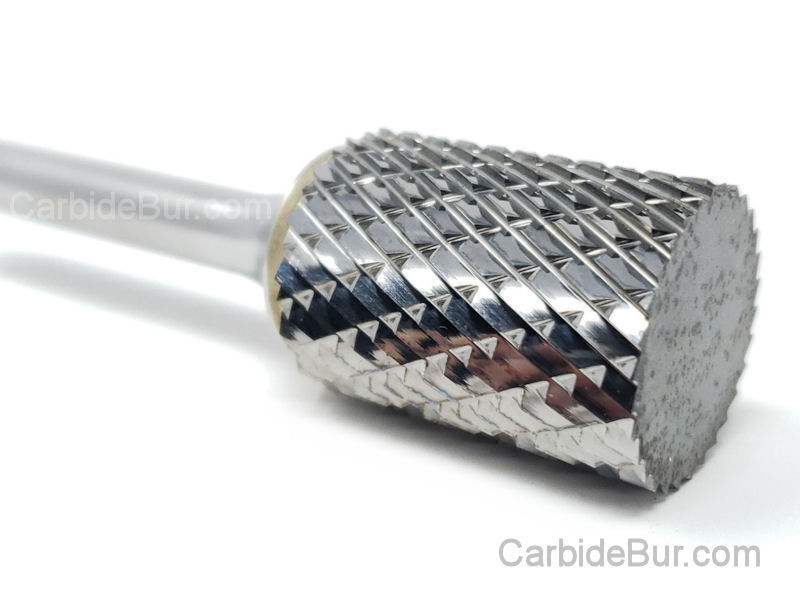
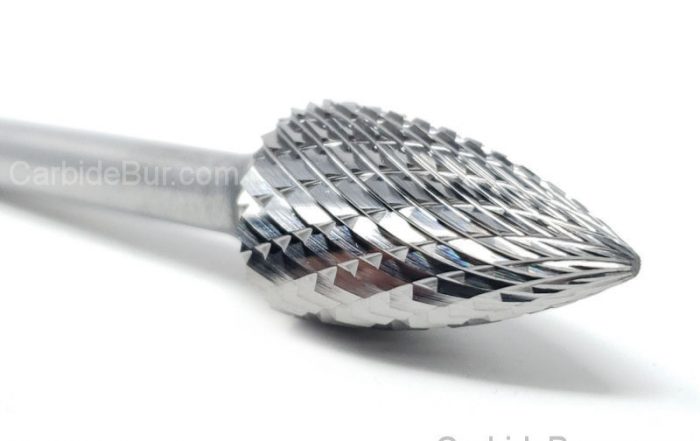
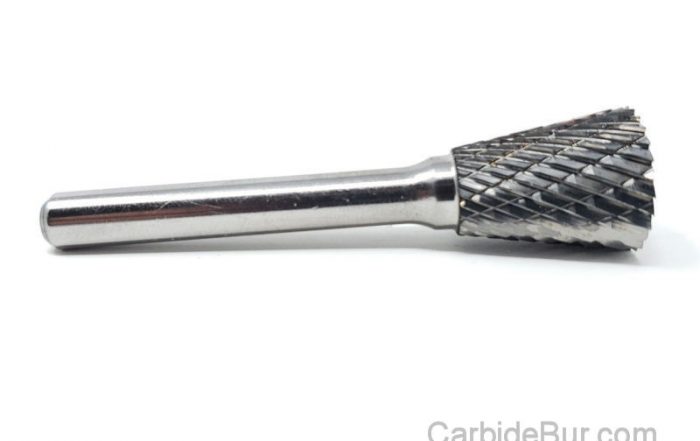
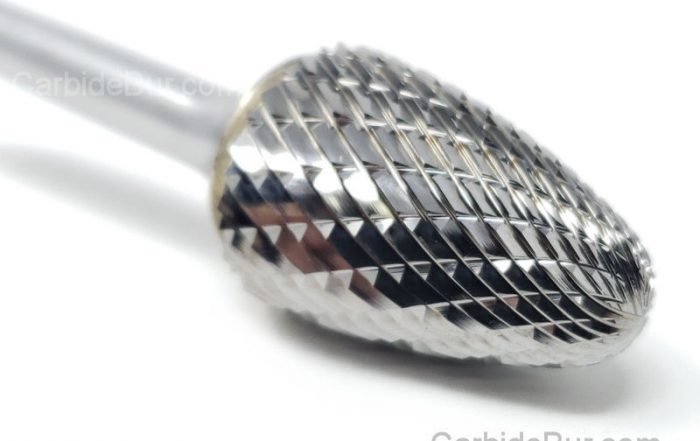
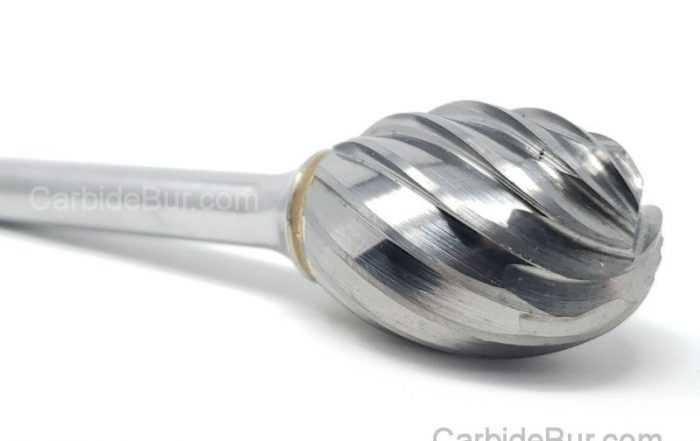
Burr bits come in various shapes and sizes, each tailored to specific applications. The most common types include cylindrical, ball-shaped, and cone-shaped bits. Each type serves a unique purpose, such as deburring, smoothing, or shaping materials.
-
Cylindrical Burrs: Ideal for flat surfaces and rounding edges.
-
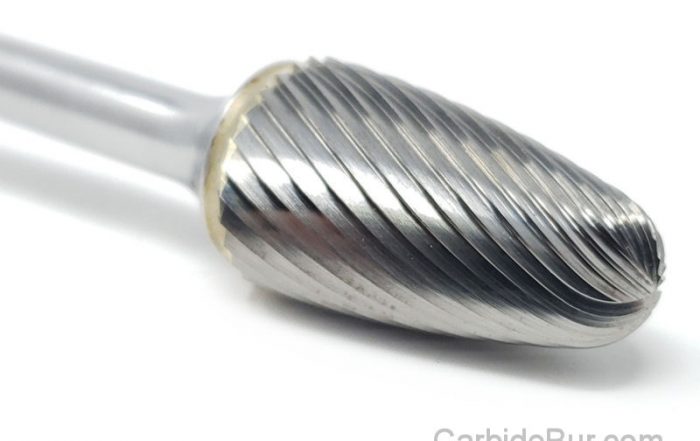
Ball-shaped Burrs: Excellent for making concave cuts and creating hollowed-out areas.
-
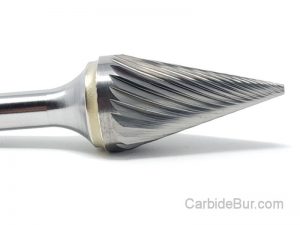
Cone-shaped Burrs: Suitable for detail work and fine engraving.
When choosing burr bits, consider the intricacy of your project and the precision required. For more detailed information on burr bit types, visit the Carbide Bur website.
Selecting Burr Bits for Specific Tasks
Selecting the right burr bit depends on the task at hand. For metalworking, carbide burr sets are often preferred due to their durability and precision. In contrast, woodworking might benefit from softer burr materials that provide smoother finishes.
-
Metalworking: Use carbide burr bits for cutting, shaping, and deburring metals.
-
Woodworking: Opt for burrs that offer a balance between speed and smoothness.
-
Crafting: Choose burrs that allow for detailed and intricate designs.
Each task comes with its own requirements, so it’s crucial to match the bit type to your specific needs. For more on selecting burr bits, check out this buying guide.
Matching Burr Bits to Materials
Matching burr bits to materials ensures optimal performance and longevity. Different materials, such as wood, metal, and plastic, require specific burr characteristics.
-
Wood: Requires burr bits that can handle varying densities without burning the material.
-
Metal: Needs hard-wearing burr bits like carbide burrs for effective material removal.
-
Plastic: Demands burr bits that cut cleanly without melting the material.
Understanding the material’s properties allows you to choose the right burr bit, enhancing both the quality and speed of your work. For more insights, explore this comprehensive guide.
Techniques for Flawless Machining
Mastering the techniques for using machining tools can elevate the quality of your projects. This section will provide insights into using these tools effectively, achieving precision in metalworking, and offering tips for deburring and shaping materials.
Effective Use of Machining Tools
Using machining tools effectively involves understanding the capabilities and limitations of each tool. It’s essential to choose the right tool for the job, whether it’s deburring, shaping, or creating intricate designs.
-
Select the Appropriate Tool: Match the tool to the material and task.
-
Adjust Speeds Appropriately: High speeds might be suitable for some materials, while others require slower approaches.
-
Maintain Tools Regularly: Regular cleaning and maintenance extend the life of your tools.
By following these steps, you can ensure the efficiency and accuracy of your machining processes. For a deeper dive into machining techniques, visit the Carbide Bur website.
Achieving Precision in Metalworking
Precision in metalworking depends on the careful selection and use of tools like carbide die grinder bits. Ensuring accuracy involves several considerations:
-
Tool Selection: Choose carbide die grinder bits for durability and precision.
-
Technique: Steady hands and careful control are crucial for achieving smooth finishes.
-
Environment: Ensure a clean and organized workspace to avoid errors.
By focusing on these aspects, you can achieve high precision in your metalworking projects. For additional metalworking tips, consult this informative article.
Tips for Deburring and Shaping
Deburring and shaping are essential processes for achieving a polished finish. These techniques help remove excess material and refine surfaces.
-
Use Appropriate Burrs: Choose burrs specifically designed for deburring tasks.
-
Apply Consistent Pressure: Maintain consistent pressure to avoid uneven surfaces.
-
Follow Material Grains: Work along the material’s natural lines for a smoother finish.
Following these tips will enhance the quality of your deburring and shaping efforts. For more shaping insights, explore this guide.
Crafting with Carbide Burr Bits
Crafting with carbide burr bits opens up a world of possibilities for creativity and precision. This section will explore how to use woodworking tools effectively, create intricate designs, and maintain your carbide burr set.
Utilizing Woodworking Tools
Woodworking requires the right tools to achieve the desired finish and detail. Carbide burr bits are invaluable for their precision and versatility.
-
Tool Selection: Use burr bits that suit the wood type and project scope.
-
Technique: Practice steady, even movements to ensure smooth cuts.
-
Safety: Always wear protective gear to prevent injury.
These tips will ensure your woodworking projects are both safe and successful. For more on woodworking with burrs, refer to this guide.
Creating Intricate Designs with Crafting Tools
Creating intricate designs is possible with the right crafting tools. Carbide burr bits allow for detailed work on various materials.
-
Design Planning: Sketch designs beforehand to guide your work.
-
Tool Precision: Choose burr bits that match the level of detail required.
-
Control: Use controlled movements to avoid mistakes and ensure precision.
By following these guidelines, you can create complex and beautiful designs. For crafting inspiration, check out this article.
Maintaining Your Carbide Burr Set
Proper maintenance of your carbide burr set ensures longevity and performance. Regular cleaning and inspection can prevent wear and tear.
-
Clean After Use: Remove debris to prevent damage.
-
Inspect Regularly: Check for wear to maintain efficiency.
-
Store Properly: Keep in a dry, safe place to prevent rust.
Maintaining your burr set enhances your tools’ lifespan and reliability. For more maintenance tips, visit Sparky Abrasives.
Best Carbide Burr for Enlarging a Hole in Metal
Best Carbide Burr for Enlarging a Hole in Metal When you need to enlarge a hole in metal, grabbing the wrong carbide burr can turn a simple task into a frustrating mess. Picking the best [...]
Carbide Burr Safety: 15 Mistakes That Can Cause Injury or Damage
Carbide Burr Safety: 15 Mistakes That Can Cause Injury or Damage Carbide burr safety is often overlooked until a costly mistake happens. Many metalworkers and DIYers make the same errors that lead to injuries or [...]
Can You Use a Carbide Burr in a Drill?
Can You Use a Carbide Burr in a Drill? Most people think a standard drill can’t handle a carbide burr, but that’s not true. Using carbide burr in the right drill can speed up your [...]
Carbide Burrs for Removing Rust: What Works Best?
Carbide Burrs for Removing Rust: What Works Best? Rust can turn your favorite tools into useless junk faster than you expect. Removing it without ruining the metal underneath takes more than just elbow grease—it demands [...]
How Much Pressure Should You Use With a Carbide Burr?
How Much Pressure Should You Use With a Carbide Burr? Most people think pressing harder with a carbide burr speeds up the job. That’s not true—too much pressure wears out your tool and ruins the [...]
Can You Use Carbide Burrs With an Air Die Grinder?
Can You Use Carbide Burrs With an Air Die Grinder? Most people don’t realize how well carbide burrs work with air die grinders until they try them. If you’ve ever struggled with finding the right [...]
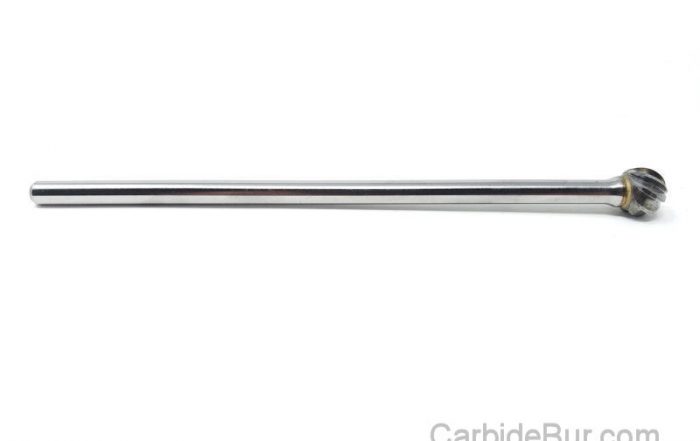
Best Long Reach Carbide Burr for Deep Metal Work
Best Long Reach Carbide Burr for Deep Metal Work Long reach carbide burrs often promise deep metal access, but many fall short where it counts most. You need a tool that cuts cleanly, lasts through [...]
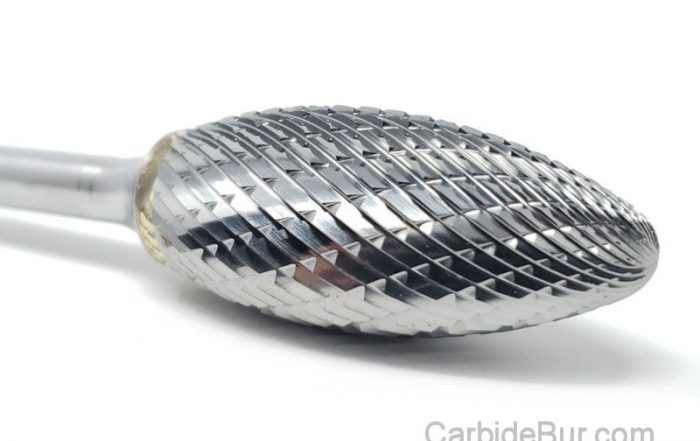
What RPM Should You Use for a 1/8 Inch Carbide Burr?
What RPM Should You Use for a 1/8 Inch Carbide Burr? Most people guess the right carbide burr RPM by feel—and waste hours redoing work. If you want cleaner cuts and longer tool life, your [...]
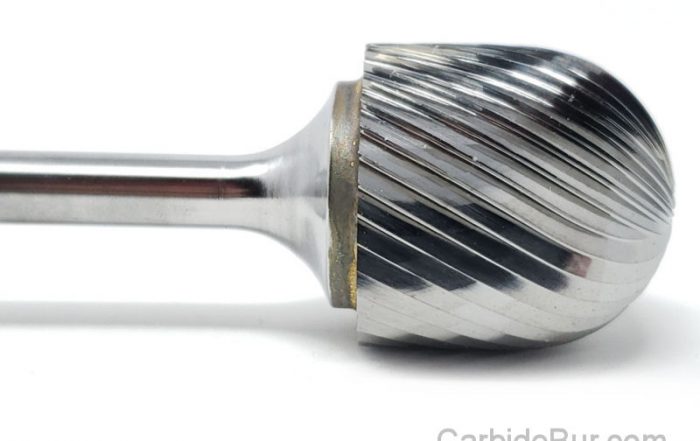
Carbide Burrs for Tight Spaces: Choosing the Right Shape
Carbide Burrs for Tight Spaces: Choosing the Right Shape Tackling tight spaces with the wrong carbide burrs wastes time and risks damaging your work. Choosing the right burr shape makes all the difference when working [...]
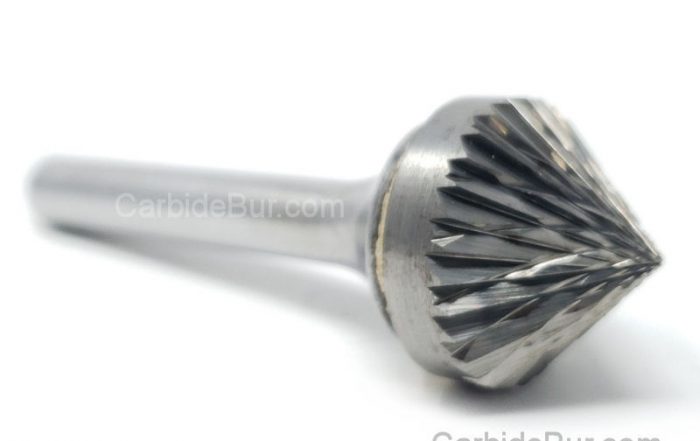
Can Carbide Burrs Remove Paint From Metal?
Can Carbide Burrs Remove Paint From Metal? Stripping paint from metal often feels like a tough chore that risks damaging the surface underneath. Many turn to carbide burrs hoping they can speed things up without [...]
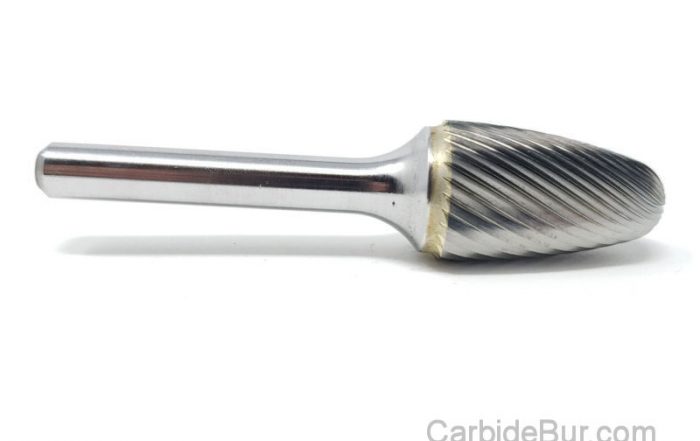
How to Grind a Groove in Metal With a Carbide Burr
How to Grind a Groove in Metal With a Carbide Burr Most metalworkers struggle to cut clean grooves without wasting time or ruining their workpiece. Many try different metalworking tools but end up with uneven [...]
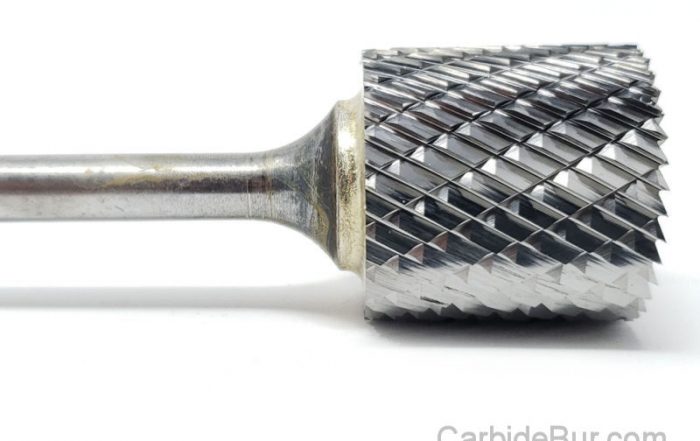
Can Carbide Burrs Cut Through Welds?
Can Carbide Burrs Cut Through Welds? Cutting through welds can feel like a battle, especially when you need clean results without harming the base metal. Carbide burrs offer a sharp edge in this fight, but [...]
