
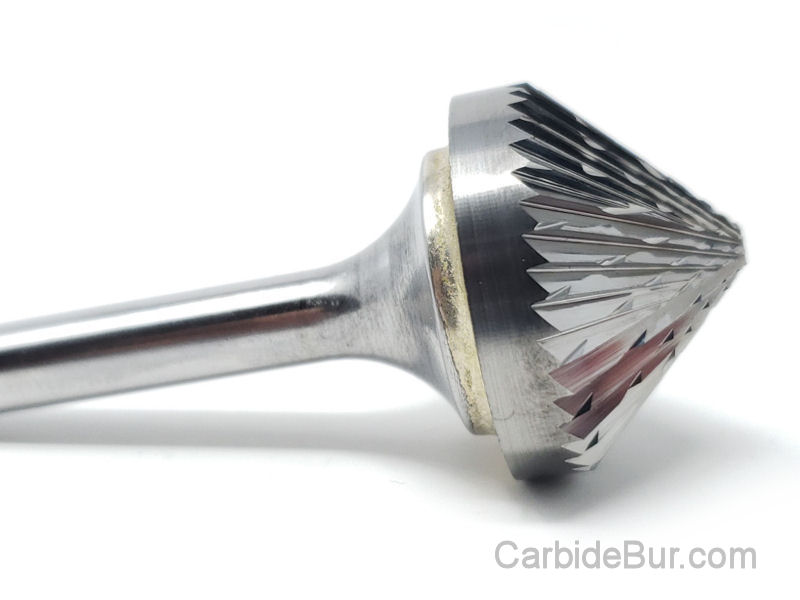
How Tungsten Carbide Rotary Burrs Enhance Machining Efficiency
In the world of metalworking, the right tools can make all the difference in achieving precision and efficiency. Tungsten carbide rotary burrs stand out as essential metalworking tools, renowned for their remarkable durability and versatility. These burrs are indispensable in a variety of machining tasks, designed to enhance machining efficiency by effortlessly cutting through tough materials. With a range of burr shapes and sizes available, selecting the appropriate one can significantly influence the outcome of a project. Join us as we delve into best practices for choosing and utilizing these powerful tools to optimize your metalworking endeavors.

Understanding Tungsten Carbide Burrs
Tungsten carbide burrs are indispensable tools in metalworking, known for their ability to shape, deburr, and cut various tough materials. Their unique properties make them a valuable asset in any workshop.
What Are Tungsten Carbide Burrs?
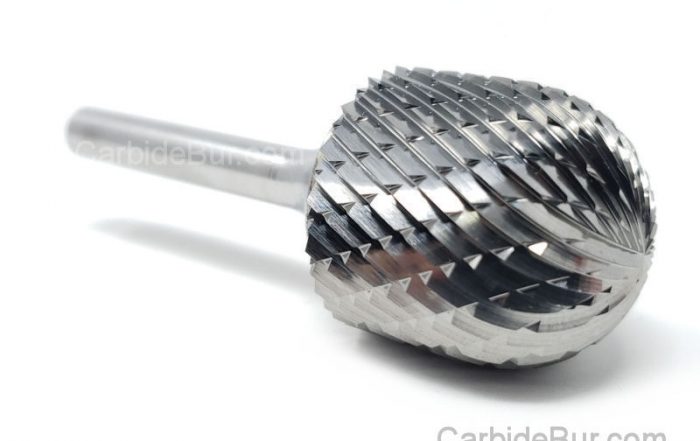
Tungsten carbide burrs are rotary cutting tools used for grinding, shaping, and removing material from hard materials like metals and ceramics. These burrs are typically mounted on die grinders, which are used extensively in metalworking industries.
Tungsten carbide, an alloy of tungsten and carbon, provides these burrs with impressive hardness and resistance to wear. As a result, they can withstand high-speed operations and maintain their cutting edge longer than other materials.
Additionally, tungsten carbide burrs come in various shapes and sizes, each designed for specific tasks. According to Carbide Burr, their versatility allows them to be used in everything from fine detailing to extensive material removal.
Key Benefits of Tungsten Carbide Burrs
The key benefits of tungsten carbide burrs include their durability, efficiency, and versatility. They are designed to last longer than ordinary burrs, thanks to their robust composition.
Their efficiency in cutting through hard materials with precision enhances productivity by reducing the number of passes needed. This efficiency is echoed by Soobill, which highlights how these burrs are ideal for high-speed applications.
Moreover, tungsten carbide burrs can be used across various industries, from automotive to aerospace, making them a versatile choice for professionals and hobbyists alike. Such versatility ensures that they can handle various tasks without needing frequent tool changes.
Applications in Metalworking
Tungsten carbide burrs excel in diverse metalworking applications. They are often used for deburring, shaping, and grinding hard metals, contributing to precision in manufacturing processes.
In the automotive industry, these burrs are used for porting cylinder heads and smoothing welds. Moreover, in the aerospace sector, they’re essential for maintaining the integrity of metal components.
Additionally, tungsten carbide burrs are commonly employed in DIY projects, where metalworkers appreciate their ease of use and efficacy. Dental Bur notes their importance in dental tool manufacturing as well.
Enhancing Machining Efficiency
Machining efficiency is crucial in metalworking, and tungsten carbide burrs play a pivotal role in achieving this. Their durability and versatility directly contribute to increased productivity.
Durability and Long-Lasting Performance
The durability of tungsten carbide burrs ensures they provide long-lasting performance. Their composition allows them to resist wear and tear, even under rigorous use.
This durability is particularly beneficial in high-speed machining environments where tool longevity is crucial. Carbide Burr highlights how these burrs maintain their cutting edge longer, reducing the frequency of replacements.
Such longevity not only saves costs but also minimizes downtime associated with tool changes, thus enhancing overall machining efficiency.
Versatility Across Different Tasks
The versatility of tungsten carbide burrs makes them suitable for a wide range of tasks. From cutting and shaping to deburring and smoothing, they offer solutions for various machining needs.
Their adaptability is evident in their ability to work on different materials, including stainless steel, cast iron, and wood. This versatility is emphasized by Soobill, which underscores their utility in diverse applications.
Ultimately, this flexibility leads to increased productivity, as workers can accomplish multiple tasks with a single tool.
Boosting Productivity in the Workshop
Using tungsten carbide burrs can boost productivity in the workshop by streamlining processes and reducing the time spent on individual tasks. Their sharpness and precision allow for quicker material removal and smoother finishes.
This increased efficiency ensures that projects are completed faster without compromising on quality. Workshops that integrate these burrs into their processes often experience a noticeable improvement in workflow.
By reducing tool changeovers and enhancing cutting capabilities, tungsten carbide burrs help achieve significant time and cost savings.
Exploring Burr Shapes and Sizes
The shape and size of tungsten carbide burrs are critical factors that influence their effectiveness. Understanding these aspects helps in selecting the right tool for the task at hand.
Common Burr Shapes Explained
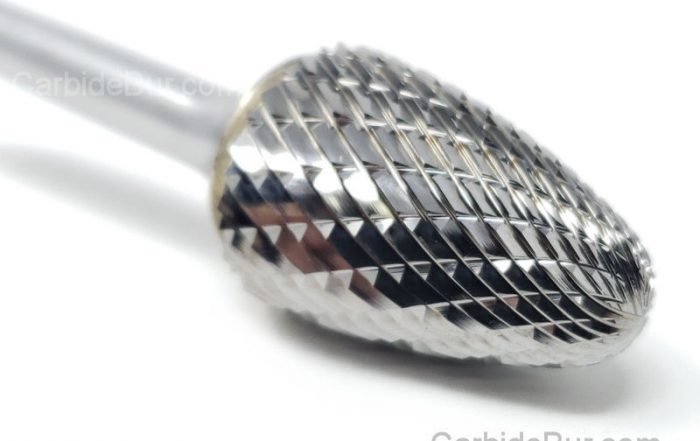
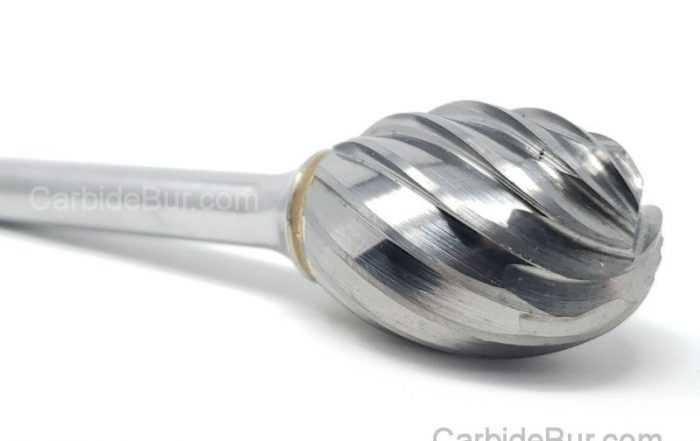
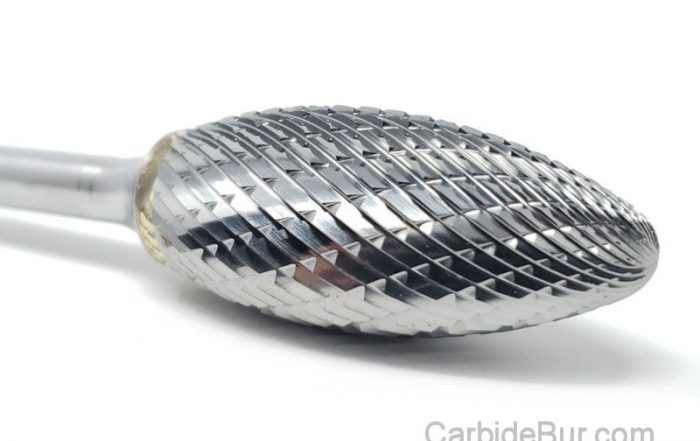
Common burr shapes include cylindrical, ball, oval, flame, and tree-pointed designs. Each shape serves a specific purpose, providing optimal results for different tasks.
For instance, cylindrical burrs are ideal for surface leveling, while ball-shaped burrs excel in creating concave cuts. Dental Bur provides detailed insights into how each shape functions, aiding in precise tool selection.
Choosing the correct shape is crucial for achieving desired outcomes efficiently, especially in specialized applications.
Selecting the Right Size for Your Needs
When it comes to size, selecting the appropriate tungsten carbide burr is essential for optimizing performance. The size determines the precision and extent of the material removal.
Smaller burrs are suitable for detailed work and intricate patterns, while larger burrs are used for more aggressive material removal. Soobill notes that size impacts the control and finish quality achieved during machining.
Understanding the requirements of a project is key to choosing the right burr size, ensuring efficiency and precision.
Tailoring Burrs for Specific Projects
Tailoring burrs to specific projects involves considering both shape and size to meet the demands of the task. This customization allows for optimal performance and improved results.
For example, projects requiring detailed engravings may benefit from small, pointed burrs, while larger, cylindrical burrs are preferable for smoothing welds.
By aligning the burr selection with project goals, metalworkers can achieve higher quality outcomes and enhance machining efficiency.
Best Practices for Using Burrs
Implementing best practices when using tungsten carbide burrs ensures safety, efficiency, and longevity. Proper handling, maintenance, and troubleshooting are essential components of effective use.
Proper Handling and Safety Tips
Proper handling of tungsten carbide burrs is crucial for safe and efficient operation. Following safety guidelines not only protects the user but also extends the tool’s life.
-
Always wear protective eyewear and gloves.
-
Ensure burrs are securely mounted on the grinder.
-
Avoid excessive pressure to prevent tool damage.
These precautions, as highlighted by Carbide Burr, are vital for maintaining a safe working environment.
Maintenance for Longevity
Maintaining tungsten carbide burrs is key to ensuring their longevity. Regular cleaning and inspection prevent buildup and detect wear early.
-
Clean burrs with a wire brush after use.
-
Check for signs of wear or damage.
-
Store in a dry place to prevent corrosion.
These simple maintenance steps, recommended by Dental Bur, help maintain burr efficiency and extend their lifespan.
Troubleshooting Common Issues
Understanding how to troubleshoot common issues with tungsten carbide burrs can minimize downtime and maintain productivity.
-
If burrs become dull, consider re-sharpening or replacing them.
-
Address any unusual vibrations by checking the tool’s mounting.
-
Ensure proper speed settings to avoid overheating.
By identifying and resolving these common problems, users can ensure consistent performance and safety in their operations.
Choosing the Right Burrs for Your Work
Selecting the right tungsten carbide burrs involves considering several factors to ensure they meet the specific needs of your projects.
Factors to Consider When Buying
When purchasing tungsten carbide burrs, it’s essential to consider factors such as material compatibility, size, and shape.
Material compatibility ensures the burr can effectively handle the intended workpiece. Additionally, the size and shape should align with project requirements for optimal results.
According to Soobill, considering these factors prevents unnecessary wear and maximizes efficiency.
Comparing Brands and Models
Comparing different brands and models of tungsten carbide burrs can help identify the best option for specific needs.
-
Evaluate durability and user reviews.
-
Consider the range of available shapes and sizes.
-
Assess cost versus performance.
This comparison enables informed decisions, ensuring that the chosen burr offers the best value and functionality for the task.
Cost-Effectiveness and Value
Assessing the cost-effectiveness and value of tungsten carbide burrs involves looking at their price relative to their performance and longevity.
While some burrs may have a higher initial cost, their extended lifespan and efficiency can offer better value over time.
By investing in quality burrs, workshops can enhance productivity and reduce long-term expenses, as emphasized by Carbide Burr.
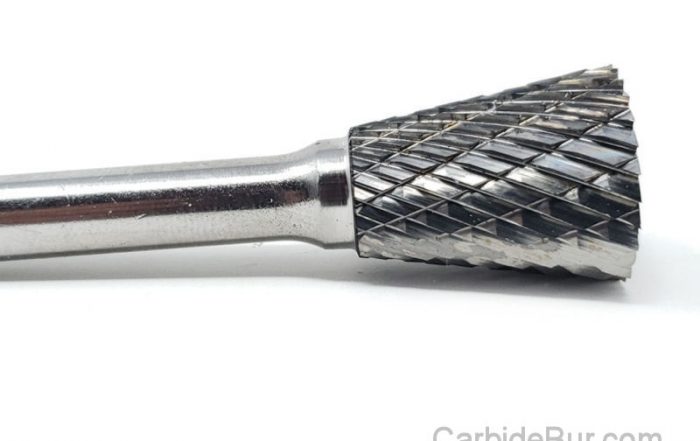
Carbide Burr Safety: 15 Mistakes That Can Cause Injury or Damage
Carbide Burr Safety: 15 Mistakes That Can Cause Injury or Damage Carbide burr safety is often overlooked until a costly mistake happens. Many metalworkers and DIYers make the same errors that lead to injuries or [...]
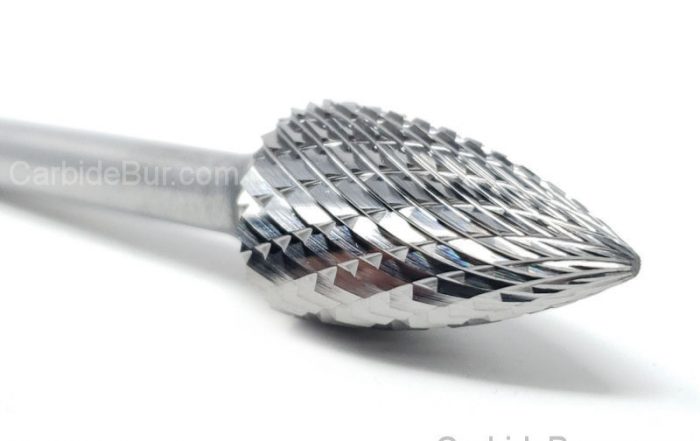
Can You Use a Carbide Burr in a Drill?
Can You Use a Carbide Burr in a Drill? Most people think a standard drill can’t handle a carbide burr, but that’s not true. Using carbide burr in the right drill can speed up your [...]
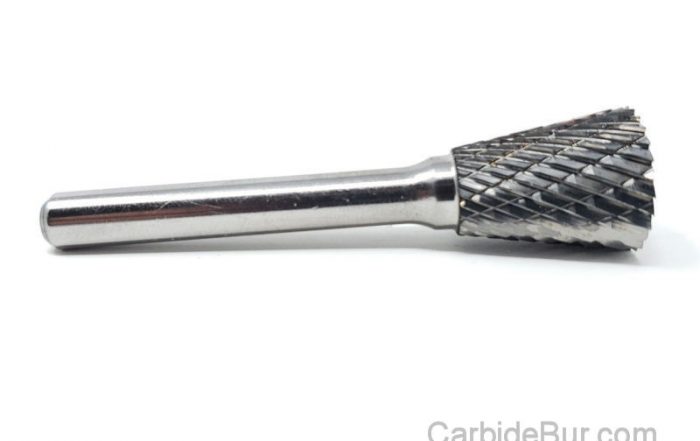
Carbide Burrs for Removing Rust: What Works Best?
Carbide Burrs for Removing Rust: What Works Best? Rust can turn your favorite tools into useless junk faster than you expect. Removing it without ruining the metal underneath takes more than just elbow grease—it demands [...]
How Much Pressure Should You Use With a Carbide Burr?
How Much Pressure Should You Use With a Carbide Burr? Most people think pressing harder with a carbide burr speeds up the job. That’s not true—too much pressure wears out your tool and ruins the [...]
Can You Use Carbide Burrs With an Air Die Grinder?
Can You Use Carbide Burrs With an Air Die Grinder? Most people don’t realize how well carbide burrs work with air die grinders until they try them. If you’ve ever struggled with finding the right [...]
Best Long Reach Carbide Burr for Deep Metal Work
Best Long Reach Carbide Burr for Deep Metal Work Long reach carbide burrs often promise deep metal access, but many fall short where it counts most. You need a tool that cuts cleanly, lasts through [...]
What RPM Should You Use for a 1/8 Inch Carbide Burr?
What RPM Should You Use for a 1/8 Inch Carbide Burr? Most people guess the right carbide burr RPM by feel—and waste hours redoing work. If you want cleaner cuts and longer tool life, your [...]
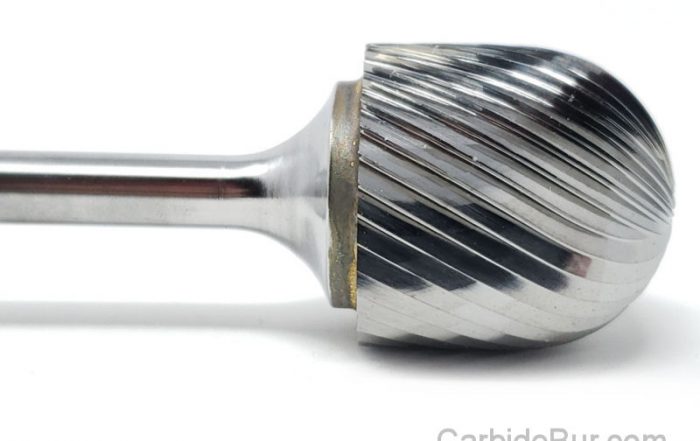
Carbide Burrs for Tight Spaces: Choosing the Right Shape
Carbide Burrs for Tight Spaces: Choosing the Right Shape Tackling tight spaces with the wrong carbide burrs wastes time and risks damaging your work. Choosing the right burr shape makes all the difference when working [...]
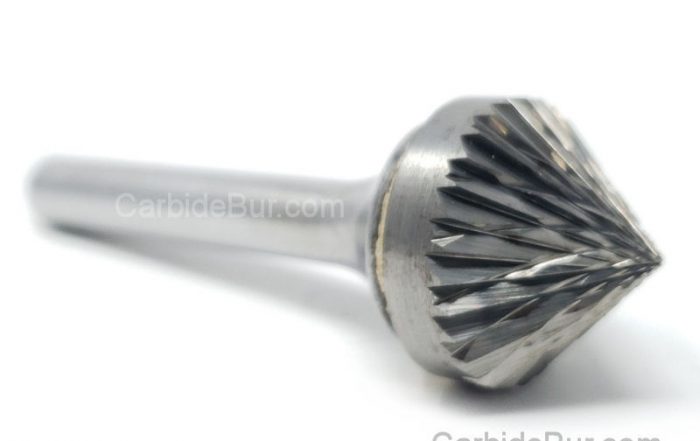
Can Carbide Burrs Remove Paint From Metal?
Can Carbide Burrs Remove Paint From Metal? Stripping paint from metal often feels like a tough chore that risks damaging the surface underneath. Many turn to carbide burrs hoping they can speed things up without [...]
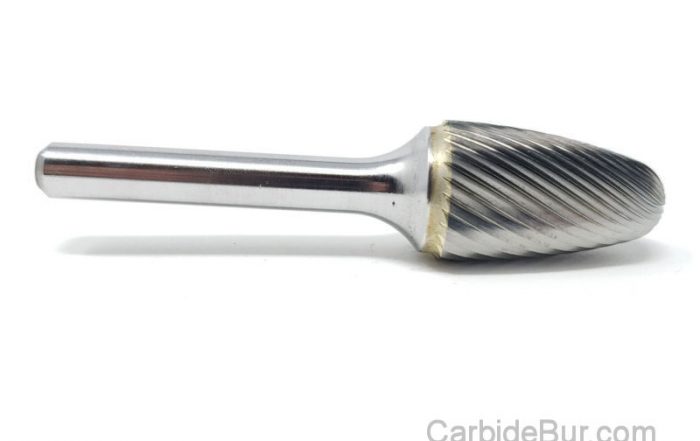
How to Grind a Groove in Metal With a Carbide Burr
How to Grind a Groove in Metal With a Carbide Burr Most metalworkers struggle to cut clean grooves without wasting time or ruining their workpiece. Many try different metalworking tools but end up with uneven [...]
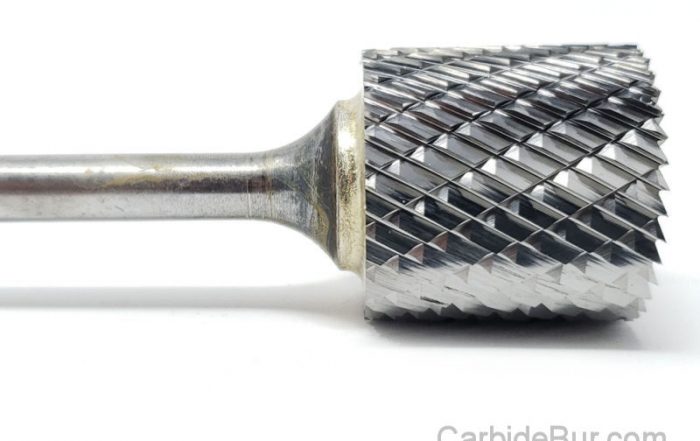
Can Carbide Burrs Cut Through Welds?
Can Carbide Burrs Cut Through Welds? Cutting through welds can feel like a battle, especially when you need clean results without harming the base metal. Carbide burrs offer a sharp edge in this fight, but [...]
How to Use a Carbide Burr With a Die Grinder
How to Use a Carbide Burr With a Die Grinder Most people treat a carbide burr like just another tool, but using it with a die grinder takes skill. If you’ve struggled with burr installation [...]
