
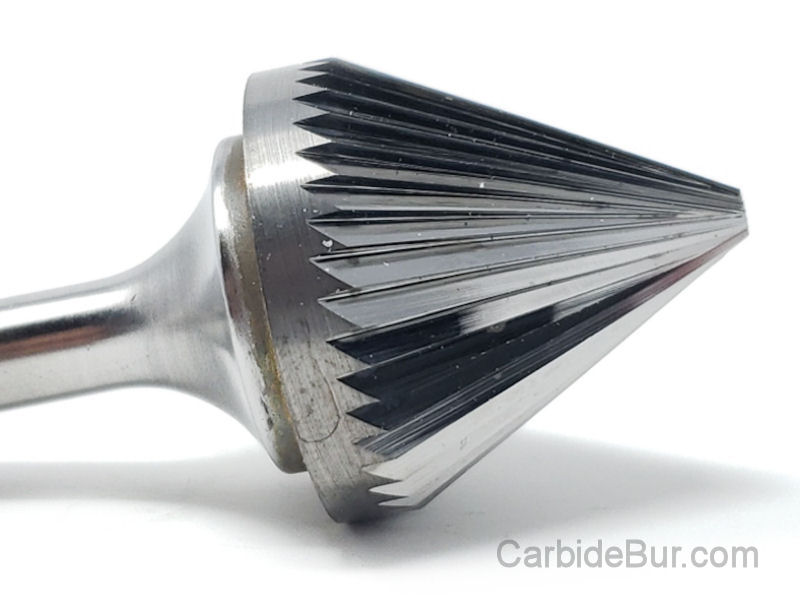
Leveraging Carbide Bur Welding for Unique Design Opportunities
In the ever-evolving world of engineering and design, the anomalous properties of carbide bur welding are opening new doors for innovation. With its remarkable ability to bond dissimilar materials and exceptional thermal resistance, this technique offers a wealth of design opportunities that challenge conventional boundaries. Engineers and designers are now able to experiment with novel shapes and materials, creating products that boast enhanced functional performance and redefine traditional design paradigms. This exploration of carbide bur welding not only fuels the imagination but also drives the development of groundbreaking solutions across various industries. Join us as we delve into the transformative potential of this cutting-edge welding process and its impact on the future of design. Learn more about carbide bur welding here.
Understanding Carbide Bur Welding
Carbide bur welding is a process valued for its unique properties, offering engineers and designers unprecedented opportunities. By understanding its anomalous characteristics, professionals can harness the potential of this technique to create innovative solutions that defy conventional expectations.
Anomalous Properties of Welding
The anomalous properties of carbide bur welding make it stand out in the field of materials engineering. These properties include exceptional thermal resistance and the ability to join dissimilar materials. This welding process facilitates the creation of complex structures that were previously unimaginable.
-
Enhanced Thermal Resistance: This property ensures that welded structures can withstand high temperatures without deteriorating.
-
Material Compatibility: By bonding different materials, designers can achieve unique structural characteristics.
According to a study on ScienceDirect, these properties are pivotal in advancing modern design.
Such unique characteristics open doors for practical applications across various industries, leading to products that are not only functional but also aesthetically pleasing.
Bonding Dissimilar Materials
The ability to bond dissimilar materials is a defining feature of carbide bur welding. This capability enables the fusion of metals and non-metals, providing opportunities for innovative design options.
Engineers can use this method to create products with distinct functional and aesthetic properties. For instance, bonding lightweight metals with stronger materials can produce components that are both durable and easy to handle.
-
Material Versatility: Combines the strengths of different materials for superior performance.
-
Cost Efficiency: Reduces the need for additional materials and processes by enabling direct bonding.
The Performance and Control guide highlights how this method enhances design flexibility, allowing for creativity and efficiency.
This ability to merge different materials seamlessly is a game-changer in fields like automotive and aerospace, where material properties are critical.
Superior Thermal Resistance
Carbide bur welding boasts superior thermal resistance, an essential property for applications exposed to high temperatures. This resistance ensures both the weld and the materials maintain integrity under stress.
-
Durability: Products can endure extreme conditions without compromising structural integrity.
-
Performance: Enhances the longevity and reliability of welded components.
Research highlights that this property is crucial for industries such as manufacturing and construction, where durability is key.
Such resistance opens up new possibilities for designing products that must operate under extreme conditions, leading to innovations in several high-stakes industries.
Innovative Design Opportunities
Carbide bur welding not only solves existing design challenges but also inspires new possibilities. By leveraging its properties, engineers can experiment with unconventional shapes, unlock new functional performance, and push the boundaries of traditional design paradigms.
Experimenting with Unconventional Shapes
With carbide bur welding, engineers can experiment with unconventional shapes that were previously difficult to achieve. This flexibility allows for the creation of intricate designs that enhance both function and form.
Designers can explore new avenues in product development by using welding techniques that allow for precise and complex shapes. This ability is particularly valuable in the aerospace and medical device industries, where precision is paramount.
-
Enhanced Creativity: Encourages innovative design approaches.
-
Functional Aesthetics: Combines visual appeal with practical utility.
The Carbide Burr website offers insights into how these shapes can be achieved using advanced welding techniques, fostering creativity in design.
Such experimentation can lead to groundbreaking products that redefine industry standards.
Unlocking New Functional Performance
Carbide bur welding offers the potential to unlock new levels of functional performance in products. By enhancing material properties, products can achieve greater efficiency and reliability.
-
Performance Optimization: Refines product capabilities for better results.
-
Cost-Effective Solutions: Reduces the need for additional enhancements, saving resources.
This method is particularly beneficial in industries like electronics, where performance is a critical factor.
Implementing these welding techniques can result in products that exceed current performance benchmarks, offering competitive advantages.
Pushing Traditional Design Boundaries
The integration of carbide bur welding in design processes pushes the boundaries of traditional design, enabling engineers to rethink and reshape conventional approaches.
By adopting this innovative welding technique, designers can overcome previously thought-impossible challenges, setting new standards in product development.
-
Revolutionary Designs: Facilitates the creation of novel products.
-
Sustainability: Encourages environmentally friendly methods by reducing waste and material usage.
As highlighted in various studies, this shift not only drives technological advancements but also supports sustainable practices in manufacturing.
Such progress allows for a future where design is not limited by existing technologies, fostering continuous innovation.
Find more carbide bur die grinder tool bits here
Port Matching Techniques for Automotive Enthusiasts
Mastering Carbide Burs: Port Matching Techniques for Automotive Enthusiasts Most engine porting guides leave out the real secrets to using carbide burs right. If you’ve wasted time guessing the right RPM or picked the wrong [...]
Top 5 Carbide Burr Mistakes Beginners Make and How to Avoid Them
Top 5 Carbide Burr Mistakes Beginners Make and How to Avoid Them Most beginners make the same costly carbide burr mistakes without even realizing it. If you’ve struggled with rough finishes or broken bits, you’re [...]
The Expert’s Guide to Chamfering and Edge Breaking with Carbide Burrs
The Expert's Guide to Chamfering and Edge Breaking with Carbide Burrs Most metal shaping tools only scratch the surface. If your edges still feel rough or your welds aren’t smooth, you’re missing a key step. [...]
The Ultimate Guide to Using Carbide Burrs on Aluminum Without a Hitch
The Ultimate Guide to Using Carbide Burrs on Aluminum Without a Hitch Clogged carbide burrs can turn your aluminum machining project into a frustrating mess fast. You’ve probably wasted hours scraping off gunk instead of [...]
Your Go-To Welding Tools for Fast and Effective Cleaning
Carbide Burrs: Your Go-To Welding Tools for Fast and Effective Cleaning Welding cleanups often drag on longer than they should, costing you time and precision. If you’re tired of scrubbing weld spatter that just won’t [...]
Practical Burr Maintenance Tips for Cost-Savvy Machinists
Practical Burr Maintenance Tips for Cost-Savvy Machinists Most machinists replace carbide burrs too late or too soon, wasting both time and money. Your tools wear down faster when you miss the signs to replace carbide [...]
Jewelry Making and Engraving Techniques Using Carbide Burs
Jewelry Making and Engraving Techniques Using Carbide Burs Carbide burs aren’t just for rough cuts or quick fixes—you’re missing out if you think that’s all they do. These small tools can add precision and detail [...]
How to Choose Between Single Cut and Double Cut Carbide Burrs
Master Your Projects: How to Choose Between Single Cut and Double Cut Carbide Burrs Picking the wrong carbide burr can turn a simple project into a frustrating mess. You’ve got single cut burrs and double [...]
Achieve Precision with the Right Carbide Burr Usage and RPM
Achieve Precision with the Right Carbide Burr Usage and RPM Most people run carbide burrs way too fast or too slow without realizing it. That’s costing you time, tool life, and the smooth finish you [...]
Why Carbide Burrs Outshine Grinding Wheels in Woodworking and Metalworking
Why Carbide Burrs Outshine Grinding Wheels in Woodworking and Metalworking Grinding wheels have long been the go-to for shaping metal and wood, but they often fall short when precision work is on the line. If [...]
Choosing the Best Burr Shapes and Tools for Flawless Metalworking
Choosing the Best Burr Shapes and Tools for Flawless Metalworking Removing burrs can feel like walking a tightrope—one wrong move, and your parts get damaged. If you want clean edges without the risk, mastering deburring [...]
Essential Metalworking Tips for Aluminum
Keep Your Carbide Burrs Running Smooth: Essential Metalworking Tips for Aluminum Clogged carbide burrs slow down your aluminum machining and wreck your finish. You’ve probably tried pushing harder or changing speeds, only to see the [...]

Leave A Comment
You must be logged in to post a comment.