
Carbide Burs Demystified: Your First Steps in Automotive Cylinder Head Porting
If you’ve ever revved a car engine and dreamed of boosting its power, you might be intrigued by the art of cylinder head porting. This beginner’s guide will walk you through the essentials of using carbide burs, the key tool for enhancing airflow in automotive engines. Whether you’re a car enthusiast looking to increase horsepower or simply curious about how to port a cylinder head, understanding the basics can open up a world of automotive performance possibilities. With the right porting tools and a passion for cars, even newcomers can make significant improvements to their engine’s efficiency. Let’s explore the exciting path of cylinder head porting and transform your engine’s potential.
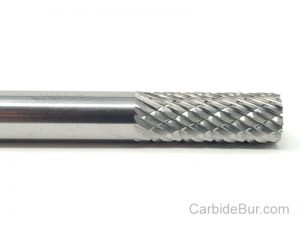
Check out all our USA made carbide bur cutting tools here
Introduction to Cylinder Head Porting
Cylinder head porting is a technique used to improve the airflow in an engine, leading to enhanced performance. This section introduces the fundamental concepts and the primary tools used in the porting process.
Understanding Cylinder Head Porting
Cylinder head porting involves modifying the intake and exhaust ports of an engine to improve the flow of air and fuel. Better airflow means better combustion, which can increase power and efficiency.
Porting requires precision and understanding of engine dynamics. It can be as simple as smoothing rough surfaces or as complex as reshaping ports for optimal flow.
Beginners should start with a basic understanding of how air moves through an engine. Observing other enthusiasts’ experiences can be insightful. For example, this Reddit thread shares a user’s first-hand experience with porting.
Why Use Carbide Burs?
Carbide burs are essential tools in porting due to their durability and effectiveness. Carbide is a robust material that maintains sharpness, allowing for precise cuts.
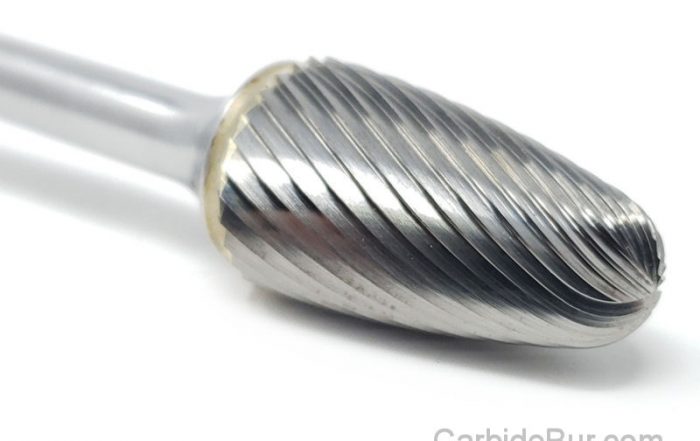
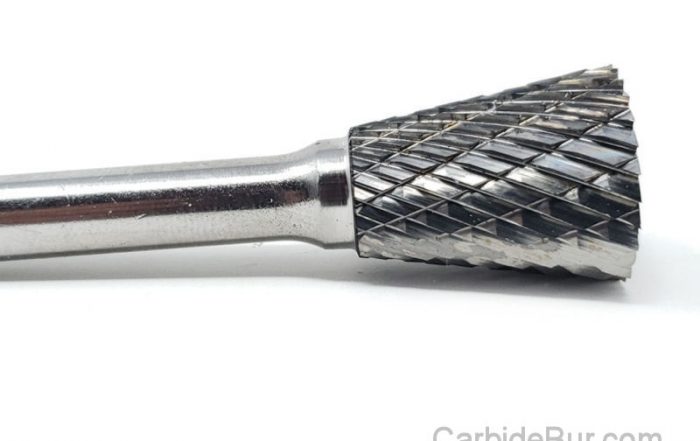
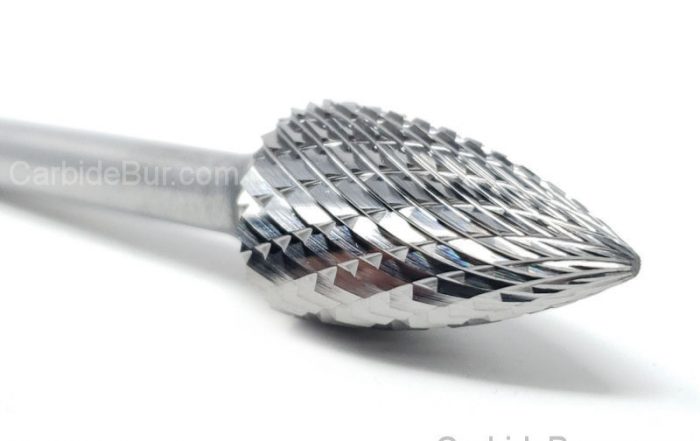
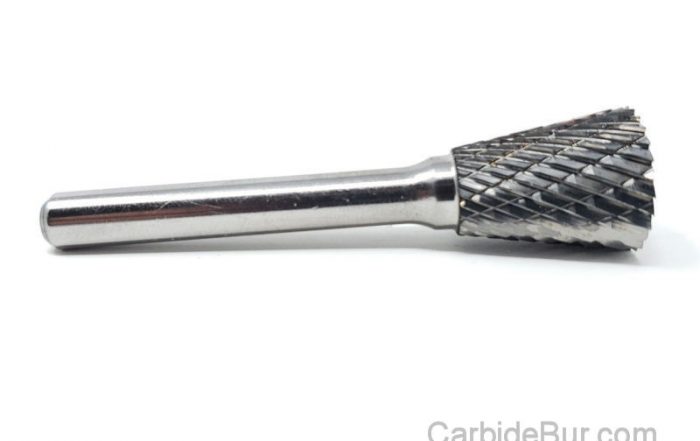
These burs come in various shapes and sizes, each designed for specific tasks. They can cut through tough materials, making them ideal for shaping metals.
Ease of use is another advantage. Carbide burs can be used with standard rotary tools, meaning you don’t need specialized equipment.
Essential Porting Tools
Having the right tools is crucial for successful porting. Basic tools include rotary tools, carbide burs, and safety gear.
Consider investing in different bur shapes and sizes to handle various porting tasks. A workbench with a vice is also helpful for stabilizing the cylinder head.
Safety is paramount. Always wear goggles and gloves to protect against metal shavings and dust.
Choosing the Right Carbide Burs
Selecting the appropriate carbide burs is essential for effective porting. This section will guide you through the types, selection criteria, and maintenance of carbide burs.
Types of Carbide Burs
Carbide burs come in a range of shapes and sizes. Common types include:
|
Type |
Features |
Use Case |
|---|---|---|
|
Ball |
Round shape for contouring |
Ideal for deburring |
|
Cylindrical |
Straight edges for flat surfaces |
Best for surface leveling |
|
Flame |
Tapered end for precision |
Great for detailed work |
Choosing the right type depends on the task. Ball burs are versatile, while cylindrical burs are perfect for flattening surfaces.
Selecting Burs for Your Project
When selecting carbide burs, consider the material you’ll be working on. Harder materials may require more durable burs.
Also, think about the specific modifications you plan to make. Different shapes serve different purposes, so having a variety can be beneficial.
Budget is another factor. Quality burs can be an investment, but they often last longer and provide better results.
Beginner’s Guide to Bur Maintenance
Maintaining your carbide burs is crucial for longevity. Regular cleaning keeps them sharp and effective.
-
Use a wire brush to remove metal shavings after each use.
-
Store burs in a dry place to prevent rust.
-
Inspect for wear regularly and replace when necessary.
Proper maintenance ensures your tools are always ready for action, enhancing performance and safety.
Step-by-Step Porting Process
Porting a cylinder head involves several steps. This section provides a clear, step-by-step approach to help beginners get started.
Preparing Your Workspace
A well-prepared workspace is essential for a safe and efficient porting process. Key elements include:
-
Clear the area of any clutter.
-
Organize your tools for easy access.
-
Ensure proper lighting to see details clearly.
-
Set up safety gear like goggles and gloves.
Preparation reduces the risk of accidents and improves workflow efficiency.
How to Port a Cylinder Head
Porting requires careful execution. Follow these steps:
-
Disassemble the head from the engine block.
-
Clean the ports to remove any debris or buildup.
-
Mark areas to be ported for guidance.
-
Use carbide burs to carefully remove material.
-
Smooth the surface with sandpaper for a clean finish.
Be meticulous in each step to ensure quality results. Patience is key.
Safety Tips for Beginners
Porting can be risky without proper precautions. Always prioritize safety:
-
Wear protective gear like safety goggles and gloves.
-
Work in a well-ventilated area to avoid inhaling dust.
-
Keep tools in good condition to prevent accidents.
By following these tips, you can ensure a safe and successful porting experience.
Enhancing Automotive Performance
Porting offers a myriad of benefits for automotive performance. This section explores the advantages and how to measure performance gains.
Benefits of Porting
Porting can significantly enhance engine performance. Key benefits include:
-
Increased horsepower due to improved airflow.
-
Better fuel efficiency as the engine burns fuel more effectively.
-
Smoother operation with less engine strain.
These improvements can make a noticeable difference in your car’s performance.
Measuring Performance Gains
To evaluate the effectiveness of porting, consider these methods:
-
Dyno testing to measure horsepower and torque changes.
-
Fuel consumption analysis to assess efficiency improvements.
-
Performance comparison with pre-porting metrics.
Quantifying gains helps validate the time and effort invested in porting.
Troubleshooting Common Issues
Sometimes, porting might not yield expected results. Common issues include:
-
Uneven porting leading to airflow imbalance.
-
Excessive material removal causing leaks.
-
Inaccurate measurements affecting performance.
Addressing these issues promptly ensures optimal results from your porting efforts.
Building Confidence and Skills
Gaining confidence and expertise in porting requires practice and learning. This section assists beginners in overcoming challenges and finding resources.
Overcoming Beginner Challenges
Beginners might face hurdles such as:
-
Lack of experience leading to mistakes.
-
Limited tools restricting capabilities.
-
Intimidation by complexity affecting confidence.
Perseverance and practice are vital. Start with small projects to gradually build skills.
Resources for Continued Learning
Continuous learning enhances your porting abilities. Consider these resources:
-
Online forums and communities like Reddit.
-
Instructional videos showcasing techniques.
-
Workshops and classes for hands-on experience.
Engaging with these resources expands your knowledge and skill set.
Joining the Porting Community
Connecting with other enthusiasts offers support and insight. Benefits include:
-
Shared experiences for practical advice.
-
Networking opportunities to learn from experts.
-
Community support boosting motivation.
Joining communities can be a source of inspiration and guidance through your porting journey.
Check out all our USA made carbide bur cutting tools here

Can You Use a Carbide Burr With an Electric Die Grinder?
Can You Use a Carbide Burr With an Electric Die Grinder? Most people don’t realize how much a carbide burr can change the way an electric die grinder works. Using the right burr type can [...]
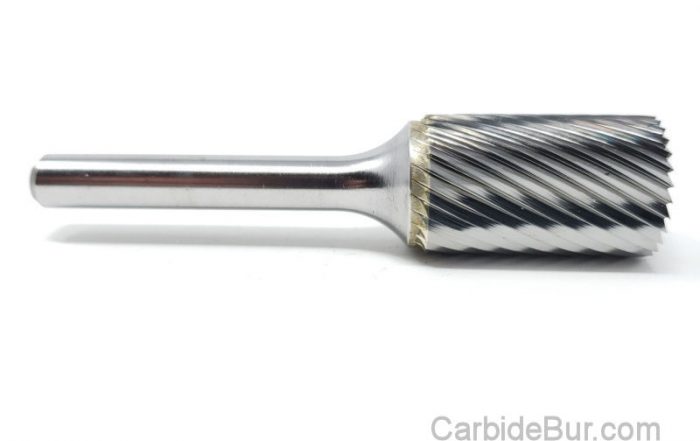
How to Deburr Holes With a Carbide Burr
How to Deburr Holes With a Carbide Burr Most people think any tool will do for deburring holes. The truth is, using the right carbide burr with the correct size and shape changes everything. In [...]
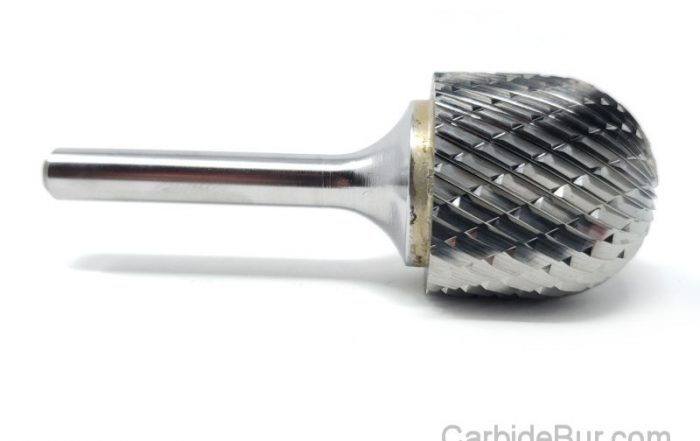
How to Choose the Correct Carbide Burr Shank Size
How to Choose the Correct Carbide Burr Shank Size Many machinists lose hours troubleshooting tool issues caused by the wrong carbide burr shank size. Using a shank that doesn’t fit your grinder can lead to [...]
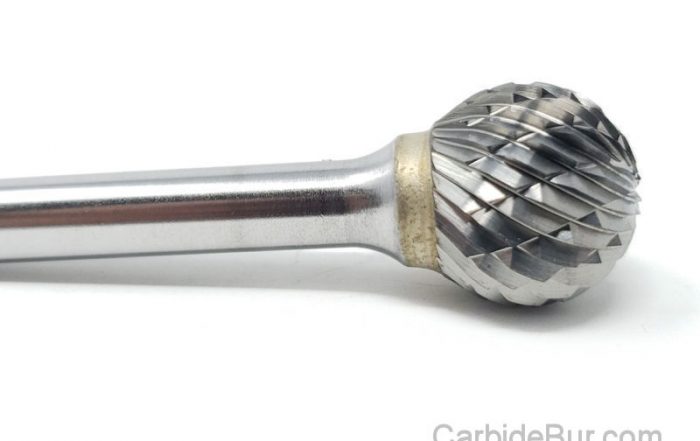
How to Remove Casting Flash With a Carbide Burr
How to Remove Casting Flash With a Carbide Burr Casting flash ruins the look and fit of your metal parts. You’ve tried sanding or grinding, but the results aren’t clean or fast enough. Learning how [...]
Best Carbide Burr for Enlarging a Hole in Metal
Best Carbide Burr for Enlarging a Hole in Metal When you need to enlarge a hole in metal, grabbing the wrong carbide burr can turn a simple task into a frustrating mess. Picking the best [...]
Carbide Burr Safety: 15 Mistakes That Can Cause Injury or Damage
Carbide Burr Safety: 15 Mistakes That Can Cause Injury or Damage Carbide burr safety is often overlooked until a costly mistake happens. Many metalworkers and DIYers make the same errors that lead to injuries or [...]
Can You Use a Carbide Burr in a Drill?
Can You Use a Carbide Burr in a Drill? Most people think a standard drill can’t handle a carbide burr, but that’s not true. Using carbide burr in the right drill can speed up your [...]
Carbide Burrs for Removing Rust: What Works Best?
Carbide Burrs for Removing Rust: What Works Best? Rust can turn your favorite tools into useless junk faster than you expect. Removing it without ruining the metal underneath takes more than just elbow grease—it demands [...]
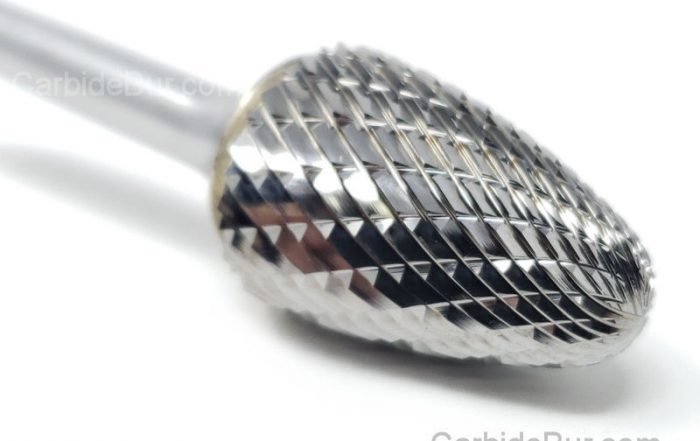
How Much Pressure Should You Use With a Carbide Burr?
How Much Pressure Should You Use With a Carbide Burr? Most people think pressing harder with a carbide burr speeds up the job. That’s not true—too much pressure wears out your tool and ruins the [...]
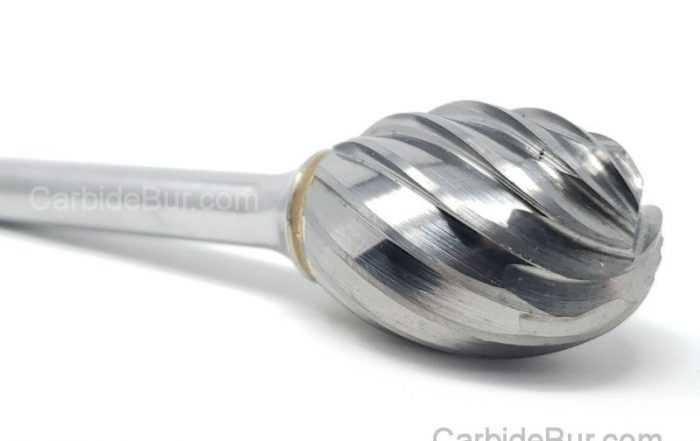
Can You Use Carbide Burrs With an Air Die Grinder?
Can You Use Carbide Burrs With an Air Die Grinder? Most people don’t realize how well carbide burrs work with air die grinders until they try them. If you’ve ever struggled with finding the right [...]
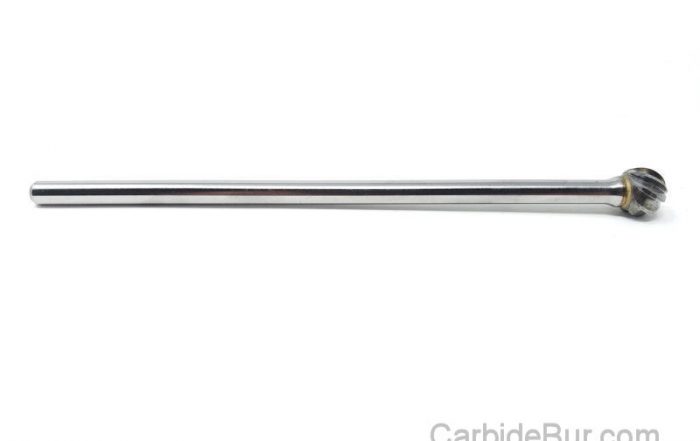
Best Long Reach Carbide Burr for Deep Metal Work
Best Long Reach Carbide Burr for Deep Metal Work Long reach carbide burrs often promise deep metal access, but many fall short where it counts most. You need a tool that cuts cleanly, lasts through [...]
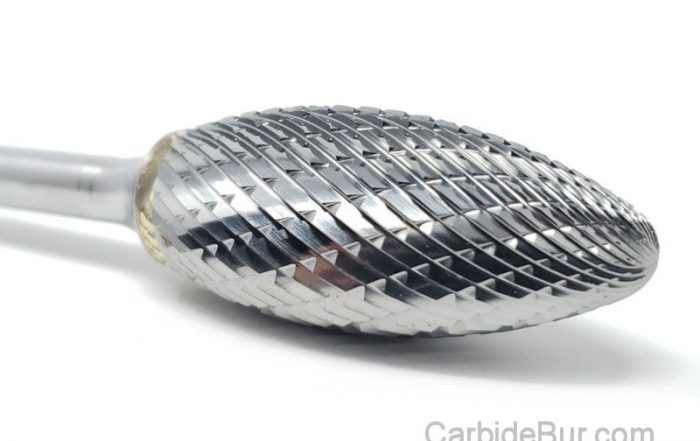
What RPM Should You Use for a 1/8 Inch Carbide Burr?
What RPM Should You Use for a 1/8 Inch Carbide Burr? Most people guess the right carbide burr RPM by feel—and waste hours redoing work. If you want cleaner cuts and longer tool life, your [...]
