
Mastering Metalwork: Using Carbide Burs for Hard-to-Reach Areas
Tackling tight spots with standard tools feels impossible until you try the right approach. Using carbide burs designed for hard-to-reach areas changes the game by fitting into deep holes and narrow slots without struggle. With extended-shank burs and the right tools, you can smooth out internal features that usually slow your work down. Let’s explore how to pick and use these deburring tools to get the job done cleanly and fast. For more tips, check out this guide on carbide tools.
Click here to see our entire selection of USA made carbide bur tools
Choosing the Right Carbide Burs
Selecting the best carbide burs makes a significant difference in your projects. The right tool can reach areas you never thought possible.
Extended-Shank Burs for Deep Access
Extended-shank burs are a game-changer for reaching deep holes and slots. These burs, ranging from 6 to 12 inches long, make accessing tight areas easier. You no longer have to struggle to reach those tricky spots.
When working in complex areas, stability is key. Extended-shank burs provide the needed reach without sacrificing control. For precision tasks, pair them with a steady hand to ensure you get the best results. This combination helps you maintain accuracy, even in the most confined spaces.
Consider investing in high-quality extended-shank burs. They last longer and perform better, reducing the frequency of replacements. This investment pays off by improving your workflow and enhancing your capabilities.
Carbide Burr Shapes for Deburring
Choosing the right burr shape is crucial for effective deburring. Different shapes tackle specific tasks with ease.
-
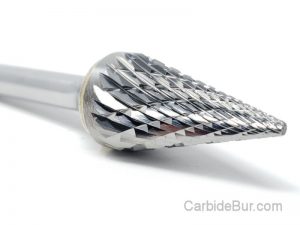
Tree shape: Ideal for inside corners and narrow slots.
-
Flame shape: Great for contouring and finishing.
-
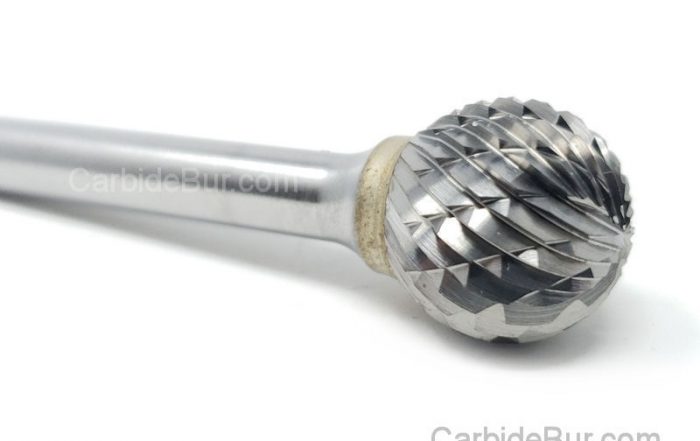
Oval shape: Perfect for rounded surfaces and internal features.
Understanding these shapes helps you select the right tool for each project. The tree shape, for instance, excels in tight spots, while the flame shape smooths edges beautifully. Matching the burr shape to the task ensures efficiency and precision.
Experiment with various shapes to find the best fit for your needs. Each project might require a different approach, so having a variety of burr shapes at your disposal is beneficial.
Double Cut vs. Single Cut Carbide Burr
When it comes to carbide burrs, understanding the difference between double cut and single cut is essential. Both have unique benefits.
Double cut burrs offer a smoother finish, reducing the need for additional work. They are versatile and work on various materials, making them a favorite among professionals. Double cut burrs remove material quickly and efficiently.
Single cut burrs are perfect for hard materials like steel. They remove material aggressively, leaving a rougher finish. This type is excellent for rapid stock removal when you need to shape or contour materials fast.
Decide which burr suits your project by considering the material and finish required. The choice between double and single cut can impact the speed and quality of your work.
Tools for Hard-to-Reach Areas
With the right carbide burs selected, pairing them with the best tools is crucial. These tools help you access even the most challenging areas.
Right-Angle Die Grinder Benefits
A right-angle die grinder is a must-have for metalworking in tight spaces. This tool provides excellent control, letting you work at various angles.
-
Compact design: Fits into small areas effortlessly.
-
Versatile use: Works with different burr shapes and sizes.
-
Enhanced precision: Offers better control than larger tools.
Using a right-angle die grinder increases your efficiency. It’s perfect for working in confined spaces where other tools can’t reach. The compact design allows for easy maneuverability, making it ideal for intricate tasks.
Advantages of Flexible Shaft Tools
Flexible shaft tools are another excellent option for hard-to-reach areas. They offer flexibility and control, making them versatile for various tasks.
These tools let you maintain a stable grip while reaching awkward angles. The flexible shaft adapts to the contours of your workpiece, ensuring precision. This adaptability makes them invaluable for intricate deburring tasks.
Consider incorporating flexible shaft tools into your toolkit. They enhance your ability to work on complex projects and improve your overall productivity.
Die Grinder Bits for Deburring
Choosing the right die grinder bits is crucial for effective deburring. Different bits serve different purposes, and selecting the right one is key.
-
Ball nose bits: Ideal for rounded edges and contours.
-
Cylinder bits: Great for flat surfaces and straight edges.
-
Tapered bits: Perfect for narrow spaces and detailed work.
Matching the bit to your task ensures efficient deburring. Ball nose bits, for example, excel in rounding edges, while cylinder bits provide even surfaces. Choose the appropriate bit based on your project’s requirements.
Techniques for Effective Metalworking
With the right tools and burs in hand, mastering techniques is the next step. These methods enhance your metalworking skills.
Best Carbide Burr for Hole Deburring
Deburring holes requires precision and the right burr. The best carbide burrs for this task ensure clean, smooth results.
Look for burrs that can access the hole’s entire surface. A well-chosen burr reduces the risk of damaging the surrounding material. It also speeds up the process, saving you time and effort.
Experiment with different burrs to find the best fit for hole deburring. Your choice can significantly impact the quality of your work.
Carbide Burr for Aluminum and Steel
Using carbide burrs on aluminum and steel requires understanding each material’s characteristics. These tips help you get the best results.
-
For aluminum: Use burrs with larger flutes to prevent clogging. They remove material quickly, leaving a smooth finish.
-
For steel: Opt for single cut burrs for clean, aggressive cuts. They handle the hardness of steel effectively.
Choosing the right burr for each material avoids common issues like clogging or inefficient cutting. It ensures a smoother workflow and better results.
Tungsten Carbide Burr Deburring Tips
Tungsten carbide burrs are renowned for their durability and effectiveness. These tips help you maximize their potential.
-
Apply consistent pressure: Avoid pressing too hard, as this can damage the burr.
-
Use the right speed: Adjust the speed based on the material and burr type. Faster speeds work well on softer materials.
-
Regular maintenance: Keep your burrs clean and sharp for optimal performance.
Following these tips enhances the lifespan and effectiveness of your tungsten carbide burrs. They ensure that you achieve the best possible results in your metalworking projects.
In conclusion, by choosing the right carbide burs and tools, you can tackle even the most challenging metalworking tasks. Invest in quality tools and apply these techniques to elevate your projects and achieve professional results. For more information on carbide burrs, you can visit this comprehensive guide or explore American-made deburring tools.
Click here to see our entire selection of USA made carbide bur tools
1/8 vs 1/4 Inch Carbide Burrs: What’s the Difference?
1/8 vs 1/4 Inch Carbide Burrs: What's the Difference? Choosing between a 1/8 inch carbide burr and a 1/4 inch carbide burr can change how your project turns out. Many machinists and hobbyists overlook how [...]
Best Carbide Burr for Removing Flash From Castings
Best Carbide Burr for Removing Flash From Castings Removing flash from castings is a task that can slow down your entire metalworking process if you don’t have the right tools. Picking the best carbide burr [...]
What RPM Should You Use for a 1/4 Inch Carbide Burr?
What RPM Should You Use for a 1/4 Inch Carbide Burr? Most machinists guess the right speed for a 1/4 inch carbide burr and hope for the best. Using the wrong carbide burr RPM can [...]
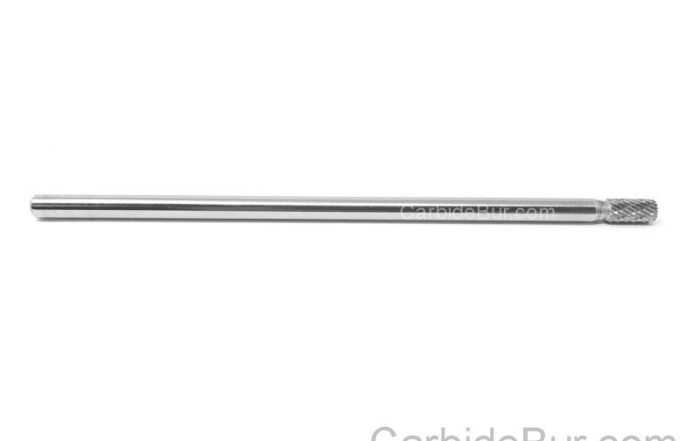
Long Shank Carbide Burrs: When Do You Need One?
Long Shank Carbide Burrs: When Do You Need One? Most machinists overlook the power of long shank carbide burrs until a project demands precision in tight spaces. When your usual tools can’t reach intricate contours, [...]
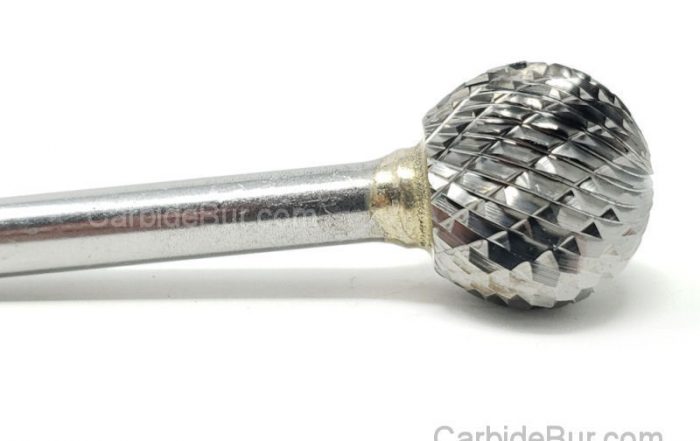
How Deep Can a Carbide Burr Cut Metal?
How Deep Can a Carbide Burr Cut Metal? Carbide burrs often get praised for their precision, but many users hit a wall wondering how deep they can actually cut metal. The truth is, cutting depth [...]
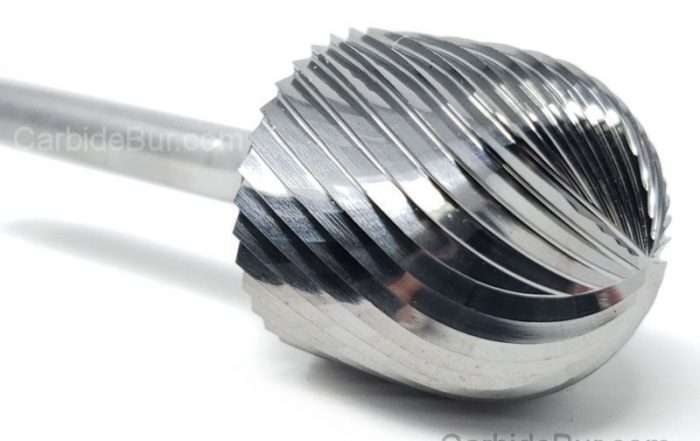
How to Use Carbide Burrs for Port Matching
How to Use Carbide Burrs for Port Matching Most engine builds hit a wall when airflow doesn’t flow smoothly between the ports and manifolds. If your engine isn’t breathing right, your performance stalls. Using the [...]
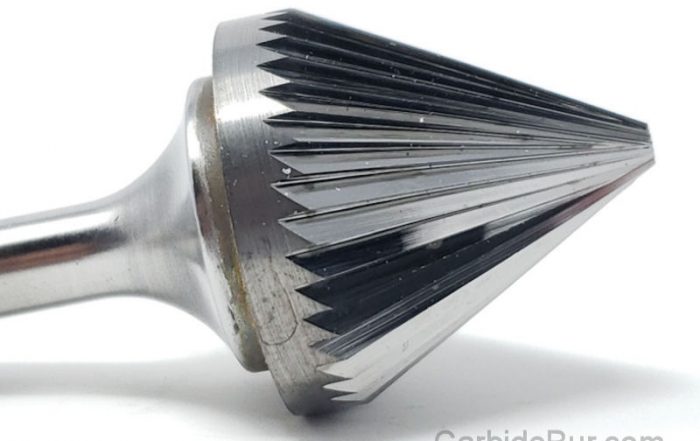
Best Carbide Burr for Porting Intake Manifolds
Best Carbide Burr for Porting Intake Manifolds Porting intake manifolds can make or break your engine’s airflow, yet many struggle with the right tools for the job. Choosing the best carbide burrs is key to [...]
Best Carbide Burr for Concave Surfaces
Best Carbide Burr for Concave Surfaces Concave surfaces can turn a straightforward project into a frustrating challenge if you don’t have the right tool. Carbide burrs designed for these tricky curves make all the difference [...]
How to Grind a Slot in Metal With a Carbide Burr
How to Grind a Slot in Metal With a Carbide Burr Grinding a precise slot in metal can feel like a tricky task, especially if you’re unsure which tools to trust. Carbide burr grinding offers [...]

Best Carbide Burr for Inside Corners
Best Carbide Burr for Inside Corners Working in tight inside corners can turn even simple projects into frustrating tasks. Many carbide burrs just don’t fit or cut cleanly where you need them most. The best [...]
What Size Carbide Burr Do I Need?
What Size Carbide Burr Do I Need? Picking the wrong carbide burr can turn a simple project into a frustrating mess. You might have the best machining tools but still miss the mark if your [...]
How to Smooth Sharp Metal Edges With a Carbide Burr
How to Smooth Sharp Metal Edges With a Carbide Burr Sharp metal edges can turn your project from professional to risky in seconds. If you’ve struggled with smoothing metal edges without scratching or weakening the [...]
