
Precision Deburring: Mastering the Art of Carbide Bur Selection for Manufacturers
Choosing the right carbide bur diameter can make or break your precision deburring inside holes. Use a bur no larger than half the hole’s width in your die grinder to avoid binding or skipping that ruins your finish. This simple die grinder tip gives you better control and cleaner results when working in tight spaces. Stick with the right size, and you’ll improve your deburring process while protecting the material around the hole. For more information, check out this comprehensive guide.
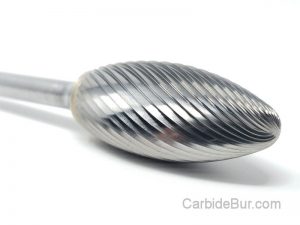
Looking for Carbide Bur Tools?
Check out our entire selection of USA made carbide bur die grinder tool bits
Understanding Precision Deburring
Precision deburring is key to achieving a flawless finish in manufacturing. By understanding its importance, you can ensure higher quality in your work.
Importance of Precision in Manufacturing
Precision in manufacturing affects the overall quality of your products. Every detail matters when you’re crafting components. Achieving the perfect finish not only enhances the product’s appearance but also its functionality. When precision is prioritized, you reduce waste and optimize resources. This ensures consistency and reliability in your production line.
Key Terms and Concepts in Deburring
Understanding deburring starts with familiarizing yourself with its terminology. Burring refers to the raised edge or small pieces of material left behind after a machining process. Deburring is the act of removing these imperfections to achieve a smooth finish. Tools like carbide burs are essential in this process. Their purpose is to remove unwanted material with precision, ensuring a clean edge without damaging the surrounding area. Knowing these terms helps you communicate effectively in technical discussions.
Common Challenges in Deburring Processes
Deburring comes with its own set of challenges. Tool binding and skipping are common issues faced during the process. Binding occurs when the bur is too large, causing it to snag. Skipping results in a jagged finish, compromising quality. Another challenge is maintaining the right pressure to avoid over-removal of material. Recognizing these issues early can save time and resources, allowing for a smoother workflow.
Selecting the Right Carbide Bur
Choosing the correct carbide bur is essential for effective deburring. Let’s explore the factors influencing this important decision.
Factors Influencing Bur Selection
Several factors dictate the choice of a carbide bur. The material you’re working with plays a significant role. Harder materials require specific bur types to ensure effectiveness. The shape of the bur also matters. Different shapes are designed for specific tasks, such as cylindrical for flat surfaces or tapered for tighter spaces. Additionally, the speed of your die grinder can impact the results. Adjusting speed to match the material and bur type can enhance performance. For a detailed guide on bur selection, visit this resource.
Optimal Carbide Bur Diameter
The key to successful deburring lies in selecting the right bur diameter. The diameter should be no more than half the width of the hole. This ensures clearance and prevents binding. A smaller diameter offers better control, reducing the risk of damage. By sticking to this guideline, you achieve a smoother finish and improve the overall deburring process.
How to Avoid Tool Binding
Tool binding can lead to poor results and increased wear on your tools. To prevent this, ensure proper bur selection and maintain the correct speed. Regularly check for wear and replace burs when necessary. Proper maintenance extends tool life and enhances performance, saving you time and money in the long run. Discover effective strategies here.
Mastering Die Grinder Techniques
Refining your die grinder techniques can elevate your deburring results. Let’s dive into essential tips and techniques.
Essential Die Grinder Tips
Using a die grinder effectively requires a few key techniques. First, always maintain a steady hand to ensure uniform results. Start with a lower speed and gradually increase it as needed. This allows you to gauge the material’s response and adjust accordingly. Additionally, using both hands provides better control, especially for intricate work. Regular practice can significantly improve your technique.
Techniques for Deburring Inside Holes
Deburring inside holes requires precision and care. Begin by selecting the appropriate bur diameter. Use smooth, even strokes to navigate the contours of the hole. Avoid excessive pressure to prevent over-removal of material. Pay close attention to the edges, ensuring they are smooth and even. Consistent practice will help you perfect these techniques and achieve high-quality results.
Ensuring High-Quality Deburring Results
High-quality deburring results from attention to detail and consistent practice. Regularly inspect your tools for wear and tear. Dull tools can compromise the finish and increase the risk of material damage. Maintain your equipment by cleaning and storing it properly after use. By prioritizing maintenance, you extend the life of your tools and ensure consistent results.
Improving Your Deburring Process
Continuous improvement in your deburring process ensures efficiency and high-quality results.
Strategies for Enhanced Efficiency
Efficiency in deburring translates to faster production times and cost savings. Begin by organizing your workspace to minimize downtime. Utilize a checklist to ensure all tools and materials are readily available. Streamlining your process reduces errors and enhances productivity. For further insights, explore this comprehensive guide.
Maintaining Tool Longevity
Tool longevity is crucial for sustained performance. Regular maintenance, such as cleaning and lubrication, prevents premature wear. Store tools in a dry, clean environment to avoid rust and corrosion. Periodically inspect tools for any signs of damage and replace them promptly. Proper care not only extends tool life but also ensures optimal performance.
Preventing Material Damage
Material damage can compromise the quality of your work. To prevent this, select the appropriate bur and maintain a steady hand. Avoid excessive pressure and ensure proper tool alignment. By focusing on technique and tool maintenance, you protect your materials and achieve superior results.
Achieving High-Quality Finishes
Attaining high-quality finishes is the ultimate goal in deburring. Let’s explore best practices and new technologies.
Best Practices for Consistent Results
Consistency is key to achieving high-quality finishes. Adhere to established guidelines for bur selection and technique. Regularly review your process to identify areas for improvement. By maintaining consistency, you ensure reliable results every time.
Troubleshooting Common Issues
Even with experience, issues may arise during deburring. Common problems include uneven finishes and tool wear. Address these issues promptly by reviewing your technique and adjusting as needed. Regularly inspect your tools and replace them when necessary. By troubleshooting issues early, you maintain high standards in your work.
Embracing New Technologies in Deburring
New technologies continually emerge in the field of deburring. Stay informed of advancements to enhance your process. Innovations in tool design and materials can offer improved performance and efficiency. By embracing new technologies, you stay ahead in a competitive market. For the latest updates, check out this resource.
Looking for Carbide Bur Tools?
Check out our entire selection of USA made carbide bur die grinder tool bits
Follow us on Twitter

Return to CarbideBur.com
Carbide Burs – 1/4″ on 1/8″ Shanks – Accessories – Aluminum Cut – Bur Sets – End Mills – Long Shank – Solid Burs
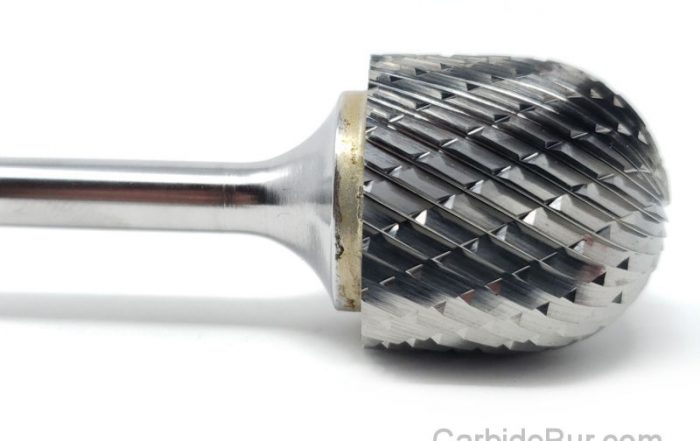
How to Use Carbide Burrs for Weld Removal
How to Use Carbide Burrs for Weld Removal Weld removal can slow down any metalworking project when you’re stuck with the wrong tools or techniques. Using carbide burrs the right way cuts your cleanup time [...]
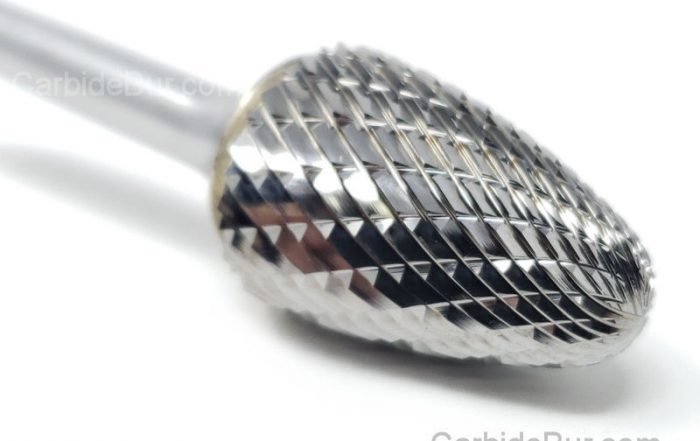
Carbide Burr RPM Guide: How Fast Should You Run a Carbide Burr?
Carbide Burr RPM Guide: How Fast Should You Run a Carbide Burr? Most people run their carbide burrs too fast or too slow without realizing it. Using the wrong speed wears out your tools faster [...]
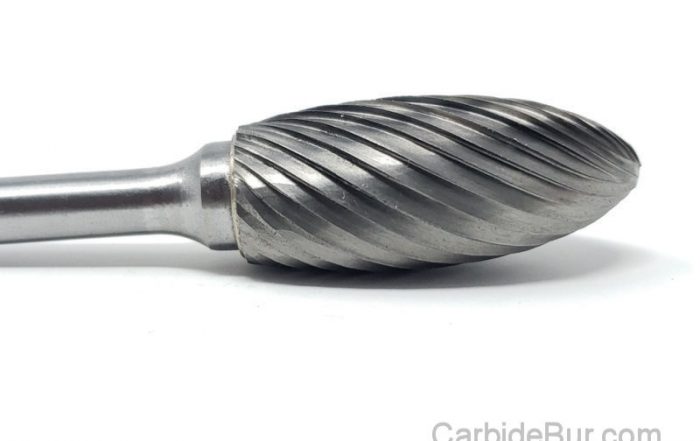
Flame Carbide Burr vs. Tree Carbide Burr: Which Should You Use?
Flame Carbide Burr vs. Tree Carbide Burr: Which Should You Use? You’ve got the right tools, but choosing between a flame carbide burr and a tree carbide burr can still slow down your project. Picking [...]
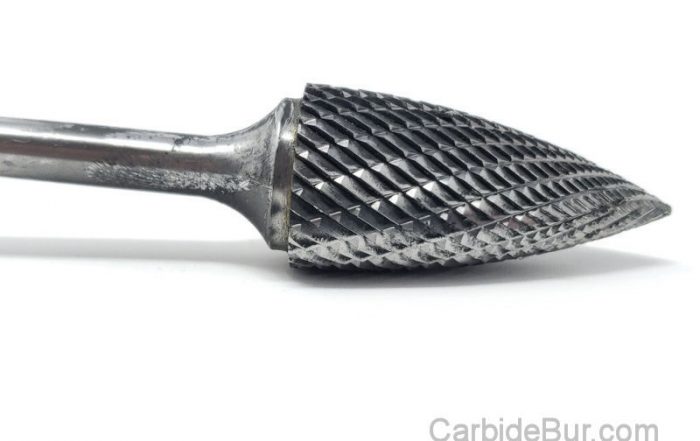
Why Does My Carbide Burr Break? 10 Common Causes
Why Does My Carbide Burr Break? 10 Common Causes Carbide burrs breaking in the middle of a project can bring everything to a halt and drain your budget fast. You’ve probably wondered why your tools [...]
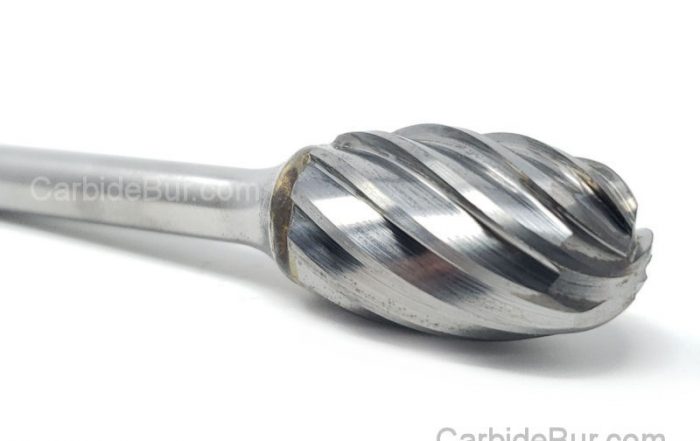
Best Carbide Burr for Aluminum Without Clogging
Best Carbide Burr for Aluminum Without Clogging Clogging ruins more than just your workflow when machining aluminum—it wastes your time and wears out your tools. If you’ve struggled to find a carbide burr that keeps [...]
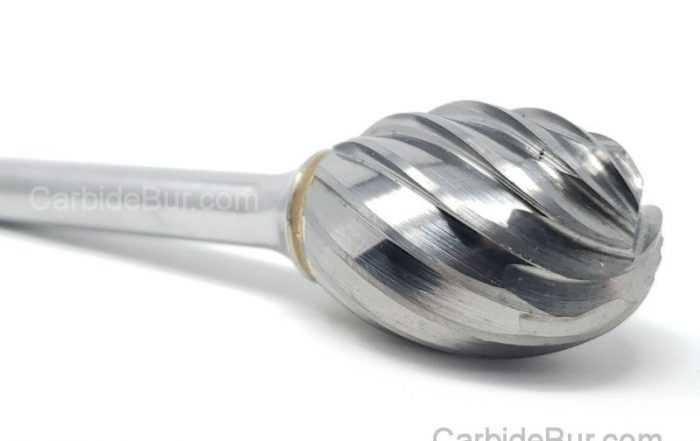
Can You Use Carbide Burrs on Brass and Copper?
Can You Use Carbide Burrs on Brass and Copper? Most machinists hesitate when it comes to using carbide burrs on soft metals like brass and copper. The challenge is real: these metals tend to clog [...]
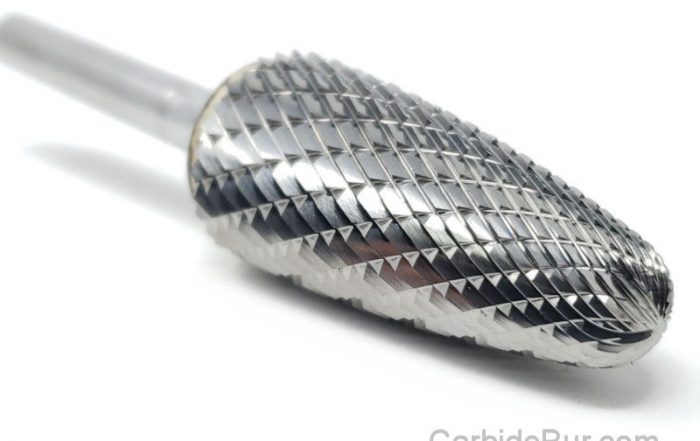
Best Carbide Burr for Stainless Steel: Complete Guide
Best Carbide Burr for Stainless Steel: Complete Guide Working with stainless steel can quickly wear down your tools if you don’t have the right carbide burrs. Choosing the best carbide burr for stainless steel means [...]
Choosing the Right Carbide Burrs for Bolt Cutting
Mastering Metalwork: Choosing the Right Carbide Burrs for Bolt Cutting Cutting bolts with the wrong tool can waste hours and wear down your equipment fast. Carbide burrs offer a powerful option, but not all of [...]
Exploring the Versatility of Carbide Burrs
From Metal Engraving to Crafting: Exploring the Versatility of Carbide Burrs Metal engraving can be a slow, frustrating grind when your tools don’t keep up. If you’ve struggled to get precise cuts or smooth finishes, [...]
Perfecting Material Removal in Tight Spaces
The Ultimate Guide to Tree Shape Carbide Burrs: Perfecting Material Removal in Tight Spaces Most people think all carbide burrs handle tight spaces the same way. That’s not true when it comes to the tree [...]
How to Choose the Best Carbide Burrs for Hard Materials
From Hobbyist to Pro: How to Choose the Best Carbide Burrs for Hard Materials Most metalworkers struggle to find carbide burrs that can handle titanium without wearing out fast. If you’ve wasted time and money [...]
Best Practices for Cleaning Carbide Burrs
Ultrasonic Cleaners vs. Solvent Baths: Best Practices for Cleaning Carbide Burrs Carbide burrs lose their edge fast when resin and material build up. You’ve probably tried scrubbing or soaking with mixed results. Knowing the right [...]
