
Enhance Your Craftsmanship: Selecting Carbide Burs for Superior Finish Quality and Control
Picking the right carbide bur diameter can change how your die grinder handles tricky slots and holes. Using a bur about half the width of the area you’re working on keeps chips from clogging the bit and stops it from binding or skipping. This simple die grinder tip helps push debris out while making material removal smoother. Stick with the right bur size, and you’ll see better finish quality and more control on your grinding tasks, saving time and lifting your craftsmanship. For more details, check out this guide on choosing the perfect carbide burr size.
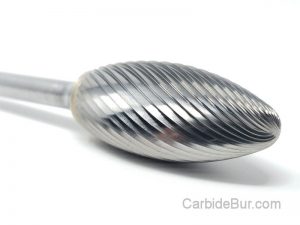
Looking for Carbide Bur Tools?
Check out our entire selection of USA made carbide bur die grinder tool bits
Understanding Carbide Burs
Carbide burs might seem simple, but choosing the right one can dramatically impact your projects. Let’s dig deeper into these essential tools.
What Are Carbide Burs?
Carbide burs are small cutting tools used in rotary tools like die grinders. Made from a tough material called tungsten carbide, they are perfect for shaping, cutting, and grinding various materials. You typically use them on metals, woods, and even plastics. These versatile tools come in different shapes and sizes, each serving a unique purpose in crafting or metalworking.
Importance of Carbide Bur Diameter
Choosing the correct diameter for your carbide bur is critical. A bur that is too large can cause your tool to bind or skip, while a smaller bur might not remove enough material efficiently. When working on slots or holes, aim for a bur that is about half the width of the area. This ensures better control and prevents clogging, which can make your work smoother.
Types of Carbide Burs
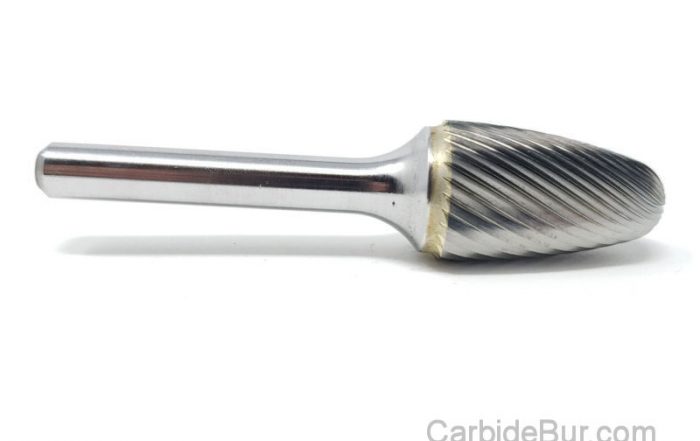
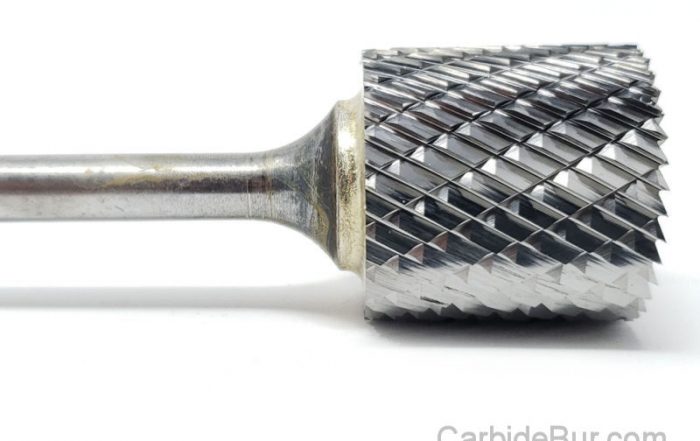
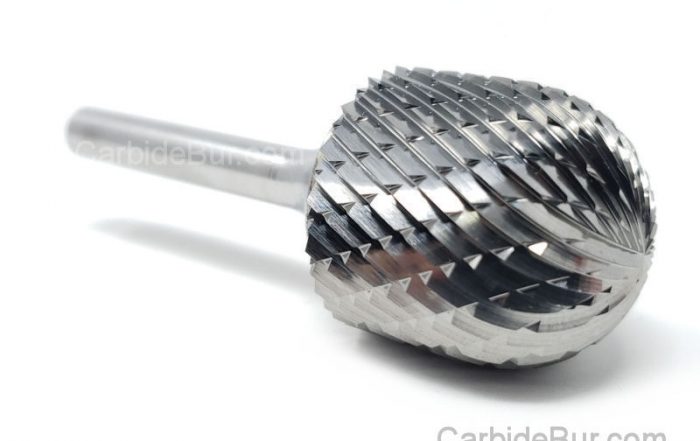
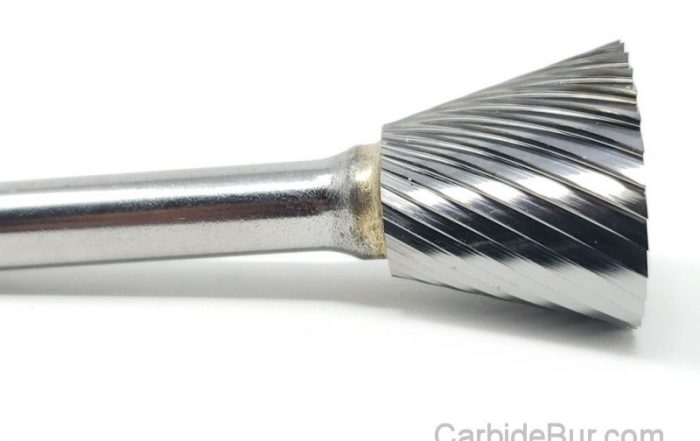
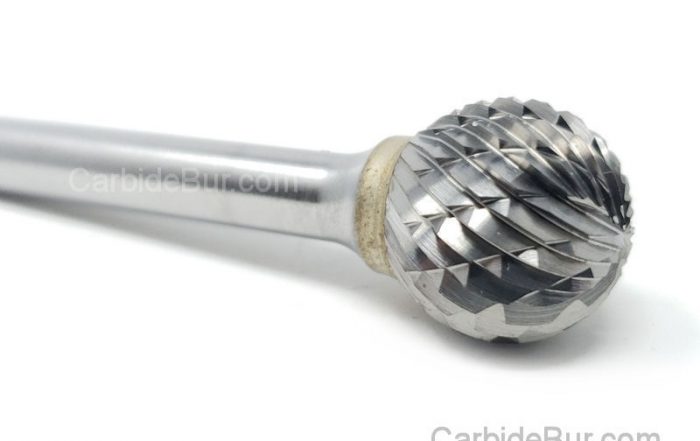
There are many types of carbide burs, each designed for specific tasks. Some have fine teeth for detailed work, while others have larger, more aggressive teeth for rapid material removal. Common shapes include the ball, cylindrical, and flame shapes. Understanding these differences helps you select the right bur for your specific needs. If you’re curious about the various shapes and their uses, check out this comprehensive guide to carbide burr shapes.
Techniques for Die Grinder Use
Mastering the use of a die grinder is crucial for achieving the best results. The right techniques can make all the difference in your projects.
Essential Die Grinder Tips
A die grinder is a powerful tool, and using it effectively requires some know-how. Start with a firm grip and maintain a steady hand to avoid accidents. Always wear protective gear to prevent injuries from flying debris. Remember to let the grinder do the work; applying too much pressure can damage both the tool and the material.
Optimizing Chip Clearance
Good chip clearance is vital when using a die grinder. As you work, chips can build up and cause your tool to slow down or even stop. To prevent this, choose a carbide bur diameter that allows for efficient chip removal. This reduces the risk of clogging and ensures your tool performs at its best. For more detailed tips on burr usage, explore this resource.
Ensuring Grinding Efficiency
Keeping your grinding efficient saves you time and effort. Always use a sharp bur, as dull tools can lead to uneven finishes and require more force. Regularly check your tools for wear and tear, replacing them as needed to maintain optimal performance. This keeps your projects on track and ensures a high-quality finish.
Enhancing Material Removal
The right techniques and tools can significantly enhance how you remove material, leading to a smoother workflow and better results.
Choosing the Right Bur for Tasks
Selecting the right bur for your task is essential for effective material removal. Consider the hardness and thickness of the material you are working with. A coarse bur may work well for hard metals, while a finer one is ideal for detailed tasks. This choice impacts your efficiency and the quality of your work.
Effective Debris Expulsion
Removing debris as you work keeps your tools running smoothly. Consistently clear away chips and dust, and use a vacuum or air blower if needed. This practice prevents clogs and extends the life of your tools. A clean workspace also contributes to a safer working environment.
Improving Finish Quality
A high-quality finish is the hallmark of excellent craftsmanship. To achieve this, ensure that your carbide burs are sharp and suitable for the material. Smooth, even strokes with consistent pressure help in obtaining that perfect finish. Regularly inspect your work for imperfections and adjust your technique accordingly.
Mastering Craftsmanship
As you hone your skills with carbide burs, you’ll find that craftsmanship becomes more intuitive and rewarding.
Maintaining Control During Grinding
Control is key when working with a die grinder. Position yourself comfortably and maintain a steady hand. Practice makes perfect, so don’t rush the process. Precision in your movements will lead to better results and fewer mistakes. Most people think speed is all that matters, but control is the true game-changer.
Achieving Superior Finish Quality
To achieve a superior finish, pay attention to your technique and tool selection. Clean and maintain your equipment regularly. Use gentle, consistent motions to avoid gouging or uneven surfaces. Over time, these small adjustments make a big difference in the quality of your projects.
Completing Projects Efficiently
Efficiency in project completion is both an art and a science. Plan your work and organize your tools before beginning. This preparation saves time and reduces stress. By following the tips and techniques discussed, you’ll notice your projects finish faster without sacrificing quality.
Selecting the Perfect Carbide Bur
Choosing the perfect carbide bur is crucial for achieving the best results on your projects. Let’s explore how to make the right choice.
Matching Bur Size to Task Needs
The right bur size depends on the task at hand. For intricate work, a smaller bur offers precision, while larger burs are better for removing significant material. Evaluate your project’s requirements and choose a bur that matches your needs. This ensures you maintain control and achieve the desired outcome.
Balancing Finish and Control
Striking the right balance between finish quality and control is vital. Too aggressive a bur might remove material quickly but leave a rough surface. Conversely, a finer bur provides a smooth finish but may require more time. Experiment with different burs to find what works best for your projects.
Ensuring Long-term Tool Performance
Maintaining your tools ensures they perform well over time. Regularly clean and inspect your carbide burs for wear. Replace them when necessary to keep your work efficient and your results top-notch. Consistent maintenance extends the life of your tools and supports superior craftsmanship. For more insights into selecting the right burr set, visit this helpful guide.
Looking for Carbide Bur Tools?
Check out our entire selection of USA made carbide bur die grinder tool bits
Follow us on Twitter

Return to CarbideBur.com
Carbide Burs – 1/4″ on 1/8″ Shanks – Accessories – Aluminum Cut – Bur Sets – End Mills – Long Shank – Solid Burs
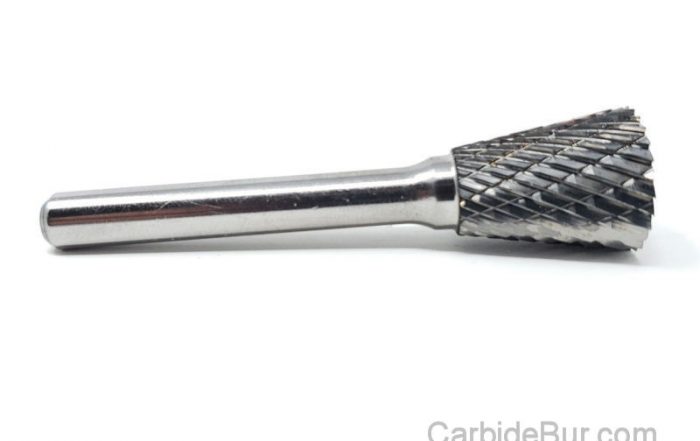
Carbide Burrs for Removing Rust: What Works Best?
Carbide Burrs for Removing Rust: What Works Best? Rust can turn your favorite tools into useless junk faster than you expect. Removing it without ruining the metal underneath takes more than just elbow grease—it demands [...]
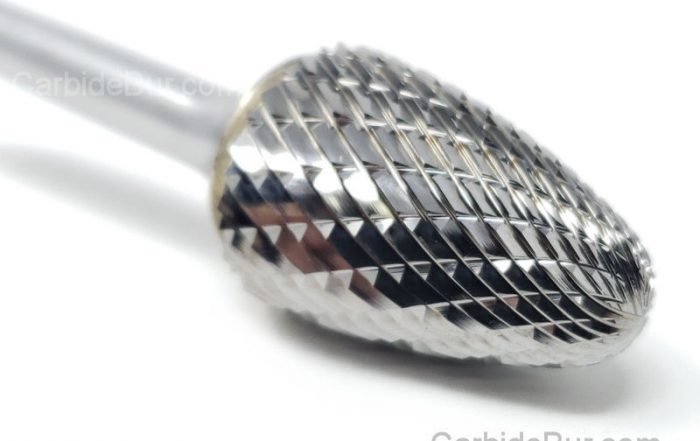
How Much Pressure Should You Use With a Carbide Burr?
How Much Pressure Should You Use With a Carbide Burr? Most people think pressing harder with a carbide burr speeds up the job. That’s not true—too much pressure wears out your tool and ruins the [...]
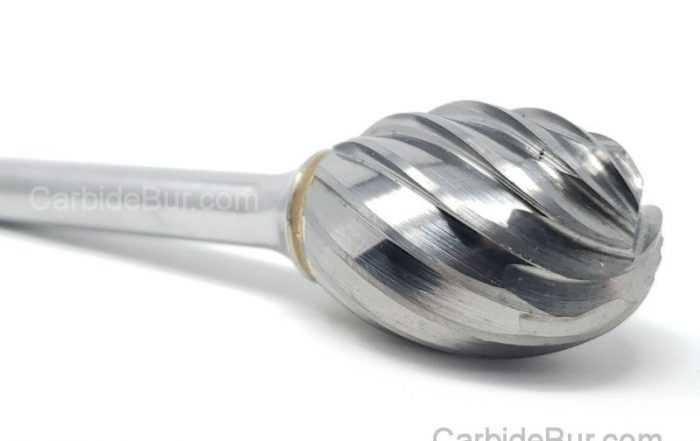
Can You Use Carbide Burrs With an Air Die Grinder?
Can You Use Carbide Burrs With an Air Die Grinder? Most people don’t realize how well carbide burrs work with air die grinders until they try them. If you’ve ever struggled with finding the right [...]
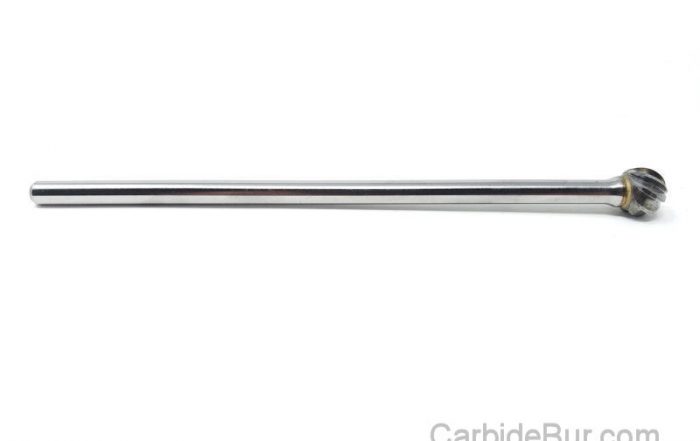
Best Long Reach Carbide Burr for Deep Metal Work
Best Long Reach Carbide Burr for Deep Metal Work Long reach carbide burrs often promise deep metal access, but many fall short where it counts most. You need a tool that cuts cleanly, lasts through [...]
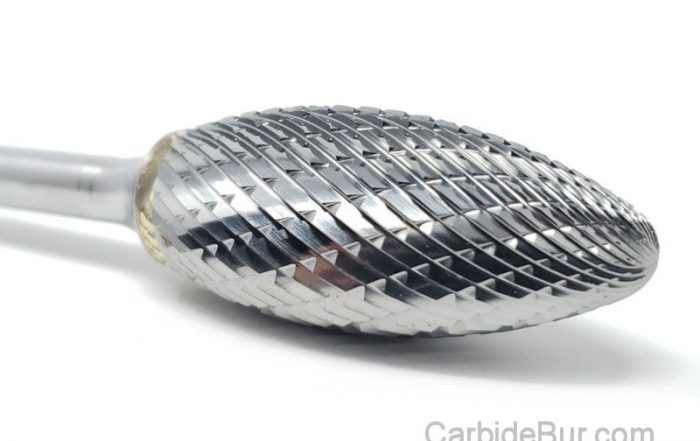
What RPM Should You Use for a 1/8 Inch Carbide Burr?
What RPM Should You Use for a 1/8 Inch Carbide Burr? Most people guess the right carbide burr RPM by feel—and waste hours redoing work. If you want cleaner cuts and longer tool life, your [...]
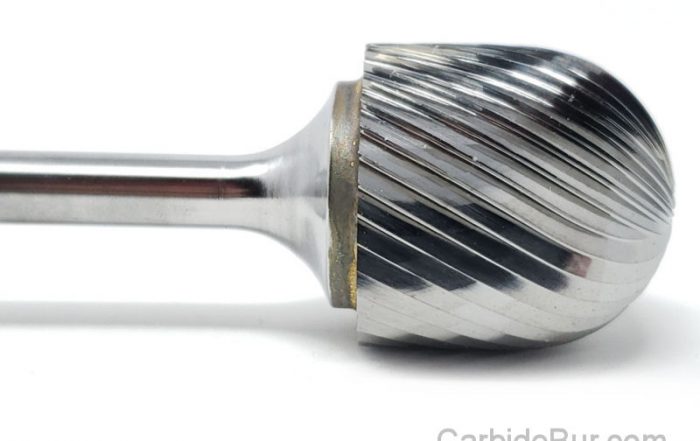
Carbide Burrs for Tight Spaces: Choosing the Right Shape
Carbide Burrs for Tight Spaces: Choosing the Right Shape Tackling tight spaces with the wrong carbide burrs wastes time and risks damaging your work. Choosing the right burr shape makes all the difference when working [...]
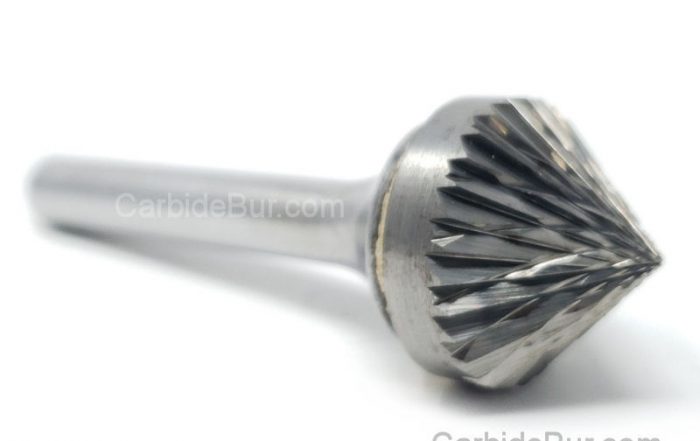
Can Carbide Burrs Remove Paint From Metal?
Can Carbide Burrs Remove Paint From Metal? Stripping paint from metal often feels like a tough chore that risks damaging the surface underneath. Many turn to carbide burrs hoping they can speed things up without [...]
How to Grind a Groove in Metal With a Carbide Burr
How to Grind a Groove in Metal With a Carbide Burr Most metalworkers struggle to cut clean grooves without wasting time or ruining their workpiece. Many try different metalworking tools but end up with uneven [...]
Can Carbide Burrs Cut Through Welds?
Can Carbide Burrs Cut Through Welds? Cutting through welds can feel like a battle, especially when you need clean results without harming the base metal. Carbide burrs offer a sharp edge in this fight, but [...]
How to Use a Carbide Burr With a Die Grinder
How to Use a Carbide Burr With a Die Grinder Most people treat a carbide burr like just another tool, but using it with a die grinder takes skill. If you’ve struggled with burr installation [...]
1/8 vs 1/4 Inch Carbide Burrs: What’s the Difference?
1/8 vs 1/4 Inch Carbide Burrs: What's the Difference? Choosing between a 1/8 inch carbide burr and a 1/4 inch carbide burr can change how your project turns out. Many machinists and hobbyists overlook how [...]
Best Carbide Burr for Removing Flash From Castings
Best Carbide Burr for Removing Flash From Castings Removing flash from castings is a task that can slow down your entire metalworking process if you don’t have the right tools. Picking the best carbide burr [...]
