
Carbide Burr Efficiency: Matching Burr Size and RPM for Superior Results
Too many users set their carbide burr RPM too high and end up burning their tools in no time. You might think faster speeds always mean better cutting, but that’s not the case. Matching burr size and RPM the right way makes all the difference, and this guide will show you the exact tool speed settings to get the job done cleanly and keep your burrs lasting longer. For more insights, check out this guide.
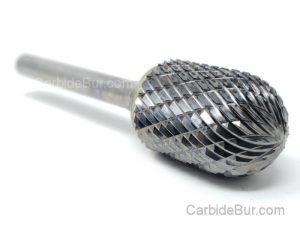
Have you tried our Carbide Burs for your job?
Understanding Carbide Burrs
Let’s first get a grip on what these tools are all about. Understanding their purpose is key to using them effectively.
What Are Carbide Burrs?
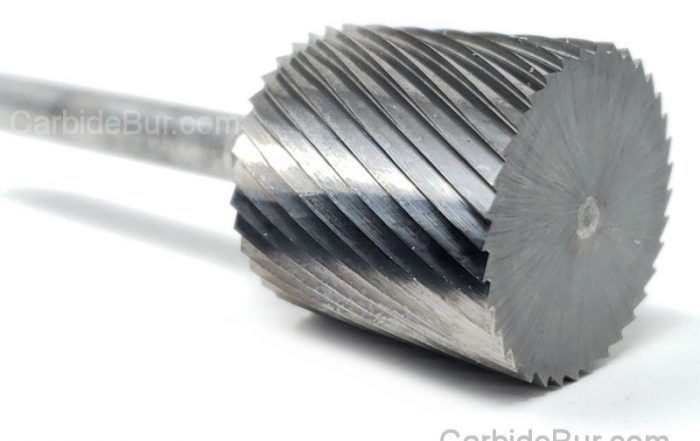
Carbide burrs are small cutting tools used in rotary tools. They are often made from tungsten carbide, an extremely hard material. You can shape, grind, and cut various materials with them. They’re like the Swiss army knife of rotary tools. Whether you’re working on wood, metal, or even plastic, these burrs are versatile companions.
Common Applications and Uses
Carbide burrs have a wide range of applications. They’re common in metalworking and woodworking. You might use them to deburr edges or cut intricate designs. They’re also great for hobbyists looking to add detailed touches to projects. So, if you want versatility, these tools should be in your kit.
Importance of Correct RPM
Picking the right RPM makes a big difference. Run them too fast, and you risk overheating and damaging the tool. Too slow, and you might not get the cut you want. The key is to find that sweet spot that extends the life of your burrs.
Optimal Speed for Carbide Burrs
Now that you know what they are, let’s dive into how to use them correctly. Setting the right speed is crucial for successful results.
Factors Influencing RPM
Several elements affect the optimal speed. Material type is a big one. Metals require different speeds than wood. Burr size also matters; larger burrs need slower RPMs. Always take these factors into account for the best performance.
Material-Specific RPM Guidelines
Different materials call for different speeds. For instance, working on aluminum? Aim for a speed between 15,000-40,000 RPM. Steel? You might want to keep it between 5,000-25,000 RPM. For more details, see this ultimate guide.
Burr Size and RPM Correlation
Size matters too. Smaller burrs can handle higher RPMs, while larger ones need lower speeds. It’s all about balance. A larger burr at high speed can lead to overheating and reduced tool life.
Setting the Right Tool Speed
How do you find that perfect RPM? Here’s how to set your tool for success.
Steps to Determine RPM
-
Check Material: Know what you’re working with.
-
Size Matters: Consider the burr size.
-
Test Run: Start slow, then adjust upward as needed.
Adjusting Speed for Different Tasks
Need to switch tasks? Adjust accordingly. If you’re moving from wood to metal, change your settings. Each material has its sweet spot for speed. For in-depth guidance, read more here.
Common Mistakes to Avoid
One mistake is assuming faster is always better. It can lead to overheating. Another is ignoring burr size. Both can shorten tool life and affect your project’s quality.

Enhancing Burr Performance
Once the speed is set, you’ll want to keep your tools in top shape.
Tips for Prolonging Tool Life
-
Regular Cleaning: Remove debris after use.
-
Proper Storage: Keep them dry and organized.
-
Timely Replacements: Know when to swap out old burrs.
Best Practices for Cutting Efficiency
Cutting efficiently saves time and extends tool life. Use light pressure and let the tool do the work. Avoid forcing the burr into the material.
Safety Precautions and Maintenance
Safety first, always. Wear goggles and gloves. Regularly inspect your tools to ensure they’re in good shape. Maintenance keeps them running smoothly and safely.
Conclusion and Key Takeaways
You’ve learned a lot about setting the right speed. Here’s a quick recap.
Summary of Burr Cutting Guidelines
-
Match RPM to Burr Size: Smaller burrs, higher RPM; larger burrs, lower RPM.
-
Adjust by Material: Metals and woods require different speeds.
-
Avoid Overheating: Speed control is key.
Empowering Your Workflow
With this knowledge, you’re ready to tackle projects confidently. You’re now equipped to make your tools last longer. For more tips, explore this resource.
Final Thoughts on Carbide Burr RPM
Setting the right speed is crucial. It protects your tools and enhances your workflow. Make informed choices, and you’ll see the benefits in your projects.
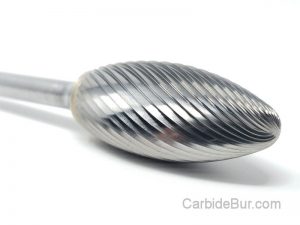
Looking for Carbide Bur Tools?
Check out our entire selection of USA made carbide bur die grinder tool bits
Follow us on Twitter

Return to CarbideBur.com
Carbide Burs – 1/4″ on 1/8″ Shanks – Accessories – Aluminum Cut – Bur Sets – End Mills – Long Shank – Solid Burs
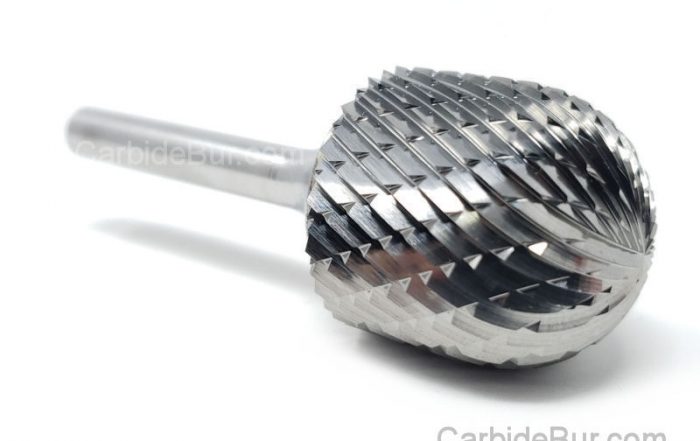
How to Use a Carbide Burr With a Die Grinder
How to Use a Carbide Burr With a Die Grinder Most people treat a carbide burr like just another tool, but using it with a die grinder takes skill. If you’ve struggled with burr installation [...]
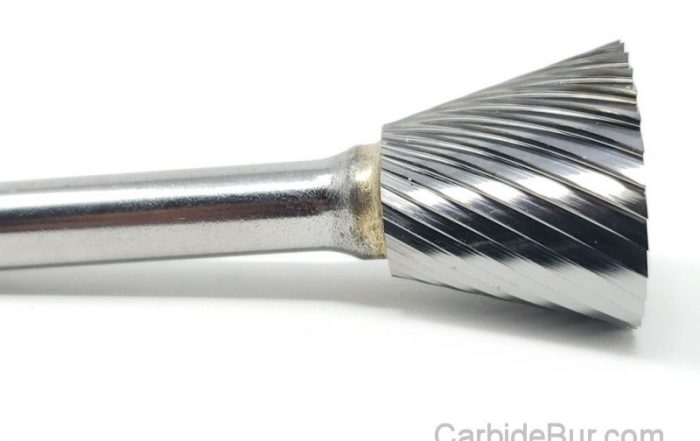
1/8 vs 1/4 Inch Carbide Burrs: What’s the Difference?
1/8 vs 1/4 Inch Carbide Burrs: What's the Difference? Choosing between a 1/8 inch carbide burr and a 1/4 inch carbide burr can change how your project turns out. Many machinists and hobbyists overlook how [...]
Best Carbide Burr for Removing Flash From Castings
Best Carbide Burr for Removing Flash From Castings Removing flash from castings is a task that can slow down your entire metalworking process if you don’t have the right tools. Picking the best carbide burr [...]
What RPM Should You Use for a 1/4 Inch Carbide Burr?
What RPM Should You Use for a 1/4 Inch Carbide Burr? Most machinists guess the right speed for a 1/4 inch carbide burr and hope for the best. Using the wrong carbide burr RPM can [...]
Long Shank Carbide Burrs: When Do You Need One?
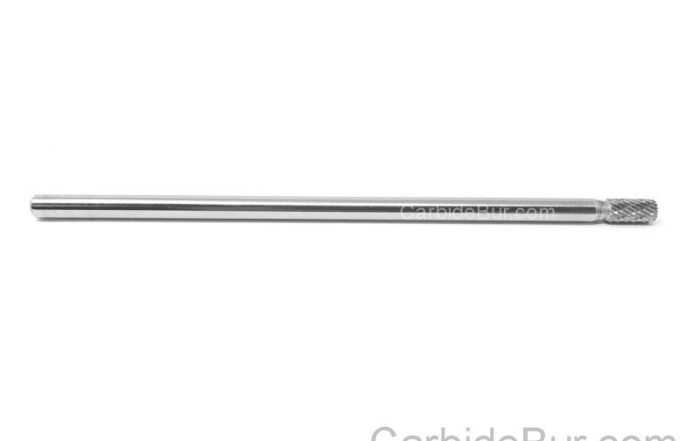
Long Shank Carbide Burrs: When Do You Need One? Most machinists overlook the power of long shank carbide burrs until a project demands precision in tight spaces. When your usual tools can’t reach intricate contours, [...]
How Deep Can a Carbide Burr Cut Metal?
How Deep Can a Carbide Burr Cut Metal? Carbide burrs often get praised for their precision, but many users hit a wall wondering how deep they can actually cut metal. The truth is, cutting depth [...]
How to Use Carbide Burrs for Port Matching
How to Use Carbide Burrs for Port Matching Most engine builds hit a wall when airflow doesn’t flow smoothly between the ports and manifolds. If your engine isn’t breathing right, your performance stalls. Using the [...]
Best Carbide Burr for Porting Intake Manifolds
Best Carbide Burr for Porting Intake Manifolds Porting intake manifolds can make or break your engine’s airflow, yet many struggle with the right tools for the job. Choosing the best carbide burrs is key to [...]
Best Carbide Burr for Concave Surfaces
Best Carbide Burr for Concave Surfaces Concave surfaces can turn a straightforward project into a frustrating challenge if you don’t have the right tool. Carbide burrs designed for these tricky curves make all the difference [...]
How to Grind a Slot in Metal With a Carbide Burr
How to Grind a Slot in Metal With a Carbide Burr Grinding a precise slot in metal can feel like a tricky task, especially if you’re unsure which tools to trust. Carbide burr grinding offers [...]

Best Carbide Burr for Inside Corners
Best Carbide Burr for Inside Corners Working in tight inside corners can turn even simple projects into frustrating tasks. Many carbide burrs just don’t fit or cut cleanly where you need them most. The best [...]
What Size Carbide Burr Do I Need?
What Size Carbide Burr Do I Need? Picking the wrong carbide burr can turn a simple project into a frustrating mess. You might have the best machining tools but still miss the mark if your [...]
