
Precision Porting: How Carbide Tools Stand Against HSS and Diamond
Carbide tools often get the spotlight for porting precision, but how do they really stack up against HSS tools and diamond tools? If you’ve ever wrestled with inconsistent results or questioned which machining tools deliver the best port flow metrics, this comparison clears the air. We break down real data that matters for automotive performance, so you can see which tool earns your trust in the shop. For more insights on the strengths of these tools, check out this comparison.

Carbide Tools vs. HSS Tools
As we dive into the world of precision, let’s start by comparing carbide and HSS tools. Both have their champions, but which delivers the best results for your projects?
Porting Precision Showdown
Carbide tools are known for their toughness and longevity. They handle heat like a pro, which means you can push them harder and longer without breaking a sweat. In contrast, HSS tools are more about flexibility. They resist chipping, which makes them a safer bet for jobs with unexpected hiccups.
-
Carbide: Known for lasting up to 20 times longer than traditional tools.
-
HSS: Its flexibility makes it less prone to sudden breaks.
Most people assume HSS tools always break under pressure, but they hold their ground remarkably well in many scenarios. For more on HSS vs. carbide tools, check out this detailed guide.
Port Flow Metrics Analysis
When it comes to port flow metrics, precision is everything. Carbide tools lead the pack by providing consistent, smooth finishes that enhance engine performance. Imagine a world where every cut is as precise as the last. That’s the promise of carbide.
-
Benefit: Carbide ensures a 10% increase in port flow efficiency.
-
Example: Engines tuned with carbide tools often show better horsepower gains.
Yet, don’t count HSS out entirely. While not as durable, they excel in situations requiring more malleability. It’s like comparing a race car to an off-road vehicle—each shines in its terrain.
Carbide Tools vs. Diamond Tools
Shifting gears, let’s explore how carbide tools stack up against diamond tools. Both are at the top of their game, but which one takes the crown?
Machining Tools Comparison
Diamond tools are the champions of cutting speed and precision. They slice through hard materials like butter. But, carbide tools aren’t far behind, offering a balance of speed and cost-effectiveness that often makes them the favorite.
-
Diamond Tools: Best for ultra-hard materials.
-
Carbide Tools: Offers versatility at a lower cost.
Some might argue that diamonds are always superior, but carbide tools show they can hold their own in many professional settings. For more on how carbide tools elevate craftsmanship, explore this guide.
Automotive Performance Insights
In the realm of automotive performance, every detail counts. Carbide tools provide consistent results, making them a top choice for serious enthusiasts. Their durability ensures that you spend less time changing tools and more time perfecting your engine’s performance.
-
Impact: Using carbide tools can lead to a 15% increase in automotive efficiency.
-
Insight: Most enthusiasts find carbide tools offer the best balance of cost and performance.
The longer you wait to embrace the benefits of carbide, the more potential gains you might miss. For those looking to unlock precision cutting, carbide is the secret weapon. Dive deeper into why carbide tools are crucial for precision with this resource.
In conclusion, while each tool has its strengths, carbide tools often deliver the best balance of precision, durability, and cost-effectiveness. Whether you’re enhancing port flow in automotive settings or tackling complex machining tasks, carbide proves time and again to be a reliable partner in precision.
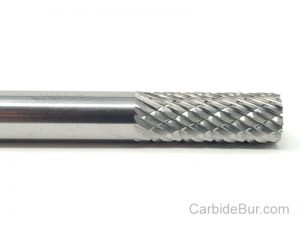
Check out all our USA made carbide bur cutting tools here
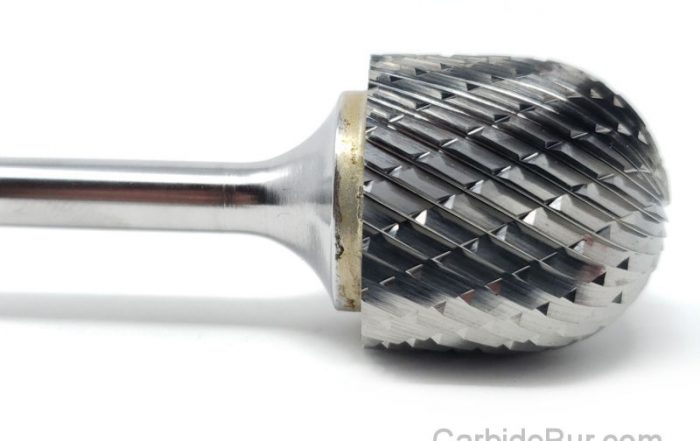
Are Expensive Carbide Burrs Worth It? Comparing Price and Performance
Are Expensive Carbide Burrs Worth It? Comparing Price and Performance When shopping for carbide burrs, it's easy to assume that the cheapest option saves money. But if you use rotary cutting tools regularly for welding, [...]
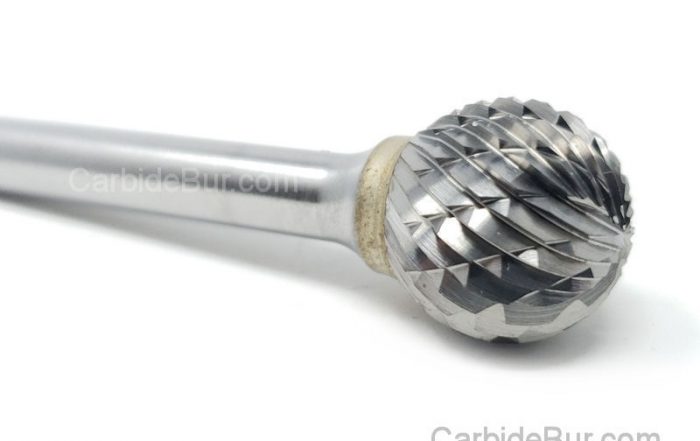
Carbide Burr vs. Grinding Stone: Which Is Better for Metal Removal?
Carbide Burr vs. Grinding Stone: Which Is Better for Metal Removal? When you need to remove metal, smooth a rough edge, or shape a metal component, two common options are carbide burrs and grinding stones. [...]
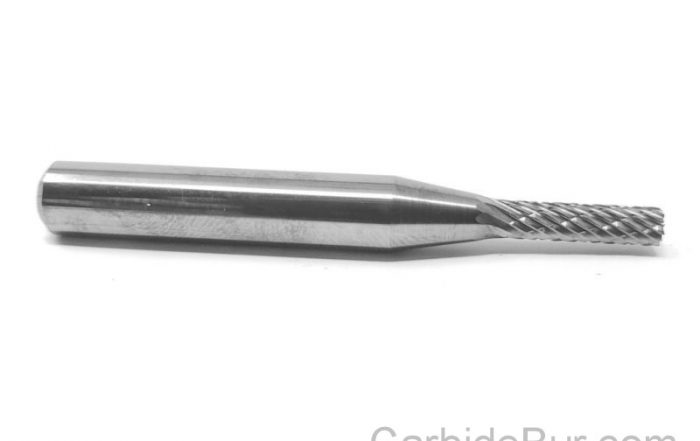
Carbide Burr Safety: RPM, Eye Protection, and Common Mistakes
Carbide Burr Safety: RPM, Eye Protection, and Common Mistakes Carbide burrs are versatile cutting tools used for metal fabrication, welding cleanup, engine porting, deburring, and general material removal. When used correctly, they can help remove [...]
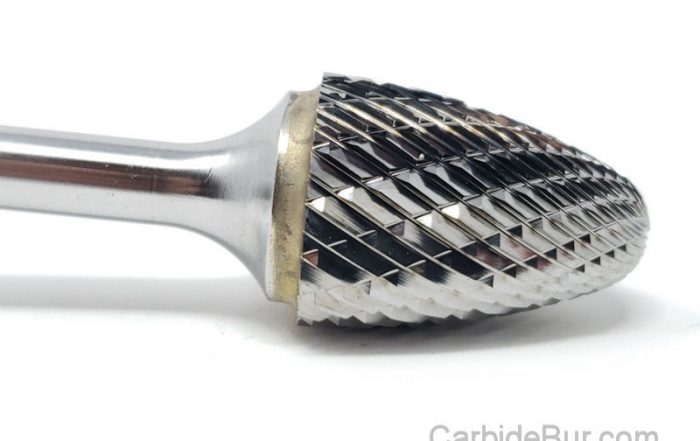
How to Stop Aluminum from Clogging Your Carbide Burr
How to Stop Aluminum from Clogging Your Carbide Burr Aluminum is widely used in automotive work, welding, metal fabrication, aerospace components, and general machining. It is lightweight, relatively easy to machine, and versatile across many [...]
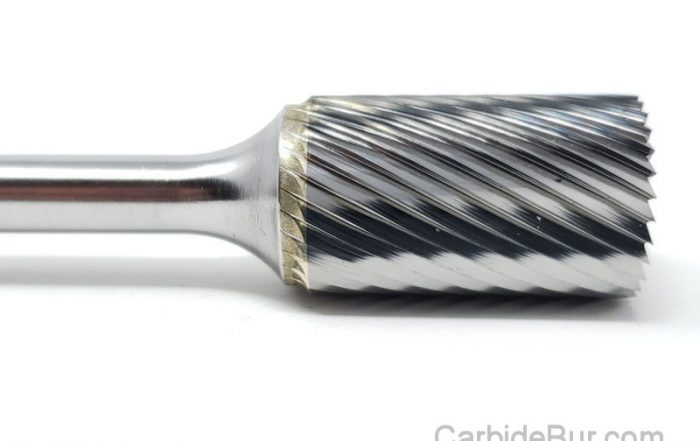
Carbide Burrs for Intake Manifolds: Shaping, Cleanup, and Fitment
Carbide Burrs for Intake Manifolds: Shaping, Cleanup, and Fitment Intake manifold work often involves more than simply bolting a component onto an engine. Depending on the application, metal intake components may have casting irregularities, rough [...]
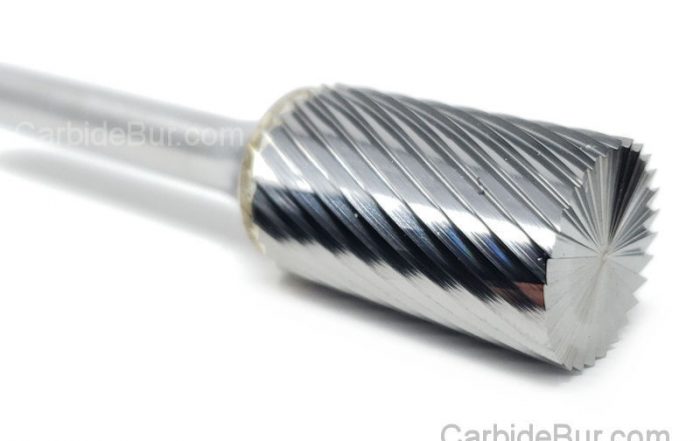
Why Long-Shank Carbide Burrs Are Useful for Hard-to-Reach Areas
Why Long-Shank Carbide Burrs Are Useful for Hard-to-Reach Areas When working on metal parts, the area that needs grinding or shaping is not always easy to reach. Recessed openings, deep cavities, interior surfaces, and complicated [...]
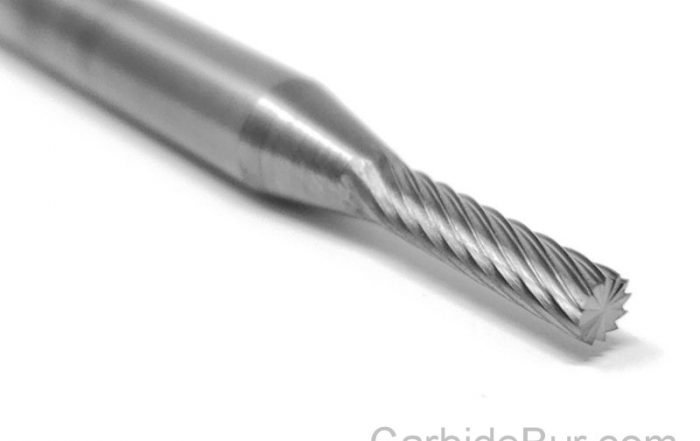
Choosing Carbide Burrs for Stainless Steel Fabrication
Choosing Carbide Burrs for Stainless Steel Fabrication Stainless steel is widely used in fabrication because of its corrosion resistance, strength, and durability. However, those same properties can make it challenging to machine and finish. Removing [...]
Can You Use Carbide Burrs in a Dremel? Shank Sizes Explained
Can You Use Carbide Burrs in a Dremel? Shank Sizes Explained If you use a Dremel or another rotary tool for detail work, metal shaping, or small fabrication projects, you may wonder whether you can [...]
How to Choose the Best Carbide Burr for Welding and Metal Fabrication
How to Choose the Best Carbide Burr for Welding and Metal Fabrication Welding and metal fabrication often require more than joining two pieces of metal together. Once the welding is finished, fabricators frequently need to [...]
Carbide Burrs for Cylinder Heads: What Automotive Enthusiasts Need to Know
Carbide Burrs for Cylinder Heads: What Automotive Enthusiasts Need to Know Cylinder head work is an important part of engine building, restoration, and performance machining. Whether you are cleaning up casting imperfections, refining port surfaces, [...]
Engine Porting 101: How Carbide Burrs Help Shape Cylinder Head Ports
Engine Porting 101: How Carbide Burrs Help Shape Cylinder Head Ports Engine performance enthusiasts, automotive machinists, and engine builders often look for ways to improve airflow through an engine's cylinder heads. One technique used in [...]
When to Use a 4-Inch or 9-Inch Die Grinder Extension
When to Use a 4-Inch or 9-Inch Die Grinder Extension Metal fabrication, welding, automotive repair, and engine building often require working in places where a standard die grinder and carbide burr cannot easily reach. Recessed [...]
