
Mastering Machining: Steps to Prevent Burr Chatter for Perfect Finishes
Burr chatter wrecks more finished parts than most machinists realize. When vibration sneaks into your cutting process, it leaves behind rough edges and mistakes that slow you down. This post breaks down key machining techniques—from tool selection to workpiece clamping—that stop burr chatter in its tracks and help you improve machining quality with every cut. For more insights, check out this resource on reducing chatter and vibration in end milling.
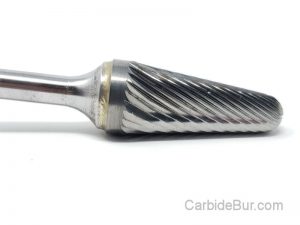
Have you tried using carbide burr tools for your job?
Understanding Burr Chatter
Grasping the concept of burr chatter is essential for anyone involved in machining. This phenomenon can ruin your hard work, but knowing its causes and effects helps you tackle it effectively.
Causes of Burr Chatter
Burr chatter stems from vibration during cutting, which often results from several factors. Firstly, tool wear plays a significant role. As your tools age, they become less sharp and more prone to causing vibrations. Secondly, incorrect cutting parameters are common culprits. If your speed and feed aren’t set right, chatter can sneak in. Lastly, inadequate workpiece clamping can lead to movement, setting off a cascade of issues. To explore more on this topic, visit this discussion on chatter in machining.
Effects on Surface Finish
The impact of burr chatter on surface finish is significant. Vibrations lead to rough surfaces, which can increase friction and wear over time. This roughness not only affects aesthetics but also compromises component functionality. For instance, a rough finish might lead to parts not fitting together as intended. Moreover, poor finishes can increase the need for post-processing, adding time and cost to your projects. Most people think they can ignore slight roughness, but even minor imperfections can have major implications.
Common Machining Errors
Machining errors often arise from misunderstanding the causes of burr chatter. Common mistakes include using dull tools, selecting inappropriate speeds, and neglecting proper clamping techniques. Each of these errors can independently lead to chatter, but together, they amplify the problem. It’s crucial to address each aspect systematically. For practical advice, consider reading about ways to reduce chatter and vibrations.
Essential Tool Selection
Choosing the right tools is paramount in your fight against burr chatter. The right choice can drastically reduce vibration and enhance your machining quality.
Types of Cutting Tools
Different cutting tools serve various purposes, and selecting the right one is key. Carbide tools are known for their durability and precision, making them ideal for hard materials. On the other hand, high-speed steel is more suitable for softer materials. Your choice impacts not just the quality of the cut but also tool longevity. When choosing tools, consider their geometry as well. The angle and shape of a tool can significantly influence its performance and the likelihood of chatter.
Material Compatibility
Matching your tool material to your workpiece is crucial. Using the wrong tool can lead to increased wear and chatter. For example, carbide tools work well with high-carbon steels due to their hardness. However, using them on softer materials can be overkill and lead to unnecessary wear. Understanding the compatibility between your tool and the workpiece ensures you achieve the desired results without compromising tool life.
Tool Maintenance Tips
Regular tool maintenance can prevent burr chatter and extend tool life. Keep your tools sharp, as dull edges are more prone to causing vibrations. Inspect your tools before each use for any signs of wear or damage. If you notice any issues, address them immediately. Regularly clean your tools to prevent build-up that could affect performance. Consistent maintenance practices can significantly reduce the occurrence of chatter, ensuring smoother operations.

Optimizing Cutting Parameters
Fine-tuning your cutting parameters is a game-changer in preventing burr chatter. It requires attention to detail but offers substantial rewards.
Adjusting Speed and Feed
Speed and feed are critical parameters that need precise adjustment. If your speed is too high, it can cause excessive vibration, leading to chatter. Conversely, too low a speed might not effectively cut the material, causing additional stress. Balancing these factors is crucial. Start with recommended settings for your tools and materials, then adjust based on your observations. Monitor the process closely to find the sweet spot that minimizes chatter.
Depth of Cut Considerations
The depth of cut can significantly influence chatter. A deeper cut requires more power and can lead to increased vibrations. On the other hand, a shallow cut might not be effective, causing the tool to rub rather than cut. It’s essential to find a balance that allows for efficient cutting without introducing excessive vibration. Experiment with different depths to see what works best for your setup.
Tool Path Strategies
Strategic planning of your tool path can help reduce chatter. Consider the direction and sequence of cuts: these can influence the stability of your workpiece and the amount of vibration. Opt for a path that minimizes rapid changes in direction, as these can increase vibration. Simulating your tool path before actual cutting can help identify potential issues.
Effective Workpiece Clamping
Proper clamping is vital to ensure your workpiece remains stable throughout the machining process, reducing the chances of burr chatter.
Choosing Clamping Methods
Different materials and shapes require unique clamping methods. For flat surfaces, a simple vise can suffice, but irregular shapes might need custom fixtures. The key is ensuring that the workpiece is held securely without deformation. Evaluate your setup and make adjustments as necessary to maintain stability.
Ensuring Stability
Stability is critical in preventing chatter. Your clamping solution should hold the workpiece firmly without causing distortion. Use clamps that distribute pressure evenly across the surface. If your workpiece moves during cutting, it’s a clear sign that your clamping needs reevaluation.
Reducing Vibration
Reducing vibrations starts with a secure setup. Ensure all components are tightened properly and that your machine is on a stable surface. Consider using vibration-dampening materials or devices to reduce movement. Even minor vibrations can lead to chatter, so addressing them proactively is essential.
Advanced Machining Techniques
Beyond the basics, advanced techniques can further minimize burr chatter and enhance machining quality.
Using Damping Solutions
Damping solutions can significantly reduce vibrations. These include using damped tools or adding damping materials to your setup. These solutions absorb and dissipate energy, reducing the risk of chatter. Investigate options that suit your specific needs and incorporate them into your process.
Incorporating Cutting Fluids
Cutting fluids play a crucial role in reducing friction and heat. They help maintain the tool’s integrity and prevent chatter. Choose fluids suitable for your materials and tools, and apply them correctly. This practice not only improves surface finish but also prolongs tool life.
Monitoring and Feedback Systems
Investing in monitoring systems can provide real-time feedback on your machining process. These systems help you identify issues as they arise, allowing for quick adjustments. By keeping an eye on key metrics, you can prevent chatter before it becomes a problem. Advanced systems offer insights that can lead to significant improvements in machining quality.
By understanding and addressing the causes of burr chatter, you can enhance your machining processes. Implement these strategies to reduce chatter, improve finishes, and optimize tool life. Your journey to mastering machining begins with these essential insights.
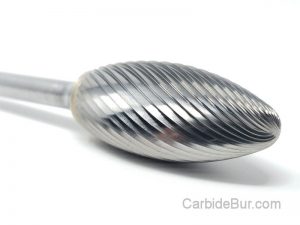
Looking for Carbide Bur Tools?
Check out our entire selection of USA made carbide bur die grinder tool bits
Follow us on Twitter

Return to CarbideBur.com
Carbide Burs – 1/4″ on 1/8″ Shanks – Accessories – Aluminum Cut – Bur Sets – End Mills – Long Shank – Solid Burs
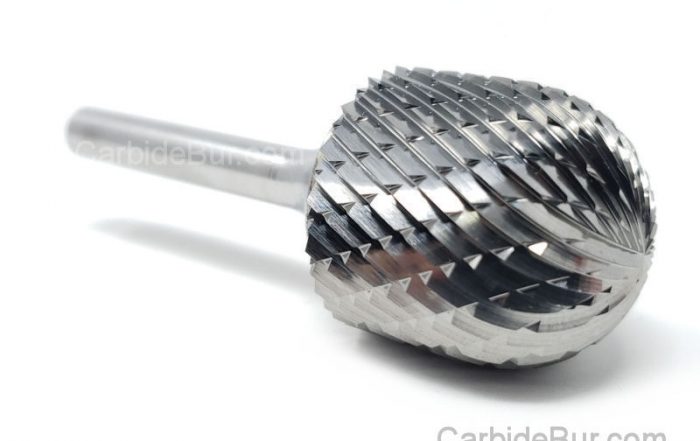
How to Use a Carbide Burr With a Die Grinder
How to Use a Carbide Burr With a Die Grinder Most people treat a carbide burr like just another tool, but using it with a die grinder takes skill. If you’ve struggled with burr installation [...]
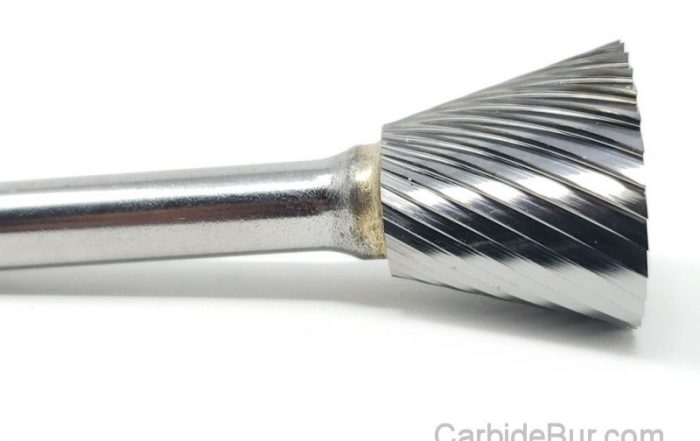
1/8 vs 1/4 Inch Carbide Burrs: What’s the Difference?
1/8 vs 1/4 Inch Carbide Burrs: What's the Difference? Choosing between a 1/8 inch carbide burr and a 1/4 inch carbide burr can change how your project turns out. Many machinists and hobbyists overlook how [...]

Best Carbide Burr for Removing Flash From Castings
Best Carbide Burr for Removing Flash From Castings Removing flash from castings is a task that can slow down your entire metalworking process if you don’t have the right tools. Picking the best carbide burr [...]
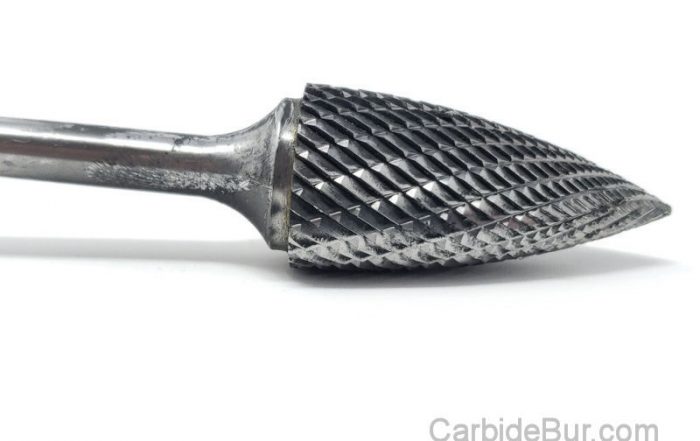
What RPM Should You Use for a 1/4 Inch Carbide Burr?
What RPM Should You Use for a 1/4 Inch Carbide Burr? Most machinists guess the right speed for a 1/4 inch carbide burr and hope for the best. Using the wrong carbide burr RPM can [...]
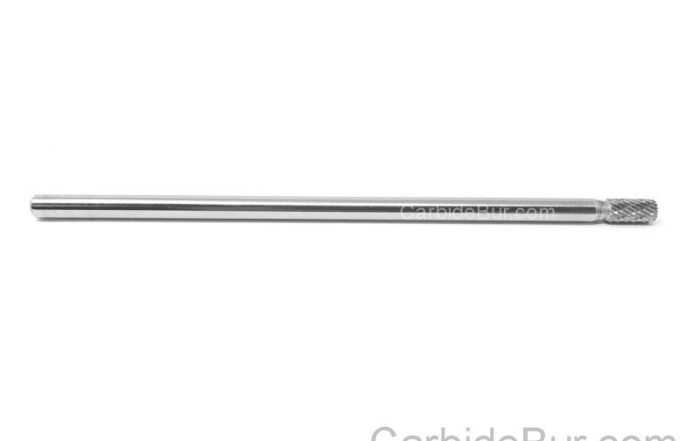
Long Shank Carbide Burrs: When Do You Need One?
Long Shank Carbide Burrs: When Do You Need One? Most machinists overlook the power of long shank carbide burrs until a project demands precision in tight spaces. When your usual tools can’t reach intricate contours, [...]
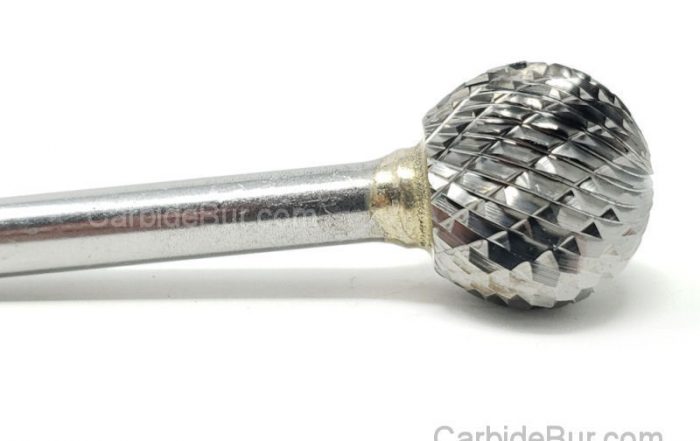
How Deep Can a Carbide Burr Cut Metal?
How Deep Can a Carbide Burr Cut Metal? Carbide burrs often get praised for their precision, but many users hit a wall wondering how deep they can actually cut metal. The truth is, cutting depth [...]
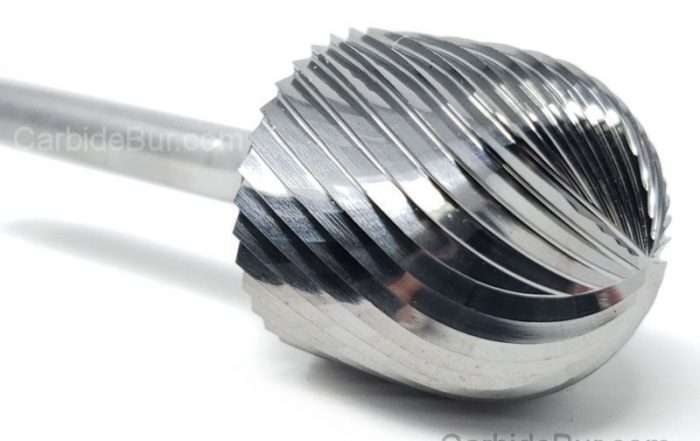
How to Use Carbide Burrs for Port Matching
How to Use Carbide Burrs for Port Matching Most engine builds hit a wall when airflow doesn’t flow smoothly between the ports and manifolds. If your engine isn’t breathing right, your performance stalls. Using the [...]
Best Carbide Burr for Porting Intake Manifolds
Best Carbide Burr for Porting Intake Manifolds Porting intake manifolds can make or break your engine’s airflow, yet many struggle with the right tools for the job. Choosing the best carbide burrs is key to [...]
Best Carbide Burr for Concave Surfaces
Best Carbide Burr for Concave Surfaces Concave surfaces can turn a straightforward project into a frustrating challenge if you don’t have the right tool. Carbide burrs designed for these tricky curves make all the difference [...]
How to Grind a Slot in Metal With a Carbide Burr
How to Grind a Slot in Metal With a Carbide Burr Grinding a precise slot in metal can feel like a tricky task, especially if you’re unsure which tools to trust. Carbide burr grinding offers [...]

Best Carbide Burr for Inside Corners
Best Carbide Burr for Inside Corners Working in tight inside corners can turn even simple projects into frustrating tasks. Many carbide burrs just don’t fit or cut cleanly where you need them most. The best [...]
What Size Carbide Burr Do I Need?
What Size Carbide Burr Do I Need? Picking the wrong carbide burr can turn a simple project into a frustrating mess. You might have the best machining tools but still miss the mark if your [...]
