
Expert Tips on Choosing Carbide and Diamond Burrs for Metalworking Success
Most metalworkers struggle to get clean cuts on stainless steel because it’s tough and wears down tools fast. Picking the right burr makes all the difference in cutting performance and finish quality. We’ll break down which burrs for stainless steel work best, from carbide burrs to diamond burrs, and guide you on shapes and sizes to match your task. Keep reading to sharpen your skills and get the job done right every time. For more insights, check out this comprehensive guide.
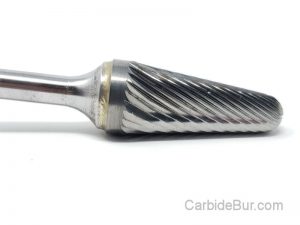
Have you tried using carbide burr tools for your job?
Understanding Burrs for Stainless Steel
When you work with stainless steel, it’s crucial to understand why this material poses unique challenges and how the right burrs can make your job easier. Let’s explore what makes stainless steel tough to cut and why selecting the right burr is essential.
Why Stainless Steel is Challenging
Stainless steel is known for its strength and resistance to rust. This makes it a top choice in many industries, yet its hardness can be a headache for metalworkers. The cutting resistance of stainless steel can quickly wear down tools, slowing your progress and affecting precision. You need tools that stand up to the task. Most people think any burr will do, but that’s where mistakes happen. Without the right burr, you risk damaging both the tool and the workpiece. Learn more about choosing the right bits for your project.
Importance of Choosing the Right Burr
Picking the right burr transforms your cutting performance. You’ll notice cleaner cuts, less tool wear, and more efficient work. The key is matching the burr type to your specific task. Each burr has a particular strength, whether it’s carbide for its durability or diamond for its precision. Choosing the right one means understanding their unique features and applications. With the right selection, you gain control over the material, achieving precise results every time. To dive deeper into burr selection, check out this expert advice.
Exploring Carbide Burrs
Now that we understand the basics, let’s delve into carbide burrs. They are a popular choice among metalworkers and for good reason. What makes them stand out?
Advantages of Carbide Burrs
Carbide burrs are prized for their durability. They handle tough materials like stainless steel, maintaining sharpness even under pressure. This means fewer tool changes and more consistent performance. You’ll appreciate their strength when working on intricate designs or heavy-duty tasks. Carbide burrs also produce less heat during cutting. This reduces the risk of overheating your workpiece, maintaining its integrity. When you need reliability, carbide burrs are the go-to choice.
Best Practices for Carbide Burrs
Using carbide burrs effectively requires some know-how. First, ensure your tool matches the RPM recommendations to maximize cutting efficiency. High speeds can wear down the burr faster, so adjust accordingly. Second, keep your burrs clean. Debris buildup can affect performance and lead to uneven cuts. A quick clean after each use extends the life of your tools. Lastly, practice steady hand pressure. Let the burr do the work without forcing it. This prevents unnecessary wear and gives you a smoother finish. For more tips, watch this informative video.
The Benefits of Diamond Burrs
While carbide burrs are great for durability, diamond burrs offer their own set of advantages. Let’s see when you should consider using them.

When to Use Diamond Burrs
Diamond burrs shine in tasks requiring high precision. Their abrasive surface provides a smooth finish, which is perfect for detailed work. If your project involves intricate designs or delicate edges, diamond burrs deliver the finesse you need. They also excel in applications where carbide burrs might struggle, particularly in grinding or polishing. Most people assume diamond burrs are only for specific tasks, but their versatility can surprise you.
Enhancing Cutting Performance
Choosing diamond burrs can elevate your work to new levels of precision and quality. They are particularly effective in achieving a polished surface, reducing the need for additional finishing steps. This saves you time and effort, enhancing overall cutting performance. The longer you wait to try them, the more you miss out on their benefits. Investing in diamond burrs means investing in the quality of your work. For a deeper understanding, check out this resource on burr selection.
Selecting the Perfect Burr Type
With options like carbide and diamond burrs, how do you choose the perfect one for your task? Let’s explore how to match burr shapes and sizes to your specific needs.
Matching Burr Shapes to Tasks
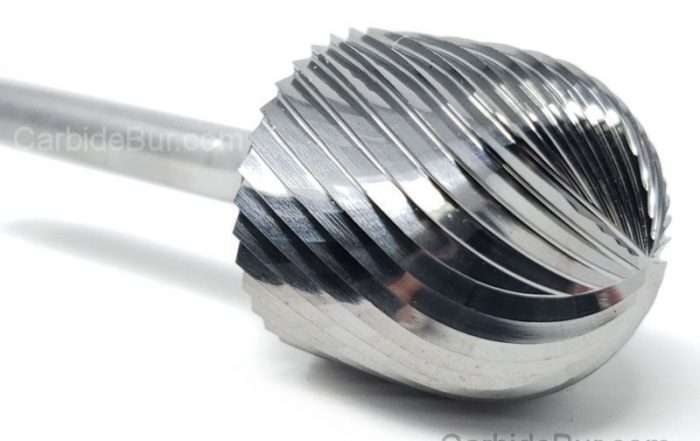
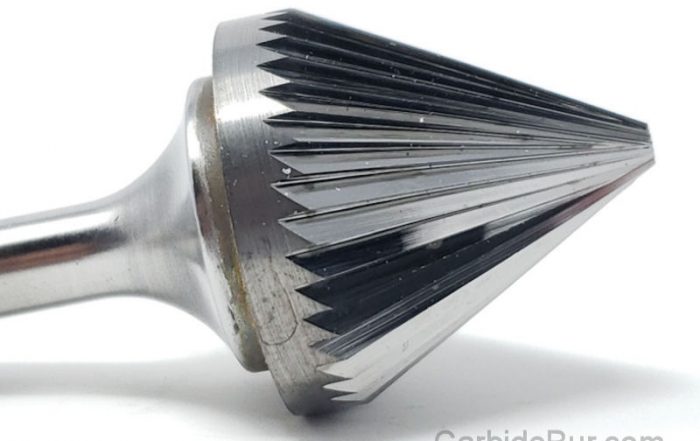
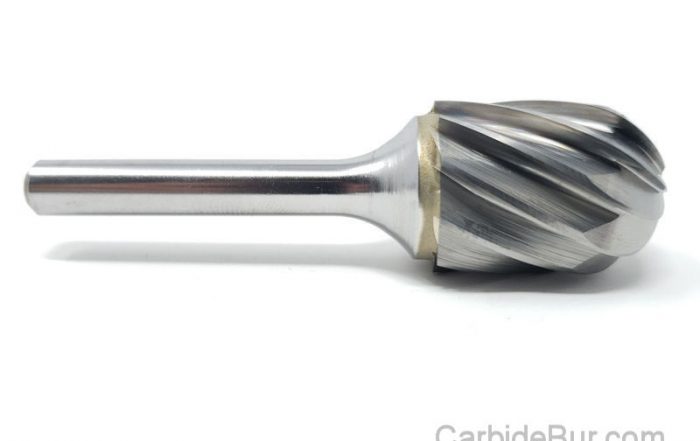
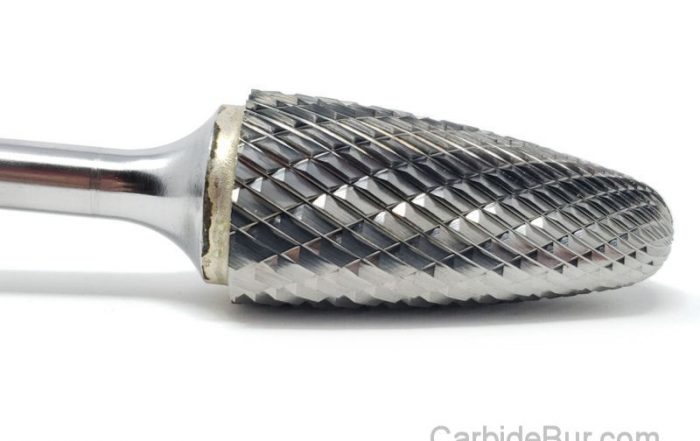
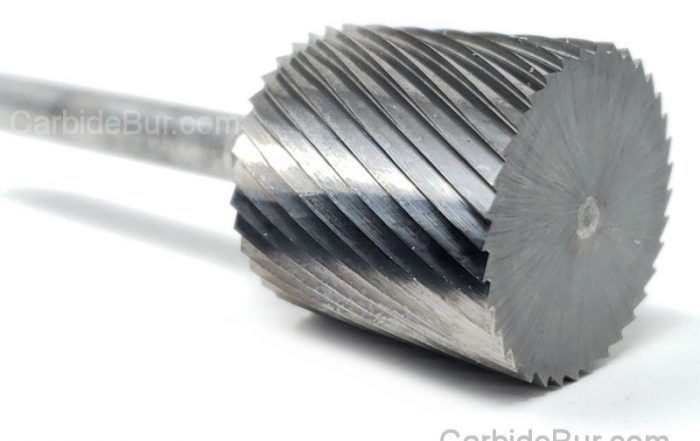
Each burr shape serves a unique purpose. For example, cylindrical burrs are great for surface work, while ball-shaped burrs tackle rounded edges. Choosing the right shape can greatly impact your work efficiency. Analyze your project requirements and select a burr that complements the task at hand. It’s vital to understand these nuances to avoid common mistakes and achieve the best results.
Choosing the Correct Burr Size
Burr size plays a crucial role in determining precision and control. Smaller burrs offer more control for intricate work, while larger burrs handle bulk material removal efficiently. Matching the burr size to your application ensures optimal performance and results. Consider the balance between control and cutting speed when selecting your burr size. Remember, precision often requires the right tool dimensions.
Expert Tips for Metalworking Success
By now, you have insights into choosing the right burrs. Let’s conclude with some expert tips to ensure your metalworking success.
Maintaining Burr Longevity
To extend the life of your burrs, proper maintenance is key. Regular cleaning removes debris that can dull the cutting edges. Store your burrs in a dry, safe place to prevent rust. Following these steps ensures you get the most out of your investment, maintaining peak cutting performance over time.
Safety Tips for Metalworkers
Safety should always be a priority. When using burrs, wear protective gear like goggles and gloves. Ensure your work area is well-lit and organized to prevent accidents. Following these guidelines keeps you safe and focused on achieving metalworking success. Your safety and success start with the right tools and practices.
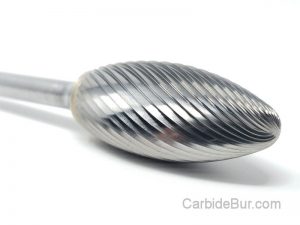
Looking for Carbide Bur Tools?
Check out our entire selection of USA made carbide bur die grinder tool bits
Follow us on Twitter

Return to CarbideBur.com
Carbide Burs – 1/4″ on 1/8″ Shanks – Accessories – Aluminum Cut – Bur Sets – End Mills – Long Shank – Solid Burs
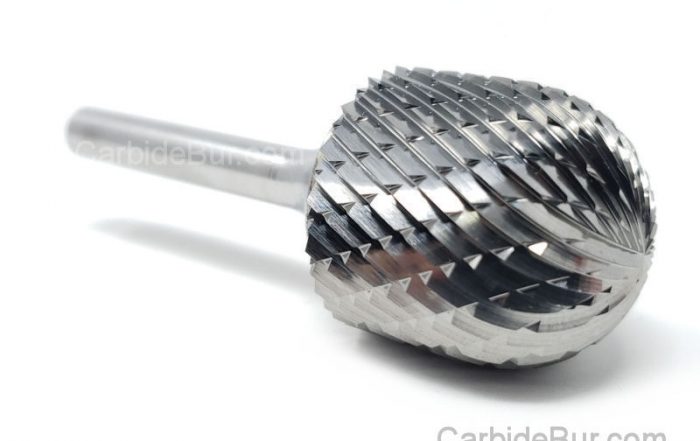
How to Use a Carbide Burr With a Die Grinder
How to Use a Carbide Burr With a Die Grinder Most people treat a carbide burr like just another tool, but using it with a die grinder takes skill. If you’ve struggled with burr installation [...]
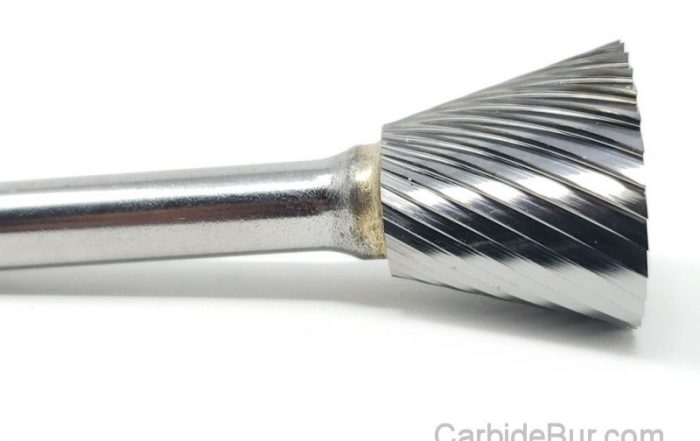
1/8 vs 1/4 Inch Carbide Burrs: What’s the Difference?
1/8 vs 1/4 Inch Carbide Burrs: What's the Difference? Choosing between a 1/8 inch carbide burr and a 1/4 inch carbide burr can change how your project turns out. Many machinists and hobbyists overlook how [...]
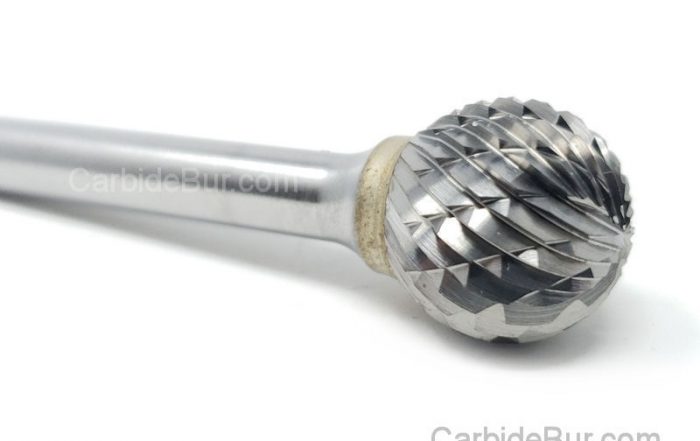
Best Carbide Burr for Removing Flash From Castings
Best Carbide Burr for Removing Flash From Castings Removing flash from castings is a task that can slow down your entire metalworking process if you don’t have the right tools. Picking the best carbide burr [...]
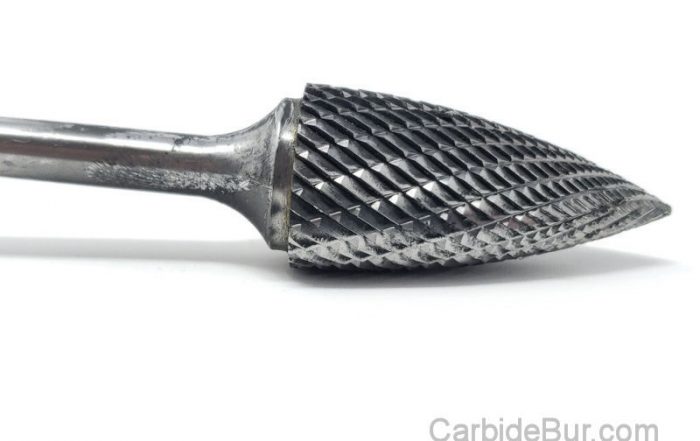
What RPM Should You Use for a 1/4 Inch Carbide Burr?
What RPM Should You Use for a 1/4 Inch Carbide Burr? Most machinists guess the right speed for a 1/4 inch carbide burr and hope for the best. Using the wrong carbide burr RPM can [...]
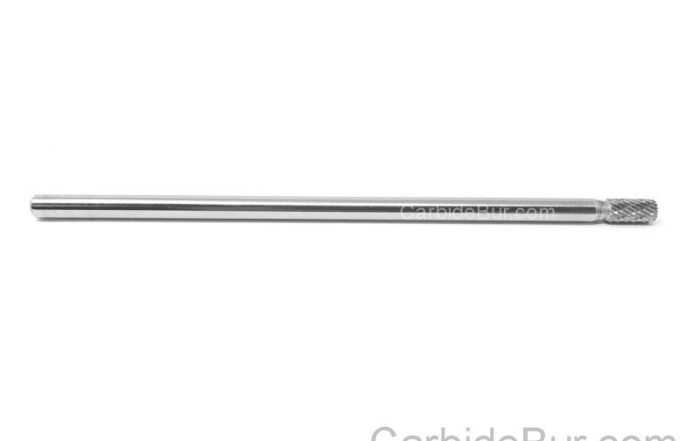
Long Shank Carbide Burrs: When Do You Need One?
Long Shank Carbide Burrs: When Do You Need One? Most machinists overlook the power of long shank carbide burrs until a project demands precision in tight spaces. When your usual tools can’t reach intricate contours, [...]
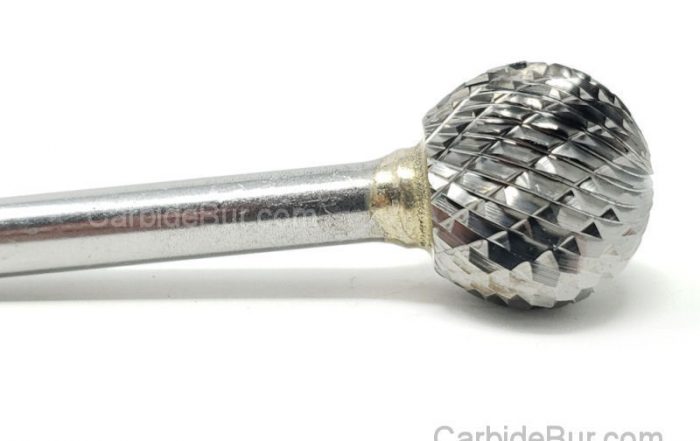
How Deep Can a Carbide Burr Cut Metal?
How Deep Can a Carbide Burr Cut Metal? Carbide burrs often get praised for their precision, but many users hit a wall wondering how deep they can actually cut metal. The truth is, cutting depth [...]
How to Use Carbide Burrs for Port Matching
How to Use Carbide Burrs for Port Matching Most engine builds hit a wall when airflow doesn’t flow smoothly between the ports and manifolds. If your engine isn’t breathing right, your performance stalls. Using the [...]
Best Carbide Burr for Porting Intake Manifolds
Best Carbide Burr for Porting Intake Manifolds Porting intake manifolds can make or break your engine’s airflow, yet many struggle with the right tools for the job. Choosing the best carbide burrs is key to [...]
Best Carbide Burr for Concave Surfaces
Best Carbide Burr for Concave Surfaces Concave surfaces can turn a straightforward project into a frustrating challenge if you don’t have the right tool. Carbide burrs designed for these tricky curves make all the difference [...]
How to Grind a Slot in Metal With a Carbide Burr
How to Grind a Slot in Metal With a Carbide Burr Grinding a precise slot in metal can feel like a tricky task, especially if you’re unsure which tools to trust. Carbide burr grinding offers [...]

Best Carbide Burr for Inside Corners
Best Carbide Burr for Inside Corners Working in tight inside corners can turn even simple projects into frustrating tasks. Many carbide burrs just don’t fit or cut cleanly where you need them most. The best [...]
What Size Carbide Burr Do I Need?
What Size Carbide Burr Do I Need? Picking the wrong carbide burr can turn a simple project into a frustrating mess. You might have the best machining tools but still miss the mark if your [...]
