
Cutting Edge Care: Strategies for Optimizing Carbide Burr Performance
Chipping and breaking your carbide burrs wastes time and money on every project. You might already know some basics, but the right feed rates and tool choices make all the difference. This guide covers key carbide burr maintenance and burr longevity tips to keep your metalworking tools sharp and reliable longer. Stick with us to boost your burr performance optimization and cut down on costly replacements. Check out more on [https://www.soobill.com/news/ultimate-guide-carbide-burrs-for-steel/].
Click here for our entire selection of carbide bur tools
Mastering Carbide Burr Techniques
Let’s dive into the art of mastering carbide burr techniques. Whether you’re a seasoned metalworker or just getting started, understanding the right way to handle these tools can make a big difference.
Understanding Proper Feed Rates
Getting the feed rate right is crucial for your carbide burr’s performance. Moving the burr too quickly or slowly can lead to wear and tear. Start by understanding your material. Harder materials often require slower feed rates. For softer ones, you can speed things up. This balance ensures smooth cuts and extends the life of your tool.
Test different speeds with a scrap piece first. Take note of which rate gives the best result. This simple step can help you avoid mistakes when working on actual parts. By mastering feed rates, you ensure your burrs work efficiently and last longer.
Maintaining Sharp Cutting Edges
Sharp edges on your burr mean cleaner cuts and less effort. Regularly check the burrs for dullness. A dull burr can lead to uneven edges and more strain on your tools. Keep a tiny sharpening stone handy. A few quick strokes can restore sharpness and keep your projects on track.
Remember, it’s easier to maintain than to replace. Regular touch-ups help avoid major wear, saving you time and money. By keeping your burrs sharp, you ensure efficiency in every cut, enhancing overall performance.
Selecting the Right Burr
Choosing the right burr for the job is like picking the right tool from a toolbox. Each type of burr has a specific use. For instance, a double cut carbide burr is great for finishing. In contrast, a single cut is better for heavy material removal.
Consider the material you’re working with. A carbide burr for die grinder might be perfect for your metalwork, but less so for softer projects. With the right burr, you can tackle tasks efficiently and effectively. Explore more about selecting the best burr here.
Enhancing Burr Longevity
Preserving the life of your burrs ensures they’re ready for every project. Let’s explore how you can enhance their longevity.
Avoiding Chipping and Breaking
Chipping is a common issue that can sideline your projects. To avoid this, apply consistent pressure when using your burrs. Sudden force can cause breaks. Also, avoid angles that put stress on the tip. Instead, use a gentle touch and steady hand.
If you notice signs of wear, it’s time to inspect your tools. Sometimes, chipping starts small. Address it early, and you can prevent more serious damage. With proper care, you protect your investment and ensure long-lasting performance.
Regular Maintenance Practices
Routine maintenance keeps your burrs in top shape. Start by cleaning them after each use. Dust and debris can settle, causing issues over time. Use a soft brush or cloth to wipe them down. This simple habit can add years to your burr’s life.
Inspect for any wear or tear regularly. Catching small issues early means fewer problems later. By staying proactive, you ensure your tools are always ready for action. This practice not only saves money but also enhances your workflow.
Burr Storage Solutions
Proper storage is key to burr longevity. Keep your tools in a dry, clean area. Avoid places where they can knock against each other, causing scratches or chips. Investing in a case or organizer can help.
A dedicated space for your tools means they’re always in the best condition. Plus, it makes it easy to find the right burr when you need it. By prioritizing storage, you protect your burrs from unnecessary damage and ensure they last.
Optimizing Burr Performance
Optimization means getting the most out of what you have. Let’s explore how you can elevate your burr performance.
Matching Burrs to Materials
Match your burr to the material for the best results. Different materials require different burr types. For example, tungsten carbide burrs are ideal for hard metals. In contrast, softer materials might need a different approach.
Test out different combinations and see what works best for your project. By aligning the right burr with the right material, you ensure efficiency and precision in every cut. Learn more about material matching here.
Choosing High-Quality Burr Sets
Investing in high-quality burr sets can make a difference in your projects. While they may cost more upfront, the results speak for themselves. High-quality means fewer replacements and better performance.
Look for sets that have a range of burrs. A diverse set allows you to tackle various tasks with ease. By choosing quality, you ensure reliability and efficiency in every project.
Using the Right Tools for Tasks
Having the right tool for the job makes everything smoother. Ensure you’re using the correct carbide rotary burr for each task. The wrong tool can lead to mistakes and extra effort. Take the time to understand your tools and their specific uses.
If you’re unsure, consult resources or ask experienced professionals. By equipping yourself with the right knowledge and tools, you ensure every project is a success. Discover more about using the right tools here.
In conclusion, taking the time to master your carbide burr techniques, enhance their longevity, and optimize their performance will yield significant benefits. By following these straightforward tips, you extend the life of your tools and improve your project’s outcomes. Keep these strategies in mind, and you’ll be well on your way to metalworking success.
Click here for our entire selection of carbide bur tools
Carbide Burr Safety: 15 Mistakes That Can Cause Injury or Damage
Carbide Burr Safety: 15 Mistakes That Can Cause Injury or Damage Carbide burr safety is often overlooked until a costly mistake happens. Many metalworkers and DIYers make the same errors that lead to injuries or [...]
Can You Use a Carbide Burr in a Drill?
Can You Use a Carbide Burr in a Drill? Most people think a standard drill can’t handle a carbide burr, but that’s not true. Using carbide burr in the right drill can speed up your [...]
Carbide Burrs for Removing Rust: What Works Best?
Carbide Burrs for Removing Rust: What Works Best? Rust can turn your favorite tools into useless junk faster than you expect. Removing it without ruining the metal underneath takes more than just elbow grease—it demands [...]
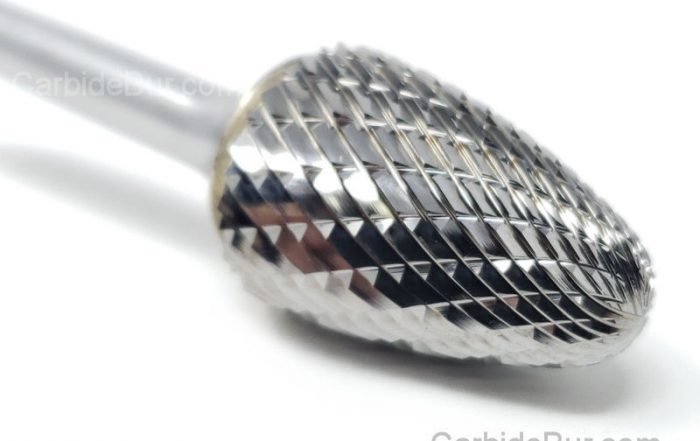
How Much Pressure Should You Use With a Carbide Burr?
How Much Pressure Should You Use With a Carbide Burr? Most people think pressing harder with a carbide burr speeds up the job. That’s not true—too much pressure wears out your tool and ruins the [...]
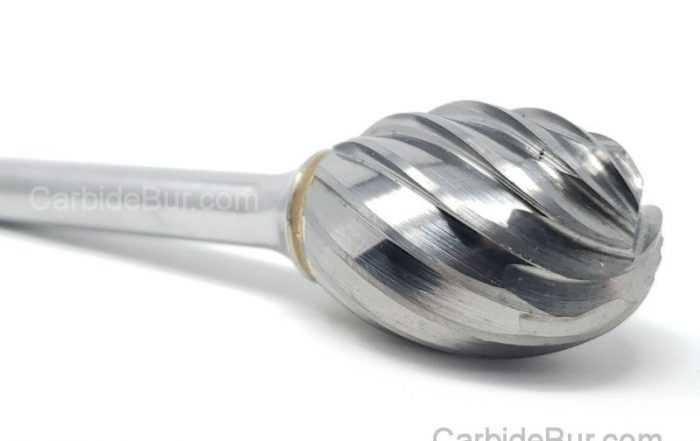
Can You Use Carbide Burrs With an Air Die Grinder?
Can You Use Carbide Burrs With an Air Die Grinder? Most people don’t realize how well carbide burrs work with air die grinders until they try them. If you’ve ever struggled with finding the right [...]
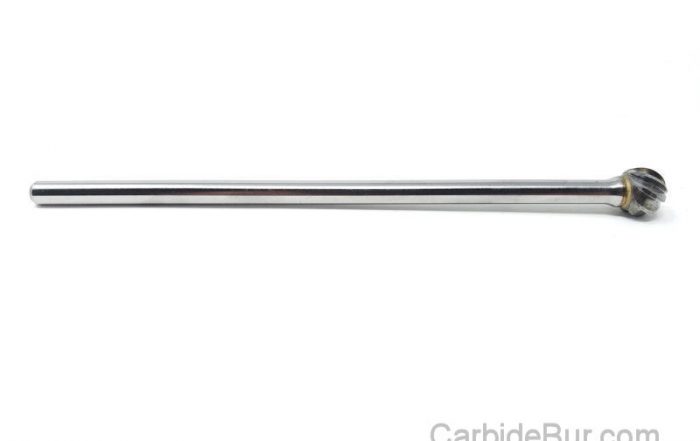
Best Long Reach Carbide Burr for Deep Metal Work
Best Long Reach Carbide Burr for Deep Metal Work Long reach carbide burrs often promise deep metal access, but many fall short where it counts most. You need a tool that cuts cleanly, lasts through [...]
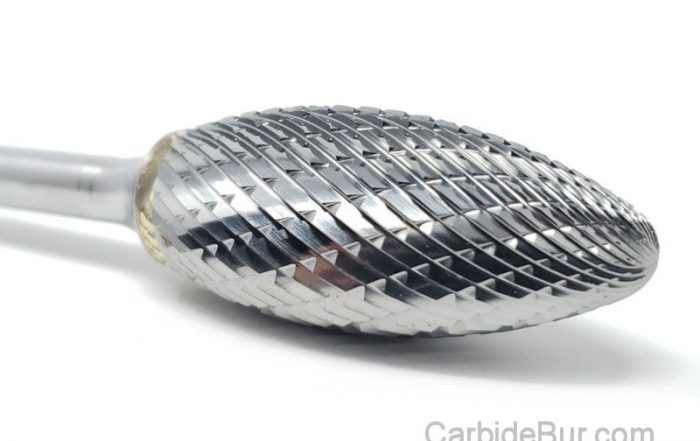
What RPM Should You Use for a 1/8 Inch Carbide Burr?
What RPM Should You Use for a 1/8 Inch Carbide Burr? Most people guess the right carbide burr RPM by feel—and waste hours redoing work. If you want cleaner cuts and longer tool life, your [...]
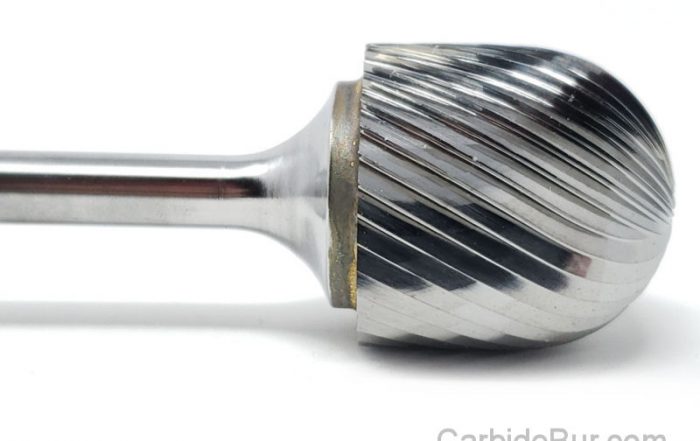
Carbide Burrs for Tight Spaces: Choosing the Right Shape
Carbide Burrs for Tight Spaces: Choosing the Right Shape Tackling tight spaces with the wrong carbide burrs wastes time and risks damaging your work. Choosing the right burr shape makes all the difference when working [...]
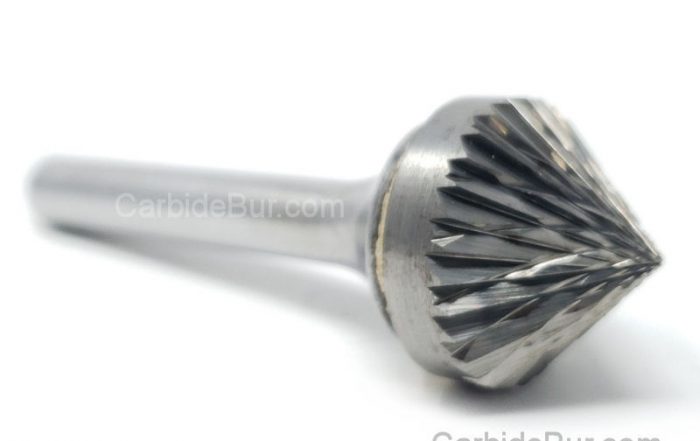
Can Carbide Burrs Remove Paint From Metal?
Can Carbide Burrs Remove Paint From Metal? Stripping paint from metal often feels like a tough chore that risks damaging the surface underneath. Many turn to carbide burrs hoping they can speed things up without [...]
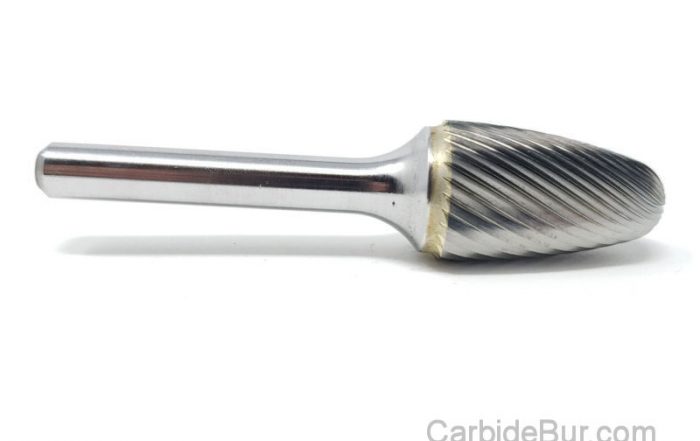
How to Grind a Groove in Metal With a Carbide Burr
How to Grind a Groove in Metal With a Carbide Burr Most metalworkers struggle to cut clean grooves without wasting time or ruining their workpiece. Many try different metalworking tools but end up with uneven [...]
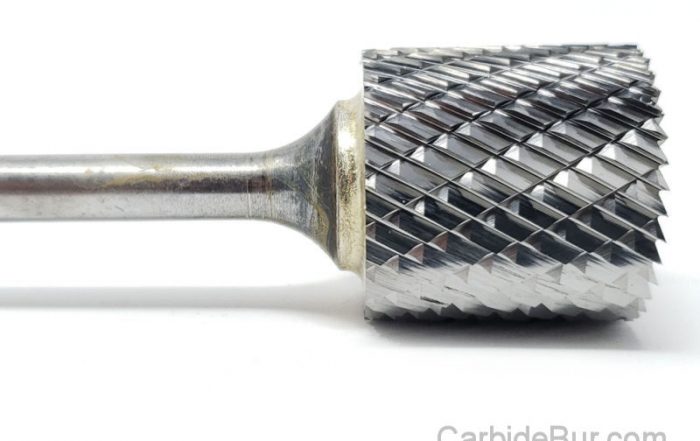
Can Carbide Burrs Cut Through Welds?
Can Carbide Burrs Cut Through Welds? Cutting through welds can feel like a battle, especially when you need clean results without harming the base metal. Carbide burrs offer a sharp edge in this fight, but [...]
How to Use a Carbide Burr With a Die Grinder
How to Use a Carbide Burr With a Die Grinder Most people treat a carbide burr like just another tool, but using it with a die grinder takes skill. If you’ve struggled with burr installation [...]
