
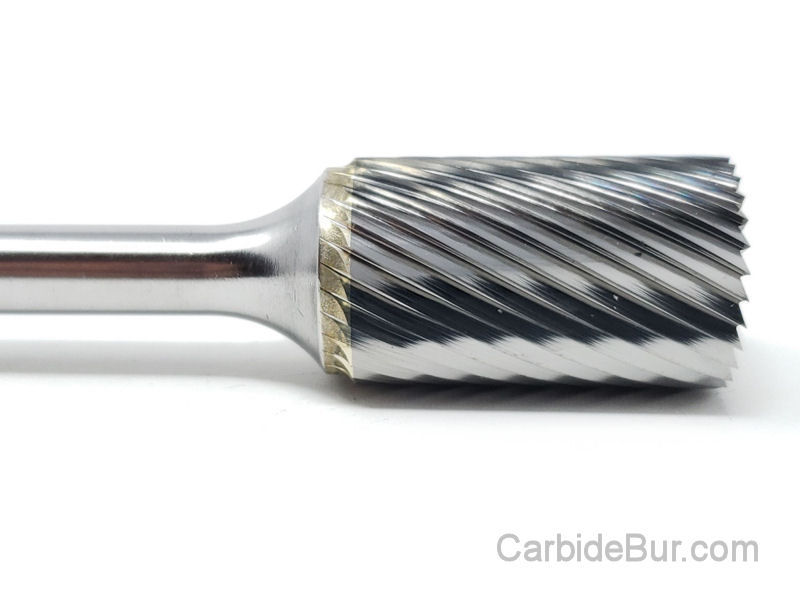
The Cost of Burs: Why Choosing Carbide Burs Can Save You Money in the Long Run
In the world of precise cutting and shaping, whether in dental practices or machining workshops, the selection of the right tools can make a significant difference in both performance and cost-efficiency. Carbide burs, known for their durability and cutting precision, often emerge as a smart investment compared to other burs types. While the initial cost of burs may seem higher, the long-term savings and improved results make carbide burs a preferred choice for many professionals. In this post, we’ll delve into a detailed burs comparison, exploring why choosing the best burs, specifically tungsten carbide bur options, can optimize your work and save money over time. From dental carbide bur applications to machining burs, discover how the right burs can enhance your craft while keeping costs low. For more information, consider visiting this comprehensive guide to their uses and benefits.
Understanding Burs Types
Understanding the different types of burs is essential for professionals who rely on these tools for precision work. Each type of bur offers unique features and benefits tailored to specific tasks in fields like dentistry and machining. It is crucial to recognize these differences to make informed decisions that impact both the efficiency and cost-effectiveness of your work.
Key Differences in Burs
Burs come in various materials, each with their own strengths. Carbide burs are renowned for their strength and durability, making them ideal for tasks requiring high precision, such as dental procedures. In contrast, diamond burs are often favored for their ability to achieve smooth surfaces and are frequently used in grinding applications.
|
Bur Type |
Material |
Key Benefit |
|---|---|---|
|
Carbide Burs |
Tungsten |
Durability |
|
Diamond Burs |
Diamond Dust |
Surface Smoothness |
For more detailed information, check out this article.
Cost of Burs Overview
The cost of burs varies widely depending on the material and application. Initially, carbide burs might seem more expensive than other types. However, their longevity often leads to lower overall costs in the long run. This durability implies fewer replacements, saving time and money.
-
Initial Investment: Carbide burs are priced higher.
-
Long-term Savings: Due to fewer replacements, they reduce overall expenditure.
For a more comprehensive cost analysis, explore this resource.
Best Burs for Specific Uses
Selecting the best burs significantly impacts the quality of work. For dental professionals, tungsten carbide burs provide precise cutting capabilities, essential for delicate procedures. In machining, carbide burs are prized for their ability to handle tough materials efficiently.
For Dental Use: Dental carbide burs are optimal for cavity preparation and crown removal.
For Machining: Rotary carbide burs excel in shaping and grinding metals.
To understand the best applications, visit this informative page.
Advantages of Carbide Burs
Carbide burs offer distinct advantages, especially in terms of longevity and precision. These characteristics make them invaluable in fields requiring meticulous attention to detail.
Longevity and Durability
Carbide burs are celebrated for their exceptional longevity. Compared to other burs, they withstand wear and stress, making them highly durable. This durability is a result of their tungsten carbide material, which resists deformation and maintains sharpness over extended use.
-
Extended Use: Carbide burs maintain their cutting edge longer.
-
Reduced Breakage: Their robust composition minimizes the risk of chipping.
Learn more about their characteristics here.
Precision in Burs Application
Precision is a core benefit of using carbide burs in sensitive applications. Their sharpness and rotary carbide bur design allow for exact cuts and shaping, critical in both dental and industrial environments.
-
Sharpness: Maintains accuracy in intricate tasks.
-
Versatile Design: Suitable for various applications from dental to industrial.
This precision enhances the quality of work, reducing time spent on corrections and adjustments.
Cost-Effectiveness of Carbide Burs
While carbide burs involve a higher upfront investment, their cost-effectiveness becomes apparent over time. The reduced need for frequent replacements and repairs results in significant savings, making them a wise choice for professionals.
-
Upfront Cost: Higher than other burs.
-
Long-Term Savings: Fewer replacements needed, saving time and money.
For an understanding of their cost benefits, visit this page.
Making the Right Burs Selection
Choosing the right burs can dramatically influence the efficiency and quality of your work. It’s essential to consider factors like material, intended use, and the specific needs of your craft.
Tips for Choosing Burs
When selecting burs, consider these tips:
-
Identify the Application: Determine whether you need burs for dental or machining purposes.
-
Material Preference: Choose between carbide and diamond based on your precision and durability needs.
-
Budget Considerations: Evaluate initial versus long-term costs.
These factors will guide you in making a selection that meets your operational needs.
Common Applications of Carbide Burs
Carbide burs find usage in diverse fields, from dental to industrial. In dentistry, they are used for cavity preparation and crown removal. In machining, they are essential for cutting and shaping metals.
-
Dental Applications: Precision cutting, cavity preparation, crown removal.
-
Industrial Applications: Shaping and grinding of hard materials.
For more insights into their applications, refer to this detailed guide.
Investing in Quality Burs
Investing in quality burs translates into better performance and cost savings. Quality carbide burs reduce wear and extend tool life, enhancing efficiency.
-
Durable Investment: Lasts longer, reducing the need for frequent replacements.
-
Enhanced Performance: Provides consistent, high-quality results.
To explore quality carbide burs, visit this website.
Comparing Electric and Pneumatic Die Grinders with Carbide Burrs
Power and Precision: Comparing Electric and Pneumatic Die Grinders with Carbide Burrs Choosing the right die grinder for your carbide burrs can feel like a maze. Electric die grinders promise power at your fingertips, while [...]
The Top Tools Driving the Future of Aerospace Machining
The Top Tools Driving the Future of Aerospace Machining The demand for aerospace machining has surged, pushing manufacturers to deliver high-precision metal parts faster than ever. Meeting tight standards while cutting lead times in aerospace [...]
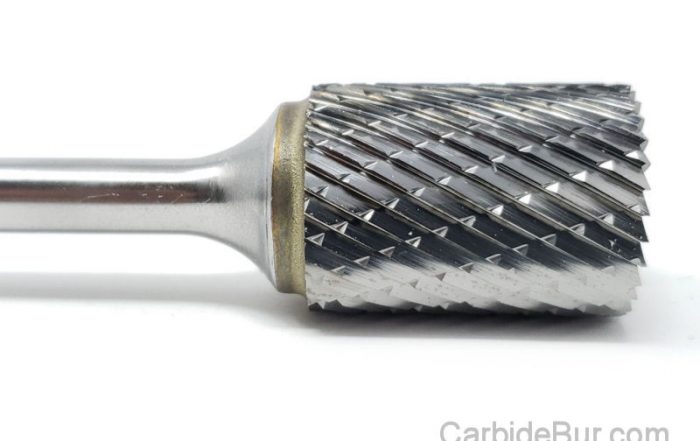
Mastering Carbide Burrs for Enhanced Engine Performance
Beginner's Guide to Engine Porting: Mastering Carbide Burrs for Enhanced Engine Performance Most beginners think engine porting is just about grinding metal. The truth is, mastering carbide burrs can change how air moves through your [...]
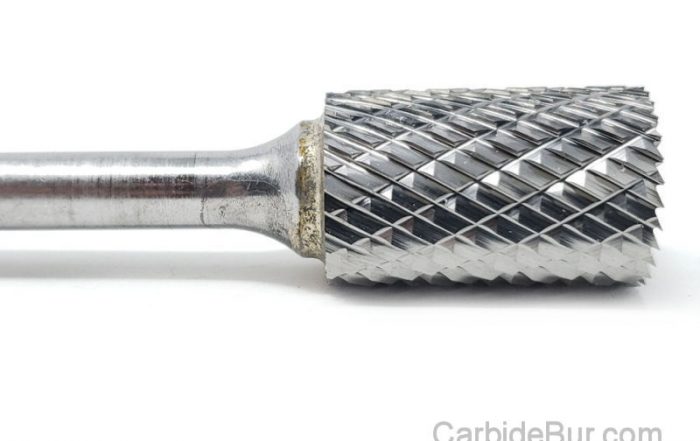
Unveiling the Secrets of Burr Cutting Efficiency: Double-Cut or Single-Cut?
Unveiling the Secrets of Burr Cutting Efficiency: Double-Cut or Single-Cut? Most metalworkers hit a wall choosing between double-cut carbide burrs and single-cut carbide burrs. Picking the wrong one can slow your work or wear your [...]
How Specialized Carbide Burrs Are Revolutionizing Aluminum Fabrication for Cleaner Cuts
How Specialized Carbide Burrs Are Revolutionizing Aluminum Fabrication for Cleaner Cuts Most aluminum fabricators still wrestle with rough edges and extra cleanup after machining. Those extra steps cost you time and eat into your profits. [...]
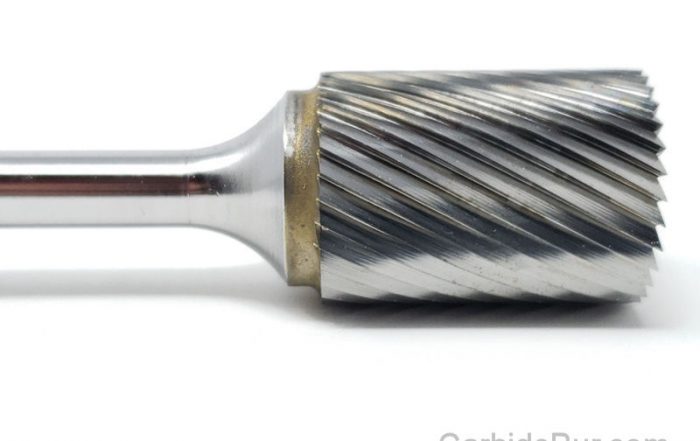
U.S. Manufacturing Reshoring: The Role of Domestic Tool Suppliers in 2026
U.S. Manufacturing Reshoring: The Role of Domestic Tool Suppliers in 2026 U.S. manufacturing is shifting closer to home faster than many expected. By 2026, reshoring trends are reshaping how supply chains function, with domestic tool [...]
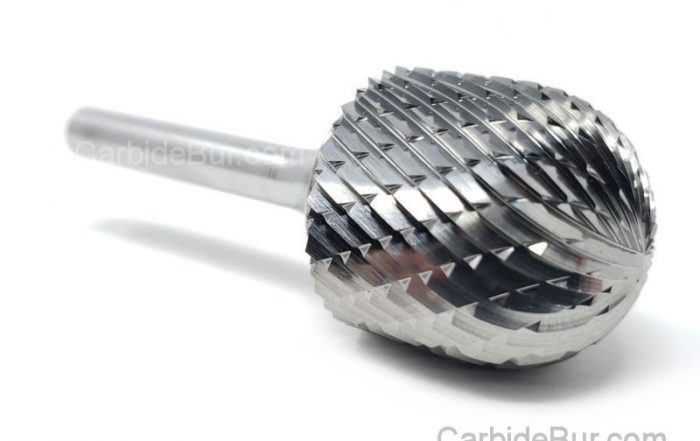
From Casting Flash to Weld Blending: Essential Techniques for 2026
From Casting Flash to Weld Blending: Essential Techniques for 2026 Forget the old ways of finishing parts in automotive production. As electric vehicles and autonomous vehicle production grow, the need for precise deburring processes and [...]
Understanding the Surge in Cutting Tool Costs and Effective Waste Reduction in Machining
Understanding the Surge in Cutting Tool Costs and Effective Waste Reduction in Machining Cutting tool costs have jumped noticeably in recent years, squeezing machine shop budgets tighter than ever. Raw material scarcity and supply chain [...]
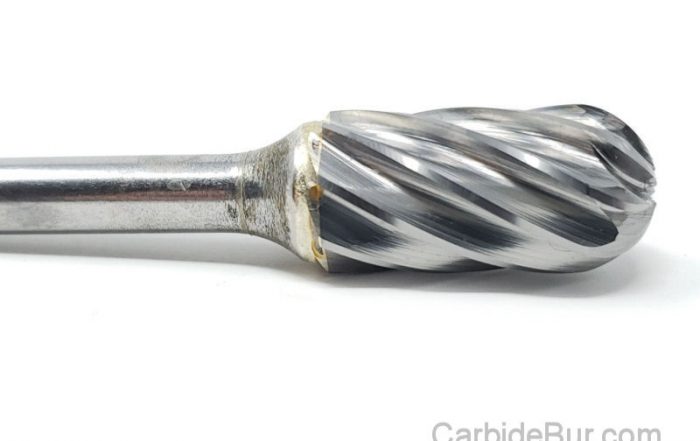
Choosing the Right Carbide Burr Shape for Your Metalworking Projects
Choosing the Right Carbide Burr Shape for Your Metalworking Projects You might think all carbide burr shapes do the same job, but that’s far from true. Choosing the wrong shape can waste time and leave [...]
U.S. Cutting Tool Shipments Reach New Heights
U.S. Cutting Tool Shipments Reach New Heights: What It Means for Manufacturing Professionals U.S. cutting tool shipments soared to $278.1 million in July 2026, marking a 29% jump from last year. If you’re in fabrication [...]
How 3D-Printed Carbide is Redefining Precision Toolmaking with Kennametal’s Latest Technology
How 3D-Printed Carbide is Redefining Precision Toolmaking with Kennametal's Latest Technology Custom hole-finishing tools have long faced limits in design and cooling options that hold back their performance. Kennametal’s new 3D-printed carbide grade changes that [...]

The Future of Additive Manufacturing in Aerospace and Automotive Industries
The Future of Additive Manufacturing in Aerospace and Automotive Industries Metal 3D printing is no longer just a concept for prototypes; it’s scaling up fast in aerospace and automotive fields. But raw prints don’t meet [...]
