
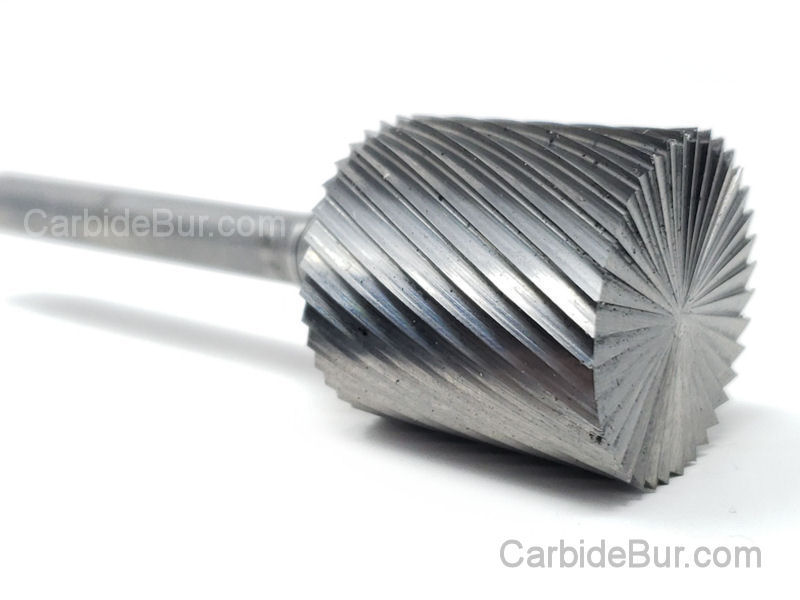
The Role of Carbide Burs in Enhancing Cutting Efficiency
In the world of precision machining, where accuracy and efficiency are paramount, carbide burs stand out as indispensable assets. These durable cutting tools are revered for their remarkable ability to enhance cutting efficiency, offering machinists and craftsmen a reliable means to achieve unparalleled precision in their work. By retaining sharpness over prolonged periods, carbide burs ensure consistent, high-quality results, allowing for the creation of intricate shapes and detailed craftsmanship with ease. This not only elevates the standard of manufacturing precision but also significantly reduces production times, cementing their status as essential components in the toolkit of any professional engaged in precision rotary cutting. For more insights on the importance of rotary burr cutters, visit this link.

Understanding Carbide Burs
Carbide burs are a fundamental component in the field of precision machining. Their versatility and robust design make them ideal for a wide range of applications. In this section, we delve into what carbide burs are, their key benefits, and their applications in precision machining.
What Are Carbide Burs?
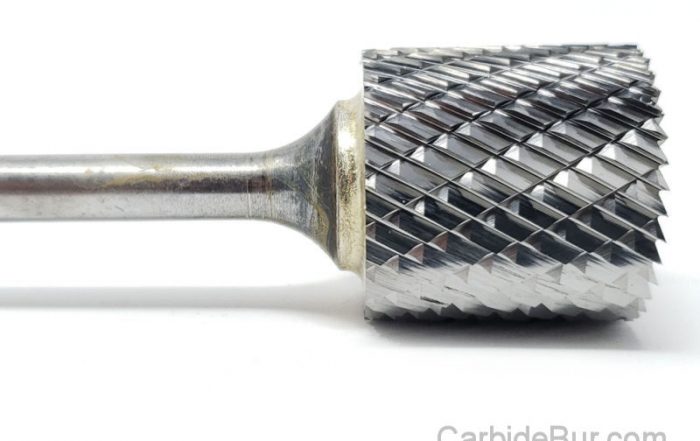
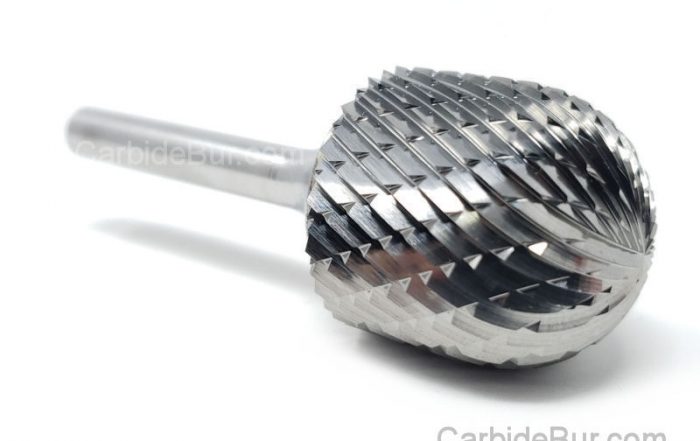
Carbide burs are rotary tools used in various industries for cutting, shaping, and grinding. They are crafted from tungsten carbide, a material known for its toughness and heat resistance. This allows them to maintain sharp edges even under high-speed operations.
These tools come in various shapes and sizes, each tailored for specific tasks, from heavy-duty material removal to delicate engraving. The choice of a particular bur depends on the material being worked on and the desired outcome.
Their design facilitates effective material removal with minimal effort, thus enhancing productivity. For a comprehensive explanation of carbide burs, check out Eagle Superabrasives.
Key Benefits of Carbide Burs
The primary advantage of using carbide burs is their durability and ability to cut through hard materials with ease. They are more heat-resistant than their steel counterparts, which means they can be used for prolonged periods without losing sharpness.
Carbide burs also provide precision in cutting, allowing for intricate detailing required in high-precision industries. This precision reduces the need for additional finishing processes, thereby saving time and resources.
In addition, the longevity of carbide burs means fewer replacements, which translates to cost savings over time. For more on why these tools are indispensable, visit Carbide Burr.
Applications in Precision Machining
Carbide burs are indispensable in fields requiring accuracy and detail, such as aerospace, automotive, and metalworking industries. They are used for deburring, shaping, and cutting.
In automotive machining, for instance, they help in crafting intricate engine components. The aerospace sector relies on them for precision part manufacturing, where even the slightest deviation can have significant consequences.
Real-world applications underscore their versatility:
-
Crafting precision parts in aerospace.
-
Engine component detail work in automotive.
-
Sculpting and engraving in artistry.
For a deeper understanding, consider exploring Carbide Burr.
Enhancing Cutting Efficiency
Carbide burs play a critical role in enhancing cutting efficiency, an essential aspect of precision machining. This section discusses their durability, precision, and impact on production times, highlighting why they are a preferred choice for professionals.
Durability and Longevity
The durability of carbide burs stems from their composition. Tungsten carbide is exceptionally tough and resistant to wear, ensuring a longer lifespan compared to traditional steel burs. This longevity reduces downtime associated with tool replacement, thereby increasing overall productivity.
Moreover, the ability to withstand high temperatures and maintain sharpness ensures consistent performance. This reliability is crucial for projects requiring sustained high-speed operations without compromising quality.
Key aspects of durability include:
-
Material strength: Tungsten carbide outlasts steel.
-
Heat resistance: Sustains performance under high temperatures.
-
Reduced downtime: Fewer replacements needed.
Precision in Craftsmanship
Precision is crucial in craftsmanship, and carbide burs excel in this area. They allow artisans and machinists to achieve detailed work with exceptional accuracy. This precision translates into a superior finish, reducing the need for additional polishing or smoothing.
Their sharp cutting edges facilitate smooth and clean cuts, essential for detailed engravings or intricate designs. This makes them ideal for both artistic endeavors and technical applications.
The benefits of precision include:
-
Smooth finishes: Reduces need for further processing.
-
Detailed work: Ideal for intricate designs.
-
High accuracy: Essential for technical applications.
Impact on Production Times
Carbide burs significantly impact production times. Their efficiency in material removal allows for faster completion of tasks while maintaining high-quality results. This efficiency leads to quicker turnaround times, crucial in competitive manufacturing environments.
By reducing the time needed for tool changes and maintenance, machinists can focus on production, enhancing overall output. This advantage is particularly evident in mass production settings where time is of the essence.
Key impacts on production include:
-
Faster task completion: Efficient material removal.
-
Reduced maintenance: Less frequent tool changes.
-
Higher output: Essential in mass production.
Choosing the Right Carbide Burs
Selecting the appropriate carbide burs is crucial for optimizing performance and achieving desired results. This section provides insights into factors to consider when choosing these tools and tips to ensure optimal performance.
Factors to Consider
When choosing carbide burs, consider the material you’ll be working with. Different materials require specific types of burs to ensure efficiency and precision. The shape and size of the bur also play a critical role in determining its suitability for particular tasks.
Another vital factor is the speed at which the bur will be used. High-speed applications might require different burs than low-speed ones to prevent tool wear and ensure precision.
Considerations include:
-
Material compatibility: Choose burs suited to your work material.
-
Bur shape and size: Match to the task requirements.
-
Application speed: Select based on operational speed.
Tips for Optimal Performance
To achieve the best results with carbide burs, follow these tips:
-
Regular Maintenance: Keep your burs clean and free from debris to maintain performance.
-
Correct Usage Speed: Operate within recommended speed ranges to prevent wear.
-
Proper Storage: Store in a dry place to avoid corrosion.
By adhering to these practices, you can extend the life of your carbide burs and maintain the quality of your work. For more detailed guidance, visit Carbide Burr.
Find more carbide bur die grinder tool bits here
Carbide Burr Safety: 15 Mistakes That Can Cause Injury or Damage
Carbide Burr Safety: 15 Mistakes That Can Cause Injury or Damage Carbide burr safety is often overlooked until a costly mistake happens. Many metalworkers and DIYers make the same errors that lead to injuries or [...]
Can You Use a Carbide Burr in a Drill?
Can You Use a Carbide Burr in a Drill? Most people think a standard drill can’t handle a carbide burr, but that’s not true. Using carbide burr in the right drill can speed up your [...]
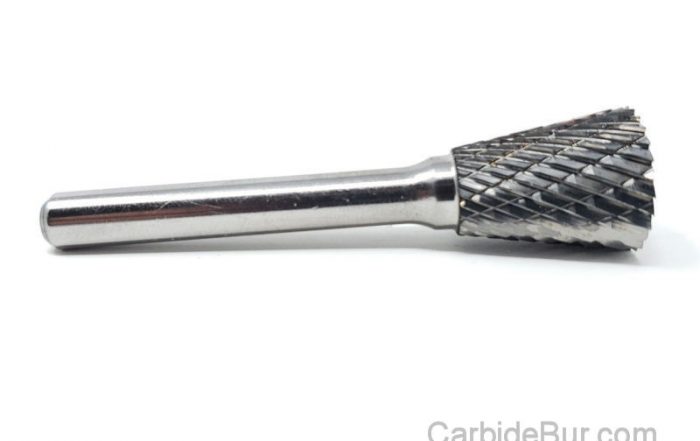
Carbide Burrs for Removing Rust: What Works Best?
Carbide Burrs for Removing Rust: What Works Best? Rust can turn your favorite tools into useless junk faster than you expect. Removing it without ruining the metal underneath takes more than just elbow grease—it demands [...]
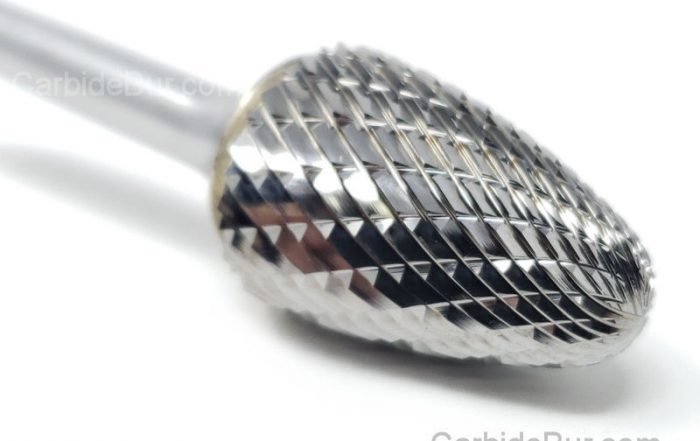
How Much Pressure Should You Use With a Carbide Burr?
How Much Pressure Should You Use With a Carbide Burr? Most people think pressing harder with a carbide burr speeds up the job. That’s not true—too much pressure wears out your tool and ruins the [...]
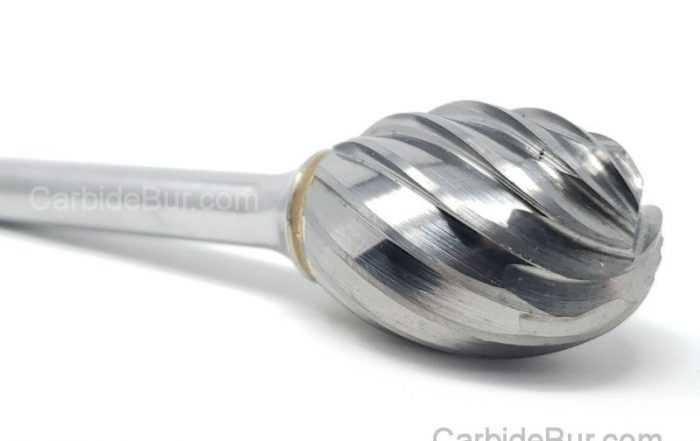
Can You Use Carbide Burrs With an Air Die Grinder?
Can You Use Carbide Burrs With an Air Die Grinder? Most people don’t realize how well carbide burrs work with air die grinders until they try them. If you’ve ever struggled with finding the right [...]
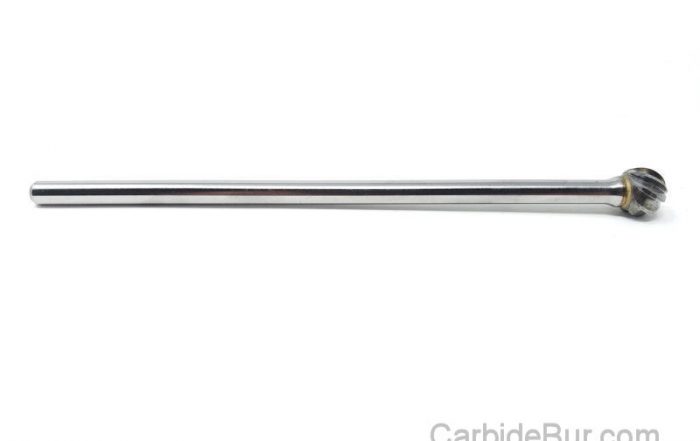
Best Long Reach Carbide Burr for Deep Metal Work
Best Long Reach Carbide Burr for Deep Metal Work Long reach carbide burrs often promise deep metal access, but many fall short where it counts most. You need a tool that cuts cleanly, lasts through [...]
What RPM Should You Use for a 1/8 Inch Carbide Burr?
What RPM Should You Use for a 1/8 Inch Carbide Burr? Most people guess the right carbide burr RPM by feel—and waste hours redoing work. If you want cleaner cuts and longer tool life, your [...]
Carbide Burrs for Tight Spaces: Choosing the Right Shape
Carbide Burrs for Tight Spaces: Choosing the Right Shape Tackling tight spaces with the wrong carbide burrs wastes time and risks damaging your work. Choosing the right burr shape makes all the difference when working [...]
Can Carbide Burrs Remove Paint From Metal?
Can Carbide Burrs Remove Paint From Metal? Stripping paint from metal often feels like a tough chore that risks damaging the surface underneath. Many turn to carbide burrs hoping they can speed things up without [...]
How to Grind a Groove in Metal With a Carbide Burr
How to Grind a Groove in Metal With a Carbide Burr Most metalworkers struggle to cut clean grooves without wasting time or ruining their workpiece. Many try different metalworking tools but end up with uneven [...]
Can Carbide Burrs Cut Through Welds?
Can Carbide Burrs Cut Through Welds? Cutting through welds can feel like a battle, especially when you need clean results without harming the base metal. Carbide burrs offer a sharp edge in this fight, but [...]
How to Use a Carbide Burr With a Die Grinder
How to Use a Carbide Burr With a Die Grinder Most people treat a carbide burr like just another tool, but using it with a die grinder takes skill. If you’ve struggled with burr installation [...]
