

Why Rotary Burr Cutters Are a Must-Have for Precision Crafting
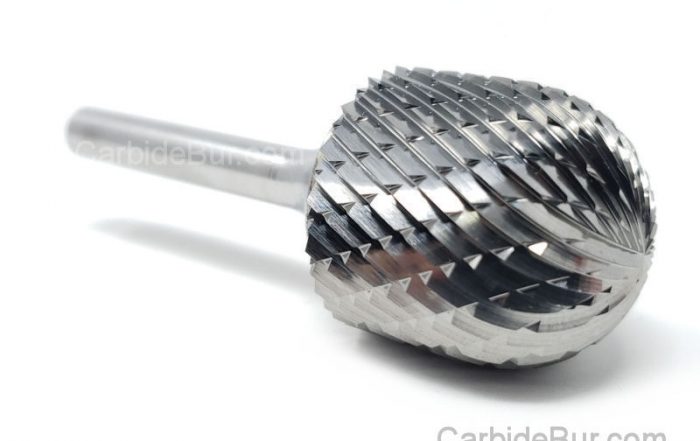
In the world of precision crafting, rotary burr cutters stand out as indispensable tools for both enthusiasts and professionals alike. These high-speed rotary tools are celebrated for their ability to shape and finish materials with unparalleled precision, whether you’re engaged in metalworking, woodworking, or even automotive applications. With a diverse array of shapes and sizes, from carbide burr bits to steel die grinder bits, they offer the flexibility to handle intricate designs and smooth contours effortlessly. As we delve into the benefits and versatility of rotary burr cutters, we will uncover how these robust tools can elevate the quality and finesse of your crafting projects, making them a must-have in any craftsperson’s collection. Learn more about carbide burrs here.
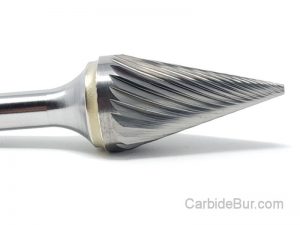
Essential Features of Rotary Burr Cutters
Rotary burr cutters offer a unique blend of versatility, speed, and variety, making them indispensable in precision crafting. Here, we explore the core features that set these tools apart.
Versatility in Material Shaping
Rotary burr cutters excel in shaping various materials. From metals to woods, these tools adapt to different needs. This versatility stems from their ability to work efficiently across surfaces without compromising quality.
The flexibility of rotary burr cutters allows for precise material removal, ideal for creating intricate designs. They cater to detailed engravings and larger tasks alike.
Consider how they transform raw materials into refined art. Whether rounding off sharp edges or creating smooth contours, rotary burr cutters prove their value time and again. For more insights on their applications, visit Carbide Bur.
High-Speed Rotary Tools Explained
High-speed rotary tools operate at impressive speeds, enabling quick and efficient material removal. This speed is crucial for professionals seeking to enhance productivity without sacrificing precision.
Understanding how these tools work is essential. Their rapid rotation allows for smooth cuts, reducing the need for extensive finishing. This efficiency is particularly beneficial in time-sensitive projects.
The high-speed nature also aids in maintaining tool longevity. By minimizing contact time, wear is reduced, preserving the cutting edge. Learn more about optimizing speed and efficiency at Ultimate Guide to Carbide Burr Sets.
Variety of Shapes and Sizes
Rotary burr cutters come in an extensive range of shapes and sizes, each suited for specific tasks.
-
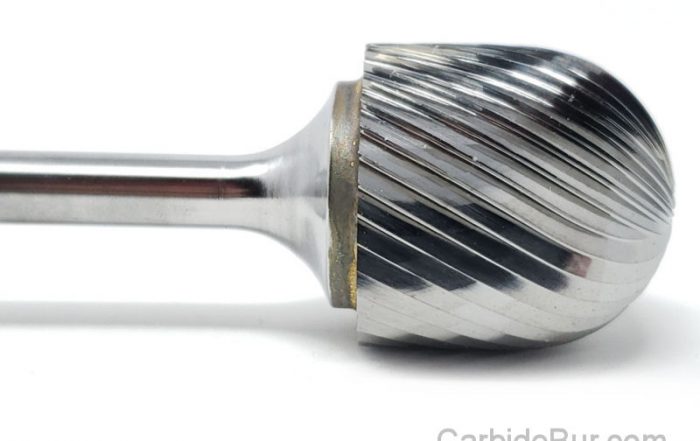
Ball-shaped burrs: Perfect for carving concave surfaces and complex patterns.
-
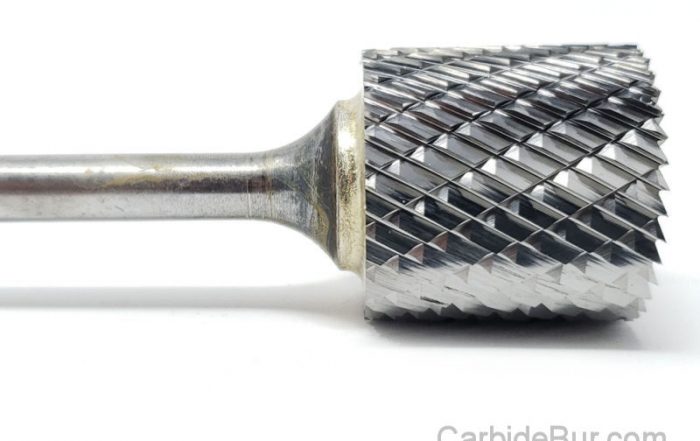
Cylinder burrs: Ideal for flat areas and edge-breaking.
-
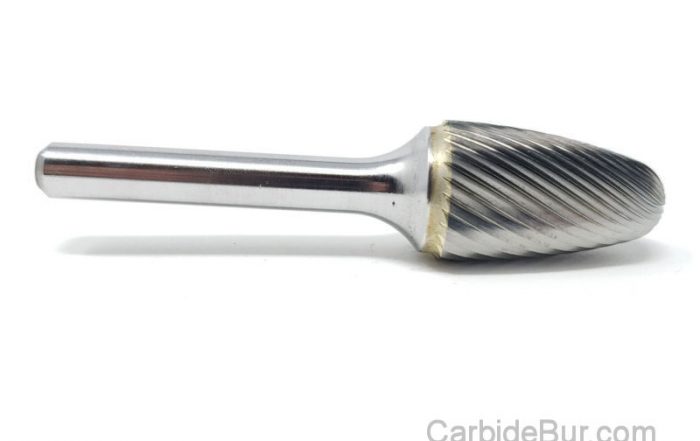
Flame burrs: Designed for narrow channels and grooves.
This variety ensures that users can find the perfect burr for their project, enhancing both precision and finish. For an in-depth look at burr types, check Carbide Burs.
Applications Across Industries
The adaptability of rotary burr cutters makes them a valuable asset across various sectors. Let’s explore their applications in metalworking, woodworking, and automotive industries.
Metalworking Tools for Precision
In metalworking, rotary burr cutters are renowned for their precision. They are essential for tasks that demand exacting standards.
For instance, metal engravings and detailing rely heavily on these tools. Their ability to produce clean cuts without burring enhances the quality of metal projects.
The precision they offer is unmatched, making them a staple in every metalworker’s toolkit. For more about their application in metalworking, visit 22 Things to Know About Tungsten Carbide Burrs.
Woodworking Tools for Intricate Designs
Rotary burr cutters are equally beneficial in woodworking. They allow for the creation of intricate designs that would be challenging with other tools.
Consider their use in fine detailing and shaping. These tools enable woodworkers to achieve smooth finishes and detailed carvings effortlessly.
Real-world applications include:
-
Furniture making: Adding detailed accents and finishes.
-
Sculpture: Crafting complex shapes and textures.
Rotary burrs thus expand the possibilities in woodworking, adding a new dimension to craftsmanship.
Automotive Applications and Beyond
In the automotive sector, rotary burr cutters play a crucial role in maintenance and repair. Their precision aids in tasks like deburring and engine component adjustments.
These tools are invaluable for achieving the smooth surfaces required in automotive parts. They enhance the performance and longevity of components by reducing friction and wear.
Beyond automotive, they find applications in aerospace and jewelry making. This versatility underscores their importance in precision crafting across industries.
Choosing the Right Burr Bits
Selecting the correct burr bits is vital for maximizing the effectiveness of rotary burr cutters. Here, we discuss the different types of burr bits and their suitability for various tasks.
Understanding Carbide Burr Bits
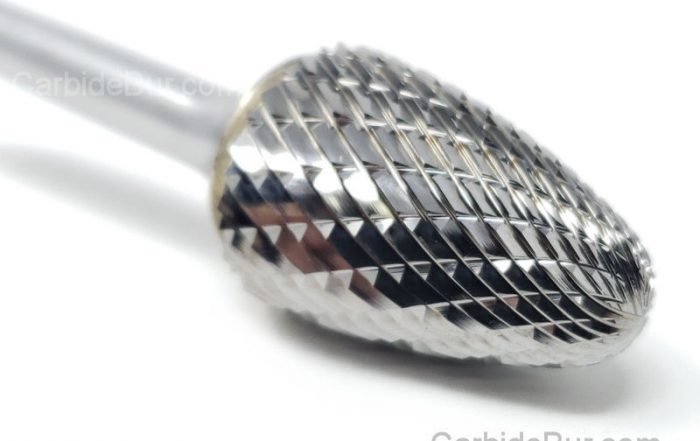
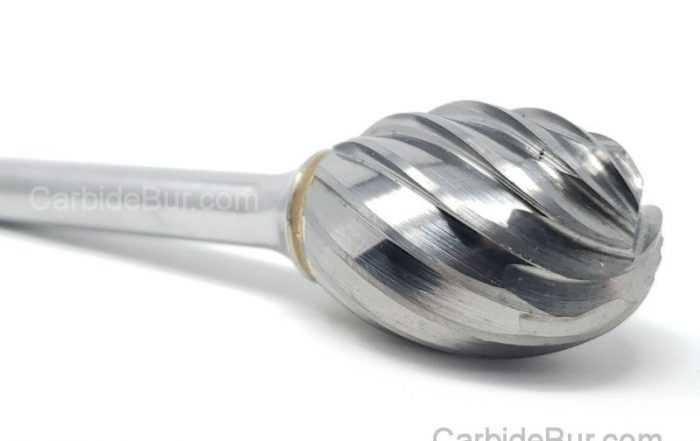
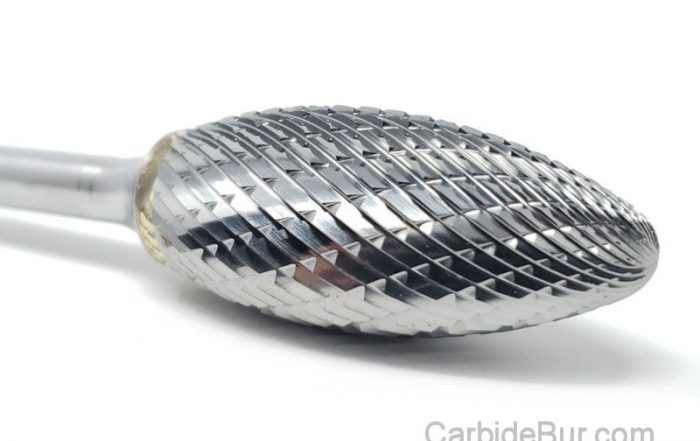
Carbide burr bits are highly durable and heat-resistant, making them ideal for tough materials.
Carbide burrs maintain their sharpness longer than steel bits, providing consistent performance. They are commonly used in metalworking, where durability is paramount.
When choosing carbide burrs, consider the material and desired finish. This ensures the best results and prolongs tool life. For comprehensive guidance, visit Carbide Bur.
Selecting Die Grinder Bits
Die grinder bits come in various materials and shapes, catering to diverse applications. Selecting the right bit depends on the project requirements.
-
Consider the material: Choose bits appropriate for metal, wood, or plastic.
-
Assess the shape: Select based on the desired cut and finish.
-
Evaluate the size: Ensure it fits the tool and project scale.
Die grinder bits are essential for achieving precision in crafting. Explore options at Ultimate Guide to Carbide Burr Sets.
Dremel Carbide Burr Options
Dremel tools, known for their versatility, pair well with carbide burrs for detailed work. These burrs are designed for high performance and precision.
Key advantages include:
-
Versatility: Suitable for a range of materials, including metal and wood.
-
Ease of use: Compatible with Dremel tools, making them accessible for hobbyists and professionals alike.
For tips on selecting Dremel-compatible burrs, check 22 Things to Know About Tungsten Carbide Burrs.
Carbide Burr Safety: 15 Mistakes That Can Cause Injury or Damage
Carbide Burr Safety: 15 Mistakes That Can Cause Injury or Damage Carbide burr safety is often overlooked until a costly mistake happens. Many metalworkers and DIYers make the same errors that lead to injuries or [...]
Can You Use a Carbide Burr in a Drill?
Can You Use a Carbide Burr in a Drill? Most people think a standard drill can’t handle a carbide burr, but that’s not true. Using carbide burr in the right drill can speed up your [...]
Carbide Burrs for Removing Rust: What Works Best?
Carbide Burrs for Removing Rust: What Works Best? Rust can turn your favorite tools into useless junk faster than you expect. Removing it without ruining the metal underneath takes more than just elbow grease—it demands [...]
How Much Pressure Should You Use With a Carbide Burr?
How Much Pressure Should You Use With a Carbide Burr? Most people think pressing harder with a carbide burr speeds up the job. That’s not true—too much pressure wears out your tool and ruins the [...]
Can You Use Carbide Burrs With an Air Die Grinder?
Can You Use Carbide Burrs With an Air Die Grinder? Most people don’t realize how well carbide burrs work with air die grinders until they try them. If you’ve ever struggled with finding the right [...]
Best Long Reach Carbide Burr for Deep Metal Work
Best Long Reach Carbide Burr for Deep Metal Work Long reach carbide burrs often promise deep metal access, but many fall short where it counts most. You need a tool that cuts cleanly, lasts through [...]
What RPM Should You Use for a 1/8 Inch Carbide Burr?
What RPM Should You Use for a 1/8 Inch Carbide Burr? Most people guess the right carbide burr RPM by feel—and waste hours redoing work. If you want cleaner cuts and longer tool life, your [...]
Carbide Burrs for Tight Spaces: Choosing the Right Shape
Carbide Burrs for Tight Spaces: Choosing the Right Shape Tackling tight spaces with the wrong carbide burrs wastes time and risks damaging your work. Choosing the right burr shape makes all the difference when working [...]
Can Carbide Burrs Remove Paint From Metal?
Can Carbide Burrs Remove Paint From Metal? Stripping paint from metal often feels like a tough chore that risks damaging the surface underneath. Many turn to carbide burrs hoping they can speed things up without [...]
How to Grind a Groove in Metal With a Carbide Burr
How to Grind a Groove in Metal With a Carbide Burr Most metalworkers struggle to cut clean grooves without wasting time or ruining their workpiece. Many try different metalworking tools but end up with uneven [...]
Can Carbide Burrs Cut Through Welds?
Can Carbide Burrs Cut Through Welds? Cutting through welds can feel like a battle, especially when you need clean results without harming the base metal. Carbide burrs offer a sharp edge in this fight, but [...]
How to Use a Carbide Burr With a Die Grinder
How to Use a Carbide Burr With a Die Grinder Most people treat a carbide burr like just another tool, but using it with a die grinder takes skill. If you’ve struggled with burr installation [...]
