
Exploring the Versatility of Carbide Burr Bits
Carbide burr bits are the unsung heroes in the toolkit of every DIY enthusiast, hobbyist, and professional working with metal or wood. These versatile metalworking and woodworking tools are essential for intricate tasks ranging from grinding and shaping to smoothing edges and engraving. As precision tools, they offer unparalleled control and efficiency, especially when paired with die grinder attachments for detailed machining work. Understanding the diverse burr bit uses not only enhances your craftsmanship but also extends the life and efficiency of these abrasive tools. In this guide, we’ll delve into the world of carbide burr bits, exploring their applications, benefits, and maintenance tips to help you make the most of these indispensable tools. For more information, you can check out this guide.

Find more carbide burr bits here
Introduction to Carbide Burr Bits
Carbide burr bits play a crucial role in both metalworking and woodworking, providing essential functionality for shaping, cutting, and finishing surfaces. This section aims to provide a foundational understanding of these versatile tools, exploring their origins, materials, and designs.
What Are Carbide Burr Bits?
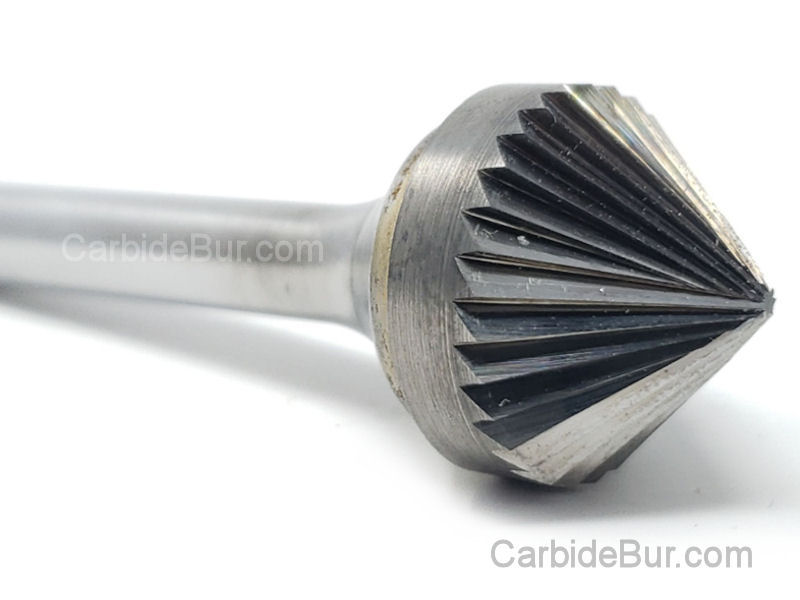
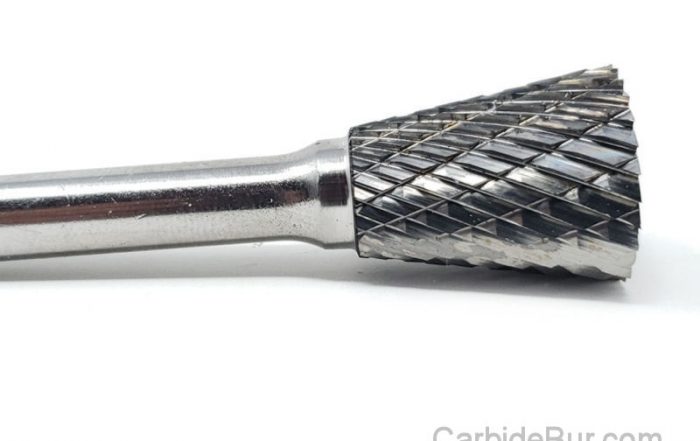
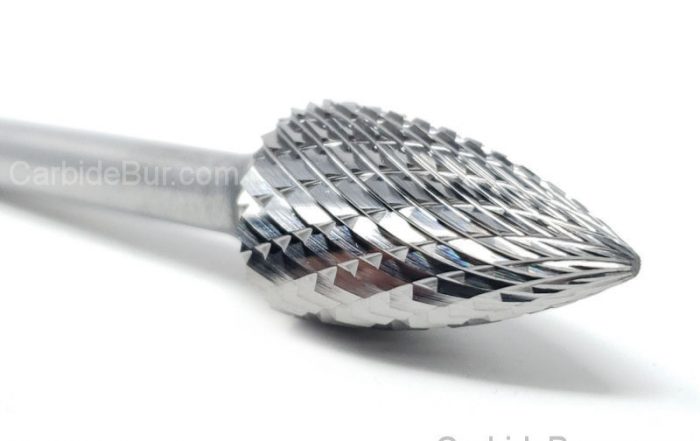
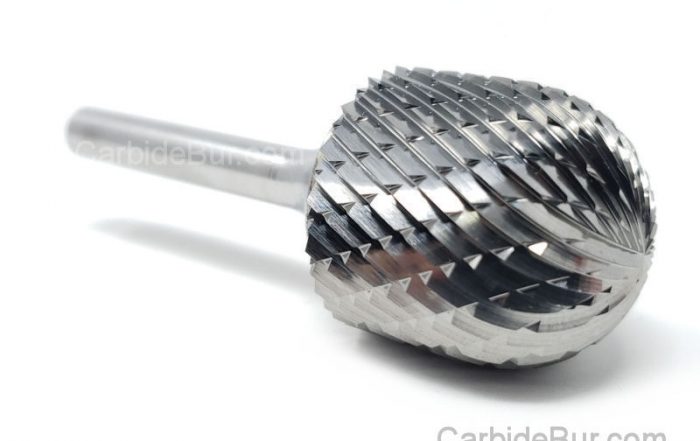
Carbide burr bits are small, rotating cutting tools used for a variety of purposes, including cutting, shaping, and grinding. They are typically made from tungsten carbide, a material known for its durability and heat resistance. These bits come in various shapes, such as cylindrical, round, and oval, each designed for specific tasks.
Their versatility allows them to be used across different materials, including metals, wood, and plastics. By attaching them to a rotary tool or die grinder, users can achieve high precision in their projects. Their adaptability makes them an essential component in any toolbox, enhancing both craftsmanship and project efficiency.
History and Development
The development of carbide burr bits can be traced back to advancements in metalworking and engineering. Originally, burr bits were made from softer metals but evolved into the harder, more durable tungsten carbide versions we use today. This transformation significantly improved their efficiency and lifespan.
Historically, these tools were primarily used in industrial settings. However, as technology advanced, they became accessible to hobbyists and DIY enthusiasts. The continuous improvements in design and material have expanded their applications, making them indispensable to both professionals and amateurs.
For a deeper dive into the evolution of these tools, check out this guide.
Common Materials and Shapes
Carbide burr bits are crafted from tungsten carbide, a compound that offers exceptional hardness and resistance to wear. This material choice is crucial for maintaining the tool’s sharpness and functionality over time. The bits are available in various shapes, each serving a distinct purpose.
-
Cylinder: Ideal for flat surface work and cleaning up edges.
-
Ball: Best for creating concave cuts and contours.
-
Oval: Suitable for curved surfaces and intricate designs.
These shapes enable users to select the most appropriate tool for their specific needs, enhancing the precision and quality of their work. For more information on selecting the right shape, visit this resource.
Applications in Metalworking
Carbide burr bits are indispensable in metalworking due to their ability to handle tough materials with ease. In this section, we will examine their role as essential metalworking tools, their uses in machining, and how they enhance precision.
Essential Metalworking Tools
In metalworking, carbide burr bits are considered essential for tasks such as deburring, shaping, and finishing. These tools are designed to provide clean, precise cuts, reducing the need for additional finishing processes.
Their ability to withstand high temperatures and maintain sharpness makes them ideal for cutting through hard metals. Additionally, their various shapes allow metalworkers to achieve different finishes, from smooth to textured. The adaptability of these bits is what makes them a staple in any metalworking toolkit.
Burr Bit Uses in Machining
Machining involves removing material from a workpiece to achieve the desired shape and dimensions. Carbide burr bits excel in this area due to their precision and durability. They are used to create intricate designs, smooth surfaces, and remove sharp edges, enhancing the overall quality of the machined part.
-
Select the appropriate burr bit shape for the task.
-
Attach the bit to a die grinder for optimal control.
-
Apply consistent pressure to achieve smooth cuts without overheating.
These steps ensure that the machining process is both efficient and effective, saving time and resources.
Enhancing Precision with Grinding Bits
Precision is key in metalworking, and grinding bits made from carbide are perfect for achieving it. These bits allow users to refine their workpieces, ensuring smooth edges and even surfaces. Their use enhances the quality of the final product, making them indispensable for detailed work.
-
Consistency: Achieve uniform finishes across the workpiece.
-
Control: Maintain control with minimal effort.
-
Durability: Long-lasting performance for repeated use.
Grinding bits are a vital component of any metalworker’s arsenal, enabling the creation of high-quality products with precision and care.
Find more carbide burr bits here
Woodworking and DIY Uses
Carbide burr bits are not limited to metalworking; they are also highly effective in woodworking and DIY projects. This section will explore their versatility, particularly when paired with die grinder attachments, and how they can be used in various DIY applications.
Versatile Woodworking Tools
In woodworking, carbide burr bits offer versatility and precision. They can be used for engraving, shaping, and finishing wood surfaces, providing woodworkers with the ability to create intricate designs and smooth finishes.
Their durability and sharpness make them suitable for both hard and soft woods. By selecting the right shape and size, woodworkers can achieve the desired effect, whether it’s detailing a sculpture or smoothing a carved edge.
For more insights into their applications in woodworking, visit this website.
Crafting with Die Grinder Attachments
Die grinder attachments expand the capabilities of carbide burr bits, allowing for greater flexibility in crafting and detailing. By attaching a burr bit to a die grinder, users can easily shape, cut, and smooth materials with precision and control.
-
Select the right attachment for the task at hand.
-
Ensure the die grinder is properly secured to avoid accidents.
-
Operate at the recommended speed for the material and task.
These steps ensure that crafting with die grinder attachments is both safe and effective, allowing for detailed and precise work.
DIY Projects and Burr Bit Applications
For DIY enthusiasts, carbide burr bits open up a world of possibilities. Whether you’re working on a craft project or a home improvement task, these bits provide the precision and control needed to achieve professional results.
-
Engraving: Add personalized designs to wood or metal pieces.
-
Shaping: Refine the contours of a project for a polished look.
-
Finishing: Smooth out rough edges and surfaces for a complete finish.
These applications demonstrate the versatility of burr bits in DIY settings, allowing for creativity and precision in every project.
Selecting the Right Burr Bits
Choosing the right carbide burr bit is crucial for achieving the best results in your projects. This section will guide you through the factors to consider, compare different abrasive tools, and help match the bits to specific tasks.
Factors to Consider
When selecting carbide burr bits, consider the following factors to ensure optimal performance:
-
Material: Match the bit material to the workpiece material for compatibility.
-
Shape: Choose a shape that suits the task, whether it’s cylindrical for flat surfaces or ball-shaped for contours.
-
Size: Ensure the bit size is appropriate for the detail and scale of the work.
By considering these factors, you can select the right bit for your project, enhancing efficiency and results. For more guidance, check out this resource.
Comparing Abrasive Tools
When comparing abrasive tools, it’s essential to understand their unique features and benefits. Here’s a simple comparison to help you make an informed choice:
|
Tool Type |
Material Compatibility |
Durability |
Best For |
|---|---|---|---|
|
Carbide Burr Bit |
Metal, Wood |
High |
Precision tasks |
|
Sanding Disc |
Wood, Plastic |
Medium |
Surface finishing |
|
Grinding Wheel |
Metal |
High |
Heavy material removal |
This table highlights the strengths of each tool, aiding in the selection process by matching the tool to the task.
Matching Bits to Specific Tasks
Matching the right burr bit to the specific task is essential for achieving the desired outcome. Each bit shape and size caters to different applications, ensuring precision and efficiency.
-
Cylinder: Ideal for flat and long surfaces.
-
Ball: Perfect for creating rounded edges and concave shapes.
-
Oval: Best for intricate and curved designs.
Understanding these applications allows users to choose the most suitable bit for their projects, optimizing performance and results.
Maintenance and Care
Proper maintenance and care of carbide burr bits ensure their longevity and performance. This section will cover essential tips for tool maintenance, cleaning and storing burr bits, and safety practices to follow.
Tool Maintenance for Longevity
To extend the lifespan of your carbide burr bits, regular maintenance is key. Follow these tips to keep your tools in top condition:
-
Inspect regularly for wear and damage.
-
Clean after each use to remove debris and prevent buildup.
-
Sharpen as needed to maintain cutting efficiency.
Adhering to these practices will preserve the functionality and longevity of your burr bits, ensuring consistent performance.
Cleaning and Storing Burr Bits
Proper cleaning and storage of burr bits are crucial for maintaining their effectiveness. Here’s how to do it:
-
Use a brush to remove debris and dust after use.
-
Avoid moisture exposure by storing in a dry, secure location.
-
Organize bits by size and shape for easy access and identification.
These steps will help keep your burr bits in excellent condition, ready for future use.
Safety Practices and Tips
When using carbide burr bits, safety should always be a priority. Here are some recommendations to follow:
-
Wear protective gear, such as goggles and gloves.
-
Secure the workpiece to prevent movement during use.
-
Operate tools at recommended speeds to avoid overheating and accidents.
By adhering to these safety practices, you can minimize risks and ensure a safe working environment.
Carbide Burr Safety: 15 Mistakes That Can Cause Injury or Damage
Carbide Burr Safety: 15 Mistakes That Can Cause Injury or Damage Carbide burr safety is often overlooked until a costly mistake happens. Many metalworkers and DIYers make the same errors that lead to injuries or [...]
Can You Use a Carbide Burr in a Drill?
Can You Use a Carbide Burr in a Drill? Most people think a standard drill can’t handle a carbide burr, but that’s not true. Using carbide burr in the right drill can speed up your [...]
Carbide Burrs for Removing Rust: What Works Best?
Carbide Burrs for Removing Rust: What Works Best? Rust can turn your favorite tools into useless junk faster than you expect. Removing it without ruining the metal underneath takes more than just elbow grease—it demands [...]
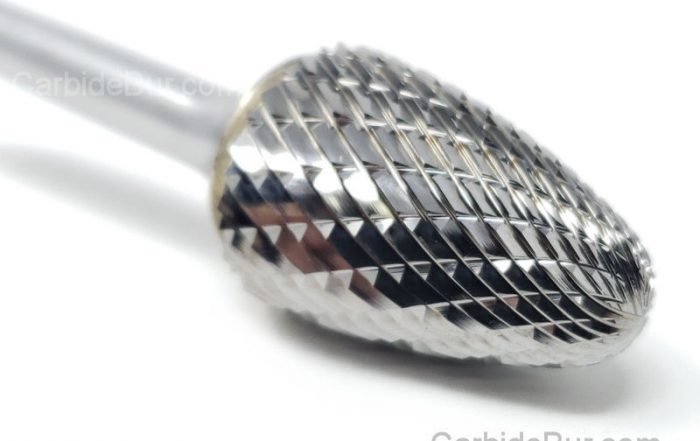
How Much Pressure Should You Use With a Carbide Burr?
How Much Pressure Should You Use With a Carbide Burr? Most people think pressing harder with a carbide burr speeds up the job. That’s not true—too much pressure wears out your tool and ruins the [...]
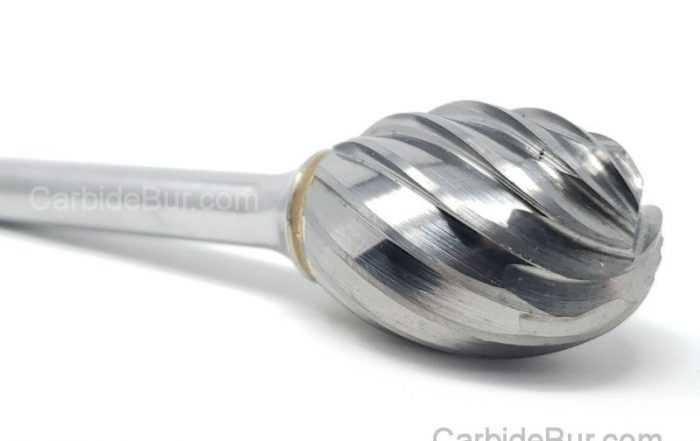
Can You Use Carbide Burrs With an Air Die Grinder?
Can You Use Carbide Burrs With an Air Die Grinder? Most people don’t realize how well carbide burrs work with air die grinders until they try them. If you’ve ever struggled with finding the right [...]
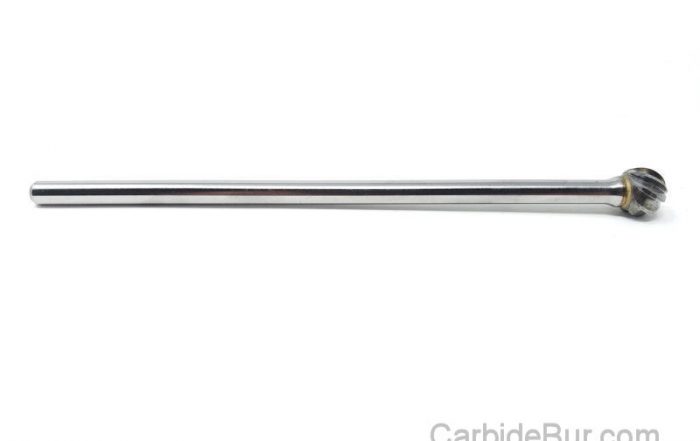
Best Long Reach Carbide Burr for Deep Metal Work
Best Long Reach Carbide Burr for Deep Metal Work Long reach carbide burrs often promise deep metal access, but many fall short where it counts most. You need a tool that cuts cleanly, lasts through [...]
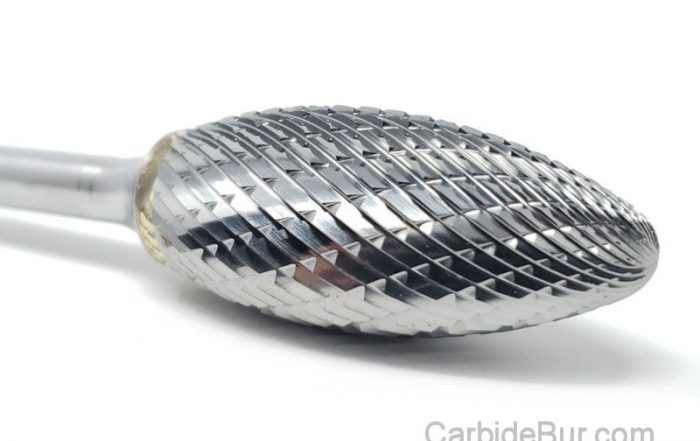
What RPM Should You Use for a 1/8 Inch Carbide Burr?
What RPM Should You Use for a 1/8 Inch Carbide Burr? Most people guess the right carbide burr RPM by feel—and waste hours redoing work. If you want cleaner cuts and longer tool life, your [...]
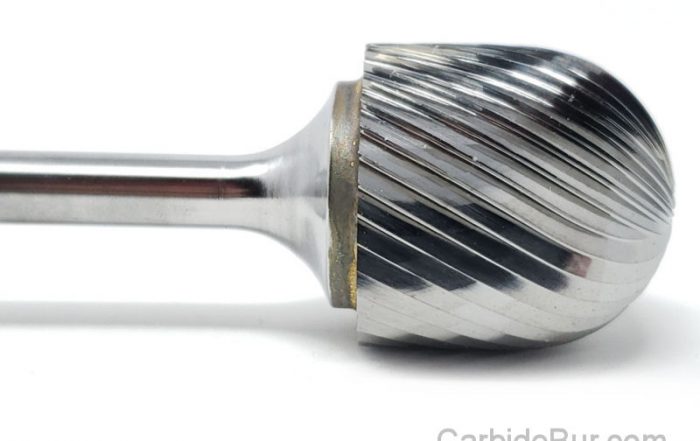
Carbide Burrs for Tight Spaces: Choosing the Right Shape
Carbide Burrs for Tight Spaces: Choosing the Right Shape Tackling tight spaces with the wrong carbide burrs wastes time and risks damaging your work. Choosing the right burr shape makes all the difference when working [...]
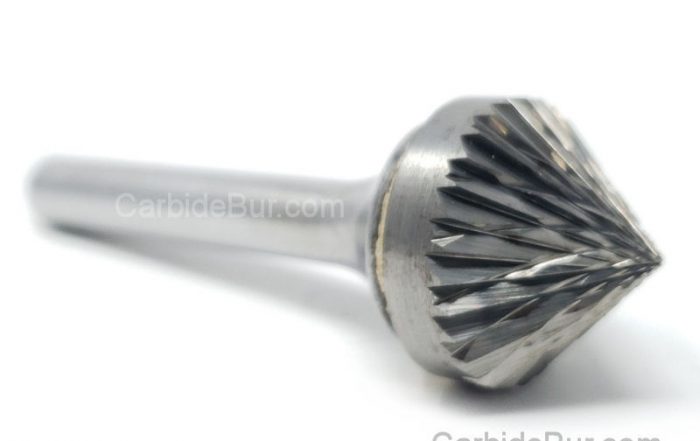
Can Carbide Burrs Remove Paint From Metal?
Can Carbide Burrs Remove Paint From Metal? Stripping paint from metal often feels like a tough chore that risks damaging the surface underneath. Many turn to carbide burrs hoping they can speed things up without [...]
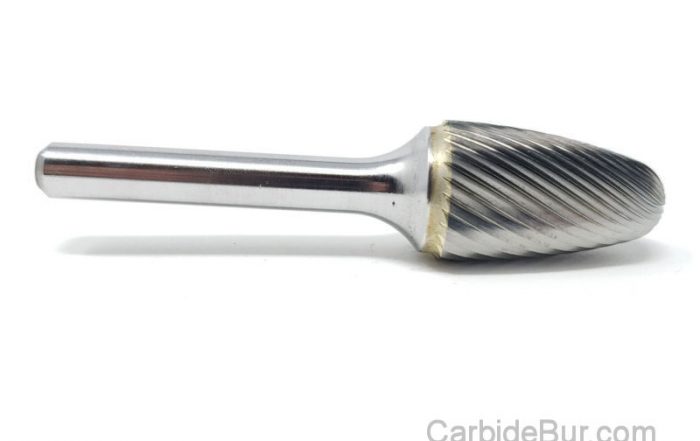
How to Grind a Groove in Metal With a Carbide Burr
How to Grind a Groove in Metal With a Carbide Burr Most metalworkers struggle to cut clean grooves without wasting time or ruining their workpiece. Many try different metalworking tools but end up with uneven [...]
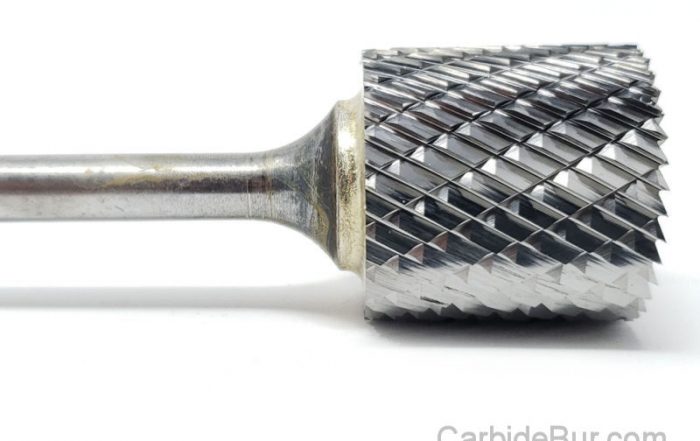
Can Carbide Burrs Cut Through Welds?
Can Carbide Burrs Cut Through Welds? Cutting through welds can feel like a battle, especially when you need clean results without harming the base metal. Carbide burrs offer a sharp edge in this fight, but [...]
How to Use a Carbide Burr With a Die Grinder
How to Use a Carbide Burr With a Die Grinder Most people treat a carbide burr like just another tool, but using it with a die grinder takes skill. If you’ve struggled with burr installation [...]
