
The Ultimate Guide to Choosing the Best Die Grinder for Metalwork
Choosing the best die grinder for metalwork can feel overwhelming with so many options claiming to deliver power and precision. You need a tool that handles metal grinding, shaping, and polishing without slowing you down or wearing you out. This guide breaks down key die grinder features and offers clear recommendations based on your specific metalworking tasks. Keep reading to find the perfect fit for your workshop and get your projects running smoother. For more insights, check out this discussion on Reddit.
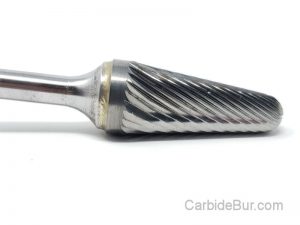
Have you tried using carbide burr tools for your job?
Understanding Die Grinders
Let’s dive into the world of die grinders. These powerful tools are essential in metalworking, offering versatility and precision. Before choosing one, it’s crucial to understand what they are and how they fit into your projects.
What is a Die Grinder?
A die grinder is a handheld power tool used for grinding, sanding, honing, and polishing. It’s designed to work with metal, providing the precision needed for intricate work. You’ll find it invaluable for tasks requiring detailed craftsmanship.
These tools are compact yet powerful. They can reach tight spaces that larger tools can’t. This makes them perfect for detailed work. Whether you’re smoothing out welds or polishing a metal surface, a die grinder is your go-to tool.
Types of Die Grinders
Die grinders come in various forms, each suited to specific tasks. The main types include straight, right-angle, and pencil grinders. Straight grinders are versatile and commonly used. Right-angle grinders excel in tight spaces. Pencil grinders are perfect for detailed work.
Selecting the right type depends on your project needs. Straight grinders are ideal for general tasks. If you’re working in confined areas, a right-angle grinder might be best. For precision work, a pencil grinder ensures accuracy.
Common Uses in Metalworking
Die grinders are a staple in metalworking, used for shaping, polishing, and smoothing. They’re perfect for tasks like deburring metal edges, cleaning up welds, and polishing surfaces. Their versatility makes them a must-have in any metal workshop.
With a die grinder, you can achieve a smooth finish on metal surfaces. They are also used to remove excess material, ensuring clean and polished results. Most professionals rely on these tools for their precision and efficiency in metalworking tasks.
Key Features to Consider
Choosing the right die grinder involves understanding its key features. Each feature plays a role in how the tool performs, so it’s essential to know what to look for when making your choice.
Motor Power and Efficiency
The motor is the heart of a die grinder. It determines the tool’s power and performance. A powerful motor ensures the grinder can handle tough tasks without bogging down. Look for grinders with high RPMs for the best results.
Efficiency is also critical. A tool that uses energy effectively will perform better and last longer. Opt for a grinder with a good balance of power and efficiency to get the most out of your tool.
Speed Settings and Control
Speed settings offer control over the grinder’s performance. Variable speed settings allow you to adjust the tool’s RPMs for different tasks. This versatility is essential for achieving the desired finish on various metals.
Control is key in metalworking. The ability to fine-tune the grinder’s speed helps prevent damage to the metal. It’s particularly useful when working on delicate pieces, ensuring precision and accuracy in your work.
Ergonomic Design for Comfort
Comfort is important when using a die grinder for extended periods. An ergonomic design reduces strain and fatigue, making long jobs more manageable. Look for features like a comfortable grip and lightweight construction.
An ergonomic grinder is easier to handle, especially for detailed work. It enhances control, allowing you to focus on the task at hand without discomfort. This is crucial for maintaining productivity and achieving quality results.
Top Die Grinder Recommendations
With the basics covered, it’s time to explore the top die grinders. Each recommendation caters to different needs, from beginners to professionals. Let’s find the ideal tool for your metalworking projects.

Best Die Grinder for Beginners
For those just starting, an easy-to-use grinder is essential. The top-rated options provide the right balance of power and simplicity.
These grinders often have straightforward controls and safety features that make them beginner-friendly. They’re designed to handle basic tasks with ease, providing a great introduction to metalworking.
Precision Die Grinder for Professionals
Professionals need a grinder that delivers precision and power. The best straight die grinders are built for accuracy and durability.
These tools offer advanced features like variable speed settings and high RPMs. They’re perfect for detailed work, providing the control needed to achieve professional results.
Ergonomic Die Grinder for Long Hours
When working long hours, an ergonomic grinder is vital. The best options offer comfort without sacrificing performance.
These grinders are designed with user comfort in mind. Lightweight construction and ergonomic grips reduce fatigue, allowing for extended use without discomfort.
How to Choose the Right Grinder
Choosing the right grinder involves several considerations. Matching the grinder to your specific needs ensures you get the best performance. Let’s explore how to make the right choice.
Matching Grinder to Metal Types
Different metals require different tools. Matching your grinder to the metal type is crucial for optimal performance. Consider the hardness and thickness of the metal when selecting your tool.
For example, softer metals may require less power, while harder metals need more robust tools. Understanding these differences helps in choosing the right grinder for your projects.
Evaluating Specific Applications
Your specific tasks dictate the type of grinder you need. Evaluate the applications you’ll be using the grinder for. Whether it’s polishing, shaping, or cutting, the tool must match the task.
Consider the grinder’s features and how they align with your needs. A versatile tool can handle multiple tasks, making it a valuable addition to any workshop.
Balancing Budget and Needs
Budget is always a factor in choosing tools. Balancing cost with features ensures you get the best value. Set a budget and look for grinders that offer the features you need within that range.
It’s possible to find quality grinders at various price points. Compare features and prices to make an informed decision, ensuring you get the best tool for your money.
Maintenance and Safety Tips
Maintaining your die grinder ensures longevity and safety. Regular upkeep and safety precautions are essential for optimal performance. Let’s cover the key practices to keep your grinder in top shape.
Regular Maintenance Practices
Routine maintenance keeps your grinder running smoothly. Clean the tool after each use to remove dust and debris. Check for wear and tear regularly to prevent issues.
Lubricate moving parts to reduce friction and extend the tool’s life. Regular maintenance not only improves performance but also prevents costly repairs.
Essential Safety Precautions
Safety should always be a priority when using power tools. Wear protective gear like goggles and gloves. Keep the workspace clean to avoid accidents.
Follow the manufacturer’s instructions for safe operation. Adhering to safety guidelines prevents injuries and ensures a safe working environment.
Extending Your Grinder’s Lifespan
Taking care of your grinder extends its lifespan. Store the tool properly when not in use. Avoid overloading the grinder to prevent damage.
Regular checks and maintenance keep the tool in good condition. By following these practices, you ensure your grinder remains a reliable part of your toolkit for years to come.
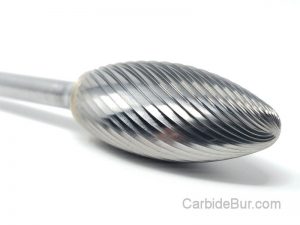
Looking for Carbide Bur Tools?
Check out our entire selection of USA made carbide bur die grinder tool bits
Follow us on Twitter

Return to CarbideBur.com
Carbide Burs – 1/4″ on 1/8″ Shanks – Accessories – Aluminum Cut – Bur Sets – End Mills – Long Shank – Solid Burs
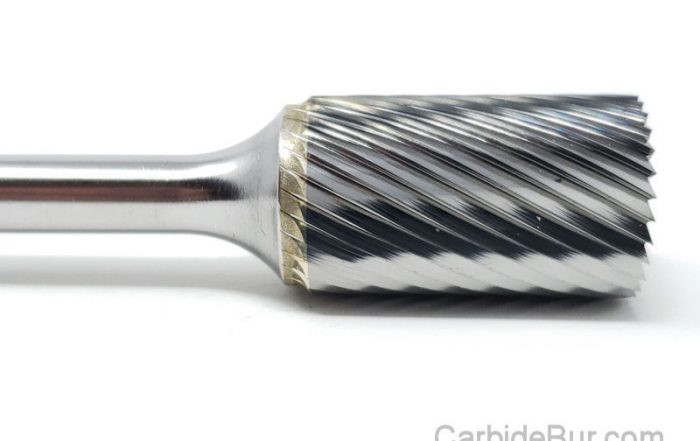
How 3D-Printed Carbide is Redefining Precision Toolmaking with Kennametal’s Latest Technology
How 3D-Printed Carbide is Redefining Precision Toolmaking with Kennametal's Latest Technology Custom hole-finishing tools have long faced limits in design and cooling options that hold back their performance. Kennametal’s new 3D-printed carbide grade changes that [...]

The Future of Additive Manufacturing in Aerospace and Automotive Industries
The Future of Additive Manufacturing in Aerospace and Automotive Industries Metal 3D printing is no longer just a concept for prototypes; it’s scaling up fast in aerospace and automotive fields. But raw prints don’t meet [...]
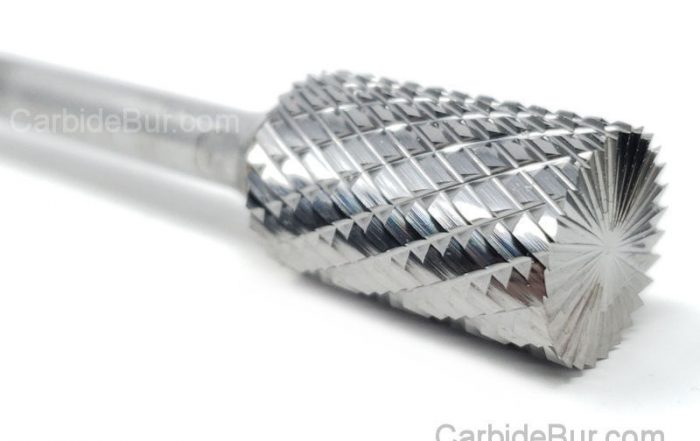
Navigating the Tungsten Carbide Shortage
Navigating the Tungsten Carbide Shortage: Strategies for Metalworkers in 2026 The tungsten carbide shortage in 2026 is hitting metalworkers hard, pushing tool prices higher and supply tighter than most expected. If you’ve noticed your carbide [...]
How Export Controls and Tungsten Processing Impact Carbide Production
How Export Controls and Tungsten Processing Impact Carbide Production Tungsten supply issues are hitting carbide tool manufacturing harder than ever before. Export controls and shifts in tungsten processing have tightened availability, stretching manufacturing lead times [...]
From Alloys to Automation: Mastering CNC Machining for Speed and Accuracy
From Alloys to Automation: Mastering CNC Machining for Speed and Accuracy The old ways of machining can’t keep up with today’s demands for speed and precision. You’re working with tougher alloys and expecting flawless results [...]
Top Deburring Tools for Stainless Steel: From Carbide Burrs to Sanding Blocks
Top Deburring Tools for Stainless Steel: From Carbide Burrs to Sanding Blocks Most people damage their stainless steel finish while trying to deburr it. If you’ve struggled to get smooth edges without ruining your work, [...]

Enhance Your Fabrication Projects with Advanced Finishing Methods
Enhance Your Fabrication Projects with Advanced Finishing Methods You just finished a tough weld, but the job isn’t done yet. Skipping key post-welding processes can leave your joints weak and your project looking rough. In [...]
Grinding Metal in Tight Spaces: Top Tool Picks and Essential Safety Tips
Grinding Metal in Tight Spaces: Top Tool Picks and Essential Safety Tips Grinding metal in tight spaces is a challenge many metalworkers and DIYers face. Using the wrong tools often leads to frustration and sloppy [...]
Finding the Best Carbide Burrs for Perfect Weld Cleanup: A Welder’s Guide
Finding the Best Carbide Burrs for Perfect Weld Cleanup: A Welder's Guide Welding cleanup can waste hours if you pick the wrong tools. Using carbide burrs that don’t fit your weld removal or metal blending [...]
Riding the Wave: How the Machine-Tool Orders Surge is Shaping Manufacturing
Riding the Wave: How the Machine-Tool Orders Surge is Shaping Manufacturing Machine-tool orders have jumped by 45% this year, shaking up the manufacturing scene. If you're a tool buyer, this surge means fresh chances to [...]
Choosing the Best Carbide Burrs for Your Projects
Quality and Performance: Choosing the Best Carbide Burrs for Your Projects Choosing between American-made carbide burrs and imported carbide tools can feel like navigating a maze without a map. You want tools that last and [...]
The Ultimate Guide to Choosing the Right Die Grinder Attachments
The Ultimate Guide to Choosing the Right Die Grinder Attachments Reaching deep cavities with your die grinder can feel like a puzzle with missing pieces. When you’re stuck trying to access tight spaces, the right [...]
