
The Ultimate Guide to Deburring Composite Materials with Carbide Burs
Most people wreck their plastic parts because they crank up the speed on their carbide burs. You don’t have to melt your workpiece to get clean edges. Using single-cut or chip-breaker burs at low RPM with sharp flutes and gentle pressure keeps heat buildup in check. In this guide, you’ll learn how to deburr plastics the right way—with air cooling and the right tools. For more on high-quality carbide tools, check out this resource.
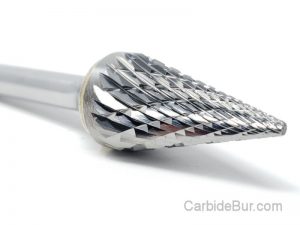
Click here to see our entire selection of USA made carbide bur tools
Choosing the Right Carbide Burs
Selecting the appropriate carbide burs is the first step in deburring plastics effectively. The right tool can mean the difference between a smooth finish and a melted mess.
Understanding Carbide Burrs for Deburring
Carbide burrs come in various types, each designed for specific tasks. Single-cut burs are ideal for plastics because they cut smoothly and reduce heat. They have a spiral flute pattern that helps in removing material efficiently. Double-cut burs, on the other hand, create more friction and heat, which can damage plastic surfaces. If you’re dealing with composite materials, a chip-breaker burr can be your best friend, as it helps in reducing swarf and heat buildup. Remember, using the right burr not only saves time but also ensures a quality finish.
To delve deeper into the types of carbide burs, visit this informative article.
Selecting Single-Cut vs Double-Cut Burs
When it comes to deburring plastics, the choice between single-cut and double-cut burs is crucial. Single-cut burs are best for smooth finishes, as they produce less friction and heat. They are perfect for plastics where you need a clean, precise cut without melting the material. In contrast, double-cut burs are better suited for metals due to their aggressive cutting style but can cause issues like melting in plastics. Choosing the right type is essential for maintaining the integrity of your workpiece.
Learn more about these options from Carbide Bur Resources.
Carbide Burr Shapes for Optimal Results
The shape of your carbide burr can significantly impact your deburring results. Common shapes include cylinder, ball, and tree. Each shape has its own application: cylindrical burs are great for flat surfaces, ball-shaped burs for contour work, and tree-shaped burs for rounded edges. Matching the burr shape to your project ensures precision and reduces the risk of errors. Choosing the right shape is as important as choosing the right type of burr.
For more insights on shape-specific applications, check out this guide.
Effective Deburring Techniques
Now that you’ve selected the right burs, it’s time to master the techniques. Proper deburring requires attention to speed, cooling, and pressure.
Setting the Ideal Low RPM
Running your die grinder at the correct speed is key. Low RPMs, typically between 3,000 and 8,000, prevent overheating and melting. High speeds might seem like a quick fix but can lead to more work correcting mistakes. A slower speed allows for more control and a smoother finish. This technique not only enhances efficiency but also prolongs the life of your tools.
Utilizing Air Cooling to Prevent Heat Buildup
Air cooling is a simple yet effective method to keep temperatures down. By directing airflow at the workpiece, you can dissipate heat generated during the process. This prevents melting and maintains the integrity of the plastic. Air cooling is an easy addition to your deburring process that can make a significant difference in results.
Mastering Minimal Pressure Application
Applying too much pressure can cause damage. You should let the tool do the work. A light touch ensures a smooth finish and reduces the risk of melting. Minimal pressure helps in maintaining control and achieving precise results. Remember, patience and a gentle hand are key to successful deburring.
Common Challenges and Solutions
Even with the best tools and techniques, challenges can arise. Knowing how to handle them ensures smooth operations.
Avoiding Friction with Proper Techniques
Friction is a common issue when deburring plastics. To avoid it, you need to use the right burrs and techniques. Single-cut burs reduce friction due to their design. Coupled with air cooling and low RPMs, friction becomes manageable. This combination helps in delivering a flawless finish without the complications of excessive heat.
Managing Heat with Tungsten Carbide Burrs
Tungsten carbide burrs are excellent for managing heat. Their durability and design allow for efficient material removal while keeping temperatures low. Using these burrs, along with air cooling, can help manage heat and maintain your workpiece’s integrity. Tungsten carbide is a reliable choice for those seeking high-quality results.
Ensuring Precision with the Best Carbide Burr Set
Precision is crucial in deburring. Choosing the best carbide burr set tailored to your needs ensures you have the right tool for every task. A comprehensive set offers versatility and precision, reducing the need for multiple passes and preventing potential damage. Investing in a good set is a smart move for anyone serious about deburring.
For further reading on carbide burrs and their applications, visit this resource.
In summary, properly deburring plastics with carbide burs involves choosing the right tools, mastering effective techniques, and tackling challenges head-on. With these insights, you’re well-equipped to achieve professional results in your projects.
Click here to see our entire selection of USA made carbide bur tools
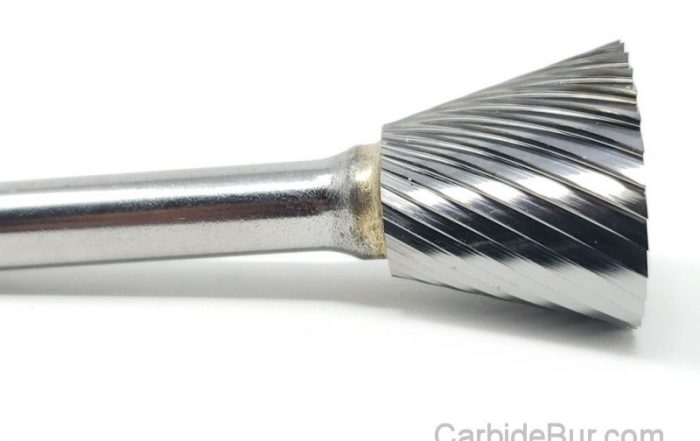
1/8 vs 1/4 Inch Carbide Burrs: What’s the Difference?
1/8 vs 1/4 Inch Carbide Burrs: What's the Difference? Choosing between a 1/8 inch carbide burr and a 1/4 inch carbide burr can change how your project turns out. Many machinists and hobbyists overlook how [...]
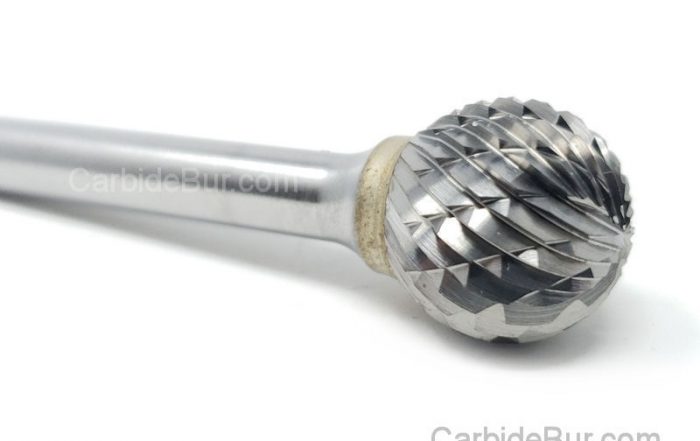
Best Carbide Burr for Removing Flash From Castings
Best Carbide Burr for Removing Flash From Castings Removing flash from castings is a task that can slow down your entire metalworking process if you don’t have the right tools. Picking the best carbide burr [...]
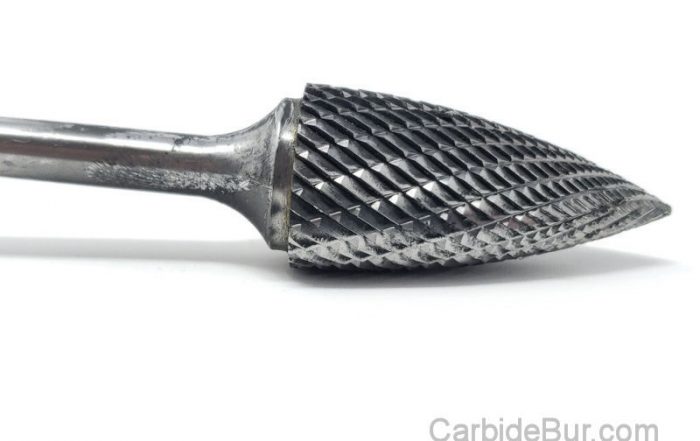
What RPM Should You Use for a 1/4 Inch Carbide Burr?
What RPM Should You Use for a 1/4 Inch Carbide Burr? Most machinists guess the right speed for a 1/4 inch carbide burr and hope for the best. Using the wrong carbide burr RPM can [...]
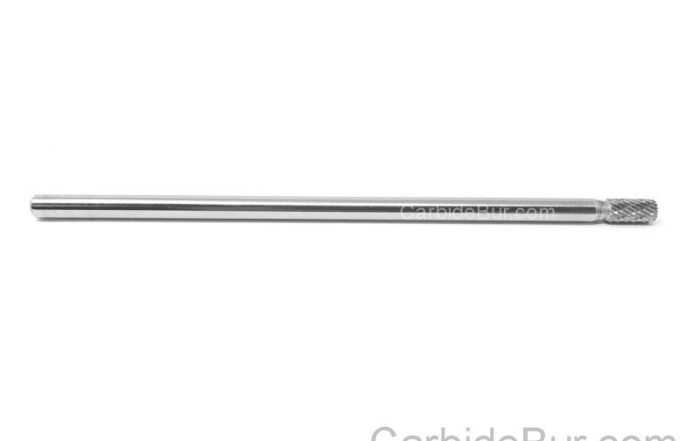
Long Shank Carbide Burrs: When Do You Need One?
Long Shank Carbide Burrs: When Do You Need One? Most machinists overlook the power of long shank carbide burrs until a project demands precision in tight spaces. When your usual tools can’t reach intricate contours, [...]
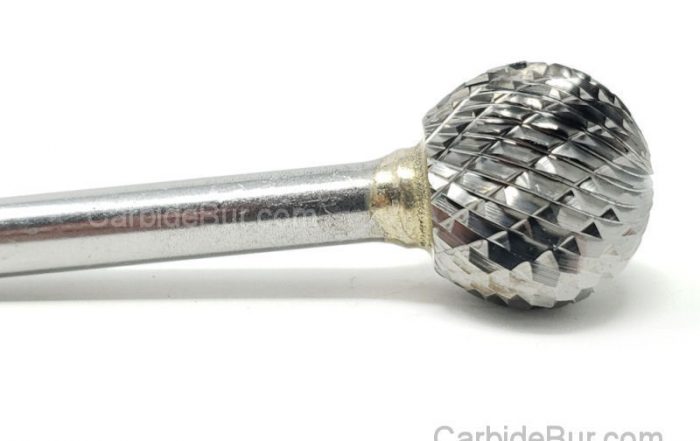
How Deep Can a Carbide Burr Cut Metal?
How Deep Can a Carbide Burr Cut Metal? Carbide burrs often get praised for their precision, but many users hit a wall wondering how deep they can actually cut metal. The truth is, cutting depth [...]
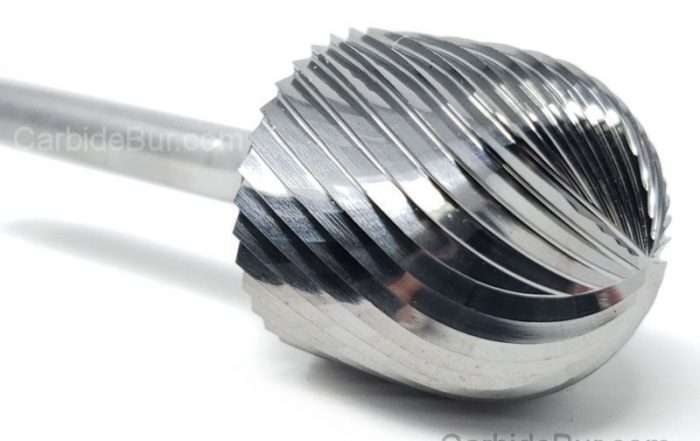
How to Use Carbide Burrs for Port Matching
How to Use Carbide Burrs for Port Matching Most engine builds hit a wall when airflow doesn’t flow smoothly between the ports and manifolds. If your engine isn’t breathing right, your performance stalls. Using the [...]
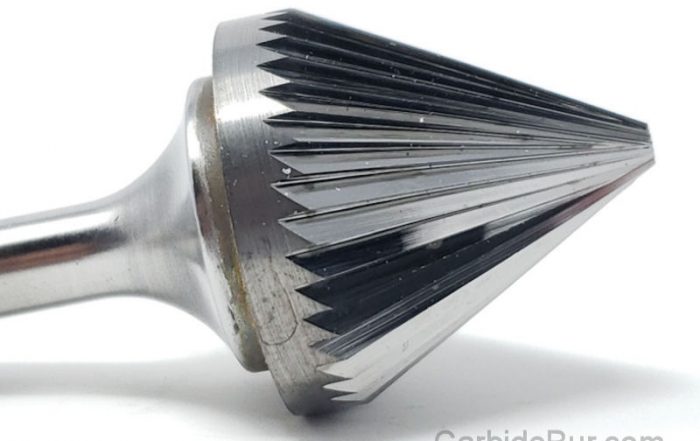
Best Carbide Burr for Porting Intake Manifolds
Best Carbide Burr for Porting Intake Manifolds Porting intake manifolds can make or break your engine’s airflow, yet many struggle with the right tools for the job. Choosing the best carbide burrs is key to [...]
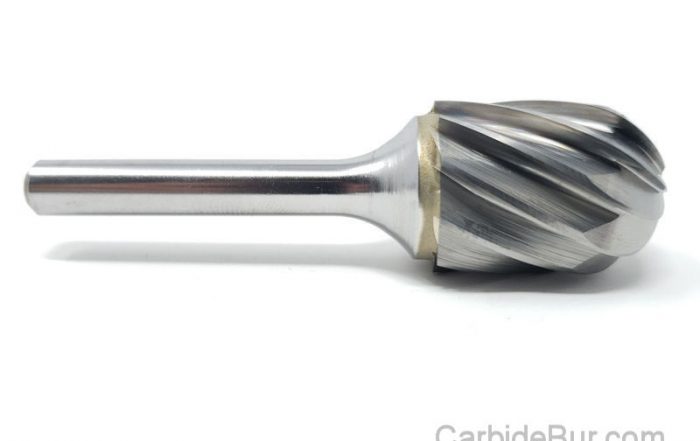
Best Carbide Burr for Concave Surfaces
Best Carbide Burr for Concave Surfaces Concave surfaces can turn a straightforward project into a frustrating challenge if you don’t have the right tool. Carbide burrs designed for these tricky curves make all the difference [...]
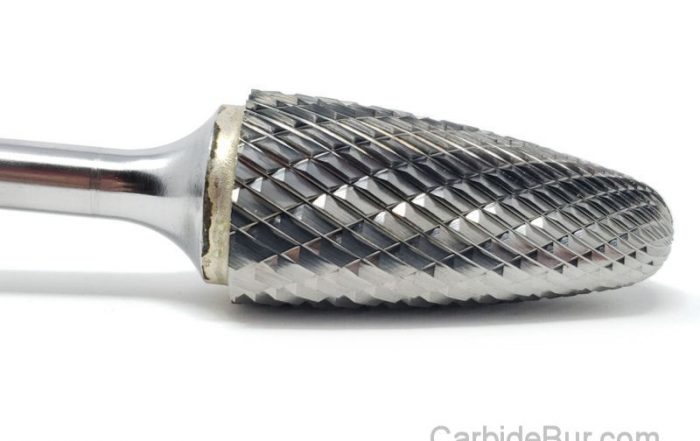
How to Grind a Slot in Metal With a Carbide Burr
How to Grind a Slot in Metal With a Carbide Burr Grinding a precise slot in metal can feel like a tricky task, especially if you’re unsure which tools to trust. Carbide burr grinding offers [...]

Best Carbide Burr for Inside Corners
Best Carbide Burr for Inside Corners Working in tight inside corners can turn even simple projects into frustrating tasks. Many carbide burrs just don’t fit or cut cleanly where you need them most. The best [...]
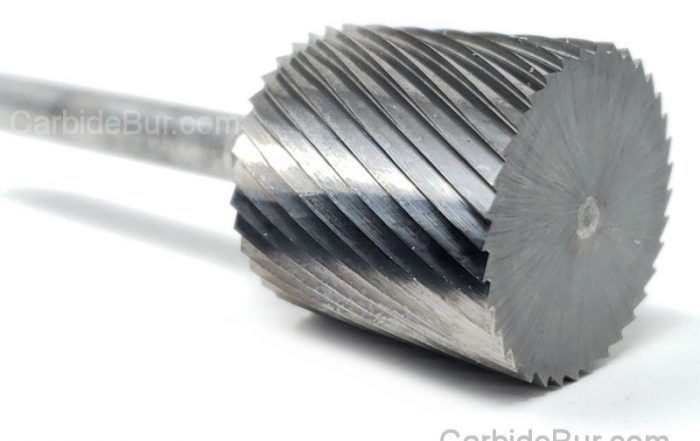
What Size Carbide Burr Do I Need?
What Size Carbide Burr Do I Need? Picking the wrong carbide burr can turn a simple project into a frustrating mess. You might have the best machining tools but still miss the mark if your [...]
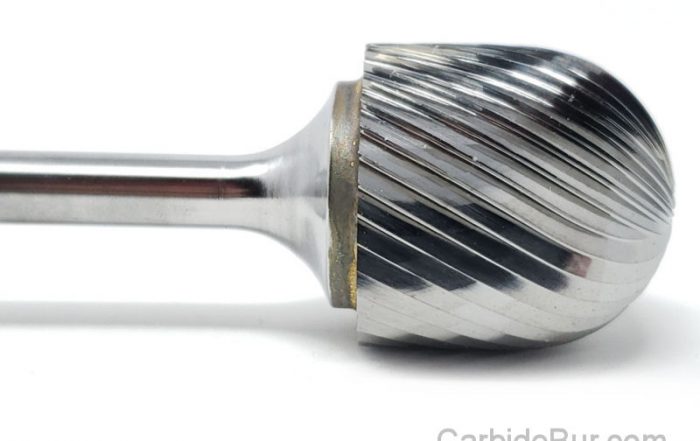
How to Smooth Sharp Metal Edges With a Carbide Burr
How to Smooth Sharp Metal Edges With a Carbide Burr Sharp metal edges can turn your project from professional to risky in seconds. If you’ve struggled with smoothing metal edges without scratching or weakening the [...]
