
Power Up Your Engine: Tips and Techniques for Aluminum Cylinder Head Porting
Most people think any carbide bur will do for aluminum cylinder head porting. That’s where they lose power and waste time on clogged tools. Using the best carbide burs, especially single-cut burs, keeps your ports smooth and airflow tight. Keep reading to learn how simple tweaks can increase your engine velocity and deliver a real power boost. For more detailed insights, check out this guide on proper cylinder head porting.
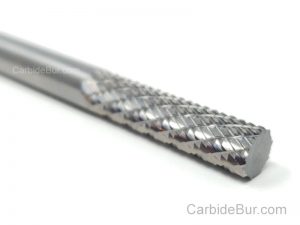
Have you checked out our selection of Carbide Bur Tools?
Understanding Aluminum Cylinder Head Porting
Porting aluminum cylinder heads can effectively boost engine performance. It’s not just about removing metal; it’s about optimizing airflow for maximum power.
Importance of Porting for Performance
Porting plays a crucial role in enhancing engine performance. By creating a smoother pathway, airflow becomes more efficient, leading to better combustion. This results in significant power gains and improved throttle response. Most people think simply increasing airflow is enough, but the shape and smoothness of the port impact performance as well.
Did you know that a well-ported cylinder head can increase horsepower by up to 25%? This improvement is not just about speed; it’s about the smooth delivery of power throughout the RPM range. Learn more about the significance of using the right tools for porting.
Key Benefits of Smoothing Ports
Smoothing ports isn’t just about aesthetics; it’s about performance. A smoother surface reduces air resistance, which means your engine breathes easier. This leads to better fuel efficiency and more power on demand.
When ports are smooth, they also reduce the likelihood of carbon build-up, which can rob power over time. The longer you wait to optimize your ports, the more potential power you’re leaving untapped.
Best Practices for Using Carbide Burs
Choosing the right tools for porting is essential for achieving the best results. Let’s look at what makes a carbide bur the best choice for aluminum.
Choosing Single-Cut Burs
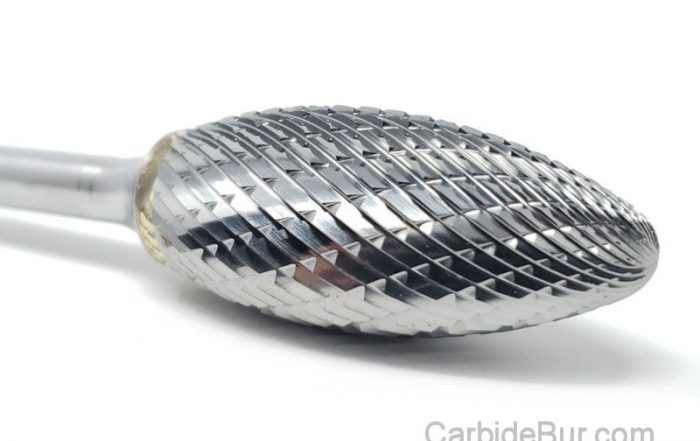
Single-cut burs are ideal for aluminum because they cut smoothly without clogging. They offer more control and precision, which is essential for achieving the desired port shape. Remember, the type of bur affects the metal finish and airflow efficiency.
Here’s how to select the best carbide burs:
-
Material Compatibility: Choose burs specifically designed for aluminum.
-
Cut Style: Opt for single-cut to minimize clogging.
-
Size and Shape: Match the bur size and shape to the port dimensions.
Explore more about choosing the right bur shapes here.
Avoiding Clogging in Aluminum
Clogging is a common challenge when porting aluminum. It can slow you down and ruin your finish. The key is to maintain a sharp edge on your tools and use the right cutting fluid. Using wax or light oil while cutting can prevent chips from sticking to the bur.
Regularly clean your tools during the process. A quick brush every few minutes can keep your burs in prime condition and your work on track. Watch this video for practical tips on avoiding clogging.
Techniques for Boosting Engine Velocity
Porting isn’t just about making holes bigger; it’s about refining how air moves through your engine. With the right techniques, you can see impressive gains in velocity and power.
Enhancing Power with Porting
The right porting techniques can significantly boost engine velocity. This isn’t just about raw power; it’s about making your car more responsive and fun to drive. Improving airflow dynamics through precision porting results in a noticeable increase in acceleration and top speed.
Most people think this is a complex task, but with the proper guidance, even beginners can achieve impressive results. The key is patience and attention to detail.
Tips for Achieving a Power Boost
Achieving a power boost requires a few strategic tweaks:
-
Measure Twice, Cut Once: Precision is key. Make sure your measurements are accurate before you start cutting.
-
Focus on Transitions: Smooth transitions between ports and valves improve airflow.
-
Test and Tune: After porting, always test and adjust to fine-tune performance.
The benefits of these efforts are clear: better engine performance, increased efficiency, and most importantly, a more enjoyable driving experience. The longer you put off these enhancements, the more performance you miss out on.
By applying these tips and techniques, you can unleash the full potential of your engine. Remember, the right tools and approaches make all the difference.
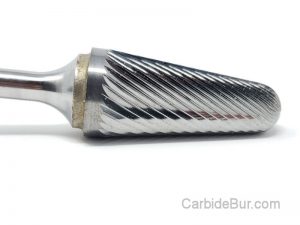
Find more information at CarbideBur.com

Can You Use a Carbide Burr With an Electric Die Grinder?
Can You Use a Carbide Burr With an Electric Die Grinder? Most people don’t realize how much a carbide burr can change the way an electric die grinder works. Using the right burr type can [...]
How to Deburr Holes With a Carbide Burr
How to Deburr Holes With a Carbide Burr Most people think any tool will do for deburring holes. The truth is, using the right carbide burr with the correct size and shape changes everything. In [...]
How to Choose the Correct Carbide Burr Shank Size
How to Choose the Correct Carbide Burr Shank Size Many machinists lose hours troubleshooting tool issues caused by the wrong carbide burr shank size. Using a shank that doesn’t fit your grinder can lead to [...]
How to Remove Casting Flash With a Carbide Burr
How to Remove Casting Flash With a Carbide Burr Casting flash ruins the look and fit of your metal parts. You’ve tried sanding or grinding, but the results aren’t clean or fast enough. Learning how [...]
Best Carbide Burr for Enlarging a Hole in Metal
Best Carbide Burr for Enlarging a Hole in Metal When you need to enlarge a hole in metal, grabbing the wrong carbide burr can turn a simple task into a frustrating mess. Picking the best [...]
Carbide Burr Safety: 15 Mistakes That Can Cause Injury or Damage
Carbide Burr Safety: 15 Mistakes That Can Cause Injury or Damage Carbide burr safety is often overlooked until a costly mistake happens. Many metalworkers and DIYers make the same errors that lead to injuries or [...]
Can You Use a Carbide Burr in a Drill?
Can You Use a Carbide Burr in a Drill? Most people think a standard drill can’t handle a carbide burr, but that’s not true. Using carbide burr in the right drill can speed up your [...]
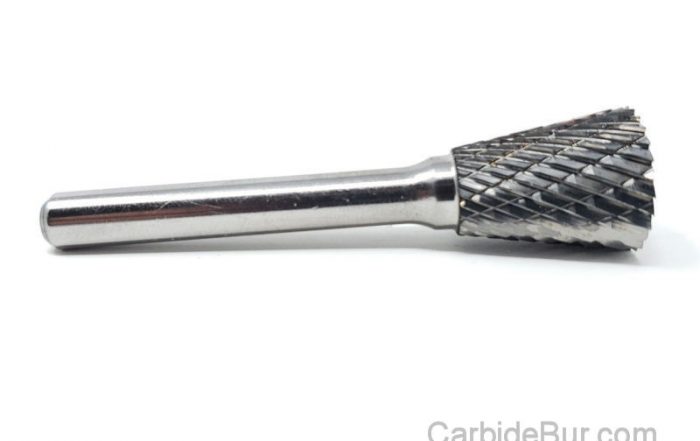
Carbide Burrs for Removing Rust: What Works Best?
Carbide Burrs for Removing Rust: What Works Best? Rust can turn your favorite tools into useless junk faster than you expect. Removing it without ruining the metal underneath takes more than just elbow grease—it demands [...]
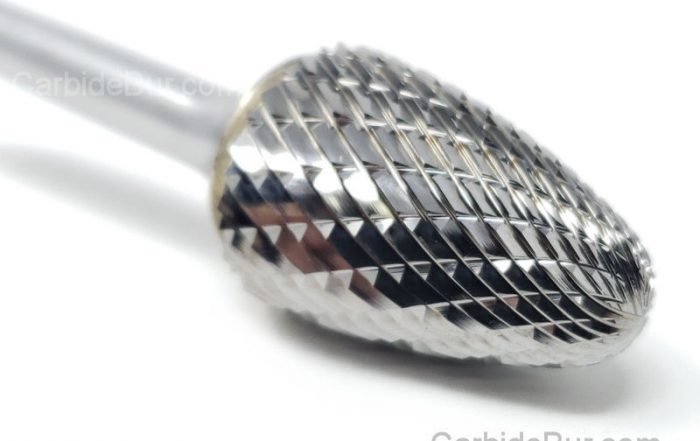
How Much Pressure Should You Use With a Carbide Burr?
How Much Pressure Should You Use With a Carbide Burr? Most people think pressing harder with a carbide burr speeds up the job. That’s not true—too much pressure wears out your tool and ruins the [...]
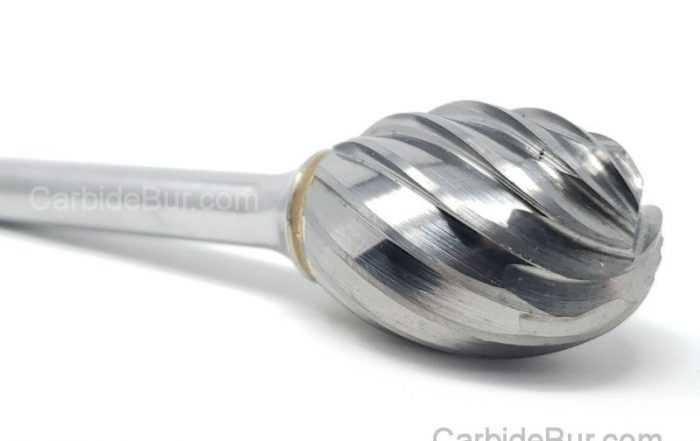
Can You Use Carbide Burrs With an Air Die Grinder?
Can You Use Carbide Burrs With an Air Die Grinder? Most people don’t realize how well carbide burrs work with air die grinders until they try them. If you’ve ever struggled with finding the right [...]
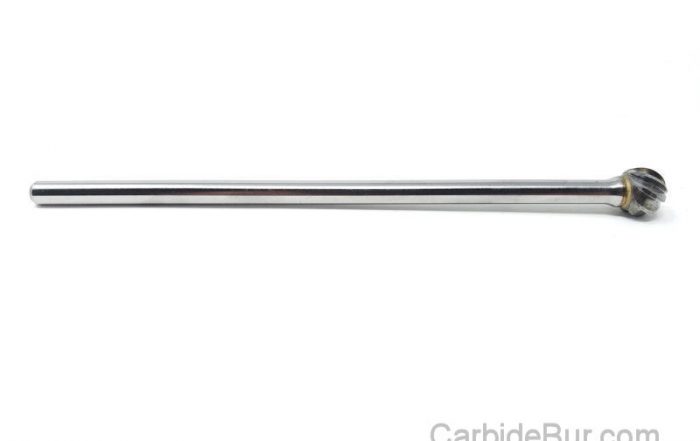
Best Long Reach Carbide Burr for Deep Metal Work
Best Long Reach Carbide Burr for Deep Metal Work Long reach carbide burrs often promise deep metal access, but many fall short where it counts most. You need a tool that cuts cleanly, lasts through [...]
What RPM Should You Use for a 1/8 Inch Carbide Burr?
What RPM Should You Use for a 1/8 Inch Carbide Burr? Most people guess the right carbide burr RPM by feel—and waste hours redoing work. If you want cleaner cuts and longer tool life, your [...]
