
Optimize Operational Speed: Tips to Avoid Carbide Burr Clogging
Carbide burr clogging drains your cutting tools’ power faster than you think. When your burrs slow down or stall, it’s not just frustrating—it cuts into your machining efficiency and drives up costs. Knowing what causes these blockages, from the material you’re working on to the burr design and feed rates, can save you hours of downtime. This guide breaks down key factors and shares practical tips to keep your carbide burrs running clean and sharp. For more insights on avoiding errors during milling, check out this resource.
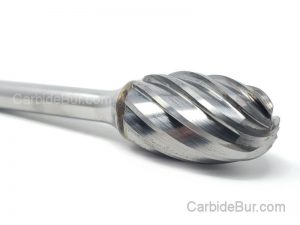
Which carbide bur tool works best for your job?
Understanding Carbide Burr Clogging
Let’s dive into why your carbide burrs might be clogging. Knowing the culprits can save you time and money in the long run.
Causes of Burr Clogging
Clogging happens for a variety of reasons. First, the type of material you work on matters. Softer metals or materials can easily get stuck in the burr’s teeth.
-
Material Build-Up: Softer metals and materials can stick to the burr.
-
Overloading: Pushing too much material too fast can lead to blockages.
-
Tool Condition: Worn-out tools struggle to stay clean and sharp.
These issues cause downtime and reduce machining efficiency. Keeping an eye on these factors can make a big difference.
Material Impact on Performance
Different materials affect how your burr performs. Harder materials like titanium wear tools faster, while softer ones can clog them.
-
Softer Metals: Easy to clog, harder on maintenance.
-
Harder Metals: Faster wear, less clogging but more tool stress.
Recognize the material you’re working with and adjust your approach. For more on solving clogging issues, visit this guide.
Design and Cut Considerations
The design of the burr itself plays a role. Coarse burrs offer less resistance, but finer ones provide cleaner cuts.
-
Coarse Burrs: Quicker, less clogging.
-
Fine Burrs: Slower, cleaner cuts, more clogging risk.
Consider your specific needs when choosing a burr design. A well-chosen tool can save time and hassle.
Optimizing Operational Speed
Now that you understand clogging, speed is your next target. Finding the right speed improves tool effectiveness.
Ideal Speed and Feed Rates
Running your tools at the right speed is crucial. Too fast, and you risk overheating. Too slow, and you create unnecessary wear.
-
Ideal Speed: Match the speed to the material for best results.
-
Feed Rates: Keep them consistent to avoid sudden jams.
Adjusting these can improve performance dramatically. Check out more about technical info on drilling here.
Balancing Speed with Efficiency
Speed isn’t everything. You need balance. Running at top speed might seem productive, but it can wear down tools faster.
-
Balance: Fast enough to be productive, slow enough to prevent damage.
-
Efficiency Tips: Regular adjustments keep efficiency high.
Reviewing your processes regularly can ensure you’re operating at optimal levels.
Adjustments for Different Materials
Each material needs a unique approach. Fine-tuning speeds per material type boosts your results.
-
Material-Specific Speeds: Adjust speeds according to material hardness.
-
Tool Adjustments: Keep tool adjustments regular for consistency.
Tailoring your approach to your material keeps your tools in top shape. For further reading, consider this material loading guide.
Preventive Maintenance Practices
Once you’ve got speed under control, maintenance becomes vital. A solid maintenance routine keeps your tools sharp and ready.
Importance of Tool Maintenance
Keeping tools in prime condition is essential. Regular maintenance prevents unexpected downtime and extends tool life.
-
Routine Checks: Schedule regular inspections.
-
Tool Cleanliness: Keep tools free from debris.
Maintaining your tools means fewer surprises and smoother operations.
Selecting the Right Burr
Choosing the right burr for the task can prevent clogging. Each task needs a specific tool.
-
Task-Specific Tools: Pick the right burr for each job.
-
Avoid Overuse: Change tools regularly to prevent wear.
Selecting wisely boosts your efficiency and reduces blockages.
Regular Inspection Protocols
Routine checks catch problems before they start. Setting up a schedule is key.
-
Inspection Checklist: Have a list of what to check.
-
Consistent Schedules: Regular inspections keep things running smoothly.
Inspections might seem tedious, but they’re crucial for long-term success.

Lubrication and Cooling Techniques
Now, let’s talk about keeping things cool. Proper lubrication and cooling can prevent many problems.
Choosing Appropriate Lubricants
The right lubricant can make all the difference. It helps tools run smoothly and prevents heat buildup.
-
Lubricant Selection: Pick one that matches your tool and material.
-
Application Techniques: Apply evenly and consistently for best results.
This choice can save you from many headaches.
Cooling Systems for Optimal Performance
Cooling systems help keep temperatures down, reducing wear on your tools.
-
System Options: Choose a system that fits your setup.
-
Regular Checks: Keep systems in good working order.
A good cooling system keeps your operations running efficiently.
Lubrication Application Methods
Applying lubricant the right way ensures effectiveness. Even distribution is key.
-
Application Tools: Use tools designed for even spread.
-
Regular Reapplication: Keep lubricant levels consistent.
Proper application keeps everything running smoothly.
Enhancing Cutting Efficiency
Finally, let’s boost your cutting efficiency. Small changes can have a big impact.
Techniques to Reduce Clogging
A few techniques can help you reduce clogging and improve performance.
-
Regular Cleaning: Keep tools clean to prevent buildup.
-
Adjust Techniques: Change methods based on performance feedback.
These small adjustments can save a lot of time and effort.
Proper Use of Cutting Tools
Using tools the right way extends their life and boosts efficiency.
-
Correct Handling: Follow proper usage guidelines.
-
Tool Care: Store tools properly to prevent damage.
Proper use leads to better results and less downtime.
Strategies for Consistent Performance
Consistency is key. Applying consistent strategies ensures reliable results.
-
Plan and Adjust: Keep a plan in place and adjust as necessary.
-
Feedback Loops: Implement feedback for continuous improvement.
Consistency keeps your operations running at peak performance.
In conclusion, understanding the causes of burr clogging and implementing these strategies will help you maintain the efficiency of your carbide burrs. Regular maintenance and the right techniques are your best allies.
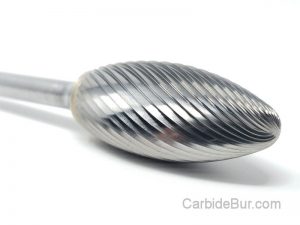
Looking for Carbide Bur Tools?
Check out our entire selection of USA made carbide bur die grinder tool bits
Follow us on Twitter
Return to CarbideBur.com
Carbide Burs – 1/4″ on 1/8″ Shanks – Accessories – Aluminum Cut – Bur Sets – End Mills – Long Shank – Solid Burs
Are Expensive Carbide Burrs Worth It? Comparing Price and Performance
Are Expensive Carbide Burrs Worth It? Comparing Price and Performance When shopping for carbide burrs, it's easy to assume that the cheapest option saves money. But if you use rotary cutting tools regularly for welding, [...]
Carbide Burr vs. Grinding Stone: Which Is Better for Metal Removal?
Carbide Burr vs. Grinding Stone: Which Is Better for Metal Removal? When you need to remove metal, smooth a rough edge, or shape a metal component, two common options are carbide burrs and grinding stones. [...]
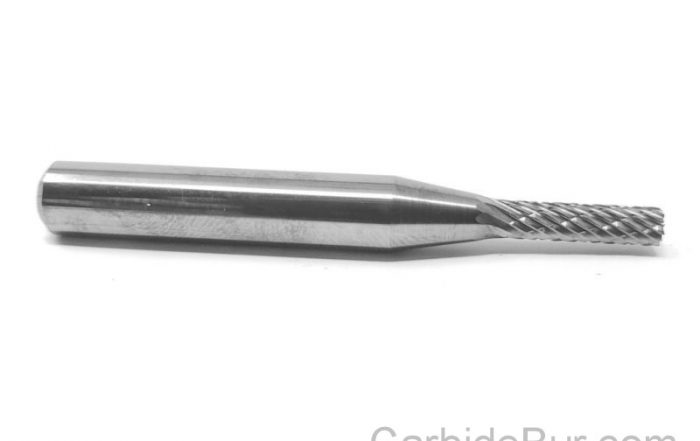
Carbide Burr Safety: RPM, Eye Protection, and Common Mistakes
Carbide Burr Safety: RPM, Eye Protection, and Common Mistakes Carbide burrs are versatile cutting tools used for metal fabrication, welding cleanup, engine porting, deburring, and general material removal. When used correctly, they can help remove [...]
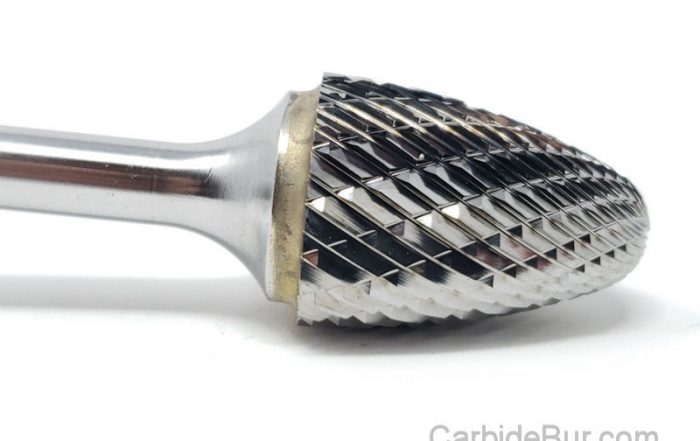
How to Stop Aluminum from Clogging Your Carbide Burr
How to Stop Aluminum from Clogging Your Carbide Burr Aluminum is widely used in automotive work, welding, metal fabrication, aerospace components, and general machining. It is lightweight, relatively easy to machine, and versatile across many [...]
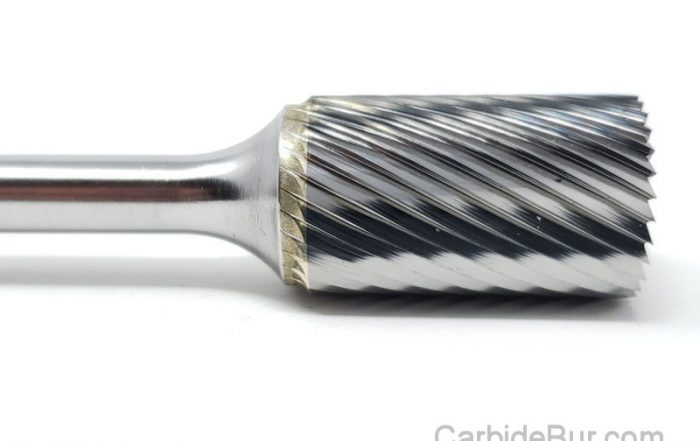
Carbide Burrs for Intake Manifolds: Shaping, Cleanup, and Fitment
Carbide Burrs for Intake Manifolds: Shaping, Cleanup, and Fitment Intake manifold work often involves more than simply bolting a component onto an engine. Depending on the application, metal intake components may have casting irregularities, rough [...]
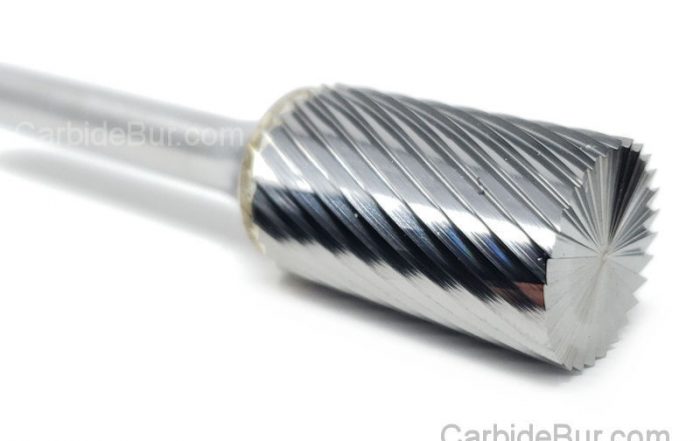
Why Long-Shank Carbide Burrs Are Useful for Hard-to-Reach Areas
Why Long-Shank Carbide Burrs Are Useful for Hard-to-Reach Areas When working on metal parts, the area that needs grinding or shaping is not always easy to reach. Recessed openings, deep cavities, interior surfaces, and complicated [...]
Choosing Carbide Burrs for Stainless Steel Fabrication
Choosing Carbide Burrs for Stainless Steel Fabrication Stainless steel is widely used in fabrication because of its corrosion resistance, strength, and durability. However, those same properties can make it challenging to machine and finish. Removing [...]
Can You Use Carbide Burrs in a Dremel? Shank Sizes Explained
Can You Use Carbide Burrs in a Dremel? Shank Sizes Explained If you use a Dremel or another rotary tool for detail work, metal shaping, or small fabrication projects, you may wonder whether you can [...]
How to Choose the Best Carbide Burr for Welding and Metal Fabrication
How to Choose the Best Carbide Burr for Welding and Metal Fabrication Welding and metal fabrication often require more than joining two pieces of metal together. Once the welding is finished, fabricators frequently need to [...]
Carbide Burrs for Cylinder Heads: What Automotive Enthusiasts Need to Know
Carbide Burrs for Cylinder Heads: What Automotive Enthusiasts Need to Know Cylinder head work is an important part of engine building, restoration, and performance machining. Whether you are cleaning up casting imperfections, refining port surfaces, [...]
Engine Porting 101: How Carbide Burrs Help Shape Cylinder Head Ports
Engine Porting 101: How Carbide Burrs Help Shape Cylinder Head Ports Engine performance enthusiasts, automotive machinists, and engine builders often look for ways to improve airflow through an engine's cylinder heads. One technique used in [...]
When to Use a 4-Inch or 9-Inch Die Grinder Extension
When to Use a 4-Inch or 9-Inch Die Grinder Extension Metal fabrication, welding, automotive repair, and engine building often require working in places where a standard die grinder and carbide burr cannot easily reach. Recessed [...]
