
Quick and Easy Rust Removal: Transform Your Metal Tools Without Damage
Rust can eat through your metal tools faster than you think, leaving you stuck with useless gear. Trying to remove rust often means scratching or damaging the surface, making the problem worse. This guide shows simple rust removal techniques to remove rust from metal tools without harm, so your gear looks and works like new again. For more insights, check out this article.
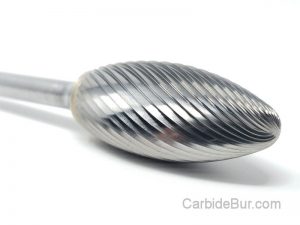
Looking for Carbide Bur Tools?
Check out our entire selection of USA made carbide bur die grinder tool bits
Understanding Rust and Its Impact
When dealing with rust, knowing the root causes and effects on metal tools can save you time and effort. Let’s dive into the fundamentals of rust.
What Causes Rust
Rust forms when iron or steel reacts with oxygen and moisture. This chemical reaction leads to the formation of iron oxide. If your tools are exposed to rain or humidity, they are at higher risk. Did you know that even the moisture in the air can trigger rust? That’s why keeping your tools dry is crucial!
How Rust Affects Metal Tools
Rust not only looks bad but weakens your tools. It makes them brittle and less effective. Over time, rust can eat away at the metal, causing permanent damage. Imagine losing your favorite wrench just because of some rust! Protect your tools by understanding these effects early on.
Essential Tools and Materials
Knowing what you need is half the battle. Let’s talk about the necessary tools and materials to tackle rust effectively.
Must-Have Rust Removal Tools
You don’t need high-tech gadgets to fight rust. Simple items like wire brushes and sandpaper work wonders. A good wire brush helps you scrub away rust on flat surfaces, while sandpaper is great for finer details. For those tricky spots, a rotary tool with a wire brush attachment can be a lifesaver.
Recommended Cleaning Solutions
In addition to physical tools, cleaning solutions play a vital role. White vinegar and baking soda are home remedy heroes for rust removal. Vinegar dissolves rust particles, while baking soda aids in scrubbing. For a deeper clean, consider commercial rust removers, which are easy to find online and in stores. Check out this guide for more homemade rust removal ideas.
Effective Rust Removal Techniques
Now that you have your tools and solutions ready, it’s time to apply some tried-and-tested rust removal techniques.
Best Rust Remover Products
Popular rust removers like CLR and Evapo-Rust are well-regarded for a reason. These products are designed to break down rust without harming the metal beneath. Look for products that are non-toxic and easy to use. One major benefit: they can save you hours of scrubbing!
DIY Rust Removal Methods
You might be surprised at how effective homemade options can be. For example, lemon juice mixed with salt creates a paste that targets rust. Apply it to the rusty area, let it sit for a few hours, then scrub clean. Another method uses baking soda: mix it with water to form a paste and apply. These methods are not only cost-effective but also eco-friendly. Discover more DIY tips.
Safe Rust Cleaning Methods
Safety should always be a priority when removing rust. Use gloves to protect your skin from harsh chemicals or sharp edges. Ensure your workspace is well-ventilated, especially when using commercial products. And remember, gentle methods are better for preserving your tools.
Step-by-Step Rust Removal Guide
Let’s walk through the rust removal process step-by-step to make sure you get the best results without damaging your tools.
Preparing Your Tools
Preparation is key. Start by cleaning the tool with soap and water to remove any dirt. Dry it thoroughly to prevent further rusting. Gather all necessary tools and materials, organizing them for easy access. This setup ensures efficiency and helps you stay focused on the task.
Applying Rust Removal Techniques
Follow these steps to remove rust effectively:
-
Choose Your Method: Decide between DIY or commercial products.
-
Apply the Solution: Cover the rusted area thoroughly.
-
Wait: Let the solution sit as per instructions, giving it time to work.
-
Scrub: Use your wire brush or sandpaper to scrub away the loosened rust.
-
Rinse: Clean the tool with water and dry immediately.
Ensuring Surface Safety
Once the rust is gone, inspect the tool for any scratches or marks. Use a fine grit sandpaper to smooth any rough areas. This step ensures your tools remain safe and functional. Regular inspection also helps catch new rust spots early, keeping your tools in top shape.
Preventing Future Rust
Now that your tools are rust-free, let’s focus on keeping them that way with some preventive measures.
Maintenance Tips for Metal Tools
Routine maintenance helps in prolonging the life of your tools. After each use, wipe them down with a dry cloth. Oiling moving parts can also prevent moisture buildup. Regular checks for new rust spots can save you from more extensive work later. Remember, a little prevention goes a long way.
Protective Coatings and Storage Solutions
Applying a protective coating like WD-40 can help form a barrier against moisture. Store tools in a dry, cool place, ideally in a toolbox with silica gel packs to absorb moisture. Wall racks can also keep your tools organized and off potentially damp surfaces. Here’s a discussion on effective storage solutions from fellow tool enthusiasts.
By following these guidelines, you’ll keep your metal tools in excellent condition, well-protected from rust and ready for any project.
Looking for Carbide Bur Tools?
Check out our entire selection of USA made carbide bur die grinder tool bits
Follow us on Twitter

Return to CarbideBur.com
Carbide Burs – 1/4″ on 1/8″ Shanks – Accessories – Aluminum Cut – Bur Sets – End Mills – Long Shank – Solid Burs
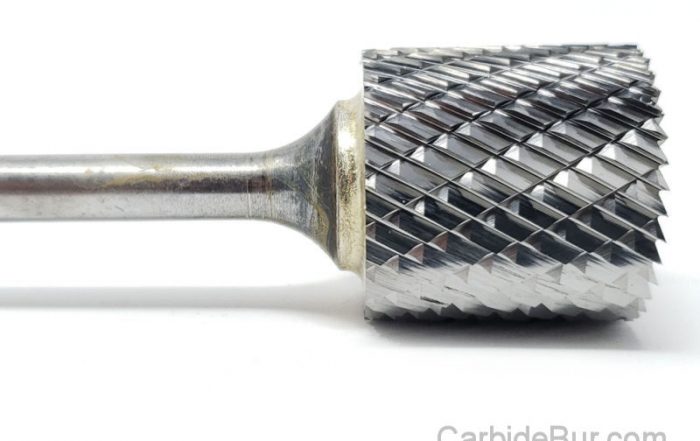
Can Carbide Burrs Cut Through Welds?
Can Carbide Burrs Cut Through Welds? Cutting through welds can feel like a battle, especially when you need clean results without harming the base metal. Carbide burrs offer a sharp edge in this fight, but [...]
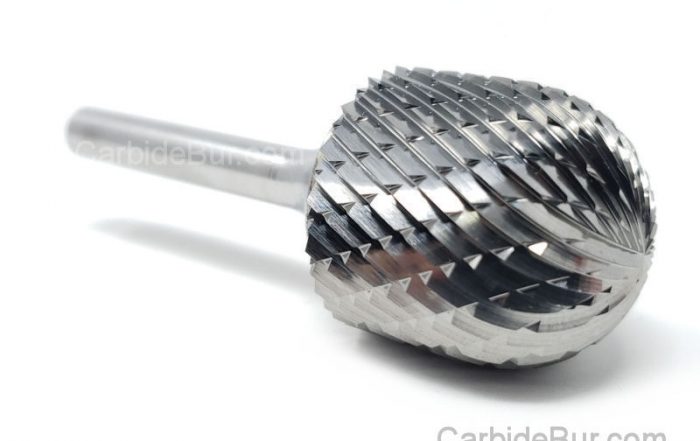
How to Use a Carbide Burr With a Die Grinder
How to Use a Carbide Burr With a Die Grinder Most people treat a carbide burr like just another tool, but using it with a die grinder takes skill. If you’ve struggled with burr installation [...]
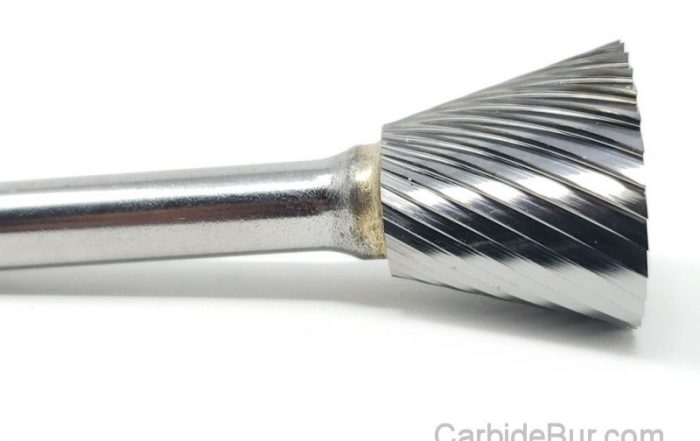
1/8 vs 1/4 Inch Carbide Burrs: What’s the Difference?
1/8 vs 1/4 Inch Carbide Burrs: What's the Difference? Choosing between a 1/8 inch carbide burr and a 1/4 inch carbide burr can change how your project turns out. Many machinists and hobbyists overlook how [...]
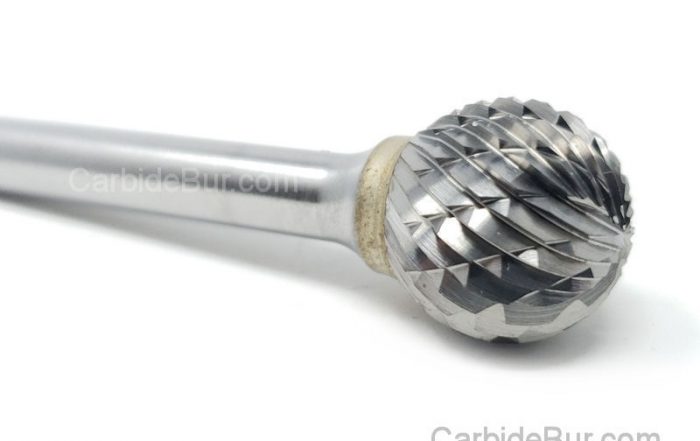
Best Carbide Burr for Removing Flash From Castings
Best Carbide Burr for Removing Flash From Castings Removing flash from castings is a task that can slow down your entire metalworking process if you don’t have the right tools. Picking the best carbide burr [...]
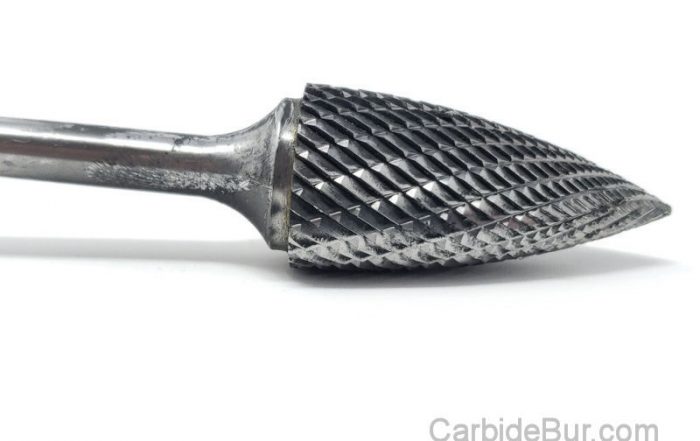
What RPM Should You Use for a 1/4 Inch Carbide Burr?
What RPM Should You Use for a 1/4 Inch Carbide Burr? Most machinists guess the right speed for a 1/4 inch carbide burr and hope for the best. Using the wrong carbide burr RPM can [...]
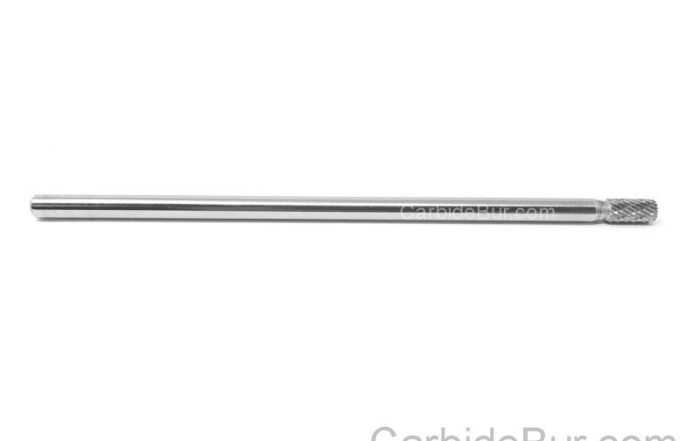
Long Shank Carbide Burrs: When Do You Need One?
Long Shank Carbide Burrs: When Do You Need One? Most machinists overlook the power of long shank carbide burrs until a project demands precision in tight spaces. When your usual tools can’t reach intricate contours, [...]
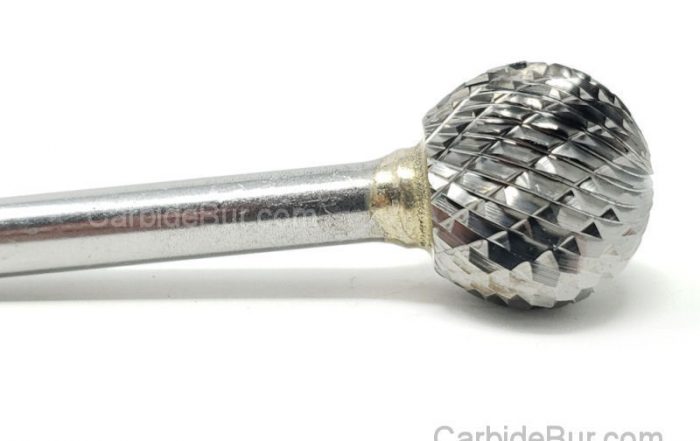
How Deep Can a Carbide Burr Cut Metal?
How Deep Can a Carbide Burr Cut Metal? Carbide burrs often get praised for their precision, but many users hit a wall wondering how deep they can actually cut metal. The truth is, cutting depth [...]
How to Use Carbide Burrs for Port Matching
How to Use Carbide Burrs for Port Matching Most engine builds hit a wall when airflow doesn’t flow smoothly between the ports and manifolds. If your engine isn’t breathing right, your performance stalls. Using the [...]
Best Carbide Burr for Porting Intake Manifolds
Best Carbide Burr for Porting Intake Manifolds Porting intake manifolds can make or break your engine’s airflow, yet many struggle with the right tools for the job. Choosing the best carbide burrs is key to [...]
Best Carbide Burr for Concave Surfaces
Best Carbide Burr for Concave Surfaces Concave surfaces can turn a straightforward project into a frustrating challenge if you don’t have the right tool. Carbide burrs designed for these tricky curves make all the difference [...]
How to Grind a Slot in Metal With a Carbide Burr
How to Grind a Slot in Metal With a Carbide Burr Grinding a precise slot in metal can feel like a tricky task, especially if you’re unsure which tools to trust. Carbide burr grinding offers [...]

Best Carbide Burr for Inside Corners
Best Carbide Burr for Inside Corners Working in tight inside corners can turn even simple projects into frustrating tasks. Many carbide burrs just don’t fit or cut cleanly where you need them most. The best [...]
