
Tips for DIY Enthusiasts: Preventing Aluminum Buildup in Die Grinders with Carbide Burs
When your carbide bur clogs with aluminum in the middle of a project, frustration quickly sets in. You know that buildup not only slows your die grinder but also wears down your tools faster. Switching to an aluminum-cut flute or waxing the flutes first can keep your cutting smooth and your tools lasting longer. Let’s explore how these simple steps help you finish your aluminum work cleaner and faster. For more insights, check out this guide on carbide burs for aluminum.
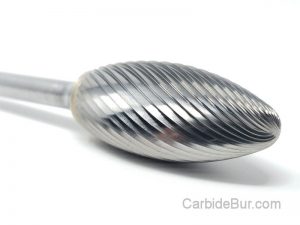
Looking for Carbide Bur Tools?
Check out our entire selection of USA made carbide bur die grinder tool bits
Understanding Aluminum Buildup
When you’re knee-deep in a project, the last thing you need is your tool slowing you down. Aluminum buildup can be a real headache, but knowing its causes can help. Let’s dive in.
Causes of Aluminum Buildup
Why does aluminum stick? It’s softer and tends to melt slightly, bonding to your bur. The high friction from cutting generates heat, and that’s when things get sticky. This is common if you’re using the wrong tool for the job. A standard bur might not cut it, literally.
To avoid this, consider the material you are working on. Aluminum requires specific tools to handle its properties. The wrong bur can cause problems, so ensure you choose the right one. For more on this, check out these metalworking tips.
Effects on Tool Performance
A clogged tool is a slow tool. When aluminum builds up, it hampers the cutting action. Your die grinder works overtime, leading to early wear and tear. This not only affects your project timeline but also your budget, as you’ll need replacements sooner.
Reduced efficiency means more time on the same task. Imagine grinding for an hour only to achieve little progress. It’s frustrating and demotivating. Ensuring your tools are clean helps maintain their performance, saving you time and effort.
Importance of Prevention
Preventing buildup is key to smoother operations. It’s not just about keeping tools clean; it’s about optimizing your workflow. A well-maintained tool extends its lifespan and boosts productivity.
By taking the necessary steps to prevent buildup, you maintain the integrity of your tools and enhance your efficiency. It’s a simple way to ensure your projects run smoothly and finish on time, without unnecessary interruptions.
Choosing the Right Carbide Bur
Selecting the perfect tool can feel daunting, but it doesn’t have to be. This section will guide you through making the best choice for your projects.
Benefits of Aluminum-Cut Geometry
The right geometry makes all the difference. Aluminum-cut burs are designed to handle soft metals. Their unique flute design reduces the risk of clogging, providing a smoother cut and less heat buildup. It’s like having a specialized weapon in your toolkit.
These burs are specifically crafted to handle the peculiarities of aluminum. This makes them perfect for anyone who frequently works with this material. With these tools, you’ll cut cleaner and faster, minimizing downtime and frustration.
Factors to Consider in Selection
When choosing a bur, think about the size and shape. Different projects require different tools. A bur that’s too large or small can cause more problems than it solves. Always match the tool to the task.
Consider the RPM of your die grinder. Burs are designed to work at specific speeds. Using them at the wrong speed can cause overheating and rapid wear. Pay attention to the manufacturer’s guidelines to maximize your bur’s lifespan.
How to Properly Store Burs
Storage might seem trivial, but it’s crucial for tool longevity. Store your burs in a dry, cool place to prevent rust. Use a holder or case to keep them organized and protected from damage.
Proper storage ensures your tools are always ready for the next project. It might seem minor, but these simple steps protect your investment, making your work smoother and more efficient.
Techniques to Reduce Buildup
You’ve got the right tools. Now, let’s talk technique. These methods will help keep your burs clean and your projects on track.
Waxing the Carbide Bur Flutes
Waxing is a simple but effective trick. Applying a light coat of wax to the flutes prevents aluminum from sticking. It acts as a barrier, making the cleaning process easier and faster.
Use a soft cloth to apply the wax, covering the flutes evenly. This small step can significantly reduce downtime caused by buildup. Waxing is a quick, cost-effective way to keep your burs operating smoothly.
Adjusting Die Grinder Settings
Your die grinder’s settings matter more than you think. Adjusting the speed can prevent overheating and reduce material sticking. Lower speeds often work better with aluminum, preventing unnecessary friction and heat.
Experiment with different settings to find what works best for your materials. This might take some trial and error, but it’s worth it for the improved performance and reduced clogging.
Regular Cleaning and Maintenance
Routine maintenance is vital. Regularly clean your burs to remove any accumulated debris. Use a soft brush or specialized cleaning tool for best results. This simple habit can extend tool life and improve performance.
Set a cleaning schedule and stick to it. Consistent maintenance keeps your tools in top shape, ready for any project you tackle. For more cleaning tips, visit this forum discussion on cleaning carbide burs.
Enhancing Tool Longevity
Keeping your tools in top condition doesn’t just save money, it saves time. Here’s how you can ensure they last longer.
Minimizing Wear and Tear
Reducing wear and tear is simpler than you think. Proper usage, coupled with regular maintenance, keeps your tools functioning well. Avoid overloading your die grinder, as this can lead to premature breakdowns.
By respecting your tool’s limits, you prevent unnecessary damage. This approach protects your equipment and ensures consistent performance, project after project.
Extending the Life of Your Die Grinder
Your die grinder is the heart of your operations. Keeping it well-tuned is crucial. Regular checks and timely repairs prevent small issues from becoming major problems.
Listen to your grinder. Unusual sounds or vibrations can signal a problem. Addressing these early saves you time and money down the line. A well-maintained grinder makes your work easier and more enjoyable.
Cost-Effectiveness of Proper Maintenance
Investing time in maintenance saves money. It’s more cost-effective to care for your tools than to replace them. A well-maintained tool performs better and lasts longer, maximizing your investment.
Think of maintenance as an insurance policy. It’s a small effort that pays off big in the long run, ensuring your tools are always ready for the next challenge.
Achieving Desired Finishes
The right finish is the hallmark of quality work. Here’s how to achieve it consistently.
Maintaining Smooth Cutting Action
Smooth cutting action is key to a perfect finish. Keeping your tools sharp and clean ensures they cut effectively. This leads to cleaner edges and a professional-looking finish.
Remember, a clean tool is a happy tool. Regular cleaning and sharpening maintain cutting efficiency and quality results. It’s a small step with big payoffs.
Tips for Consistent Results
Consistency is king in DIY projects. Using the right tools, techniques, and maintenance routines ensures repetitive success. Follow your proven methods to guarantee quality every time.
If something works, stick with it. Consistency in approach often leads to consistent results. This methodical approach enhances your skills and outcomes.
Satisfaction in DIY Projects
The joy of DIY lies in the satisfaction of a job well done. Seeing your vision come to life is rewarding. Proper tool care and technique ensure your projects meet your expectations.
Embrace the process. Your efforts lead to results that not only look good but also stand the test of time. That’s the true joy of creation. For more on choosing the right tools, explore this discussion on die grinders and carbides.
Looking for Carbide Bur Tools?
Check out our entire selection of USA made carbide bur die grinder tool bits
Follow us on Twitter

Return to CarbideBur.com
Carbide Burs – 1/4″ on 1/8″ Shanks – Accessories – Aluminum Cut – Bur Sets – End Mills – Long Shank – Solid Burs
Can Carbide Burrs Cut Through Welds?
Can Carbide Burrs Cut Through Welds? Cutting through welds can feel like a battle, especially when you need clean results without harming the base metal. Carbide burrs offer a sharp edge in this fight, but [...]
How to Use a Carbide Burr With a Die Grinder
How to Use a Carbide Burr With a Die Grinder Most people treat a carbide burr like just another tool, but using it with a die grinder takes skill. If you’ve struggled with burr installation [...]
1/8 vs 1/4 Inch Carbide Burrs: What’s the Difference?
1/8 vs 1/4 Inch Carbide Burrs: What's the Difference? Choosing between a 1/8 inch carbide burr and a 1/4 inch carbide burr can change how your project turns out. Many machinists and hobbyists overlook how [...]
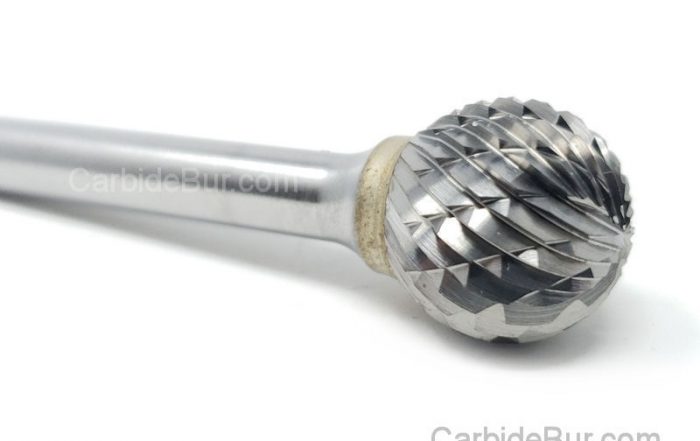
Best Carbide Burr for Removing Flash From Castings
Best Carbide Burr for Removing Flash From Castings Removing flash from castings is a task that can slow down your entire metalworking process if you don’t have the right tools. Picking the best carbide burr [...]
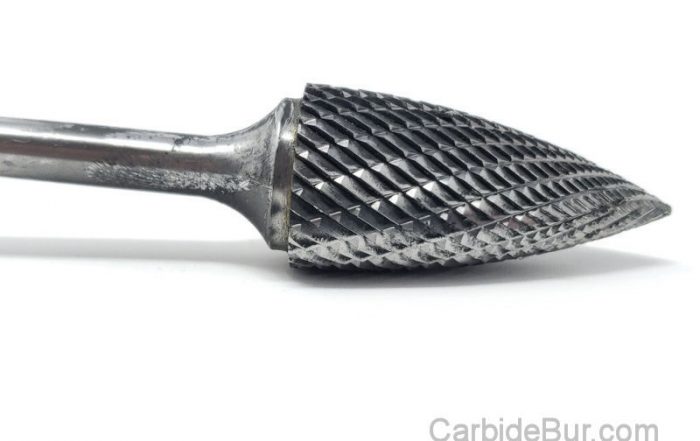
What RPM Should You Use for a 1/4 Inch Carbide Burr?
What RPM Should You Use for a 1/4 Inch Carbide Burr? Most machinists guess the right speed for a 1/4 inch carbide burr and hope for the best. Using the wrong carbide burr RPM can [...]
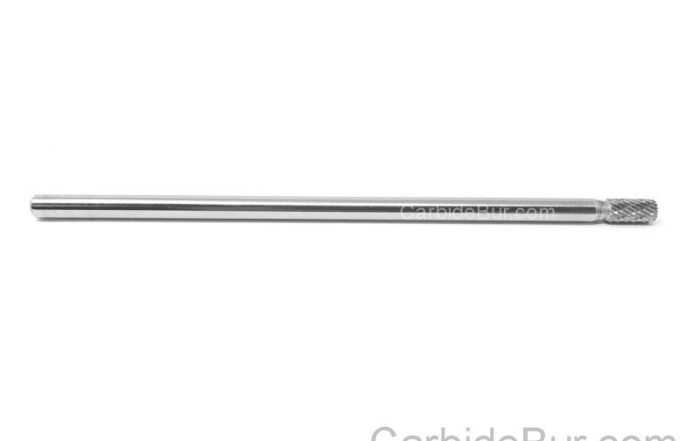
Long Shank Carbide Burrs: When Do You Need One?
Long Shank Carbide Burrs: When Do You Need One? Most machinists overlook the power of long shank carbide burrs until a project demands precision in tight spaces. When your usual tools can’t reach intricate contours, [...]
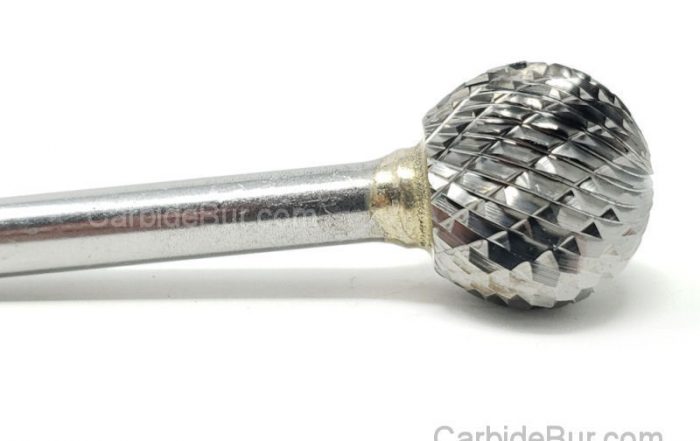
How Deep Can a Carbide Burr Cut Metal?
How Deep Can a Carbide Burr Cut Metal? Carbide burrs often get praised for their precision, but many users hit a wall wondering how deep they can actually cut metal. The truth is, cutting depth [...]
How to Use Carbide Burrs for Port Matching
How to Use Carbide Burrs for Port Matching Most engine builds hit a wall when airflow doesn’t flow smoothly between the ports and manifolds. If your engine isn’t breathing right, your performance stalls. Using the [...]
Best Carbide Burr for Porting Intake Manifolds
Best Carbide Burr for Porting Intake Manifolds Porting intake manifolds can make or break your engine’s airflow, yet many struggle with the right tools for the job. Choosing the best carbide burrs is key to [...]
Best Carbide Burr for Concave Surfaces
Best Carbide Burr for Concave Surfaces Concave surfaces can turn a straightforward project into a frustrating challenge if you don’t have the right tool. Carbide burrs designed for these tricky curves make all the difference [...]
How to Grind a Slot in Metal With a Carbide Burr
How to Grind a Slot in Metal With a Carbide Burr Grinding a precise slot in metal can feel like a tricky task, especially if you’re unsure which tools to trust. Carbide burr grinding offers [...]

Best Carbide Burr for Inside Corners
Best Carbide Burr for Inside Corners Working in tight inside corners can turn even simple projects into frustrating tasks. Many carbide burrs just don’t fit or cut cleanly where you need them most. The best [...]
