
Unlocking the Full Potential of Metalworking and Woodworking with Carbide Burr Bits
In the world of crafting, where precision and quality are paramount, the carbide burr set emerges as an essential tool for both metalworking and woodworking enthusiasts. These versatile crafting tools, known for their exceptional carbide durability, allow artisans to seamlessly shape, engrave, and deburr with unmatched precision. Whether you’re a professional metalworker or a passionate hobbyist, the use of high-quality burrs can significantly enhance your craftsmanship, offering smooth finishes and detailed artistry. With an array of shapes and sizes, each carbide burr bit is designed to tackle specific tasks, from intricate precision engraving to efficient deburring, making them indispensable in any workshop. In this guide, we’ll delve into the myriad ways these rotary burr cutters and die grinder bits carbide can transform your projects, empowering you to achieve superior results with confidence and ease.
Understanding Carbide Burr Sets
To fully appreciate the utility of a carbide burr set, it’s crucial to understand its key components and benefits. These tools are essential in both metalworking and woodworking due to their versatility and efficiency. They feature various shapes and sizes tailored to specific tasks like shaping, deburring, and engraving.
Key Features and Benefits
Carbide burrs are renowned for their durability and precision. Crafted from high-quality materials, they offer long-lasting performance and sharpness. This reliability is critical for professionals seeking consistency in their projects.
Additionally, they provide versatility. With different shapes and sizes available, these burrs can handle a multitude of tasks, from intricate detailing to bulk material removal. This flexibility allows artisans to switch between tasks seamlessly, enhancing workflow efficiency.
The carbide material used in these burrs ensures that they remain sharp and effective, even after prolonged use. This contributes to the cost-effectiveness of investing in a set, as it reduces the frequency of replacements.
For more details, visit Empire Abrasives for a range of options.
Common Shapes and Sizes
Carbide burr sets come in a variety of shapes and sizes, each designed for specific tasks. Understanding these can help you select the right tool for your project.
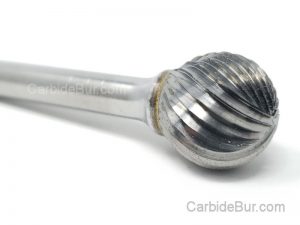
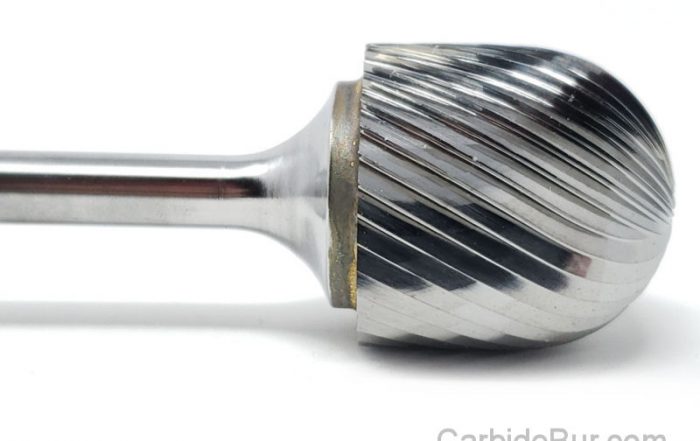
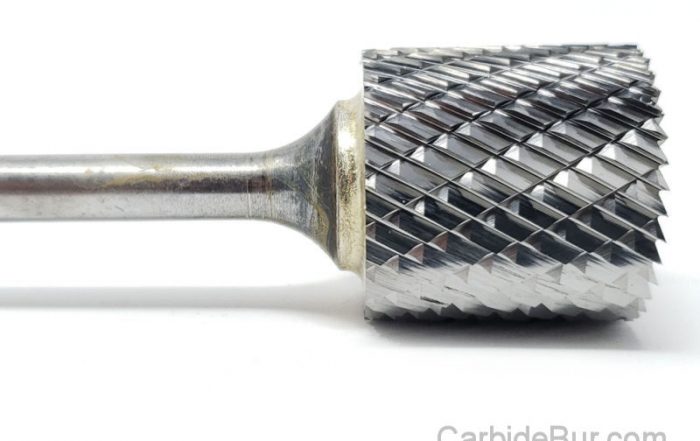
Cylinder and ball shapes are common for material removal and smoothing surfaces. These shapes are ideal for flat surfaces and rounded edges, respectively, allowing for precise control in shaping tasks.
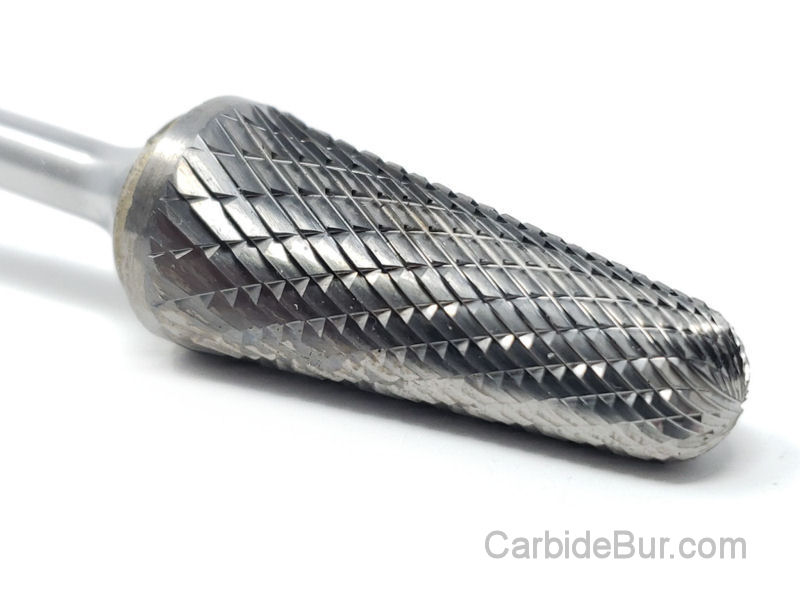
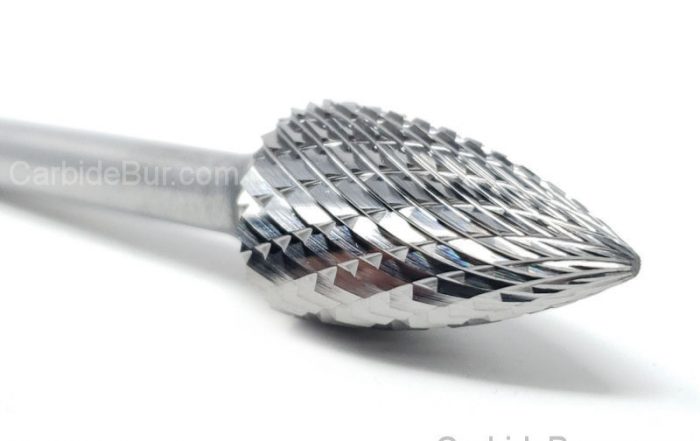
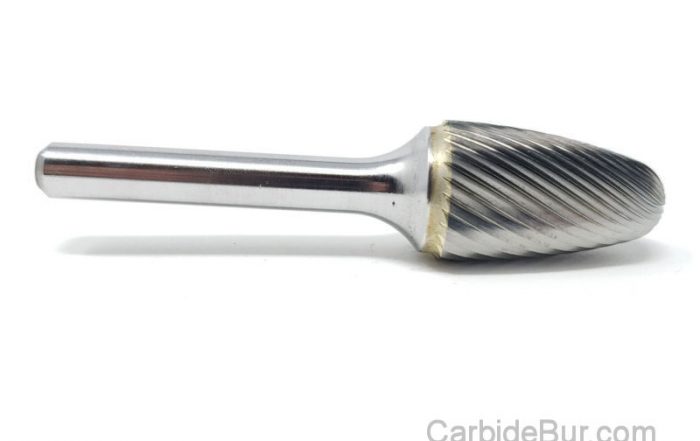
Tapered and tree-shaped burrs are used for detailed work and tight spaces. These are perfect for reaching inside narrow areas and for achieving fine detail work, such as engraving or intricate designs.
Here’s a simple comparison of common shapes:
|
Shape |
Ideal Use |
|---|---|
|
Cylinder |
Flat surfaces |
|
Ball |
Rounded edges |
|
Tapered |
Detailed work, tight spaces |
|
Tree |
Intricate designs, engraving |
Explore more about these shapes at Ezarc Tools.
Applications in Metalworking and Woodworking
Carbide burrs are indispensable in both metalworking and woodworking. Their adaptability makes them suitable for a wide range of applications, enhancing both the quality and efficiency of the work performed.
Enhancing Metalworking Projects
In metalworking, carbide burrs play a crucial role in shaping and finishing metal components. Their ability to cut through tough materials with ease makes them a favorite among professionals.
-
Shaping Metal: Burrs are used to shape and smooth metal surfaces, allowing for precise component fabrication.
-
Deburring: They effectively remove burrs and sharp edges, ensuring safety and improving the quality of metal parts.
-
Engraving: For custom designs and detailed work, carbide burrs are perfect for engraving intricate patterns on metal surfaces.
For a visual guide on using these tools in metalworking, check out this YouTube video.
Perfecting Woodworking Techniques
In woodworking, carbide burrs are valued for their precision and ability to handle different types of wood.
Precision Engraving: These burrs allow for detailed engraving, making them ideal for creating intricate designs on wood surfaces.
Smoothing and Shaping: They are effective in smoothing rough wood surfaces and shaping wood to desired contours, enhancing the overall finish.
Versatility: Whether working on hardwoods or softwoods, carbide burrs adapt well, providing consistent results across different wood types.
To explore their use in woodworking, visit Empire Abrasives.
Maximizing Craftsmanship with Burr Bits
To unlock the full potential of your projects, selecting the right burr bits and maintaining them properly is essential. This ensures longevity and optimal performance.
Selecting the Right Burr for the Task
Choosing the right burr bit involves understanding the task at hand and matching it with the appropriate shape and size.
-
Identify the Material: Consider whether you’re working with metal, wood, or another material, as each may require different types of burrs.
-
Determine the Task: Are you shaping, deburring, or engraving? Each task may necessitate a specific burr shape.
-
Consult Experts: If in doubt, refer to online resources or consult professionals to ensure you’re selecting the best tool for your needs.
For guidance, visit Ezarc Tools.
Tips for Optimal Use and Maintenance
To maintain the quality and performance of your carbide burr bits, follow these tips:
-
Regular Cleaning: Remove debris after each use to prevent buildup and maintain cutting efficiency.
-
Use Appropriate Speeds: Operate at recommended speeds to prevent overheating and wear.
-
Store Properly: Keep in a dry, safe place to avoid damage or corrosion.
-
Professional Servicing: Consider professional sharpening if the burrs become dull.
Implement these practices to ensure the longevity and effectiveness of your tools. For more maintenance tips, check out this helpful YouTube guide.
Carbide Burr Safety: 15 Mistakes That Can Cause Injury or Damage
Carbide Burr Safety: 15 Mistakes That Can Cause Injury or Damage Carbide burr safety is often overlooked until a costly mistake happens. Many metalworkers and DIYers make the same errors that lead to injuries or [...]
Can You Use a Carbide Burr in a Drill?
Can You Use a Carbide Burr in a Drill? Most people think a standard drill can’t handle a carbide burr, but that’s not true. Using carbide burr in the right drill can speed up your [...]
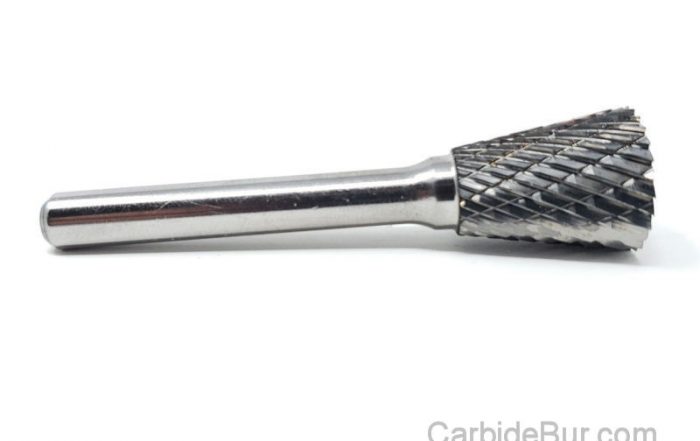
Carbide Burrs for Removing Rust: What Works Best?
Carbide Burrs for Removing Rust: What Works Best? Rust can turn your favorite tools into useless junk faster than you expect. Removing it without ruining the metal underneath takes more than just elbow grease—it demands [...]
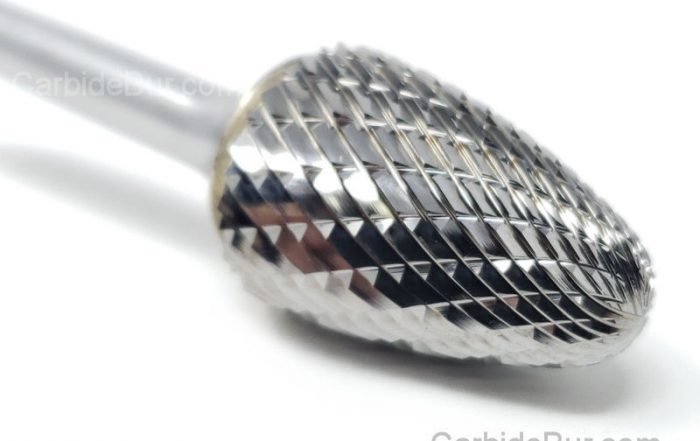
How Much Pressure Should You Use With a Carbide Burr?
How Much Pressure Should You Use With a Carbide Burr? Most people think pressing harder with a carbide burr speeds up the job. That’s not true—too much pressure wears out your tool and ruins the [...]
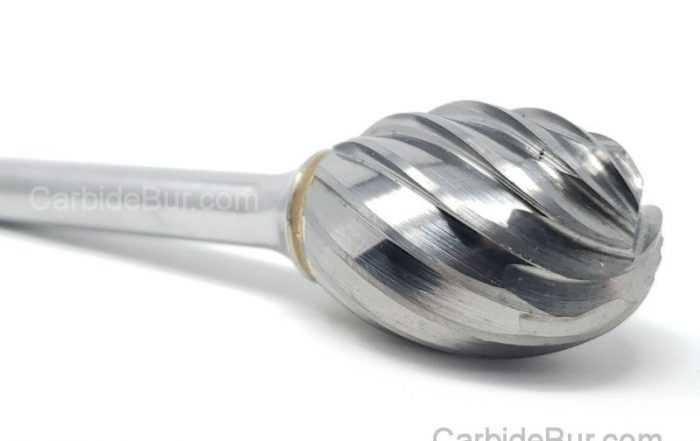
Can You Use Carbide Burrs With an Air Die Grinder?
Can You Use Carbide Burrs With an Air Die Grinder? Most people don’t realize how well carbide burrs work with air die grinders until they try them. If you’ve ever struggled with finding the right [...]
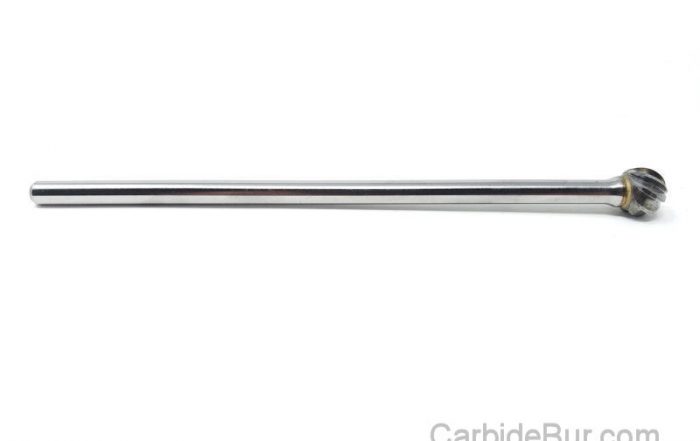
Best Long Reach Carbide Burr for Deep Metal Work
Best Long Reach Carbide Burr for Deep Metal Work Long reach carbide burrs often promise deep metal access, but many fall short where it counts most. You need a tool that cuts cleanly, lasts through [...]
What RPM Should You Use for a 1/8 Inch Carbide Burr?
What RPM Should You Use for a 1/8 Inch Carbide Burr? Most people guess the right carbide burr RPM by feel—and waste hours redoing work. If you want cleaner cuts and longer tool life, your [...]
Carbide Burrs for Tight Spaces: Choosing the Right Shape
Carbide Burrs for Tight Spaces: Choosing the Right Shape Tackling tight spaces with the wrong carbide burrs wastes time and risks damaging your work. Choosing the right burr shape makes all the difference when working [...]
Can Carbide Burrs Remove Paint From Metal?
Can Carbide Burrs Remove Paint From Metal? Stripping paint from metal often feels like a tough chore that risks damaging the surface underneath. Many turn to carbide burrs hoping they can speed things up without [...]
How to Grind a Groove in Metal With a Carbide Burr
How to Grind a Groove in Metal With a Carbide Burr Most metalworkers struggle to cut clean grooves without wasting time or ruining their workpiece. Many try different metalworking tools but end up with uneven [...]
Can Carbide Burrs Cut Through Welds?
Can Carbide Burrs Cut Through Welds? Cutting through welds can feel like a battle, especially when you need clean results without harming the base metal. Carbide burrs offer a sharp edge in this fight, but [...]
How to Use a Carbide Burr With a Die Grinder
How to Use a Carbide Burr With a Die Grinder Most people treat a carbide burr like just another tool, but using it with a die grinder takes skill. If you’ve struggled with burr installation [...]
