1/8 vs 1/4 Inch Carbide Burrs: What’s the Difference?
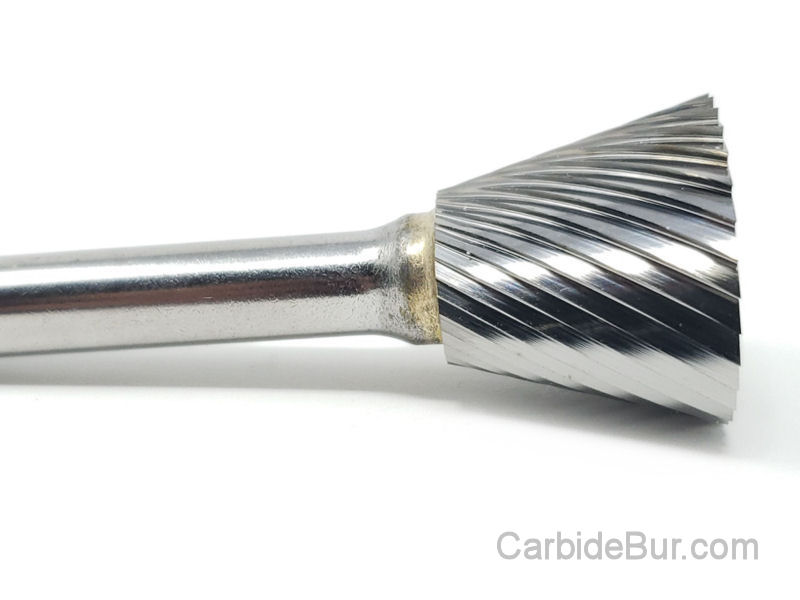
Choosing between a 1/8 inch carbide burr and a 1/4 inch carbide burr can change how your project turns out. Many machinists and hobbyists overlook how burr size impacts cutting speed and material removal rate. This burr size comparison breaks down what each tool does best and where it fits in your toolbox. By the end, you’ll know exactly which carbide burr matches your machining needs. For more insights, you can explore the versatility of carbide burrs.

Understanding Carbide Burrs
Every machinist and hobbyist knows the power of the right tool. Carbide burrs stand out for their versatility and precision in shaping, cutting, and grinding. Let’s explore why these tools are essential.
Key Characteristics and Uses
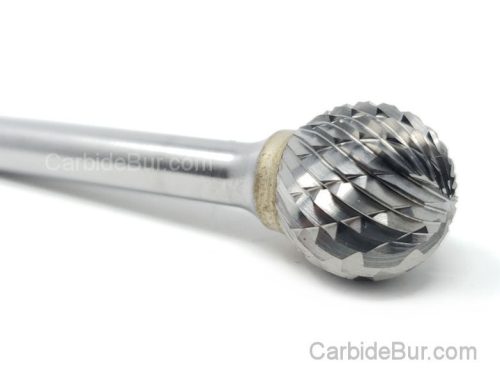
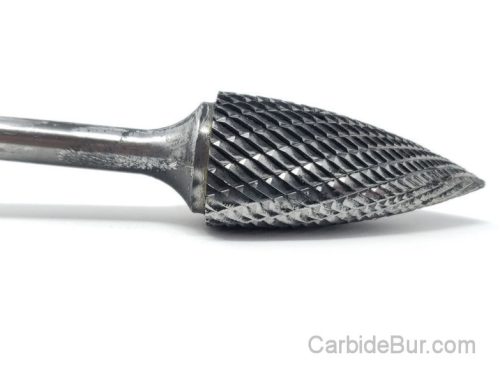
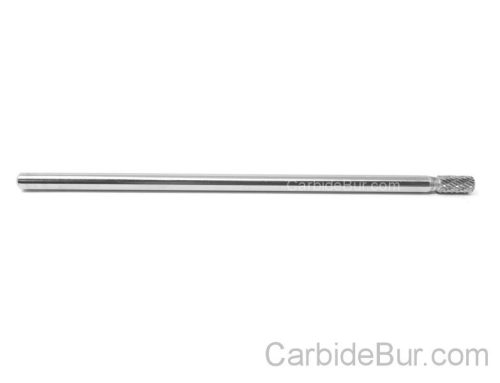
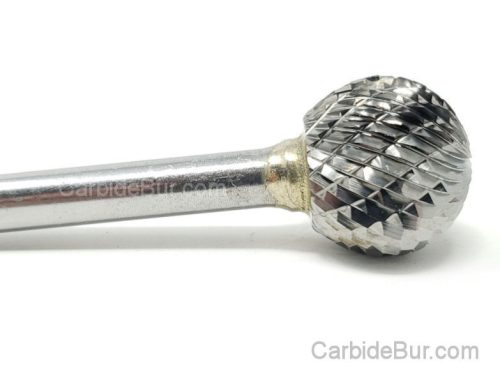
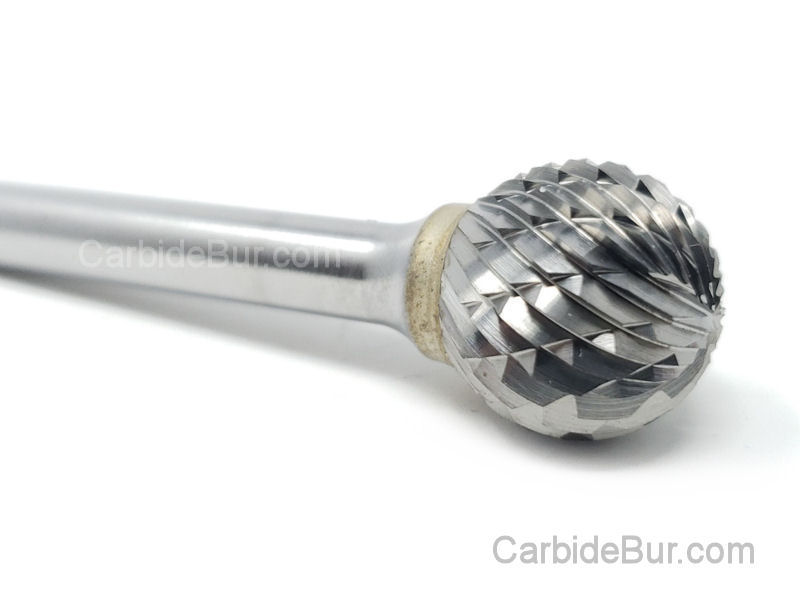
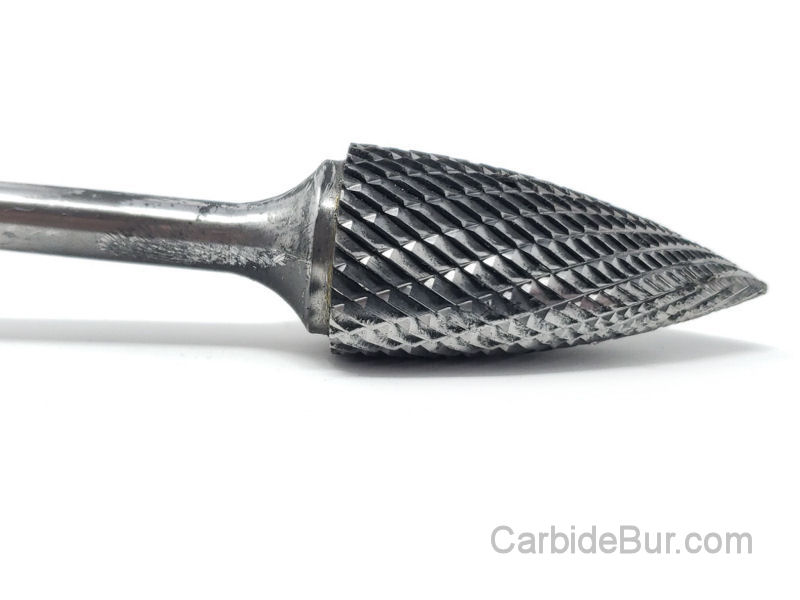
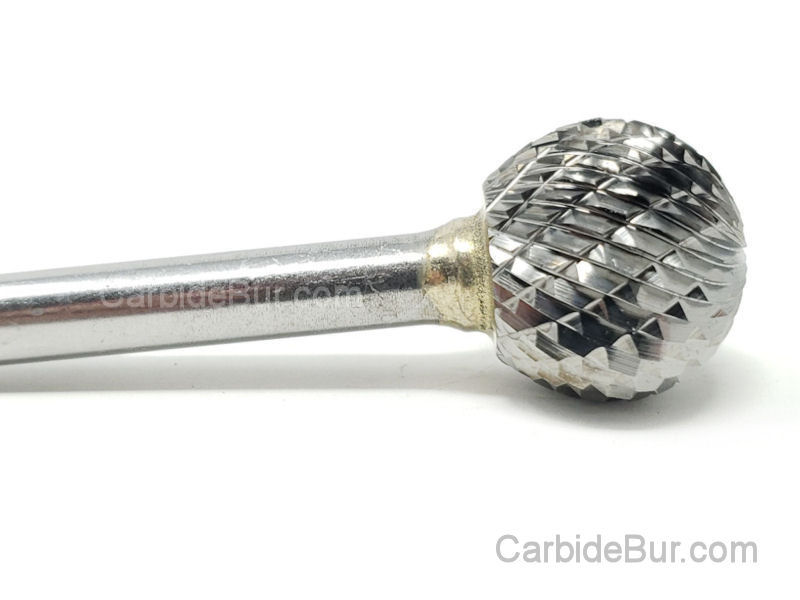
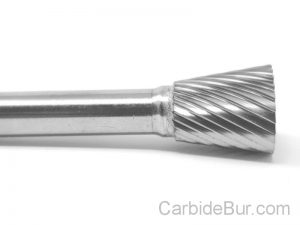
Carbide burrs are small, rotary tools designed for precise material removal. You often use them in metalworking, woodworking, and other intricate crafting tasks. They come in various shapes and sizes, each tailored to specific applications. Their durability allows them to withstand high-speed rotations. This makes them a favorite for tasks that demand accuracy and efficiency.
Importance in Machining Tools
These burrs play a crucial role in machining tools. They not only enhance accuracy but also extend the lifespan of your equipment by reducing wear and tear. Whether you are a professional machinist or a DIY enthusiast, understanding how different burr sizes affect performance can significantly impact your projects. You can delve into the art of crafting carbide burrs for a deeper understanding of their importance.
Comparing Burr Sizes
The size of the burr you choose can make or break your project. Here, we’ll look at the differences between the 1/8 inch and 1/4 inch carbide burrs to help you make an informed decision.
1/8 Inch Carbide Burr Features
The 1/8 inch carbide burr is perfect for detailed work. Its smaller size allows for tight maneuvering in delicate areas. This burr is ideal for intricate designs and fine tuning. It’s best used for tasks that require precision over power. For example, when working on jewelry or small sculptures, the 1/8 inch burr provides the control you need to achieve fine details.
1/4 Inch Carbide Burr Features
In contrast, the 1/4 inch carbide burr is your go-to for more robust tasks. This size is suitable for removing larger amounts of material quickly. It’s often used in projects where speed and material removal are priorities. Consider using this burr for projects like bolt cutting or heavy-duty carving, where its strength and efficiency shine. For more guidance on selecting the right burr for heavy tasks, visit this detailed guide.
Performance Factors
Understanding the performance of your burrs can greatly impact the outcome of your projects. Let’s dive into how different burr sizes affect cutting speed and material removal rate.
Cutting Speed Differences
Cutting speed is crucial in determining how efficiently you can work on a project. The 1/8 inch burr, while precise, may require slower speeds for optimal control. The 1/4 inch burr, however, can handle faster speeds, making it ideal for larger tasks. Fast cutting speeds can reduce project time significantly, enhancing your workflow. Explore ways to optimize your cutting speeds today.
Material Removal Rate
The material removal rate varies between burr sizes too. A 1/8 inch burr excels in detailed work requiring minimal removal. Conversely, the 1/4 inch burr is designed for bulk removal, which is essential in shaping larger materials. This difference directly affects how quickly you can complete your tasks and the level of detail you can achieve.
Choosing the Right Burr
Selecting the correct burr size is vital for achieving your desired results. Consider the nature of your project and the goals you aim to achieve.
Application Suitability
For projects requiring delicate detailing, the 1/8 inch burr is your best choice. It offers precision and control without compromising accuracy. Meanwhile, the 1/4 inch burr is more suitable for projects needing rapid material removal and less intricate work. Assess your project requirements to determine which burr aligns with your goals.
Burr Size Comparison for Projects
When comparing burr sizes for specific projects, weigh the benefits of precision versus speed. The 1/8 inch burr excels in detailed craftsmanship, whereas the 1/4 inch burr is ideal for quick, heavy-duty tasks. Evaluate your project’s needs to decide which factor—precision or efficiency—is more critical.
Tips for Machinists and Hobbyists
Whether you’re a seasoned machinist or a hobbyist just starting, using carbide burrs efficiently and safely can elevate your work. Here are some tips to enhance your skills.
Maximizing Efficiency
To get the most out of your carbide burrs, maintain a steady hand and consistent pressure. This approach increases the lifespan of your tools while ensuring high-quality results. When selecting a burr, consider the material you’re working with and adjust your speed accordingly.
Safe and Effective Use
Safety should always be a priority when using carbide burrs. Wear appropriate protective gear and ensure your workspace is well-lit and organized. Keep your tools sharp and clean to avoid mishaps. These practices not only protect you but also enhance the longevity of your tools.
Frequently Asked Questions
What are carbide burrs used for?
Carbide burrs are used for shaping, cutting, and grinding various materials, including metal, wood, and plastic. They are versatile tools that help achieve detailed designs and smooth finishes.
Why is burr size important in machining?
Burr size affects the level of detail and the speed of material removal. Smaller burrs offer precision for intricate tasks, while larger burrs provide efficiency for bulk material removal.
How do you choose the right burr size?
Choose based on your project needs. Use a 1/8 inch burr for detailed work requiring precision and a 1/4 inch burr for projects needing quick and substantial material removal.
What safety measures should I take when using carbide burrs?
Always wear protective gear, such as safety goggles and gloves. Ensure your workspace is tidy and well-lit. Keep your tools maintained to reduce the risk of accidents.
Can I use carbide burrs on different materials?
Yes, carbide burrs can be used on metals, wood, and plastics. Select the appropriate burr size and shape for the material you are working with to achieve the best results.
Looking for Carbide Bur Tools?
Check out our entire selection of USA made carbide bur die grinder tool bits
Follow us on Twitter

Return to CarbideBur.com
Carbide Burs – 1/4″ on 1/8″ Shanks – Accessories – Aluminum Cut – Bur Sets – End Mills – Long Shank – Solid Burs
1/8 vs 1/4 Inch Carbide Burrs: What’s the Difference?
1/8 vs 1/4 Inch Carbide Burrs: What's the Difference? Choosing between a 1/8 inch carbide burr and a 1/4 inch carbide burr can change how your project turns out. Many machinists and hobbyists overlook how [...]

Best Carbide Burr for Removing Flash From Castings
Best Carbide Burr for Removing Flash From Castings Removing flash from castings is a task that can slow down your entire metalworking process if you don’t have the right tools. Picking the best carbide burr [...]
What RPM Should You Use for a 1/4 Inch Carbide Burr?
What RPM Should You Use for a 1/4 Inch Carbide Burr? Most machinists guess the right speed for a 1/4 inch carbide burr and hope for the best. Using the wrong carbide burr RPM can [...]
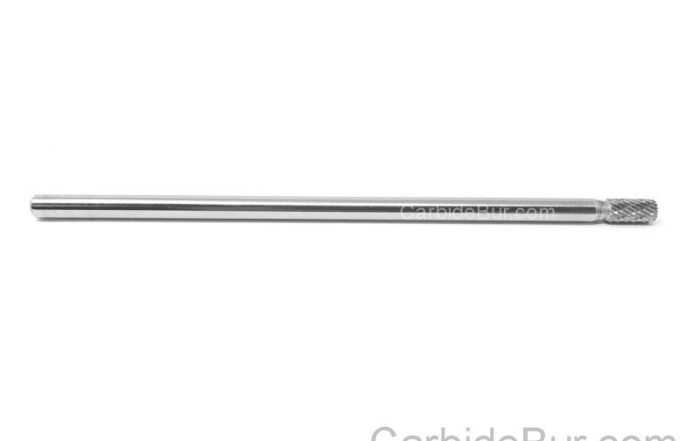
Long Shank Carbide Burrs: When Do You Need One?
Long Shank Carbide Burrs: When Do You Need One? Most machinists overlook the power of long shank carbide burrs until a project demands precision in tight spaces. When your usual tools can’t reach intricate contours, [...]
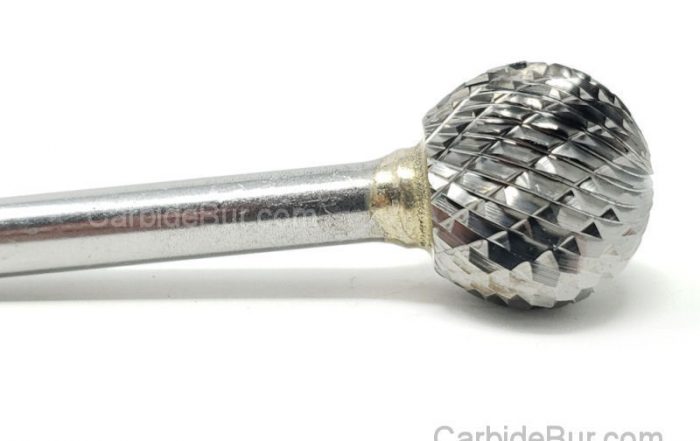
How Deep Can a Carbide Burr Cut Metal?
How Deep Can a Carbide Burr Cut Metal? Carbide burrs often get praised for their precision, but many users hit a wall wondering how deep they can actually cut metal. The truth is, cutting depth [...]
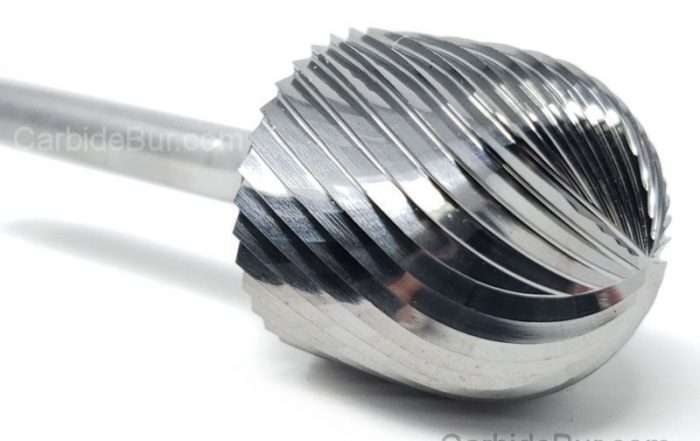
How to Use Carbide Burrs for Port Matching
How to Use Carbide Burrs for Port Matching Most engine builds hit a wall when airflow doesn’t flow smoothly between the ports and manifolds. If your engine isn’t breathing right, your performance stalls. Using the [...]
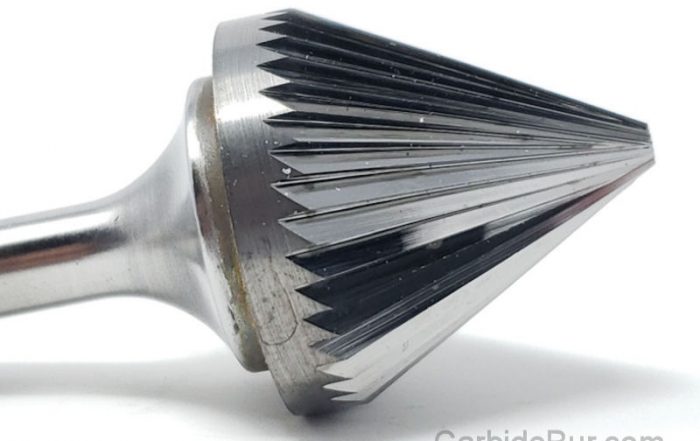
Best Carbide Burr for Porting Intake Manifolds
Best Carbide Burr for Porting Intake Manifolds Porting intake manifolds can make or break your engine’s airflow, yet many struggle with the right tools for the job. Choosing the best carbide burrs is key to [...]
Best Carbide Burr for Concave Surfaces
Best Carbide Burr for Concave Surfaces Concave surfaces can turn a straightforward project into a frustrating challenge if you don’t have the right tool. Carbide burrs designed for these tricky curves make all the difference [...]
How to Grind a Slot in Metal With a Carbide Burr
How to Grind a Slot in Metal With a Carbide Burr Grinding a precise slot in metal can feel like a tricky task, especially if you’re unsure which tools to trust. Carbide burr grinding offers [...]

Best Carbide Burr for Inside Corners
Best Carbide Burr for Inside Corners Working in tight inside corners can turn even simple projects into frustrating tasks. Many carbide burrs just don’t fit or cut cleanly where you need them most. The best [...]
What Size Carbide Burr Do I Need?
What Size Carbide Burr Do I Need? Picking the wrong carbide burr can turn a simple project into a frustrating mess. You might have the best machining tools but still miss the mark if your [...]
How to Smooth Sharp Metal Edges With a Carbide Burr
How to Smooth Sharp Metal Edges With a Carbide Burr Sharp metal edges can turn your project from professional to risky in seconds. If you’ve struggled with smoothing metal edges without scratching or weakening the [...]