
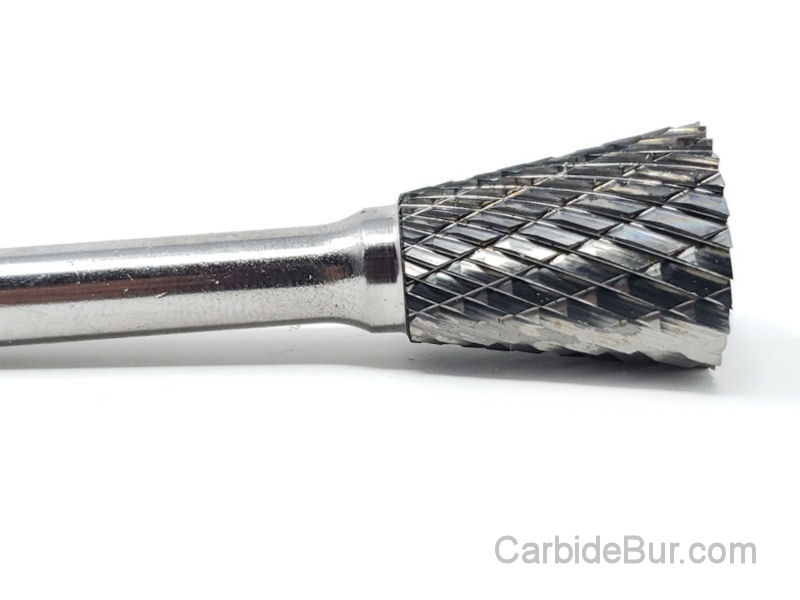
Elevating Machining Efficiency with High-Performance Rotary Cutters
In the world of precision machining, the quest for enhanced efficiency and accuracy is ever-present, and high-performance rotary cutters play a crucial role in this pursuit. At the heart of these advanced cutting tools lies the remarkable material known as carbide, whose properties are pivotal in transforming machining processes. With unparalleled hardness, exceptional wear resistance, and outstanding thermal stability, carbide elevates rotary cutters to new heights by ensuring they maintain sharpness and durability even under demanding conditions. These unique characteristics not only minimize friction but also enable high-speed operations, making carbide the go-to choice for machinists, engineers, and craftsmen seeking to optimize machining efficiency across various industries. Join us as we delve into the fascinating properties of carbide and uncover why it is the preferred material for cutting-edge rotary cutters. More information on these tools can be found here.
Carbide Properties in Rotary Cutters
Understanding the intrinsic properties of carbide is essential for grasping how rotary cutters achieve their high-performance standards. These properties are what make carbide the material of choice for cutting tools, offering exceptional hardness, significant wear resistance, and impressive thermal stability. As we dive deeper, we’ll explore how these characteristics contribute to machining efficiency and enhance overall tool performance.
Exceptional Hardness and Durability
Carbide’s exceptional hardness is one of its most significant properties, making it an ideal material for rotary cutters. This hardness is due to the unique combination of carbon and tungsten, forming one of the toughest materials available.
In practical terms, this means that carbide rotary cutters can withstand the rigors of cutting through tough materials without deforming. Durability is further enhanced by this hardness, allowing the tools to maintain their cutting edge for longer periods.
In comparison to other materials such as high-speed steel, carbide’s resistance to wear and tear is unmatched.
-
Example: A machinist using carbide tools in an automotive plant reported significant reductions in tool replacements, leading to cost savings and increased production efficiency.
For more insights, you can visit ScienceDirect and explore the engineering aspects of carbide cutters.
Wear Resistance Advantages
The wear resistance of carbide is another critical factor that elevates its status in rotary cutters. This property allows the tools to remain effective even after extensive use, reducing the frequency of replacements.
-
Resistance to Abrasion: Carbide maintains its integrity when exposed to abrasive materials.
-
Longevity: The lifespan of carbide tools often surpasses that of their counterparts.
Real-world applications show that this wear resistance significantly reduces downtime. For instance, in aerospace manufacturing, carbide rotary cutters have improved production timelines by maintaining sharpness over prolonged use.
Visit Cobra Carbide for more on solid carbide cutting tools.
Thermal Stability in High-Speed Operations
Thermal stability is crucial in high-speed operations, where heat generation can be a significant concern. Carbide’s ability to withstand high temperatures without losing its structural integrity is a testament to its superior material properties.
-
Heat Dissipation: Efficiently dissipates heat, reducing the risk of tool failure.
-
Machining Speed: Allows for higher cutting speeds without compromising quality.
In industries like aerospace and automotive, where precision and speed are paramount, carbide’s thermal stability offers a distinct advantage.
For further details, check Carbide Burr and explore how carbide tools maintain performance under thermal stress.
Enhancing Machining Efficiency
Machining efficiency is significantly enhanced by the properties of carbide rotary cutters. These tools offer prolonged sharpness, reduced friction, and enhanced precision, which collectively contribute to a more streamlined machining process. Let’s explore how these factors lead to improved operational efficiency.
Maintaining Sharpness Over Time
A key benefit of carbide rotary cutters is their ability to maintain sharpness over time. This is largely attributed to their hardness and wear resistance, allowing them to hold their edge through multiple cutting cycles without significant degradation.
-
Consistency: Provides consistent cutting performance over extended periods.
-
Cost-Effectiveness: Reduces the need for frequent tool replacements.
In practice, this translates to less downtime and increased productivity. For instance, manufacturers have reported enhanced output by incorporating carbide tools into their processes.
Explore Carbide Bur to learn more about the longevity of carbide tools.
Reducing Friction and Heat
Carbide rotary cutters are designed to minimize friction and heat generation, critical factors in maintaining tool integrity and workpiece quality.
-
Smooth Cutting Actions: Reduced friction leads to smoother cuts and less material deformation.
-
Heat Management: Lower heat generation extends tool life and prevents damage to the workpiece.
This reduction in friction and heat is particularly beneficial in precise machining tasks, where maintaining tolerances is crucial.
For additional insights, consider visiting Carbide Burr for more on friction reduction in carbide tools.
Precision and Efficiency in Cutting Tools
The precision offered by carbide rotary cutters is unmatched, making them indispensable in applications that demand high accuracy. This precision extends to:
-
Tighter Tolerances: Achieving exact specifications with minimal margin for error.
-
Quality Surface Finishes: Producing smoother, more refined finishes on workpieces.
These aspects collectively enhance machining efficiency, leading to improved product quality and reduced waste. In sectors like electronics and automotive, such precision is crucial for component reliability.
Learn more about precision in carbide tools by visiting ScienceDirect.
In summary, the integration of carbide properties into rotary cutters not only elevates machining efficiency but also ensures durable, reliable, and precise cutting solutions across various industries.
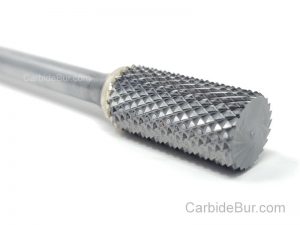
Find more carbide bur die grinder tool bits here
Carbide Burr Safety: 15 Mistakes That Can Cause Injury or Damage
Carbide Burr Safety: 15 Mistakes That Can Cause Injury or Damage Carbide burr safety is often overlooked until a costly mistake happens. Many metalworkers and DIYers make the same errors that lead to injuries or [...]
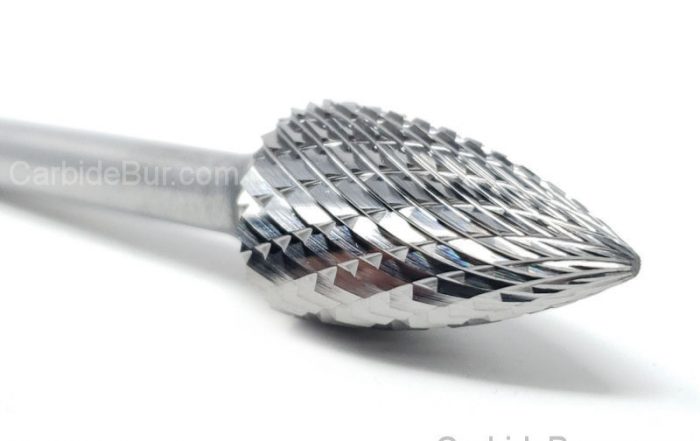
Can You Use a Carbide Burr in a Drill?
Can You Use a Carbide Burr in a Drill? Most people think a standard drill can’t handle a carbide burr, but that’s not true. Using carbide burr in the right drill can speed up your [...]
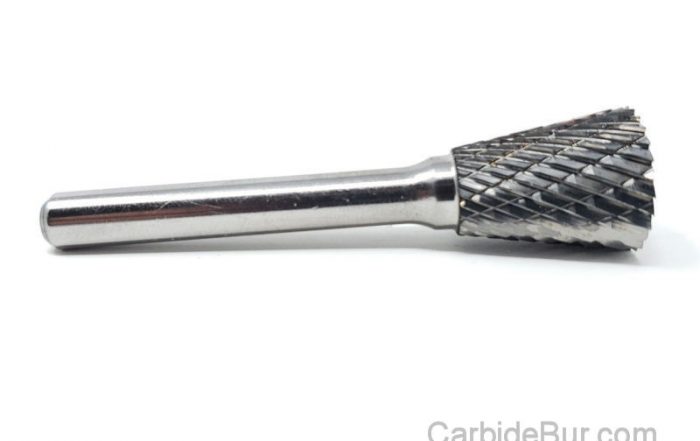
Carbide Burrs for Removing Rust: What Works Best?
Carbide Burrs for Removing Rust: What Works Best? Rust can turn your favorite tools into useless junk faster than you expect. Removing it without ruining the metal underneath takes more than just elbow grease—it demands [...]
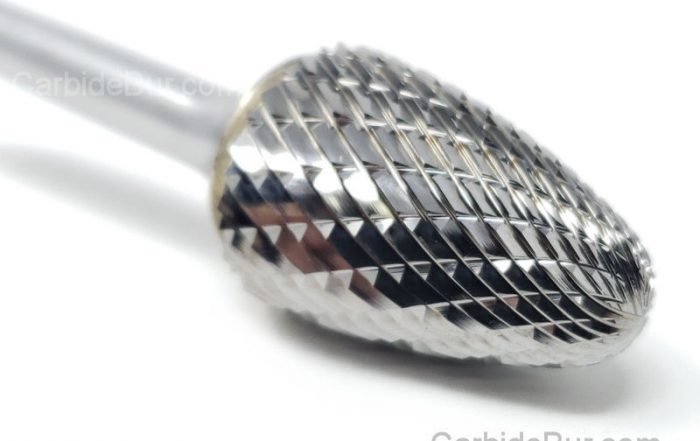
How Much Pressure Should You Use With a Carbide Burr?
How Much Pressure Should You Use With a Carbide Burr? Most people think pressing harder with a carbide burr speeds up the job. That’s not true—too much pressure wears out your tool and ruins the [...]
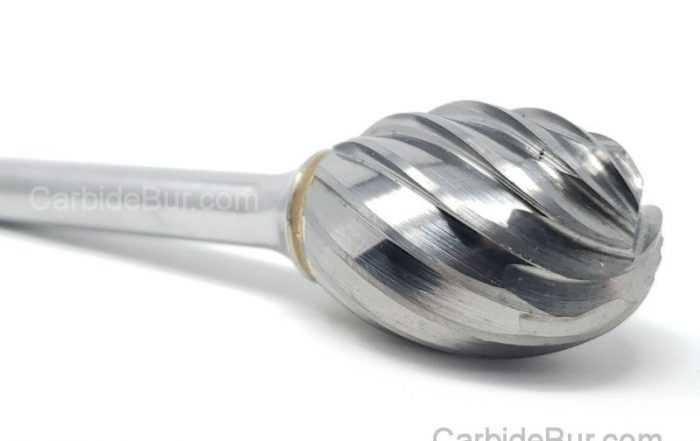
Can You Use Carbide Burrs With an Air Die Grinder?
Can You Use Carbide Burrs With an Air Die Grinder? Most people don’t realize how well carbide burrs work with air die grinders until they try them. If you’ve ever struggled with finding the right [...]
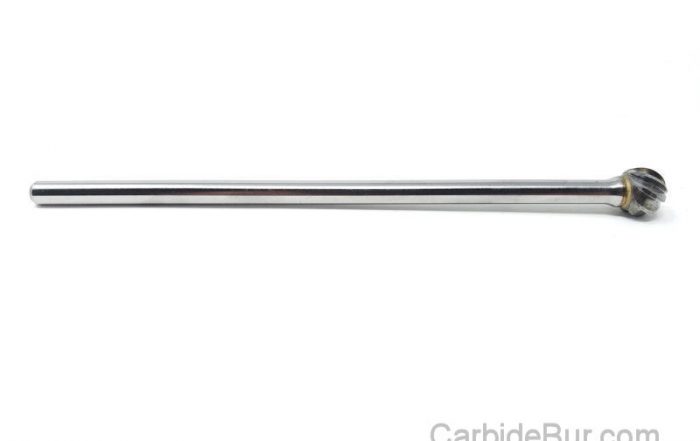
Best Long Reach Carbide Burr for Deep Metal Work
Best Long Reach Carbide Burr for Deep Metal Work Long reach carbide burrs often promise deep metal access, but many fall short where it counts most. You need a tool that cuts cleanly, lasts through [...]
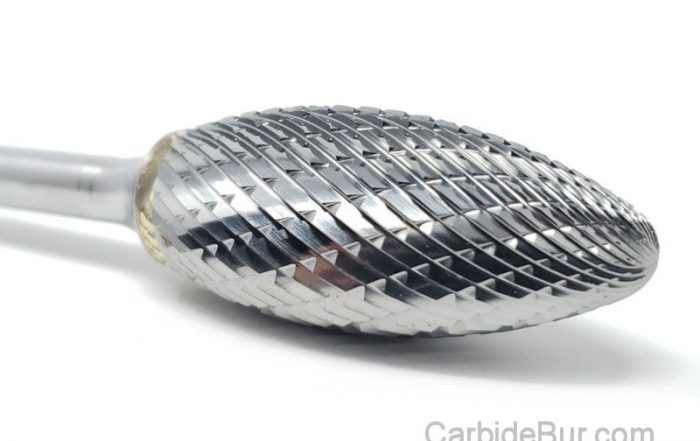
What RPM Should You Use for a 1/8 Inch Carbide Burr?
What RPM Should You Use for a 1/8 Inch Carbide Burr? Most people guess the right carbide burr RPM by feel—and waste hours redoing work. If you want cleaner cuts and longer tool life, your [...]
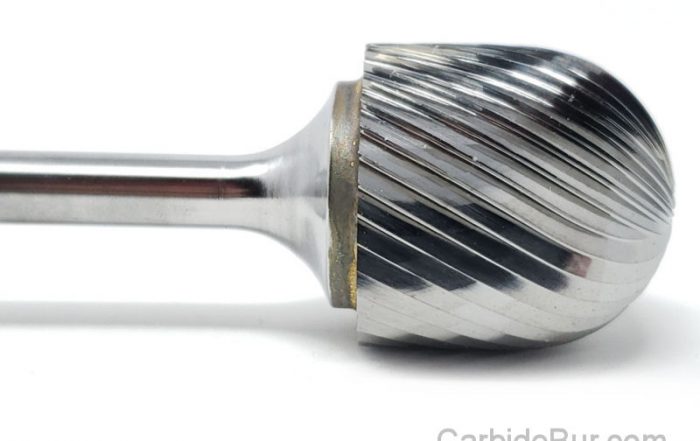
Carbide Burrs for Tight Spaces: Choosing the Right Shape
Carbide Burrs for Tight Spaces: Choosing the Right Shape Tackling tight spaces with the wrong carbide burrs wastes time and risks damaging your work. Choosing the right burr shape makes all the difference when working [...]
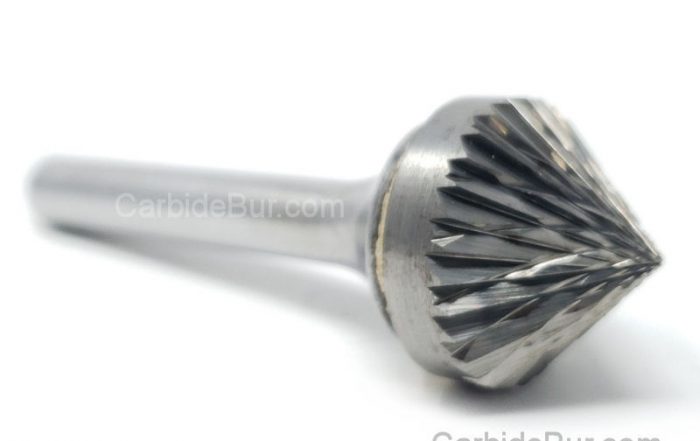
Can Carbide Burrs Remove Paint From Metal?
Can Carbide Burrs Remove Paint From Metal? Stripping paint from metal often feels like a tough chore that risks damaging the surface underneath. Many turn to carbide burrs hoping they can speed things up without [...]
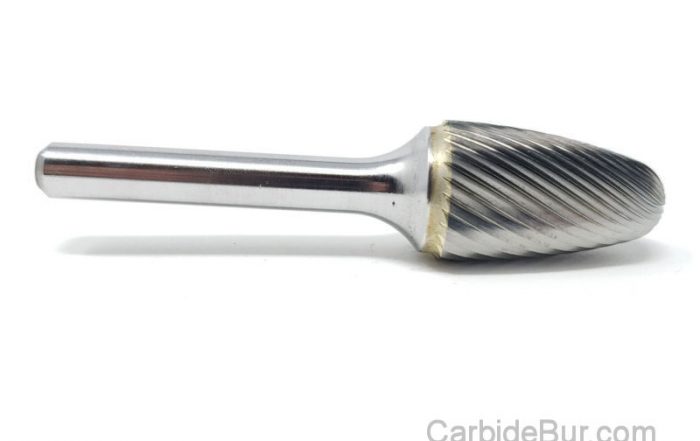
How to Grind a Groove in Metal With a Carbide Burr
How to Grind a Groove in Metal With a Carbide Burr Most metalworkers struggle to cut clean grooves without wasting time or ruining their workpiece. Many try different metalworking tools but end up with uneven [...]
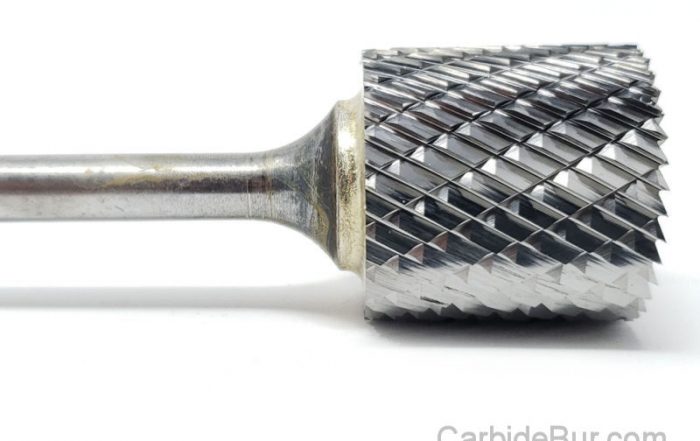
Can Carbide Burrs Cut Through Welds?
Can Carbide Burrs Cut Through Welds? Cutting through welds can feel like a battle, especially when you need clean results without harming the base metal. Carbide burrs offer a sharp edge in this fight, but [...]
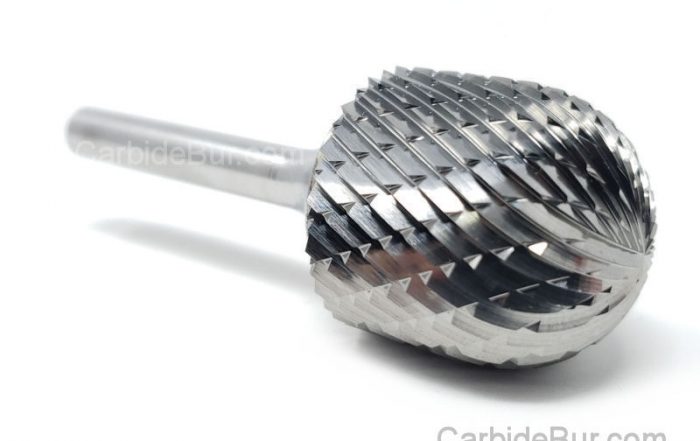
How to Use a Carbide Burr With a Die Grinder
How to Use a Carbide Burr With a Die Grinder Most people treat a carbide burr like just another tool, but using it with a die grinder takes skill. If you’ve struggled with burr installation [...]
