
How To Upgrade Your Engine’s Performance – The Importance Of Proper Cylinder Head Porting
Most car enthusiasts understand that maximizing your engine’s performance involves various modifications, but few realize the significant impact that proper cylinder head porting can have. By optimizing the airflow into and out of your engine’s cylinders, you can dramatically enhance power and efficiency. This guide will walk you through the imperatives of cylinder head porting, detailing the process and its benefits, so you can make informed decisions to boost your performance on the road or the racetrack.
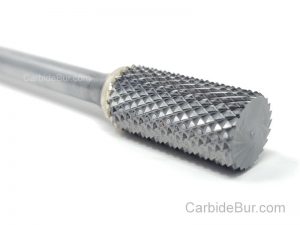
Find more carbide bur die grinder tool bits here
The Critical Role of Cylinder Heads in Performance
Cylinder heads serve as vital components in your engine’s overall performance, housing critical elements such as the intake and exhaust valves, spark plugs, and the combustion chambers. A well-designed cylinder head can optimize air-fuel mixture flow and increase overall engine efficiency. When you look into upgrading your engine, these heads are often the hotbed for modification since they can directly impact how well your engine breathes. The right configuration can lead to significant horsepower gains and improved torque delivery, elevating your driving experience beyond the factory specifications.
To truly understand the potential of your cylinder heads, it’s imperative to probe into their anatomy. The intricate design involves not only the material composition—often aluminum for its lightweight properties—but also the size and shape of the ports, the combustion chambers, and even the valve sizes. Each of these factors influences airflow and the combustion process. For example, larger valves may allow more air into the combustion chamber, but reshaping the ports may be equally imperative to ensure a smooth flow, reducing turbulence and promoting even burn patterns.
Anatomy of a Cylinder Head
The cylinder head includes multiple critical features such as ports, valves, and combustion chambers, each of which plays a role in the engine’s performance. The intake ports channel air and fuel into the combustion chamber, while the exhaust ports evacuate combustion gases. Valves regulate this flow and their design—size, shape, and arrangement—can significantly alter how efficiently these processes occur. Additionally, the combustion chamber’s shape affects the swirl and turbulence of the mixture, impacting combustion efficiency. Customizing these aspects through porting can drastically enhance the engine’s output.
Different types of cylinder heads, be they wedge, hemispherical, or pentroof, each come with unique design structures that cater to specific performance needs. A performance engine often benefits from a heads setup that facilitates optimal flow characteristics through larger, smoother ports and aggressively shaped combustion chambers. By addressing these areas, you can fine-tune the engine’s compression ratio and velocity, increasing your power output while maintaining reliability.
How Cylinder Heads Affect Airflow and Engine Power
Airflow rates are vital when assessing the performance potential of your engine, and cylinder heads play a direct role in that equation. When the air-fuel mixture enters the cylinder through the intake valves, the shape and size of the ports determine how well it can flow in. Optimal airflow translates into better combustion, which means more power output. Restrictions in airflow can choke the engine’s performance, leading to a loss of horsepower and torque. By investing in head porting, you can modify those ports to contour the flow dynamics, allowing for an increase in the amount of air and fuel that can be introduced during each engine cycle.
Consider the example of an aftermarket cylinder head that incorporates CNC porting technology. Such heads have meticulously crafted port shapes that optimize velocity and reduce air resistance, resulting in enhanced engine efficiency and greater power gains. Anecdotal evidence among enthusiasts suggests that a well-ported cylinder head can lead to power increases ranging from 15% to 30%, depending on the application and other modifications made to the engine. Therefore, thoughtful attention to cylinder heads will not only elevate performance but can also open the door to achieving more significant tuning results across your entire engine setup.
Uncovering the Benefits of Porting Your Cylinder Heads
Enhancing Airflow: The Science of Porting
Porting your cylinder heads significantly improves the airflow dynamics within your engine. By modifying the intake and exhaust ports, you can reduce turbulence and allow for a more efficient flow of air and fuel mixture entering the combustion chamber. This not only facilitates better power generation but also contributes to a more complete combustion process, resulting in lower emissions. Technicians often utilize flow benches and computer simulations to identify bottlenecks, allowing for precise adjustments that can elevate your engine’s efficiency to new levels.
A well-ported cylinder head can lead to gains in volumetric efficiency, translating into improved throttle response and acceleration. Typical aftermarket porting jobs can increase airflow by 20-30%, providing a noticeable difference in performance, especially at higher RPMs where airflow becomes critical. This can be particularly beneficial for high-performance applications where every output unit counts, maximizing the capabilities of both natural aspiration and forced induction systems.
Increasing Horsepower: What You Can Expect
With effective cylinder head porting, you can expect tangible horsepower increases as a direct result of improved airflow. Many enthusiasts report harnessing an additional 15-30 horsepower from a well-executed porting job alone. Complementing your ported cylinder heads with other performance modifications such as an upgraded intake manifold, exhaust system, and engine tuning can lead to even more significant gains. The synergistic effects of these modifications can push your vehicle’s performance envelope to its limits.
Real-world examples highlight the transformational impact of proper porting. For instance, a popular small-block Chevy engine modified with CNC-ported heads sees horsepower increases from 350 to over 400, simply by optimizing airflow. Likewise, enthusiasts racing professional circuits have documented improvements in lap times as a direct result of engine porting. The measurable enhancements in power and efficiency, combined with the increased driving excitement, make cylinder head porting an option well worth considering.
Find more carbide bur die grinder tool bits here
The Porting Process: Methods and Techniques
The porting process involves a careful and systematic approach to enhancing the airflow within your engine’s cylinder heads. You may choose to engage in various methods, such as traditional hand porting or utilizing computer numerically controlled (CNC) machines. Each method has its own advantages and limitations. Traditional hand porting is generally labor-intensive and allows for a personalized touch, enabling you to tailor your work according to your specific engine setup. However, CNC machining excels in precision and repeatability, delivering consistent results that hand porting may struggle to match. The choice between these two often boils down to your budget, skill level, and desired outcomes.
Traditional vs. CNC Machining: Choosing Your Method
When you’re considering traditional porting, take into account the skill and experience required to achieve satisfactory results. Grinders and hand tools are often used to modify the shape of the ports, which means that you might need several practice runs to master the technique. On the other hand, CNC machining streamlines the entire process, allowing for complex designs that might be too challenging to execute by hand. Moreover, CNC machines use pre-programmed designs based on extensive data, ensuring optimal airflow efficiency.
Your specific engine goals will influence your decision. If you’re building a high-performance race engine where every fraction of airflow counts, CNC machining could provide the edge necessary for peak performance. In contrast, if you’re working on a classic or vintage engine where originality is a priority, traditional porting methods may preserve the integrity of the original design while still improving performance.
Essential Tools and Equipment for Successful Porting
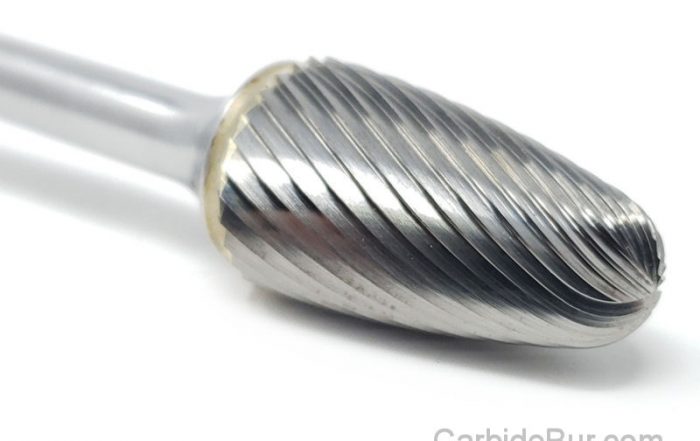
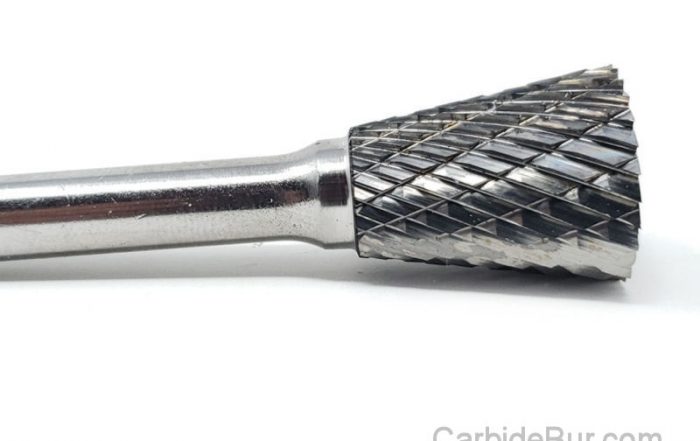
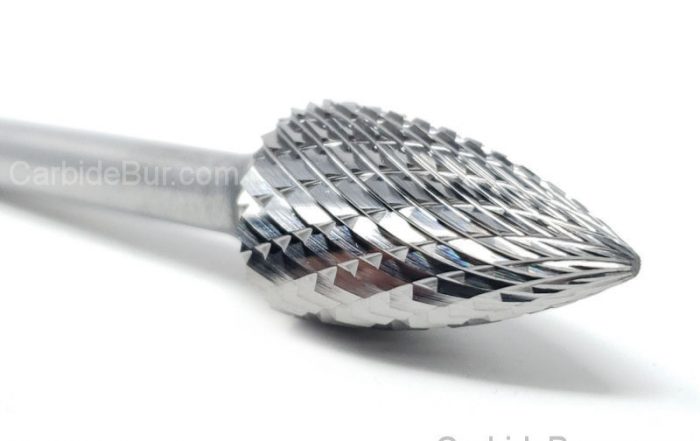
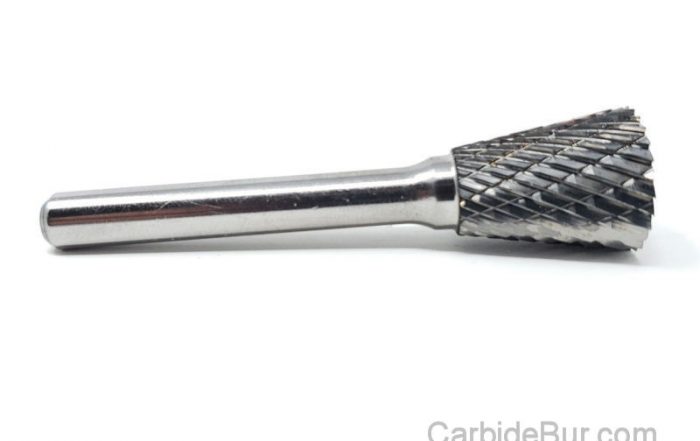
To achieve effective results, having the right tools and equipment is crucial in the porting process. Key tools include die grinders, carbide burrs, and polishing stones. Die grinders provide the necessary torque and speed for modifying hard metals, while carbide burrs help in sculpting the ports precisely. Realistically, these tools differ in size and shape to give you varied options for the specific contours you want to create. Additionally, a manometer can offer insight into the airflow characteristics post-porting, allowing you to fine-tune your work.
Further enhancing your setup may involve safety gear, such as goggles and dust masks, to protect you during the porting process. Invest in a high-quality surface gauge for measuring your progress and ensuring that the port dimensions remain consistent. Leveraging digital angle finders can help you achieve accurate angles in your modifications, which is critical for maximizing airflow efficiency. Failing to have the correct equipment not only limits your capabilities but can also lead to subpar outcomes, so building a comprehensive toolkit will help ensure the success of your porting endeavors.
Common Mistakes to Avoid When Porting
Among the many pitfalls associated with cylinder head porting, over-porting stands out as a significant error that can severely compromise engine performance. In your quest for increased airflow, you might be tempted to excessively enlarge the intake and exhaust ports. However, too much material removal can lead to a loss of velocity, which is necessary for ensuring that the air-fuel mixture reaches the combustion chamber efficiently. This phenomenon can result in a reduction of low-end torque, paradoxically hurting the performance gains you were aiming for. A well-balanced port design maintains airflow speed while increasing volume, so knowing the right amounts to carve out is vital.
Inadequate research often leads individuals down the wrong path when it comes to porting. Understanding your engine’s specific needs and intended use is paramount. Each engine is designed with particular characteristics, and without thorough knowledge, you risk implementing changes that don’t complement its natural abilities. For example, porting a cylinder head designed for high-RPM applications differs significantly from one optimized for low-end power. Consulting performance forums, utilizing flow bench testing, and studying flow characteristics before making modifications can provide you with the insights necessary to achieve the desired performance while avoiding detrimental consequences.
Over-Porting: How It Can Hurt Performance
Engaging in the over-porting of cylinder heads can lead to significant drawbacks, particularly in how your engine performs at various RPM ranges. A common misconception is that larger ports equate to greater power. In reality, widening ports excessively can disrupt the airflow dynamics, leading to turbulent conditions that hinder efficient combustion. You might notice reduced throttle response and compromised drivability if the design does not match your engine’s powerband. It becomes crucial to maintain a balance, as well as to understand how the combination of port size and shape affects the velocity and turbulence of incoming air and outgoing exhaust.
Optimal air velocity plays a pivotal role in performance, especially in the low to mid RPM ranges where many drivers spend a significant amount of their time. If you increase port sizes without considering the implications for airspeed, then instead of achieving that sought-after horsepower, you may find yourself with an engine that feels sluggish or unresponsive when you need it most. An effective solution is to seek guidance from experienced professionals or invest in flow simulation software to help visualize the airflow dynamics before you start changing the cylinder head. Making informed decisions based on solid evidence can steer you away from this costly misstep.
Inadequate Research: The Importance of Knowledge Before You Start
Missteps in the porting process often stem from a lack of thorough research. Before putting tools to your cylinder head, gaining an understanding of the specific airflow characteristics and needs of your engine is necessary. The requirements of a naturally aspirated engine can differ significantly from those of a forced induction setup. Each modification should be strategically designed to complement the existing build, rather than imposing a blanket solution that may prove ineffective. Limit yourself to common mistakes by studying resources, such as tuning manuals, cylinder head videos, and tuning communities, to widen your understanding and build a methodical approach to modifying your engine’s head.
The process of cylinder head porting is as much about respecting your engine’s design as it is about improvement. An informed approach will help you evaluate potential gains while ensuring you create a well-rounded performance profile. Delving into technical literature or engaging with knowledgeable individuals can help clarify misconceptions and reveal best practices that lead to genuine performance enhancements rather than trial and error. Strive for a comprehensive grasp of the theory behind airflow dynamics and the particularities of your engine to prevent pitfalls that could set you back in your performance upgrade journey.
Real-World Application: Case Studies of Successful Porting
The transformative impact of proper cylinder head porting can be clearly seen in various case studies that illustrate the performance enhancements achievable through this modification. Below are examples that spotlight professional outcomes as well as the successes found in DIY enthusiast projects:
- Case Study 1: A 2010 Chevrolet Camaro SS increased its horsepower from 400 to 450 after professional porting, showcasing a 12.5% improvement. This gain contributed to faster quarter-mile times—from 12.7 seconds to 12.2 seconds.
- Case Study 2: A Honda Civic equipped with a K20 engine experienced a significant torque boost, with numbers climbing from 140 lb-ft to 165 lb-ft post-porting, translating to a more responsive throttle and improved acceleration.
- Case Study 3: A Ford Mustang GT, after cylinder head porting, reported an increase in peak horsepower from 400 to 485, a remarkable 21% boost, resulting in improved track performance and lap times.
- Case Study 4: An older BMW M3 saw near 15% improvement in both torque and horsepower, with specs going from 240 hp to 275 hp and torque increasing by 20 lb-ft, proving that even classic models benefit from modern techniques.
Performance Gains from Professional Porting
Investing in professional porting can be a game-changer for your engine’s performance. Engine builders have documented extensive improvements, such as the example of a turbocharged Subaru WRX STI that went from 300 hp to an astonishing 370 hp following extensive head porting. These kinds of enhancements stem from meticulous design alterations that optimize airflow, ensuring that your engine breathes as efficiently as possible. Moreover, with the right tuning adjustments, this translates not only into raw power but also enhanced reliability and improved fuel efficiency. Numerous studies have shown that professional porting effectively reduces obstacles within the intake and exhaust pathways, leading to a more harmonious flow of air into the combustion chamber. Bolstered by advancements in CAD technologies, skilled porters can visualize and execute changes with pinpoint accuracy. Many professional shops have observed gains ranging from 10% to 25% in performance metrics, making it no surprise that enthusiasts often turn to these services for optimized street and track use alike.
DIY Success Stories: Lessons from Enthusiast Projects
The world of DIY porting is filled with enthusiasts who have defied the odds, transforming their everyday cars into performance machines. One notable project involved a group of determined automotive fans who tackled a Nissan SR20DET head and managed to achieve a 30% power increase through patient, trial-and-error porting techniques. They published their journey on forums, offering a detailed account of the methods and tools used, which helped countless others follow in their footsteps. Various forums and social media platforms showcase impressive before-and-after results, often featuring videos that capture the return on investment for both time and effort. Each DIY project teaches important lessons, especially about the balance between achieving increased airflow and retaining desirable velocity, which many enthusiasts learn the hard way. Watching these successes unfold not only enriches the community but also serves as a relatable guide for anyone interested in submerging into their own porting adventure. Engaging with others who’ve taken on similar projects can be invaluable. From specific tool recommendations to tips on best practices, sharing knowledge in this community often leads to innovative breakthroughs and personal advancements in DIY porting endeavors that can enhance your understanding and performance in the long run.
To Wrap Up
To wrap up, understanding the significance of proper cylinder head porting can greatly enhance your engine’s performance. By optimizing airflow and improving combustion efficiency, you not only increase horsepower and torque but also ensure your engine operates at its best. When you invest time and effort into this aspect of engine modification, you are setting the foundation for a more responsive and powerful vehicle, suited to meet your driving needs and preferences.
Ultimately, the impact of effective cylinder head porting goes beyond raw power; it can also contribute to your engine’s longevity and reliability. Whether you are a seasoned enthusiast or just beginning your journey into engine modifications, taking the time to learn and implement proper porting techniques will yield significant benefits. As you refine your engine’s capabilities, you’ll gain a better understanding of performance dynamics, paving the way for your future upgrades and enhancements.
Find more carbide bur die grinder tool bits here

Can You Use a Carbide Burr With an Electric Die Grinder?
Can You Use a Carbide Burr With an Electric Die Grinder? Most people don’t realize how much a carbide burr can change the way an electric die grinder works. Using the right burr type can [...]
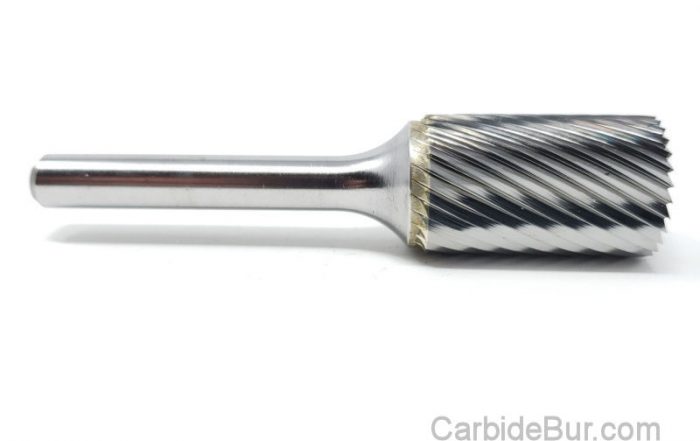
How to Deburr Holes With a Carbide Burr
How to Deburr Holes With a Carbide Burr Most people think any tool will do for deburring holes. The truth is, using the right carbide burr with the correct size and shape changes everything. In [...]
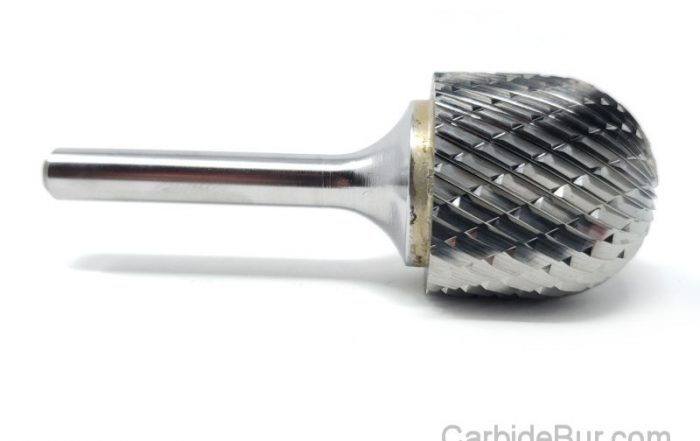
How to Choose the Correct Carbide Burr Shank Size
How to Choose the Correct Carbide Burr Shank Size Many machinists lose hours troubleshooting tool issues caused by the wrong carbide burr shank size. Using a shank that doesn’t fit your grinder can lead to [...]
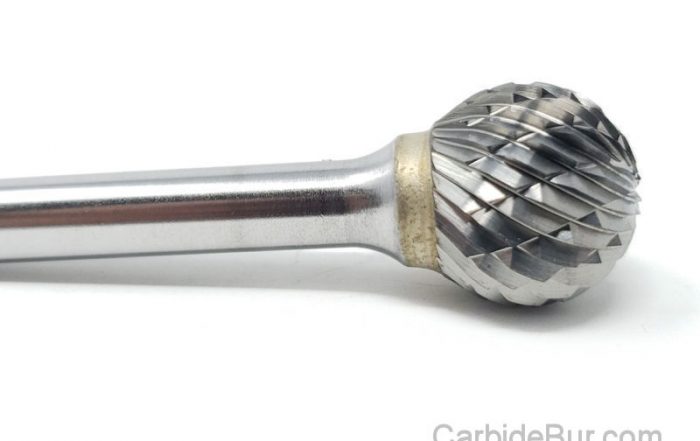
How to Remove Casting Flash With a Carbide Burr
How to Remove Casting Flash With a Carbide Burr Casting flash ruins the look and fit of your metal parts. You’ve tried sanding or grinding, but the results aren’t clean or fast enough. Learning how [...]
Best Carbide Burr for Enlarging a Hole in Metal
Best Carbide Burr for Enlarging a Hole in Metal When you need to enlarge a hole in metal, grabbing the wrong carbide burr can turn a simple task into a frustrating mess. Picking the best [...]
Carbide Burr Safety: 15 Mistakes That Can Cause Injury or Damage
Carbide Burr Safety: 15 Mistakes That Can Cause Injury or Damage Carbide burr safety is often overlooked until a costly mistake happens. Many metalworkers and DIYers make the same errors that lead to injuries or [...]
Can You Use a Carbide Burr in a Drill?
Can You Use a Carbide Burr in a Drill? Most people think a standard drill can’t handle a carbide burr, but that’s not true. Using carbide burr in the right drill can speed up your [...]
Carbide Burrs for Removing Rust: What Works Best?
Carbide Burrs for Removing Rust: What Works Best? Rust can turn your favorite tools into useless junk faster than you expect. Removing it without ruining the metal underneath takes more than just elbow grease—it demands [...]
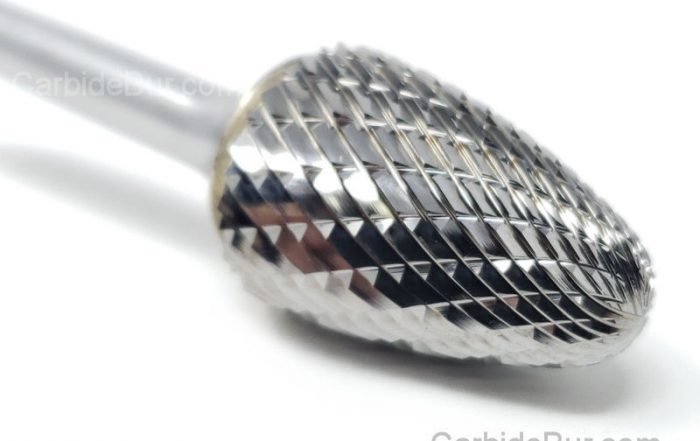
How Much Pressure Should You Use With a Carbide Burr?
How Much Pressure Should You Use With a Carbide Burr? Most people think pressing harder with a carbide burr speeds up the job. That’s not true—too much pressure wears out your tool and ruins the [...]
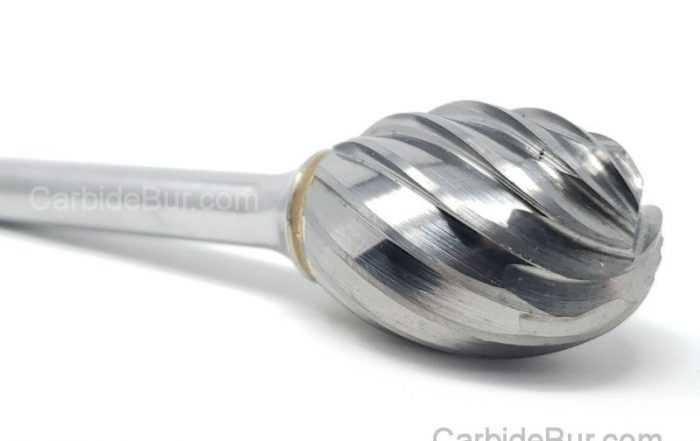
Can You Use Carbide Burrs With an Air Die Grinder?
Can You Use Carbide Burrs With an Air Die Grinder? Most people don’t realize how well carbide burrs work with air die grinders until they try them. If you’ve ever struggled with finding the right [...]
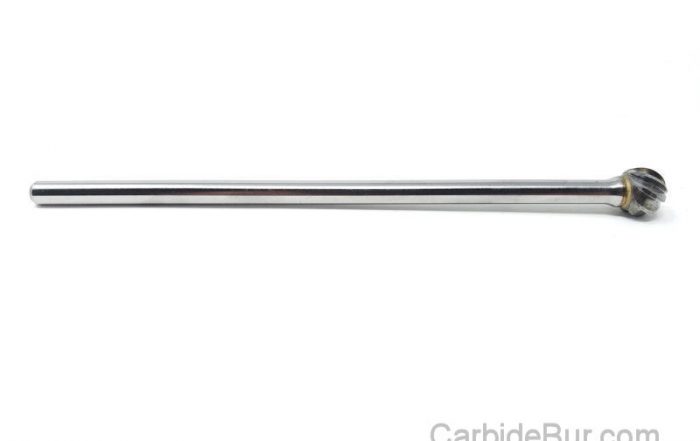
Best Long Reach Carbide Burr for Deep Metal Work
Best Long Reach Carbide Burr for Deep Metal Work Long reach carbide burrs often promise deep metal access, but many fall short where it counts most. You need a tool that cuts cleanly, lasts through [...]
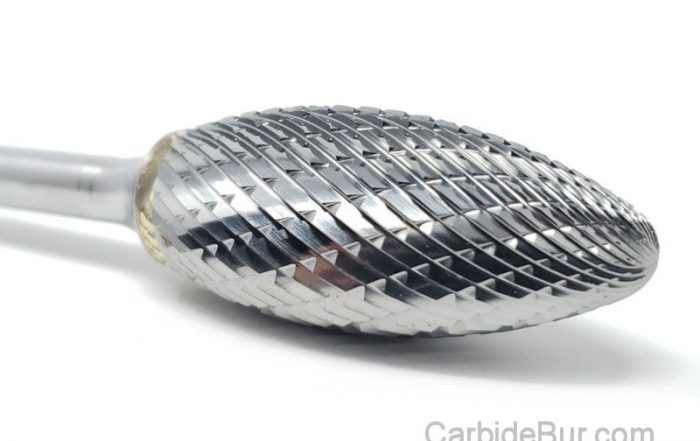
What RPM Should You Use for a 1/8 Inch Carbide Burr?
What RPM Should You Use for a 1/8 Inch Carbide Burr? Most people guess the right carbide burr RPM by feel—and waste hours redoing work. If you want cleaner cuts and longer tool life, your [...]
