
How To Achieve Perfect Surface Finishing With Carbide Burs Post-Weld
Surface finishing is vital for enhancing the quality and appearance of your welded projects. By using carbide burs, you can effectively refine and smooth out imperfections, ensuring a clean and professional look. In this guide, you will learn the techniques and best practices to achieve optimal results when finishing welded surfaces with carbide burs, enabling you to elevate your craftsmanship to the next level. Get ready to transform your work with these expert tips!
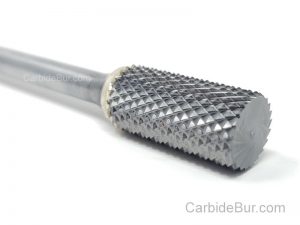
Find more carbide bur die grinder tool bits here
Selecting the Right Carbide Burs for Your Project
Choosing the right carbide bur can significantly impact the quality of your weld finishing. You’ll want to consider factors such as the size, shape, and type of bur to match the specific requirements of your project. Carbide burs come in various sizes and configurations, allowing you to target intricate welds, sharp edges, or broader surfaces to achieve optimal results.
Evaluating Material Compatibility
Your selection process should involve evaluating the compatibility of the bur with the material being worked on. Different materials, such as stainless steel, aluminum, or carbon steel, require specific burr types to maximize effectiveness and minimize damage, ensuring smooth finishes without excessive wear on your tools.
Optimizing Bur Shapes for Different Welds
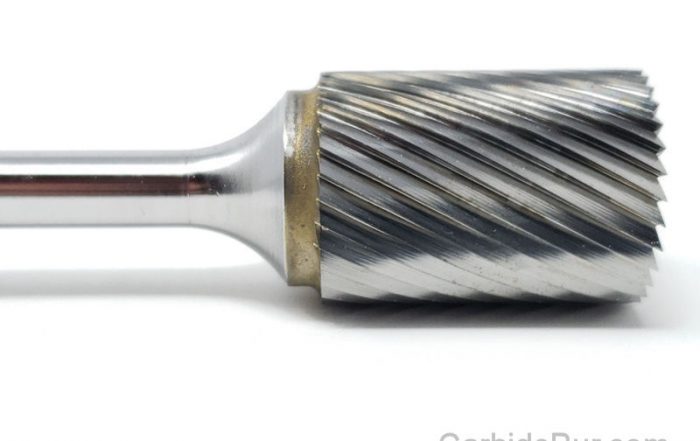
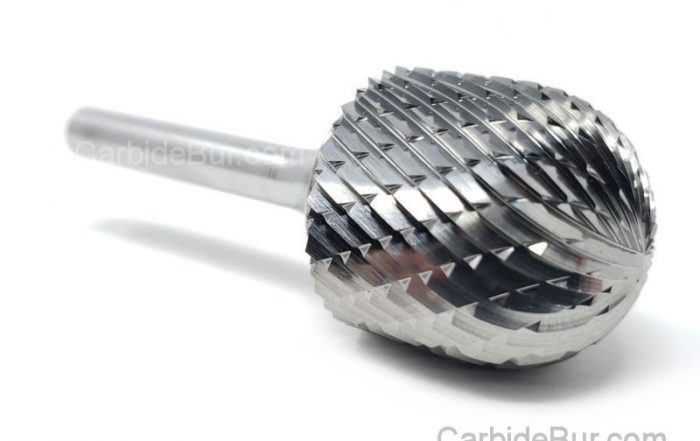
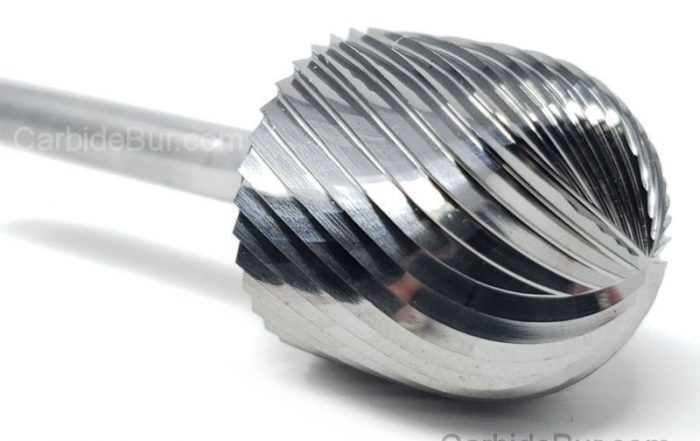
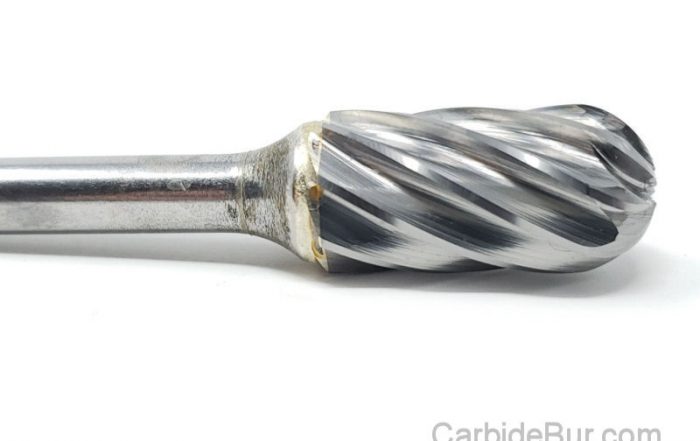
Selecting the appropriate bur shape is key to addressing the geometry of the welds. For instance, a pointed flame bur may be ideal for tight corners, whereas a cylindrical bur works effectively on flat surfaces. A well-chosen shape can shave off excess material and contour the weld seamlessly, enhancing the overall surface finish.
Additionally, the geometry of the burr plays a vital role in optimizing performance across different weld types. For example, use a ball bur to achieve rounded edges on fillet welds, while a flat bur is suited for surface blending on broader welds. Valuing the specific contours and demands of your welds allows you to tailor your approach, ensuring superior finishing results tailored to each unique project. This notch in precision can elevate not just the aesthetics but also the structural integrity of your work.
Essential Techniques for Effective Burr Use
Maximizing the efficacy of carbide burs hinges on mastering a few important techniques. These methods not only enhance the performance of the tool but also ensure a finer finish on welded surfaces. Understanding variables like speed, pressure, and the angle of approach allows you to tailor your technique for each specific task, ultimately achieving the desired results with greater precision and efficiency.
Speed and Pressure: Finding the Sweet Spot
Finding the right balance between speed and pressure is fundamental. Too little pressure may not effectively remove material, while excessive pressure can lead to tool wear or overheating. Start at a moderate speed and gradually increase until you find the optimal point where the burs remove weld material efficiently without compromising their integrity.
Angle of Approach: Maximizing Surface Contact
Adjusting the angle at which you hold the bur can significantly impact its performance. A shallower angle allows for broader contact with the surface, facilitating smoother finishes, while a steeper angle enables deeper cuts for more aggressive material removal. Experiment with different approaches to find an angle that reduces vibrations and evenly distributes the cutting forces.
Maximizing surface contact not only leads to a more consistent finish but also minimizes the risk of leaving behind scratches or gouges. For instance, if you maintain a 30-degree angle while using a conical bur, you might find that this angle optimally engages the welding seam, resulting in a balanced material removal rate. In cases where you are clearing a larger area, a flatter approach will disperse the force over a wider surface, enhancing control and smoothness in the finish achieved. Adjusting your angle based on the specific task can yield impressive results, elevating your craftsmanship and the overall aesthetic quality of your work.
Common Mistakes That Sabotage Surface Quality
Even seasoned welders can fall victim to common mistakes that diminish surface quality. Skipping proper preparation or using inappropriate burs can lead to rough textures, while insufficient attention to detail during the finishing process may result in noticeable imperfections. To ensure your final results meet professional standards, take the time to understand these key pitfalls and adjust your approach accordingly.
Overlooking Tool Maintenance and Care
Ineffective maintenance of your carbide burs often compromises their performance. Worn or damaged tools can create irregular surfaces and reduce efficiency. Regularly inspect your burs for wear and tear, cleaning them after each use to remove debris that can affect their cutting action. A well-maintained tool lasts longer and produces superior results.
Ignoring the Importance of Cooling Techniques
Heat buildup during the welding process can lead to distortions and surface imperfections that detract from the final appearance. Implementing cooling techniques such as using compressed air or water mist can help manage temperatures effectively and maintain surface integrity. Cooling not only preserves the quality of your work but also prolongs the life of your burs, ensuring consistent performance over time.
An effective cooling process keeps both the material and the tool at optimal working temperatures. For instance, applying a gentle mist while actively working can decrease thermal expansion, reducing the likelihood of warping. Compressor-driven cooling can also aid in swiftly removing any residue, improving surface finish. By integrating these cooling techniques, you enhance precision and achieve a flawless surface to be proud of in your welding projects.
Advanced Tips for Achieving a Flawless Finish
Utilizing the right techniques and tools can elevate your surface finishing skills to an exceptional level.
- Understand the material you are working with and choose burs accordingly.
- Implement a gradual approach, starting with coarser burs and progressing to finer ones.
- Utilize consistent pressure while moving the bur across the surface for an even finish.
- Experiment with different angles to achieve better access to hard-to-reach areas.
| Tip | Description |
| Dust Control | Use a vacuum attachment to minimize debris and maintain visibility. |
| Cool Equipment | Allow your burs time to cool to prevent warping and damage. |
Layering Techniques with Multiple Burs
Employing a layering approach allows you to utilize multiple burs sequentially, starting from coarse to fine. This method helps in gradually refining the surface without leaving deep scratches that coarse burs might create. Transitioning through a series of burs ensures an even distribution of pressure, leading to an aesthetically pleasing finish.
Utilizing Specialized Burs for Unique Applications
Specialized burs come in various shapes and sizes, tailored for specific tasks. By using these burs, you can tackle unique projects with precision. They allow you to adapt to different materials and intricate designs, enabling personalized finishing that meets your requirements. Utilizing specialized burs is critical in achieving superior results in specific applications. For example, flame-shaped burs provide precision finishing in tight corners and internal grooves, which standard burs may not effectively reach. Similarly, tapered burs excel at deburring or blending in difficult welds, ensuring seamless lines and contours. Choosing the right specialized bur for your project can enhance your workflow and the overall quality of the finished product.
Post-Processing: The Final Touches
After utilizing carbide burs to achieve the desired shape and remove any excess material, post-processing plays a vital role in enhancing the overall finish of your weld. This stage not only elevates aesthetics but also contributes to the longevity of the weld. Focus on refining the surface by integrating techniques such as polishing and applying protective coatings to ensure optimal performance and durability in the final product.
Polishing Techniques to Enhance Surface Finish
Polishing is vital for achieving a mirror-like finish on your weld. Techniques such as using flap discs or polishing compounds enable you to eliminate minor scratches and imperfections left from the bur process. Start with a coarser abrasive and gradually move to finer grits to achieve a smooth and shiny surface, enhancing both appearance and corrosion resistance.
Protective Coatings: Ensuring Durability
Applying protective coatings significantly boosts the durability of your welded surface. Options include paint, powder coating, or even plating to safeguard against oxidation and environmental damage. These coatings not only enhance the aesthetic appeal but also provide a barrier against wear and tear, ensuring your work maintains its integrity over time.
Choosing the right protective coating depends on your specific application. For instance, powder coating is known for its toughness and resistance to chipping, making it ideal for heavy-duty environments. Similarly, liquid coatings with anti-corrosive properties can offer extra protection in humid or outdoor applications. Ensure the substrate is clean and properly prepared to facilitate adhesion, which is crucial for achieving maximum durability and the long-lasting performance of the weld.
Final Words
Ultimately, achieving perfect surface finishing with carbide burs post-weld is a blend of selecting the right tools, applying proper techniques, and maintaining consistent pressure. By ensuring your burs are suited for the material and using the correct speed, you can significantly enhance the quality of your finish. Take your time to practice and refine your skills; your attention to detail will pay off in the final results. With these strategies, you will be well on your way to achieving a polished and professional appearance in your welding projects.
Find more carbide bur die grinder tool bits here
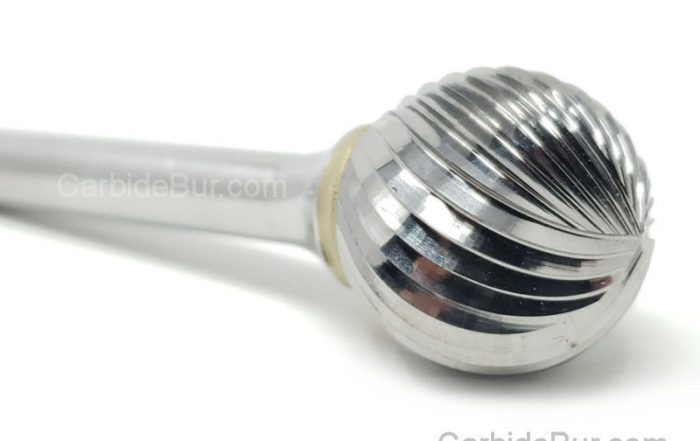
Precision Carving with Carbide Burrs: How to Get the Best Performance from Your Dremel
Precision Carving with Carbide Burrs: How to Get the Best Performance from Your Dremel Most people assume any carbide burr fits their Dremel without issue. The truth is, understanding the 1/8-inch shank size and speed [...]
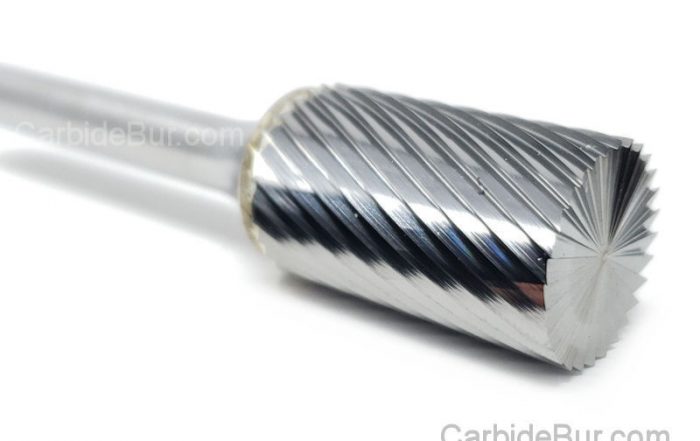
Unlocking the Secrets of Burr Shape Optimization for Aluminum
Unlocking the Secrets of Burr Shape Optimization for Aluminum Carbide burrs clogging during aluminum cutting can bring your project to a frustrating halt. You’ve seen how the soft, chip-forming nature of aluminum turns your tools [...]
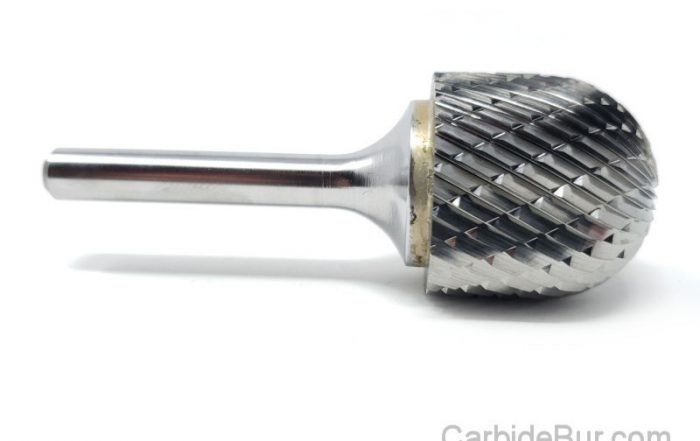
Enhance Your Metalworking Skills: Top Benefits of Long-Reach Carbide Burrs
Enhance Your Metalworking Skills: Top Benefits of Long-Reach Carbide Burrs Grinding tight spots often feels impossible with standard tools. You waste time twisting and turning, trying to reach every corner without scratching your work. Long-reach [...]
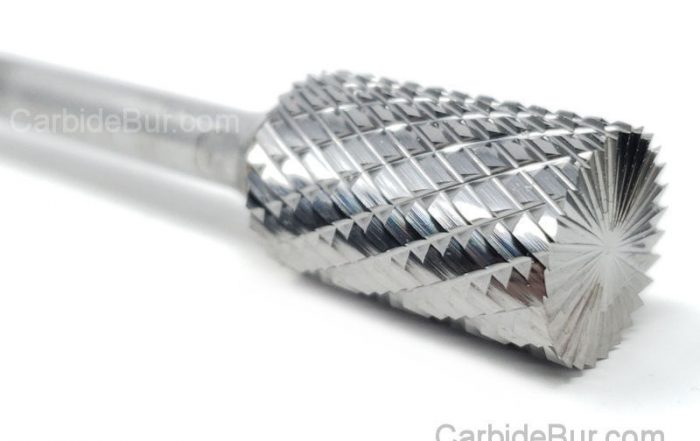
Comparing Electric and Pneumatic Die Grinders with Carbide Burrs
Power and Precision: Comparing Electric and Pneumatic Die Grinders with Carbide Burrs Choosing the right die grinder for your carbide burrs can feel like a maze. Electric die grinders promise power at your fingertips, while [...]
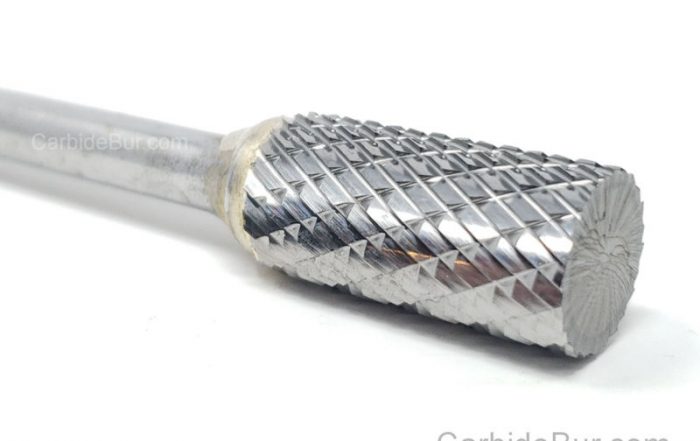
The Top Tools Driving the Future of Aerospace Machining
The Top Tools Driving the Future of Aerospace Machining The demand for aerospace machining has surged, pushing manufacturers to deliver high-precision metal parts faster than ever. Meeting tight standards while cutting lead times in aerospace [...]
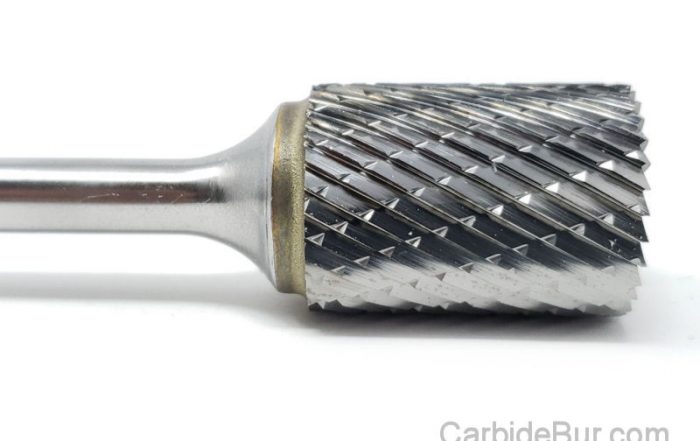
Mastering Carbide Burrs for Enhanced Engine Performance
Beginner's Guide to Engine Porting: Mastering Carbide Burrs for Enhanced Engine Performance Most beginners think engine porting is just about grinding metal. The truth is, mastering carbide burrs can change how air moves through your [...]
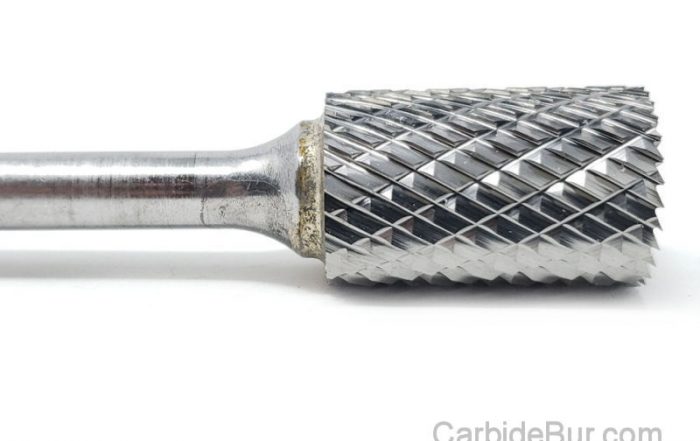
Unveiling the Secrets of Burr Cutting Efficiency: Double-Cut or Single-Cut?
Unveiling the Secrets of Burr Cutting Efficiency: Double-Cut or Single-Cut? Most metalworkers hit a wall choosing between double-cut carbide burrs and single-cut carbide burrs. Picking the wrong one can slow your work or wear your [...]
How Specialized Carbide Burrs Are Revolutionizing Aluminum Fabrication for Cleaner Cuts
How Specialized Carbide Burrs Are Revolutionizing Aluminum Fabrication for Cleaner Cuts Most aluminum fabricators still wrestle with rough edges and extra cleanup after machining. Those extra steps cost you time and eat into your profits. [...]
U.S. Manufacturing Reshoring: The Role of Domestic Tool Suppliers in 2026
U.S. Manufacturing Reshoring: The Role of Domestic Tool Suppliers in 2026 U.S. manufacturing is shifting closer to home faster than many expected. By 2026, reshoring trends are reshaping how supply chains function, with domestic tool [...]
From Casting Flash to Weld Blending: Essential Techniques for 2026
From Casting Flash to Weld Blending: Essential Techniques for 2026 Forget the old ways of finishing parts in automotive production. As electric vehicles and autonomous vehicle production grow, the need for precise deburring processes and [...]
Understanding the Surge in Cutting Tool Costs and Effective Waste Reduction in Machining
Understanding the Surge in Cutting Tool Costs and Effective Waste Reduction in Machining Cutting tool costs have jumped noticeably in recent years, squeezing machine shop budgets tighter than ever. Raw material scarcity and supply chain [...]
Choosing the Right Carbide Burr Shape for Your Metalworking Projects
Choosing the Right Carbide Burr Shape for Your Metalworking Projects You might think all carbide burr shapes do the same job, but that’s far from true. Choosing the wrong shape can waste time and leave [...]
