
How To Master Engraving With Dremel Tungsten Carbide Rotary Tool Bits
There’s a world of creativity waiting for you as you examine engraving with Dremel tungsten carbide rotary tool bits. These high-performance tools are perfect for adding intricate designs to various materials, from wood to metal. In this guide, you will explore important techniques and tips to help you harness the full potential of your Dremel bits, allowing you to create stunning, professional-quality engravings that showcase your unique style. Get ready to elevate your engraving skills and unleash your artistic vision!
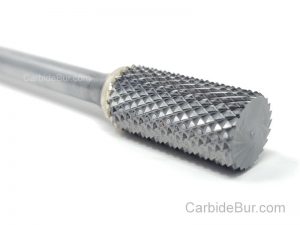
Find more carbide bur die grinder tool bits here
Essential Tools and Materials for Engraving Mastery
Building your engraving toolkit with the right tools and materials can significantly enhance your project outcomes. Aside from your Dremel rotary tool, a variety of accessories like work surfaces, safety gear, and a selection of Tungsten carbide bits will elevate your engraving skills. Always ensure you have good lighting, a comfortable workspace, and materials suitable for engraving, such as glass, wood, and metal, to produce detailed and professional results.
Selecting the Right Dremel Rotary Tool
Choosing the correct Dremel rotary tool can greatly impact your engraving projects. Opt for a versatile model that allows you to adjust speed settings, providing control over finer details and thicker materials. Look for tools equipped with sufficient power and features like variable speed, as this can make a significant difference in achieving precise engravings.
Understanding Tungsten Carbide Rotary Bits
Tungsten carbide rotary bits are highly durable and ideal for engraving a diverse range of materials, including metal and ceramics. Their hardness allows for clean, accurate cuts and engravings, which keeps your work looking polished. This durability prevents wear over time, ensuring that you can depend on them for detailed work without the bits dulling too quickly.
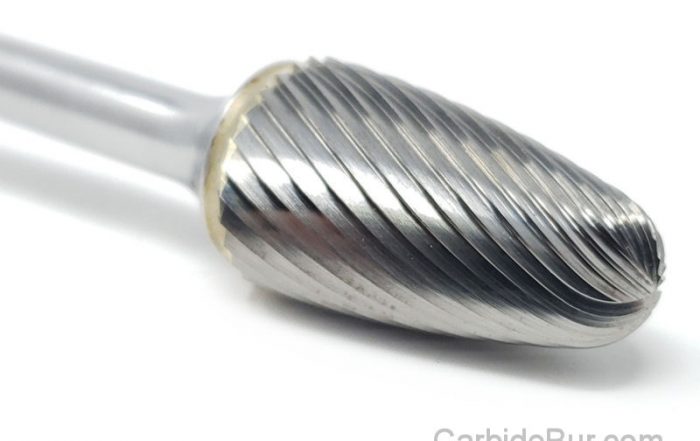
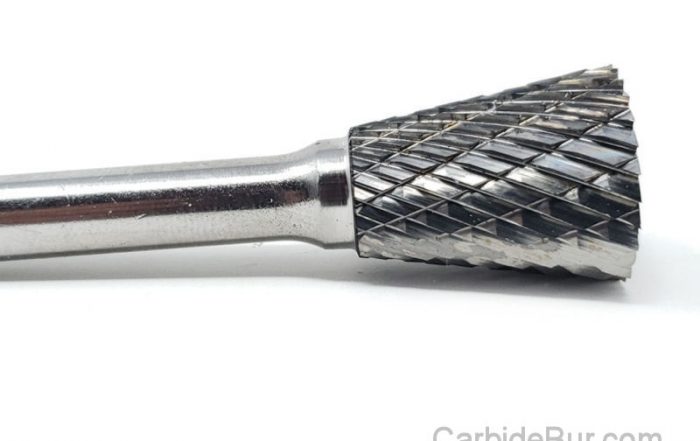
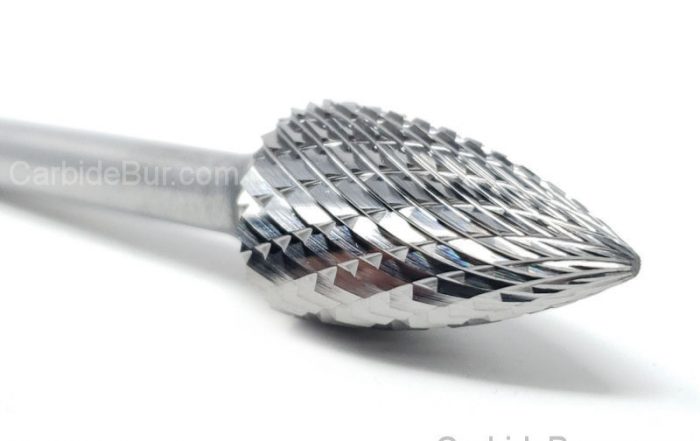
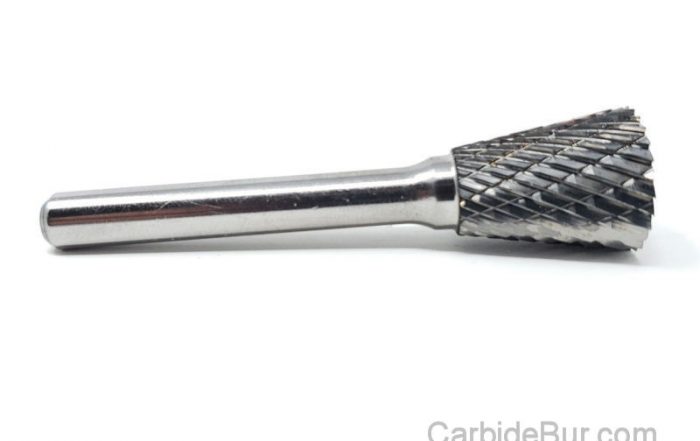
These bits come in various shapes and sizes, allowing you to choose the right tool for the effect you wish to create. Ball-shaped bits excel at creating divots or rounded edges, while pointed bits are perfect for precise line work. When engraving intricate designs, having a range of tungsten carbide bits ensures you can adapt to the specific requirements of your project without compromising detail or quality.
Additional Supplies for Optimal Results
Your engraving toolkit will benefit from a few extra supplies that enhance your projects’ quality. Items like masking tape, for example, can help you outline your designs clearly, while a pencil can assist in sketching your patterns beforehand. Safety glasses and a dust mask are also vital to protect your eyes and lungs during the engraving process.
Additionally, using an appropriate work surface, like a non-slip mat or dedicated engraving board, can make your task more manageable. Having cleaning materials like a brush or air compressor handy will help clear debris from your work surface, allowing for clearer visibility while you engrave. Together, these supplies contribute to a more efficient and effective engraving process, ensuring your completed projects are not only beautiful but safe to create.
Engraving Techniques That Elevate Your Projects
Mastering engraving techniques can truly set your projects apart. From simple designs to complex artwork, the right methods can enhance the aesthetic quality and durability of your work. Experimenting with different styles and techniques can allow you to express your creativity while showcasing a professional finish. Incorporate these techniques into your projects to add uniqueness and detail that will impress anyone who sees them!
Basic Techniques Every Beginner Should Master
Start with foundational techniques such as straight-line engraving, curves, and basic shapes. Focus on controlling your Dremel tool speed and angle to produce clean, consistent lines. Practicing on scrap materials first is beneficial, allowing you to gain confidence in your grip and technique before tackling your final project. Pay attention to the pressure applied on the tool; a light touch often yields the best results.
Advanced Techniques for Intricate Designs
Once you’ve mastered basic techniques, explore into advanced methods like stippling, cross-hatching, and creating gradients. These techniques allow for more dimensional designs, making your work visually captivating. Combining multiple styles can turn an ordinary piece into a stunning masterpiece. Consider using fine tungsten carbide bits for precision, and practice varying the speed and pressure to achieve different effects.
- Stippling for texture and depth.
- Cross-hatching for intricate patterns.
- Gradient shading to create light and shadow effects.
| Stippling | Creating texture by dotting the surface. |
| Cross-hatching | Using intersecting lines to create shading. |
| Gradient Shading | Blending tones for a smooth transition. |
With advanced techniques, your designs become more than just flat engravings. Incorporate varying depths and textures to enhance the visual interest of your projects. Utilizing tools like different cutting bits helps create these effects, resulting in artwork that feels alive and dynamic. The more you practice, the more you will identify which combinations work best for your unique style.
- Practice layering techniques to build complexity.
- Experiment with different bit sizes for varied results.
- Utilize templates for intricate designs and consistent patterns.
Layering and Shading: Adding Depth to Your Work
Layering and shading techniques enable you to add dimension to your engravings, transforming them from flat images into more profound, three-dimensional designs. By using overlapping lines and varying depths, you can create an intricate play of light and shadow that draws the viewer in. This depth not only beautifies the piece but also emphasizes certain elements, allowing your work to convey a richer narrative.
Experimenting with layering can open up endless possibilities in your engraving projects. By applying different shades and depths in your designs, you can bring out textures and details in a way that captivates your audience. Consider incorporating a mix of fine and thicker bits to refine the layers, ensuring that highlights and shadows are effectively distinguished. Balancing these elements can elevate a simple engraving into a stunning work of art.
Find more carbide bur die grinder tool bits here
Common Pitfalls and How to Avoid Them
Engraving can be a rewarding yet challenging endeavor. Many beginners encounter avoidable missteps that can hinder their progress. Common pitfalls, such as selecting the wrong bit or applying too much pressure, can lead to undesirable results. To elevate your engraving game, adopting effective techniques and maintaining awareness of these common mistakes will make a significant difference in the quality of your work and your overall satisfaction.
The Most Frequent Beginner Mistakes
Beginners often face several common mistakes while engraving, such as using the wrong speed settings on their Dremel or engaging the bit at the wrong angle. Overlooking surface preparation can also result in mistakes, as a clean and secure workpiece is important for precision. Additionally, rushing through the process often leads to errors; patience allows you to refine your technique and achieve cleaner lines.
Troubleshooting Engraving Issues
Problems are an inevitable part of learning any craft, including engraving. Issues such as inconsistent depth, uneven lines, or an unfinished look can arise during your projects. Addressing these challenges requires an understanding of both the tools and techniques at your disposal. By identifying specific issues, you can adapt your approach and improve your results significantly.
For inconsistent depth, check your Dremel’s speed setting and pressure applied during engraving. A common solution for uneven lines includes adjusting your hand posture and practicing smooth, consistent movements. If you’re struggling with achieving an even finish, consider altering your engraving technique or switching to a different bit better suited for your design. Regular practice paired with these troubleshooting tips leads to steady improvement.
Proper Maintenance of Your Tools
Maintaining your Dremel and rotary bits is important for optimal performance and longevity. Routine cleaning and inspection of your tools help prevent issues that can disrupt your engraving process. Familiarize yourself with proper storage practices and regularly check for signs of wear or damage on your bits, addressing any issues promptly to avoid diminished effectiveness.
Taking the time to clean your bits after each use will significantly enhance their lifespan. Use a soft brush to remove debris and a cloth for any remaining residue. Storing your tools in a dry, secure area protects them from moisture and accidental damage. Regularly inspecting for sharpening needs will ensure that you’re always working with tools that deliver the best results, leading to smoother and more precise engraving outcomes.
Creative Projects to Test Your Skills
Engraving offers endless opportunities for creative expression and can be the perfect medium to test your skills. Start with small projects that allow you to explore different techniques and materials, whether it’s personalizing everyday items or crafting artistic masterpieces. These projects not only improve your proficiency with the Dremel tungsten carbide bits but also provide unique gifts or décor items that showcase your talents.
Personalized Gifts and Home Décor
Crafting personalized gifts is a fantastic way to apply your engraving skills while making cherished mementos for friends and family. Items such as keychains, picture frames, and wine glasses can be transformed with engraved names, dates, or quotes, adding a sentimental touch. Personalized home décor, like custom coasters or decorative plates, elevate your living space and impress guests.
Artistic Expressions: Engraving on Different Materials
Experimenting with various materials can broaden your artistic repertoire. You can engrave on wood, glass, metal, and acrylic, each presenting unique challenges and results. Wood has a warm, organic aesthetic, while acrylic offers vibrant colors and a contemporary look. Metal provides a sleek finish, and glass can add elegance to your creations through intricate designs.
When engraving on different materials, consider the specific properties and characteristics of each. For instance, hardwood can display deep textures, while softwoods require a lighter touch to prevent splintering. Glass will reflect light beautifully but needs careful handling to avoid breakage. Understanding these nuances allows you to refine techniques that mesh perfectly with each material, elevating your artistry and ensuring stunning results.
Collaborating with Other Craftsmanship Techniques
Integrating engraving with other craftsmanship techniques can yield innovative and stunning results. Combining techniques like painting or woodworking with engraving allows you to layer textures and designs, creating visually striking pieces. For example, etched glass can be paired with painted artwork for a more dynamic display.
Consider merging engraving with techniques like resin casting or decoupage to add depth and dimension to your projects. By layering engraved pieces within resin, you create captivating, glossy finishes that encapsulate your designs. Similarly, engraving on existing decoupage can enhance the visual storytelling of your craftsmanship, embracing a mixed-media approach that melds precision with creativity for truly unique creations.
Expert Insights: Secrets from Professional Engravers
Learning from seasoned engravers can elevate your skills dramatically. Professionals emphasize the importance of practice and experimentation, using various Dremel tungsten carbide bit sizes for different effects. They suggest developing a steady hand through repeated strokes on practice materials before moving to your final piece. Knowledge of the material you’re engraving also plays a key role; harder materials require slower, more precise techniques, while softer materials allow for more aggressive approaches. By incorporating these insights, you can refine your own engraving practices with confidence.
Best Practices for Speed and Precision
Achieving speed and precision in engraving involves a blend of technique and familiarity with your tools. Always maintain a consistent hand position, and apply even pressure while moving your Dremel tool smoothly across the surface. Use a laser guide or steady your hand on a surface for additional control. Find the right balance between speed and detail; working too quickly can lead to mistakes but moving too slowly may compromise the final outcome. Aim for a rhythmic motion that allows you to maintain focus on your design.
Emerging Trends in Engraving with Dremel Tools
Recent advancements in engraving with Dremel tools highlight an exciting shift toward creativity and innovation. Users increasingly incorporate LED lighting and digital design techniques to elevate traditional engraving methods. Additionally, the rise of DIY and custom projects fuels demand for personalized engravings in home decor and gift items. Embracing these trends allows you to expand your repertoire and appeal to wider audiences looking for unique, handcrafted products.
The incorporation of digital design software is transforming how engravers approach projects. Tools like laser engraving machines are blending seamlessly with Dremel techniques, allowing for precise, replicable designs. Many artists are now using integrated apps to plan their projects digitally before committing to a physical surface, leading to cleaner results and less waste. This merging of technology with traditional engraving methods is fostering a new era of creativity—empowering you to push artistic boundaries further than ever before.
The Future of Engraving: Techniques on the Horizon
As technology continues to evolve, so do the techniques employed by engravers. The expansion of CNC (computer numerical control) engraving machines presents opportunities for intricate designs previously unattainable with manual tools. This technology allows for faster production without sacrificing quality, which is particularly beneficial for commercial projects. Additionally, advancements in material science are introducing more versatile engraving materials, enabling you to explore diverse applications from jewelry to industrial parts.
Looking forward, the potential for augmented reality (AR) to assist in engraving is another exciting frontier. Imagine visualizing your design in real-time through AR technology before executing it on your surface. Such developments could revolutionize design accuracy and enhance the overall engraving experience. As you stay attuned to these emerging techniques and technologies, you’ll be well-equipped to adapt and innovate in your engraving endeavors, ensuring a bright future for your craft.
Summing Up
Taking this into account, mastering engraving with Dremel tungsten carbide rotary tool bits requires practice, precision, and the right techniques. By understanding the importance of choosing the appropriate bit, maintaining proper speed, and applying the right amount of pressure, you can elevate your engraving projects to new heights. Always experiment with different materials and settings to find the best combination for your specific tasks. With dedication and the insights provided, you can enhance your skills and achieve professional-quality results in your engraving endeavors.
Find more carbide bur die grinder tool bits here

Can You Use a Carbide Burr With an Electric Die Grinder?
Can You Use a Carbide Burr With an Electric Die Grinder? Most people don’t realize how much a carbide burr can change the way an electric die grinder works. Using the right burr type can [...]
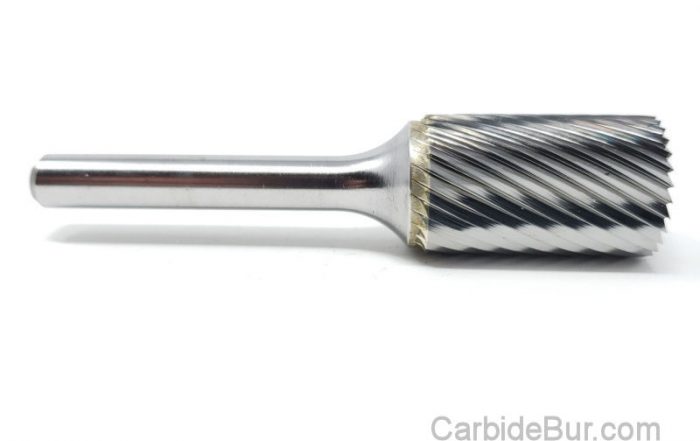
How to Deburr Holes With a Carbide Burr
How to Deburr Holes With a Carbide Burr Most people think any tool will do for deburring holes. The truth is, using the right carbide burr with the correct size and shape changes everything. In [...]
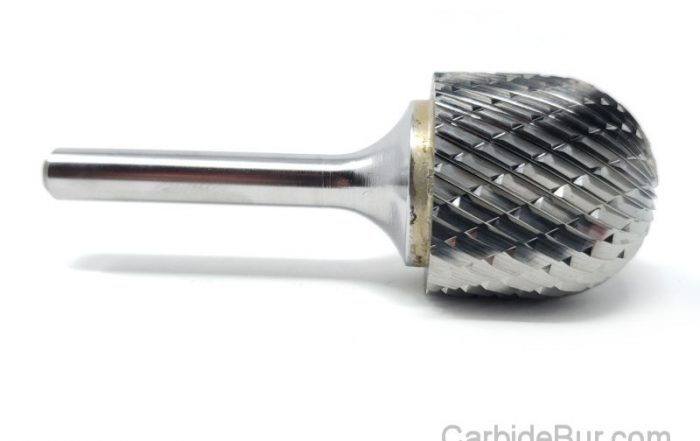
How to Choose the Correct Carbide Burr Shank Size
How to Choose the Correct Carbide Burr Shank Size Many machinists lose hours troubleshooting tool issues caused by the wrong carbide burr shank size. Using a shank that doesn’t fit your grinder can lead to [...]
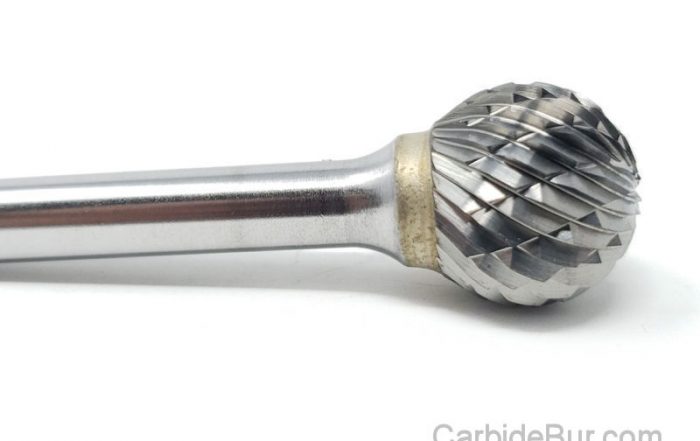
How to Remove Casting Flash With a Carbide Burr
How to Remove Casting Flash With a Carbide Burr Casting flash ruins the look and fit of your metal parts. You’ve tried sanding or grinding, but the results aren’t clean or fast enough. Learning how [...]
Best Carbide Burr for Enlarging a Hole in Metal
Best Carbide Burr for Enlarging a Hole in Metal When you need to enlarge a hole in metal, grabbing the wrong carbide burr can turn a simple task into a frustrating mess. Picking the best [...]
Carbide Burr Safety: 15 Mistakes That Can Cause Injury or Damage
Carbide Burr Safety: 15 Mistakes That Can Cause Injury or Damage Carbide burr safety is often overlooked until a costly mistake happens. Many metalworkers and DIYers make the same errors that lead to injuries or [...]
Can You Use a Carbide Burr in a Drill?
Can You Use a Carbide Burr in a Drill? Most people think a standard drill can’t handle a carbide burr, but that’s not true. Using carbide burr in the right drill can speed up your [...]
Carbide Burrs for Removing Rust: What Works Best?
Carbide Burrs for Removing Rust: What Works Best? Rust can turn your favorite tools into useless junk faster than you expect. Removing it without ruining the metal underneath takes more than just elbow grease—it demands [...]
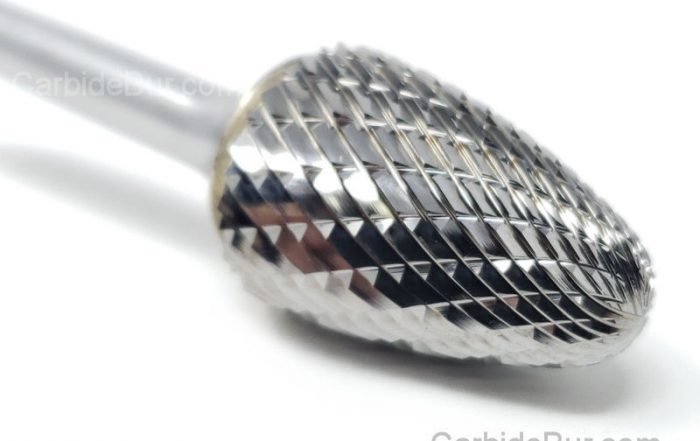
How Much Pressure Should You Use With a Carbide Burr?
How Much Pressure Should You Use With a Carbide Burr? Most people think pressing harder with a carbide burr speeds up the job. That’s not true—too much pressure wears out your tool and ruins the [...]
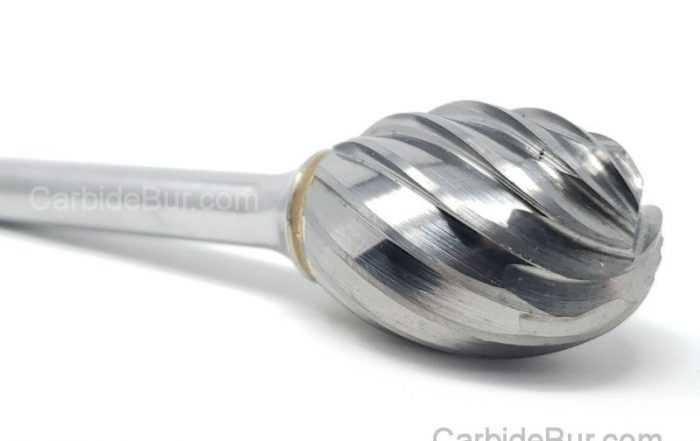
Can You Use Carbide Burrs With an Air Die Grinder?
Can You Use Carbide Burrs With an Air Die Grinder? Most people don’t realize how well carbide burrs work with air die grinders until they try them. If you’ve ever struggled with finding the right [...]
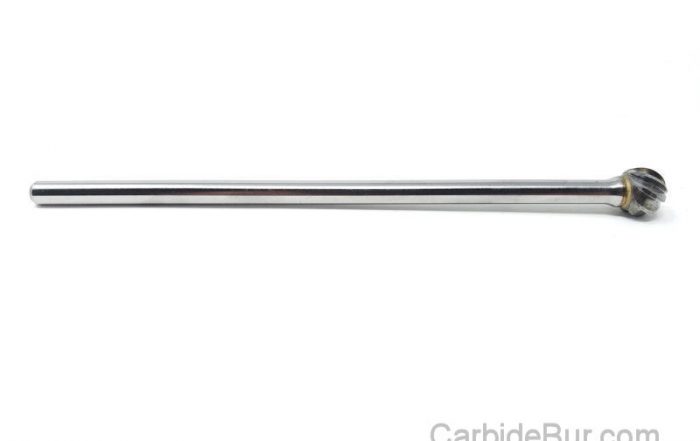
Best Long Reach Carbide Burr for Deep Metal Work
Best Long Reach Carbide Burr for Deep Metal Work Long reach carbide burrs often promise deep metal access, but many fall short where it counts most. You need a tool that cuts cleanly, lasts through [...]
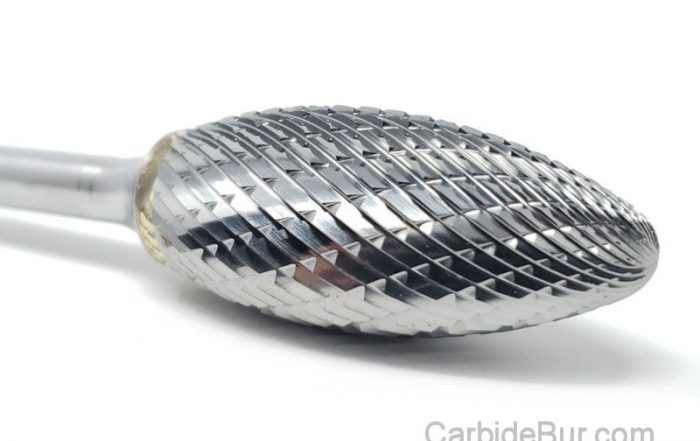
What RPM Should You Use for a 1/8 Inch Carbide Burr?
What RPM Should You Use for a 1/8 Inch Carbide Burr? Most people guess the right carbide burr RPM by feel—and waste hours redoing work. If you want cleaner cuts and longer tool life, your [...]
