
The Ultimate Guide to Choosing the Best Burrs for Aluminum Machining
Most burrs designed for general metalwork fall short when cutting aluminum. You know how frustrating it is when your tools clog or leave rough edges on this soft, lightweight metal. Picking the right burr can boost your cutting efficiency for aluminum and leave a cleaner finish every time. Let’s explore the best burrs for aluminum machining, including spiral and flute burrs, so you can choose the perfect tool for your project. For more insights, check out this guide on choosing the right burrs.
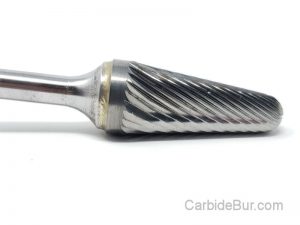
Have you tried using carbide burr tools for your job?
Understanding Aluminum Machining
Aluminum is a popular choice for many projects, yet working with it requires the right approach. Let’s dive into what makes this material unique and the challenges it presents.
Characteristics of Aluminum
Aluminum stands out because it’s lightweight and easy to shape. This makes it ideal for many applications. You can find it in everything from cars to kitchenware. Its natural resistance to rust adds to its appeal. Yet, this metal isn’t as strong as steel. This means it can dent or scratch more easily. When machining aluminum, understanding these traits helps you pick the right tools.
Challenges in Aluminum Machining
Machining aluminum is not without its challenges. One common issue is clogging. Your tools can get stuck if chips build up. Another problem is overheating. Aluminum has high thermal conductivity, which can cause it to heat up quickly. This leads to deformations or a poor finish. These hurdles make the choice of tools critical. Missteps can lead to wasted time and materials.
Importance of Choosing Right Tools
The right tools make a big difference in aluminum machining. They prevent clogs and help maintain a smooth finish. Investing in quality burrs tailored for aluminum is essential. These tools cut cleanly and stay sharp longer. Explore options like spiral and flute burrs to find what works best for you. The right choice can save time and improve your project outcomes.
Types of Burrs for Aluminum
Selecting the correct burr type is essential for effective cutting. We’ll now examine two popular burrs: spiral and flute. Each offers unique features that suit different needs.
Spiral Burrs: Features and Benefits
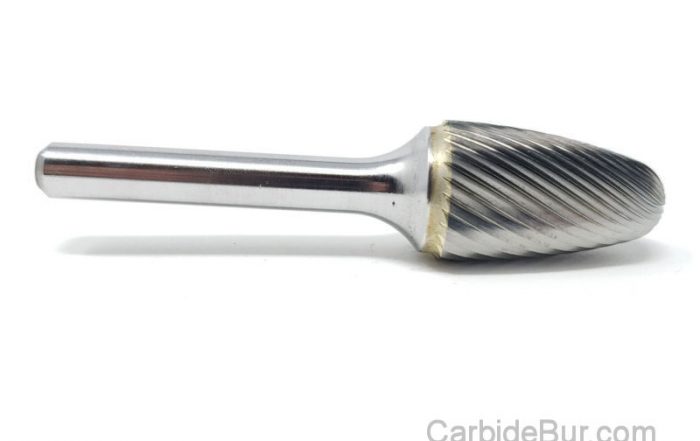
Spiral burrs are designed to cut efficiently. They have a unique twist that helps clear chips quickly. This design reduces clogging, a common problem in aluminum machining. Spiral burrs are also known for their speed. They can make quick work of soft metals like aluminum. If you need a burr for fast, clean cuts, spiral burrs are a smart option.
One example of a spiral burr in action is when a machinist used it to create smooth edges on aluminum panels. The burr’s design allowed for fast chip removal, resulting in a polished finish.
-
Quick chip removal: Reduces clogging
-
Fast cutting: Speeds up projects
Flute Burrs: Applications and Advantages
Flute burrs are another excellent choice for working with aluminum. They are known for their precision. These burrs can make detailed cuts, ideal for intricate designs. Flute burrs come in single or double variations. Single flutes are great for softer materials, while double flutes offer more power for tougher tasks.
Unlike spiral burrs, flute burrs focus on control. If you need accuracy over speed, flute burrs are the way to go.
-
Precision cutting: Ideal for detailed work
-
Two variations: Single for soft; double for tough tasks
Comparing Burr Types
Choosing between spiral and flute burrs depends on your needs. Spiral burrs excel at speed and chip removal. Flute burrs offer precision and control. Consider the demands of your project. Are you working on detailed designs or needing fast results? Your choice will impact your overall efficiency and finish.

Selecting the Perfect Burr
Picking the right burr for your aluminum project is crucial. Let’s look at size, shape, and other factors to guide your selection.
Size Considerations for Tasks
The size of your burr affects its performance. Larger burrs remove more material quickly. They’re perfect for large, flat surfaces. Smaller burrs, however, provide finesse. They work best for detailed areas and tight spaces. Assess your task’s scope. A larger burr saves time on big jobs, while a small burr offers the precision needed for intricate work.
Shape Selection for Precision
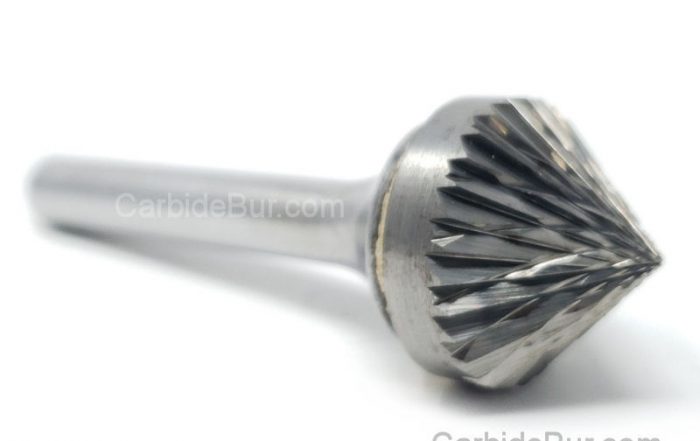
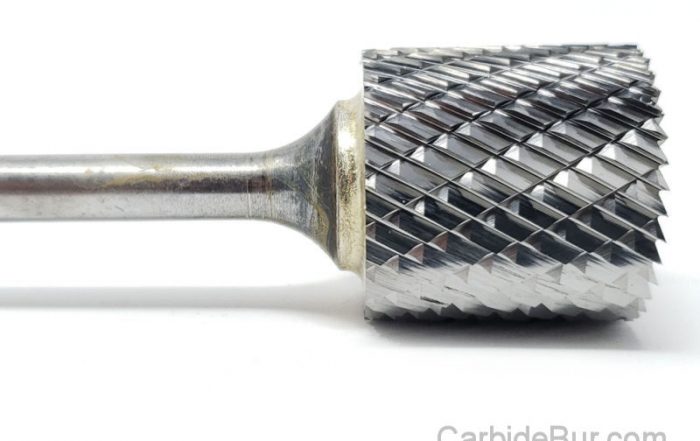
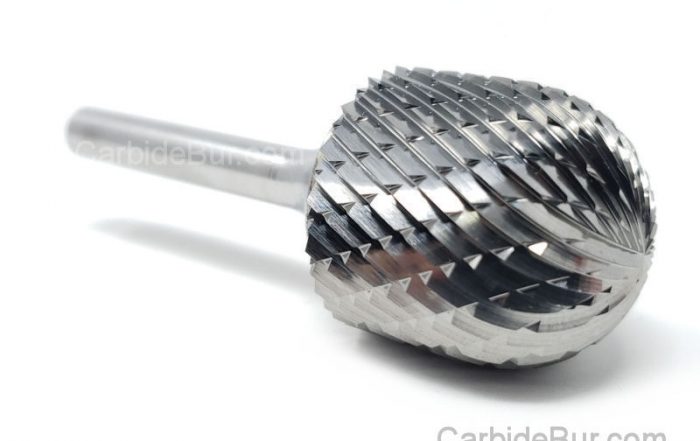
The shape of your burr also plays a significant role. Cylindrical burrs are great for flat surfaces. Ball-shaped burrs excel at contouring. Cone burrs can reach into tight corners. Match the burr shape to your project’s requirements. This choice ensures you achieve the desired outcome efficiently.
Factors Influencing Burr Choice
Several factors influence burr selection. Material hardness, project scale, and desired finish all matter. Evaluate these elements before choosing. The right burr enhances your cutting efficiency for aluminum. It also ensures a smoother finish, saving time and effort in the long run.
Enhancing Cutting Efficiency
Improving your cutting efficiency is possible with the right approach. Here are some tips to optimize your performance.
Tips for Optimal Performance
To boost performance, start with proper tool setup. Ensure your burr is sharp and installed correctly. Use the right speed for your burr type. Too fast and you risk overheating; too slow and efficiency drops. Regularly check your tools during use. This proactive approach prevents issues and maintains a consistent finish.
Maintenance of Aluminum Burrs
Maintaining your burrs is crucial for longevity. After each use, clean your burrs thoroughly. Remove any aluminum chips clinging to them. Store your tools in a dry place to prevent rust. Regular maintenance keeps your burrs in top shape, ready for your next project.
Safety Practices in Metalworking
Safety is key in metalworking. Always wear protective gear, like gloves and goggles. Ensure your workspace is clean and well-lit. Follow all safety guidelines for your tools. These practices minimize risks and create a safer environment for your projects.
Achieving Superior Surface Finish
A smooth surface finish is desirable in any project. Let’s explore techniques to achieve this with aluminum.
Techniques for a Smoother Cut
To get a better surface finish, use light, even pressure during cutting. Avoid forcing the tool through the material. Instead, let the burr do the work. Make multiple passes if needed. This approach prevents overloading the tool and maintains a consistent finish.
Tools for Enhanced Finish
Some tools enhance your surface finish. Use polishing burrs to achieve a mirror-like shine. These burrs are designed to smooth out any rough spots. For a more polished look, consider adding a final buffing step. This extra effort can make a noticeable difference in your project’s appearance.
Troubleshooting Common Issues
If you encounter issues, such as rough edges or tool chatter, don’t worry. Check your tool’s alignment first. Misalignment can cause uneven cuts. Adjust your speed settings if needed. Sometimes, a simple tweak can resolve the problem and get you back on track.
By understanding the nuances of aluminum machining and choosing the right burrs, you’ll enhance your cutting efficiency and achieve a superior finish. Remember to maintain your tools and prioritize safety to ensure successful projects.
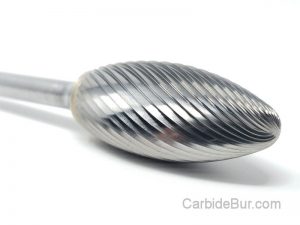
Looking for Carbide Bur Tools?
Check out our entire selection of USA made carbide bur die grinder tool bits
Follow us on Twitter

Return to CarbideBur.com
Carbide Burs – 1/4″ on 1/8″ Shanks – Accessories – Aluminum Cut – Bur Sets – End Mills – Long Shank – Solid Burs
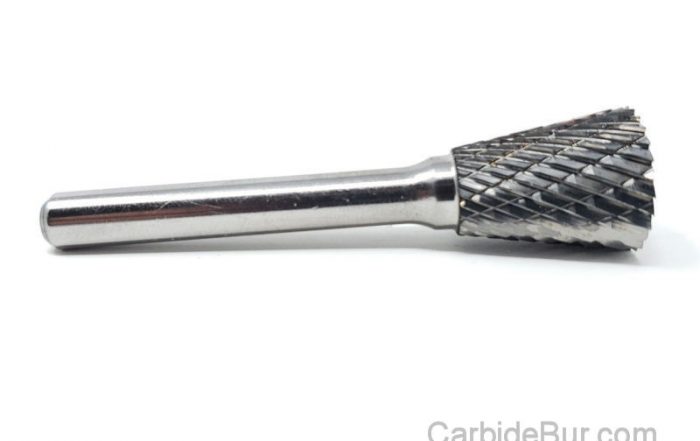
Carbide Burrs for Removing Rust: What Works Best?
Carbide Burrs for Removing Rust: What Works Best? Rust can turn your favorite tools into useless junk faster than you expect. Removing it without ruining the metal underneath takes more than just elbow grease—it demands [...]
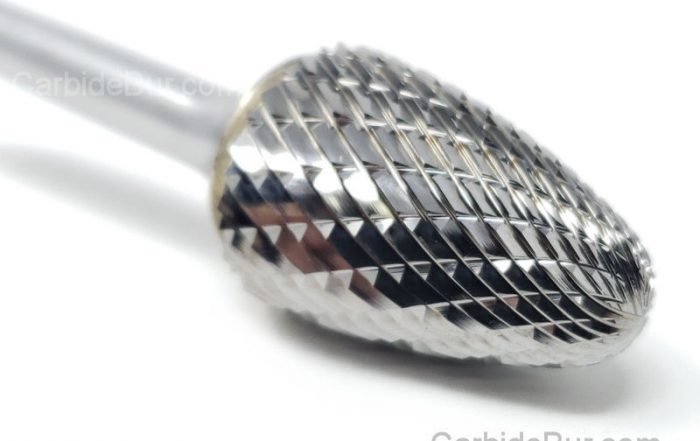
How Much Pressure Should You Use With a Carbide Burr?
How Much Pressure Should You Use With a Carbide Burr? Most people think pressing harder with a carbide burr speeds up the job. That’s not true—too much pressure wears out your tool and ruins the [...]
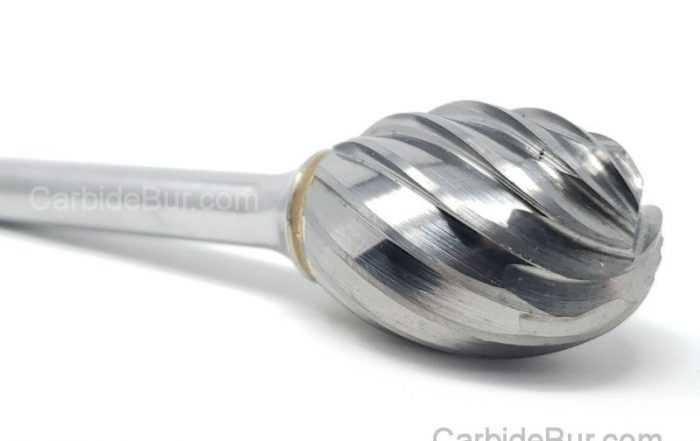
Can You Use Carbide Burrs With an Air Die Grinder?
Can You Use Carbide Burrs With an Air Die Grinder? Most people don’t realize how well carbide burrs work with air die grinders until they try them. If you’ve ever struggled with finding the right [...]
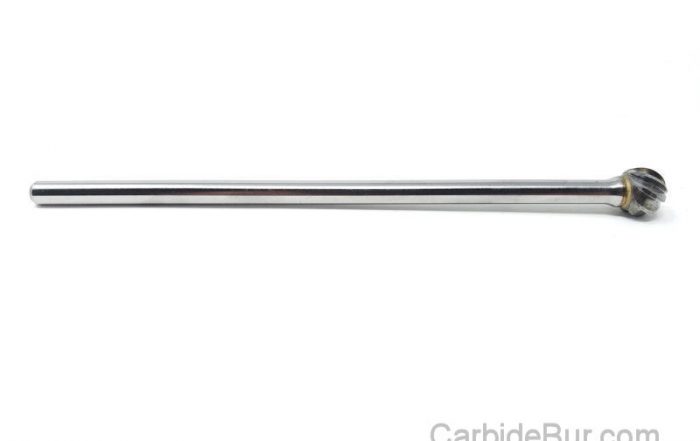
Best Long Reach Carbide Burr for Deep Metal Work
Best Long Reach Carbide Burr for Deep Metal Work Long reach carbide burrs often promise deep metal access, but many fall short where it counts most. You need a tool that cuts cleanly, lasts through [...]
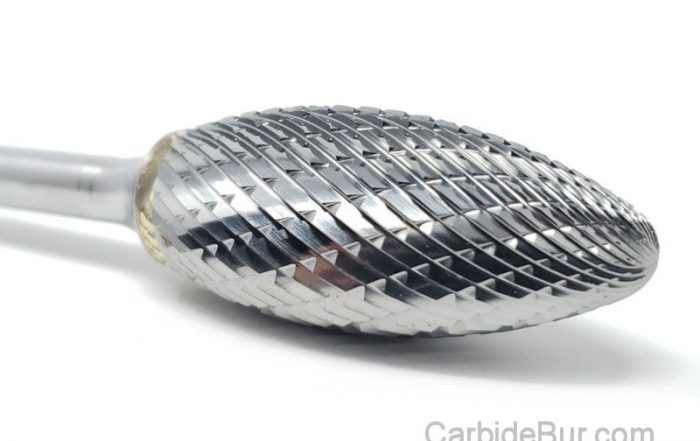
What RPM Should You Use for a 1/8 Inch Carbide Burr?
What RPM Should You Use for a 1/8 Inch Carbide Burr? Most people guess the right carbide burr RPM by feel—and waste hours redoing work. If you want cleaner cuts and longer tool life, your [...]
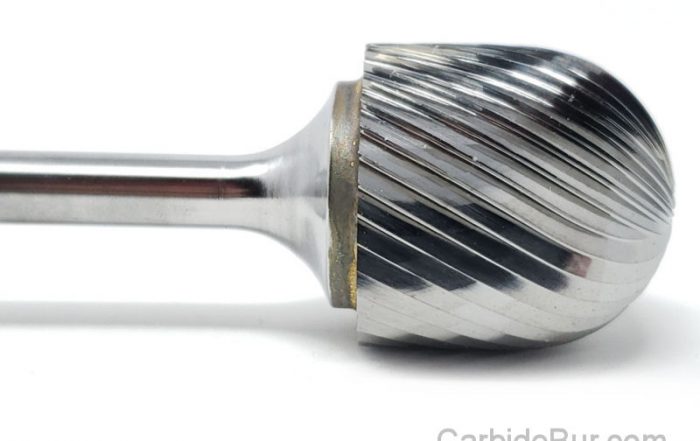
Carbide Burrs for Tight Spaces: Choosing the Right Shape
Carbide Burrs for Tight Spaces: Choosing the Right Shape Tackling tight spaces with the wrong carbide burrs wastes time and risks damaging your work. Choosing the right burr shape makes all the difference when working [...]
Can Carbide Burrs Remove Paint From Metal?
Can Carbide Burrs Remove Paint From Metal? Stripping paint from metal often feels like a tough chore that risks damaging the surface underneath. Many turn to carbide burrs hoping they can speed things up without [...]
How to Grind a Groove in Metal With a Carbide Burr
How to Grind a Groove in Metal With a Carbide Burr Most metalworkers struggle to cut clean grooves without wasting time or ruining their workpiece. Many try different metalworking tools but end up with uneven [...]
Can Carbide Burrs Cut Through Welds?
Can Carbide Burrs Cut Through Welds? Cutting through welds can feel like a battle, especially when you need clean results without harming the base metal. Carbide burrs offer a sharp edge in this fight, but [...]
How to Use a Carbide Burr With a Die Grinder
How to Use a Carbide Burr With a Die Grinder Most people treat a carbide burr like just another tool, but using it with a die grinder takes skill. If you’ve struggled with burr installation [...]
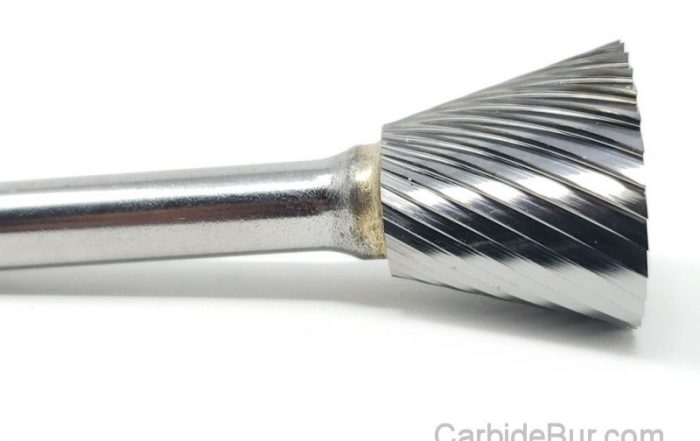
1/8 vs 1/4 Inch Carbide Burrs: What’s the Difference?
1/8 vs 1/4 Inch Carbide Burrs: What's the Difference? Choosing between a 1/8 inch carbide burr and a 1/4 inch carbide burr can change how your project turns out. Many machinists and hobbyists overlook how [...]
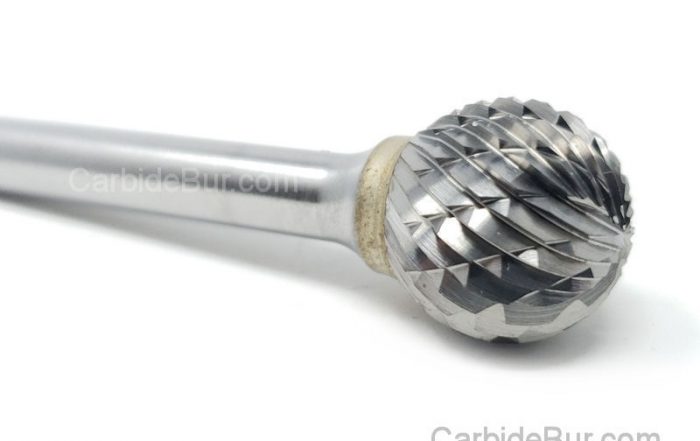
Best Carbide Burr for Removing Flash From Castings
Best Carbide Burr for Removing Flash From Castings Removing flash from castings is a task that can slow down your entire metalworking process if you don’t have the right tools. Picking the best carbide burr [...]
