
Flame Burr vs Oval Burr: Choosing the Right Carbide Burr for Your Craft
Choosing between a flame burr and an oval burr can make or break your project’s finish. If you’ve struggled with picking the right carbide burr for shaping or smoothing, you’re not alone. This carbide burr comparison breaks down how each burr shape handles metalworking tasks, helping you pick the tool that fits your craft. Ready to see which burr shapes suit your needs? Check out this comprehensive guide to carbide burr shapes and their uses.
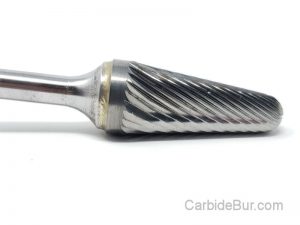
Have you tried using carbide burr tools for your job?
Understanding Carbide Burrs
When working with metals, knowing your tools is essential. Carbide burrs are among the most versatile tools in a craftsman’s kit.
What Are Carbide Burrs?
Carbide burrs are small cutting tools used in various metalworking tasks. Made from tungsten carbide, they are extremely durable and can shape, cut, and remove excess material from metals with precision. These tools come in many shapes and sizes, each designed for specific tasks. You might find them in applications ranging from jewelry making to large-scale industrial work. Each shape offers unique benefits, making them invaluable in any workshop.
Importance in Metalworking
In metalworking, the right tool can save you time and improve the quality of your work. Carbide burrs are essential for their efficient material removal and ability to produce smooth finishes. They allow for detailed work that larger tools cannot achieve. For instance, their sharp edges can carve intricate designs on metal surfaces, enhancing artistic projects. Whether you’re a hobbyist or professional, mastering the use of these tools can elevate your craftsmanship skills. Discover more about types of carbide burrs.
Flame Burr Features
Now, let’s dive into the specifics of the flame burr, a tool popular among sculptors and artisans.
Design and Structure
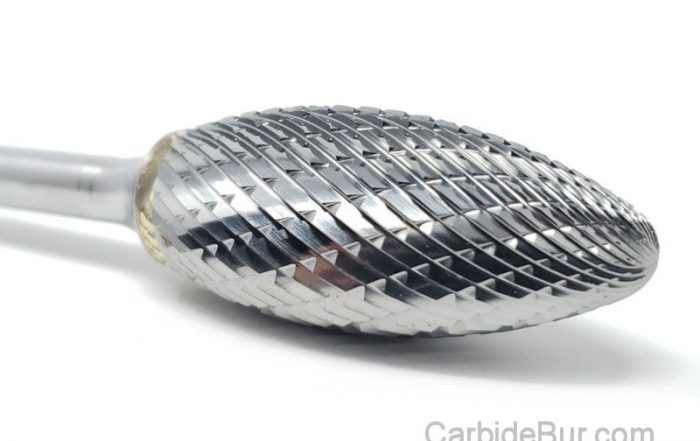
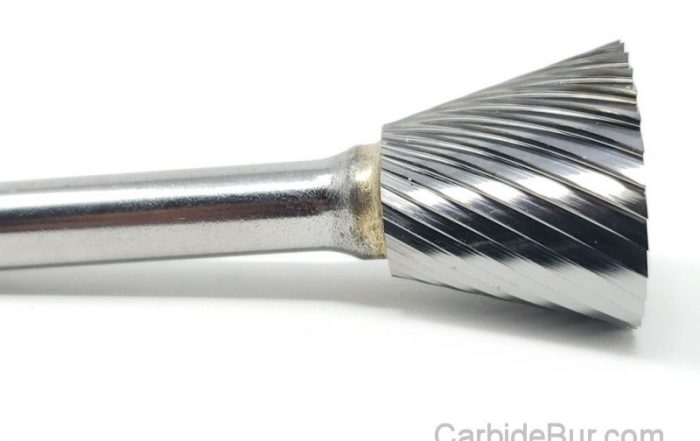
The flame burr is distinct with its pointed tip and wide cutting edges. This design is perfect for carving and shaping metal with precision. The pointed tip allows you to reach tight spots and create intricate designs. Additionally, the wide edges help in removing material quickly, thus speeding up the sculpting process. This tool’s versatility makes it essential for anyone looking to create detailed metalwork. It’s a favorite in tasks requiring both precision and speed.
Applications in Sculpting
When it comes to sculpting, the flame burr is a powerhouse. Artists and metalworkers utilize its unique shape to carve out complex patterns. From creating contours to refining details, this tool does it all. Its ability to remove material efficiently makes it ideal for large projects where time is of the essence. Whether you’re crafting a metal sculpture or working on detailed engravings, the flame burr proves indispensable. Most artists agree that a flame burr is a must-have in any sculpting toolkit.
Oval Burr Characteristics
Transitioning from the flame burr, the oval burr offers its own set of features, particularly for surface finishing.
Shape and Functionality
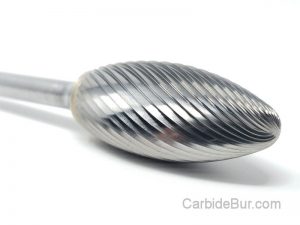
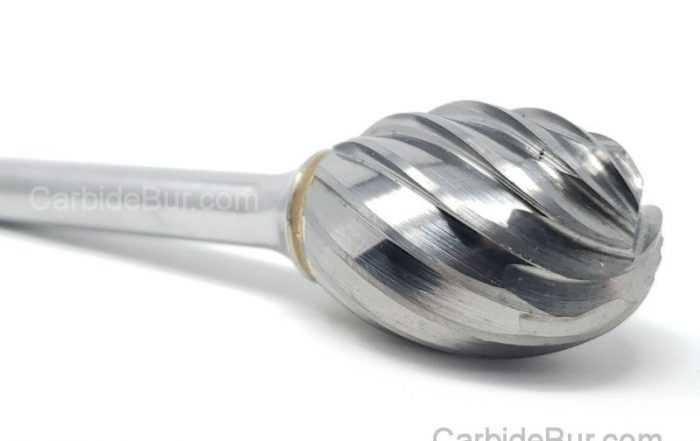
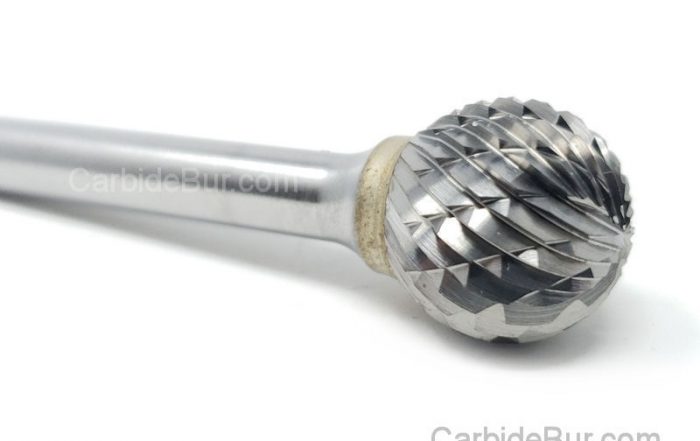
The oval burr has an elongated shape that differs significantly from the flame burr. This design is particularly effective for smoothing and finishing surfaces. Its rounded edges glide over metal to create a polished finish. This makes it ideal for tasks that require a refined touch. In addition, it excels at deburring, ensuring clean edges and a professional look. The oval burr’s functionality extends to various materials, offering versatility in numerous applications.
Uses in Surface Finishing
In surface finishing, the oval burr shines. It helps achieve a smooth, polished look by removing imperfections and rough edges. This tool is perfect for those final touches that give your project a professional appearance. Whether you’re working on automotive parts or metal art, the oval burr ensures a clean finish. Its ability to deburr and refine surfaces makes it an essential tool in any metalworker’s arsenal. Learn more about burr bits and their uses.

Comparing Burr Shapes
Understanding the strengths of each burr type can help you make an informed decision. Let’s compare the flame burr and oval burr to see which fits your needs.
Strengths of Flame Burr
The flame burr’s design allows for intricate work and material removal, making it ideal for detailed sculpting. Its pointed tip reaches tight areas, and its wide edges carve efficiently. This makes it perfect for artists who need to balance precision with speed. Many craftsmen prefer the flame burr for complex metal sculptures. Its versatility and efficiency make it a top choice when detailed artistry is required.
Benefits of Oval Burr
On the other hand, the oval burr excels in finishing tasks. Its rounded shape is perfect for smoothing surfaces and deburring edges. This makes it indispensable for projects that require a polished finish. It is particularly beneficial for those looking to enhance the aesthetic quality of their work. The oval burr is often the go-to tool for achieving a professional look on metal surfaces. Explore more about the different types of carbide burrs.
Choosing the Right Tool
Selecting the right burr depends on several factors. Let’s explore what you should consider before making your choice.
Factors to Consider
When choosing between the flame and oval burrs, consider the nature of your project. Ask yourself:
-
Do you need intricate detail or a polished finish?
-
What materials are you working with?
-
How much material do you need to remove?
Answering these questions will guide you to the right tool. The flame burr is great for detailed work, while the oval burr excels in surface finishing. Your project’s requirements will determine the best fit for your needs.
Enhancing Work Quality
Using the right burr enhances the quality of your work. It ensures efficiency and precision, leading to better outcomes. Investing in the correct tool for your task can significantly improve your productivity and the final result. Remember, the right burr choice can elevate your craft. Take the time to assess your project needs, and you’ll see a noticeable improvement in your work. For more insights, check out this comprehensive guide to carbide burr varieties.
In summary, choosing the right burr is key to successful metalworking. Whether you need the precision of a flame burr or the finishing touch of an oval burr, selecting the right tool enhances your craft and produces outstanding results.
Looking for Carbide Bur Tools?
Check out our entire selection of USA made carbide bur die grinder tool bits
Follow us on Twitter

Return to CarbideBur.com
Carbide Burs – 1/4″ on 1/8″ Shanks – Accessories – Aluminum Cut – Bur Sets – End Mills – Long Shank – Solid Burs
Carbide Burrs for Removing Rust: What Works Best?
Carbide Burrs for Removing Rust: What Works Best? Rust can turn your favorite tools into useless junk faster than you expect. Removing it without ruining the metal underneath takes more than just elbow grease—it demands [...]
How Much Pressure Should You Use With a Carbide Burr?
How Much Pressure Should You Use With a Carbide Burr? Most people think pressing harder with a carbide burr speeds up the job. That’s not true—too much pressure wears out your tool and ruins the [...]
Can You Use Carbide Burrs With an Air Die Grinder?
Can You Use Carbide Burrs With an Air Die Grinder? Most people don’t realize how well carbide burrs work with air die grinders until they try them. If you’ve ever struggled with finding the right [...]
Best Long Reach Carbide Burr for Deep Metal Work
Best Long Reach Carbide Burr for Deep Metal Work Long reach carbide burrs often promise deep metal access, but many fall short where it counts most. You need a tool that cuts cleanly, lasts through [...]
What RPM Should You Use for a 1/8 Inch Carbide Burr?
What RPM Should You Use for a 1/8 Inch Carbide Burr? Most people guess the right carbide burr RPM by feel—and waste hours redoing work. If you want cleaner cuts and longer tool life, your [...]
Carbide Burrs for Tight Spaces: Choosing the Right Shape
Carbide Burrs for Tight Spaces: Choosing the Right Shape Tackling tight spaces with the wrong carbide burrs wastes time and risks damaging your work. Choosing the right burr shape makes all the difference when working [...]
Can Carbide Burrs Remove Paint From Metal?
Can Carbide Burrs Remove Paint From Metal? Stripping paint from metal often feels like a tough chore that risks damaging the surface underneath. Many turn to carbide burrs hoping they can speed things up without [...]
How to Grind a Groove in Metal With a Carbide Burr
How to Grind a Groove in Metal With a Carbide Burr Most metalworkers struggle to cut clean grooves without wasting time or ruining their workpiece. Many try different metalworking tools but end up with uneven [...]
Can Carbide Burrs Cut Through Welds?
Can Carbide Burrs Cut Through Welds? Cutting through welds can feel like a battle, especially when you need clean results without harming the base metal. Carbide burrs offer a sharp edge in this fight, but [...]
How to Use a Carbide Burr With a Die Grinder
How to Use a Carbide Burr With a Die Grinder Most people treat a carbide burr like just another tool, but using it with a die grinder takes skill. If you’ve struggled with burr installation [...]
1/8 vs 1/4 Inch Carbide Burrs: What’s the Difference?
1/8 vs 1/4 Inch Carbide Burrs: What's the Difference? Choosing between a 1/8 inch carbide burr and a 1/4 inch carbide burr can change how your project turns out. Many machinists and hobbyists overlook how [...]
Best Carbide Burr for Removing Flash From Castings
Best Carbide Burr for Removing Flash From Castings Removing flash from castings is a task that can slow down your entire metalworking process if you don’t have the right tools. Picking the best carbide burr [...]
