
Choosing the Right Die Grinder and Attachments for Every DIY Enthusiast
Many DIY projects stall because the right tool or attachment isn’t on hand. If you want to get the most from your metalworking, woodworking, or automotive tasks, mastering die grinder techniques is a must. This guide breaks down how to use a die grinder effectively, which attachments suit each job, and key safety tips for die grinders to keep your work smooth and precise. For more detailed guidance, check out this blog on die grinder uses, types, and tips.
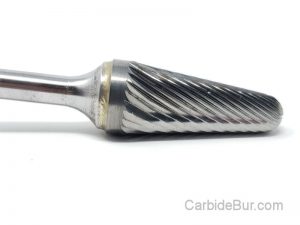
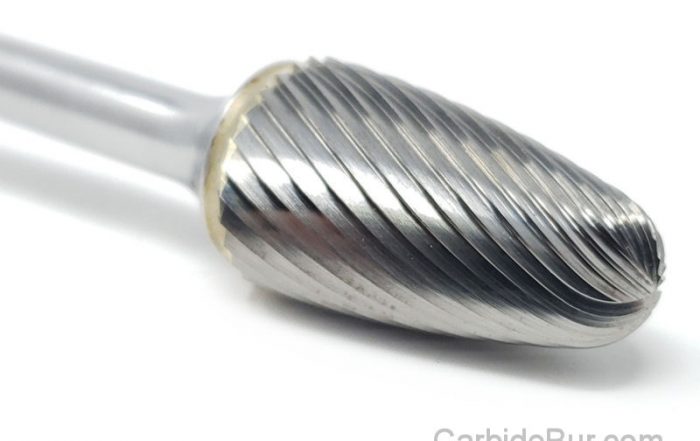
Have you tried using carbide burr tools for your job?
Understanding Die Grinders
Die grinders are incredibly versatile tools that can elevate your DIY projects to new heights. Let’s delve into the different types and how they can be used in various fields.
Types of Die Grinders
When it comes to die grinders, there are a few key types to consider. Compact and handheld, pneumatic die grinders are powered by air. They’re perfect for those looking for lightweight options. Electric die grinders offer more power and are great for heavier tasks. Meanwhile, cordless die grinders bring flexibility, allowing you to work anywhere without worrying about cords. Each type has its pros and cons, so it’s important to choose based on your specific needs.
Key Uses in Various Fields
Die grinders find their place in many industries. In metalworking, they are essential for smoothing surfaces and removing rust. In woodworking, they help in shaping and finishing edges. Automotive professionals use them for precision work on car bodies. This versatility makes them a valuable tool across different fields. Whether you’re a hobbyist or a professional, knowing how to use a die grinder can open up a world of possibilities.
Essential Die Grinder Techniques
Mastering die grinder techniques can set you apart. First, ensure you have the right attachment for your task. Always maintain a steady hand to achieve precision. Practice controlling the speed of your die grinder, adjusting as necessary to suit the material you’re working on. Remember, practice makes perfect, and with a bit of patience, you’ll find yourself achieving flawless results every time.
Choosing the Right Attachments
Attachments can make or break your die grinder’s efficiency. Let’s explore the different attachments available and how they can enhance your work.
Grinding and Sanding Attachments
For grinding and sanding, you’ll want to consider attachments like abrasive stones and sanding discs. These are perfect for smoothing rough surfaces and shaping materials. Make sure to select the right grit level: lower grits for rough work and higher grits for finishing touches. Understanding the purpose of each attachment will ensure you choose the right one for your task.
Polishing and Finishing Tools
Polishing and finishing require a different set of tools. Buffing wheels and polishing pads can give your projects a professional finish. These attachments help eliminate small imperfections, leaving your work smooth and shiny. When you’re looking to add that final touch, these tools are indispensable for achieving a polished result.
Specialty Attachments for Unique Tasks
Sometimes, you need a specialized tool for a unique job. Consider cutting wheels for slicing through metal or engraving bits for detailed work. These specialty attachments allow you to tackle tasks that standard bits can’t handle. Having a variety of these on hand can significantly expand the range of projects you can complete with your die grinder.

Safe Operation Practices
Safety is paramount when working with die grinders. By following simple guidelines, you can ensure a secure working environment.
Safety Tips for Die Grinders
Always start by reading the manual of your die grinder. Use both hands to maintain control and wear protective gear like goggles and gloves. Never exceed the recommended speed for each attachment, and be sure to secure your workpiece to prevent accidents. For more detailed safety advice, check out this guide on die grinder safety.
Common Mistakes to Avoid
Avoid common pitfalls by steering clear of these mistakes: using the wrong attachment, applying too much pressure, and neglecting maintenance. Regularly check your grinder for wear and tear. Keeping your tool in good condition will extend its lifespan and improve performance.
Protective Gear and Equipment
Protective gear is non-negotiable. Always wear safety glasses, gloves, and ear protection. Consider wearing a dust mask if you’re working with materials that produce fine particles. Ensuring you have the right equipment will keep you safe and focused on the task at hand.
Step-by-Step Usage Guide
Ready to dive in? This section will guide you through using a die grinder effectively.
How to Use a Die Grinder
-
Select the right attachment: Choose based on your task.
-
Secure your workpiece: Ensure it won’t move during operation.
-
Adjust the speed: Set your die grinder to the appropriate speed for your material.
-
Begin grinding: Hold the tool firmly and apply steady pressure.
Following these steps will help you use your die grinder with confidence.
Preparing Your Workspace
A well-organized workspace is crucial. Clear your area of any obstructions, and ensure your tools are within reach. Good lighting is essential for precision work. Taking the time to set up your workspace properly will enhance your efficiency.
Achieving Precision Results
Precision is key in any project. Work slowly, and don’t rush the process. Regularly check your progress to ensure you’re on track. Practice patience, and soon you’ll see your skills improve.
Exploring Die Grinder Applications
The applications of die grinders are vast and varied. Let’s explore how they can be used across different fields.
Metalworking Tools and Techniques
In metalworking, die grinders are used to shape, smooth, and finish surfaces. They can remove rust and paint, making them invaluable for restoration projects. By mastering these techniques, you can take your metalworking skills to the next level. For innovative metalworking tips, check out this article on metalworking tools.
Woodworking Tools for Precision
Die grinders bring precision to woodworking. They’re perfect for shaping wood and creating intricate designs. Whether you’re crafting furniture or decorative pieces, these tools help you achieve clean cuts and smooth finishes. The right attachments can make all the difference in your woodworking projects.
Automotive Tools and Their Benefits
Automotive work often requires precision and control. Die grinders excel in this arena, allowing you to perform detailed work on car parts and body panels. From smoothing welds to removing paint, these tools are essential for any automotive professional. Understanding their benefits can streamline your work and improve results.
By understanding and using die grinders effectively, you’ll unlock a new level of precision in your projects. With the right tools and techniques, your DIY projects will be smoother and more professional than ever before.
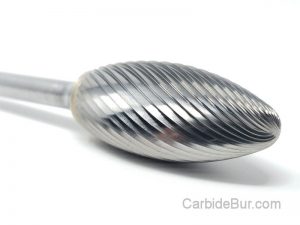
Looking for Carbide Bur Tools?
Check out our entire selection of USA made carbide bur die grinder tool bits
Follow us on Twitter

Return to CarbideBur.com
Carbide Burs – 1/4″ on 1/8″ Shanks – Accessories – Aluminum Cut – Bur Sets – End Mills – Long Shank – Solid Burs
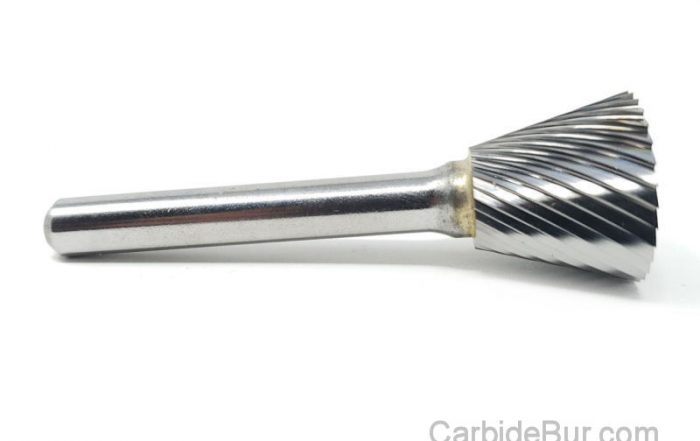
Can You Use Carbide Burrs in a Dremel? Shank Sizes Explained
Can You Use Carbide Burrs in a Dremel? Shank Sizes Explained If you use a Dremel or another rotary tool for detail work, metal shaping, or small fabrication projects, you may wonder whether you can [...]
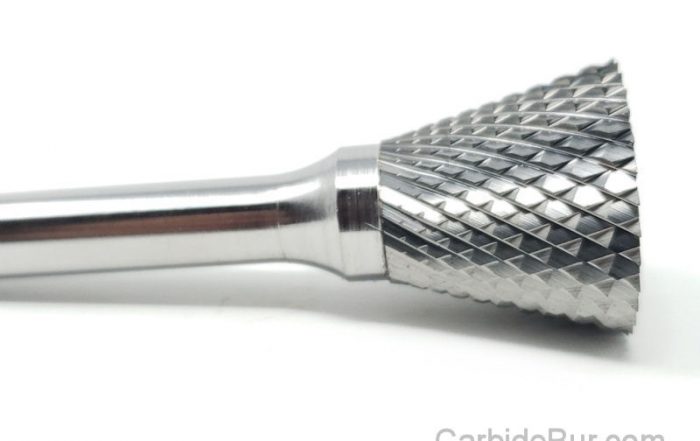
How to Choose the Best Carbide Burr for Welding and Metal Fabrication
How to Choose the Best Carbide Burr for Welding and Metal Fabrication Welding and metal fabrication often require more than joining two pieces of metal together. Once the welding is finished, fabricators frequently need to [...]
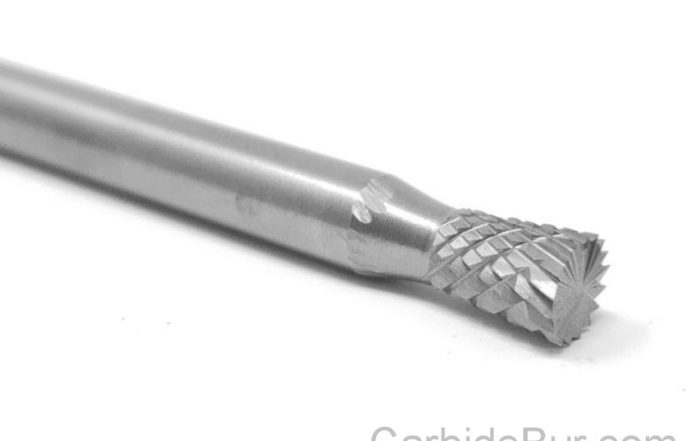
Carbide Burrs for Cylinder Heads: What Automotive Enthusiasts Need to Know
Carbide Burrs for Cylinder Heads: What Automotive Enthusiasts Need to Know Cylinder head work is an important part of engine building, restoration, and performance machining. Whether you are cleaning up casting imperfections, refining port surfaces, [...]
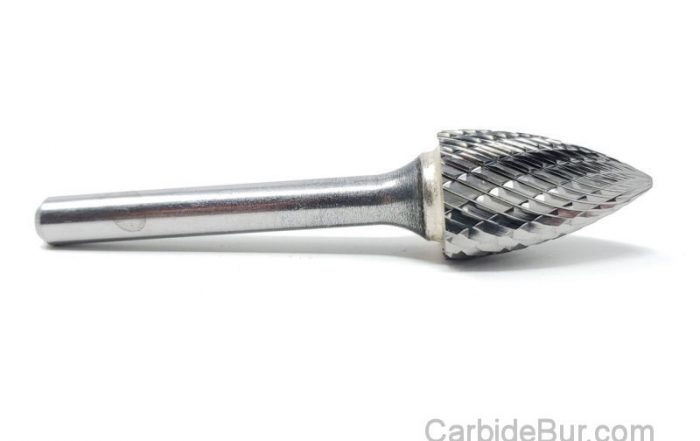
Engine Porting 101: How Carbide Burrs Help Shape Cylinder Head Ports
Engine Porting 101: How Carbide Burrs Help Shape Cylinder Head Ports Engine performance enthusiasts, automotive machinists, and engine builders often look for ways to improve airflow through an engine's cylinder heads. One technique used in [...]
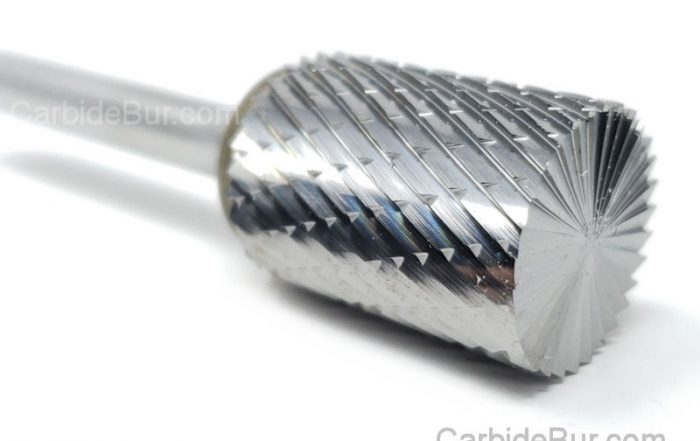
When to Use a 4-Inch or 9-Inch Die Grinder Extension
When to Use a 4-Inch or 9-Inch Die Grinder Extension Metal fabrication, welding, automotive repair, and engine building often require working in places where a standard die grinder and carbide burr cannot easily reach. Recessed [...]
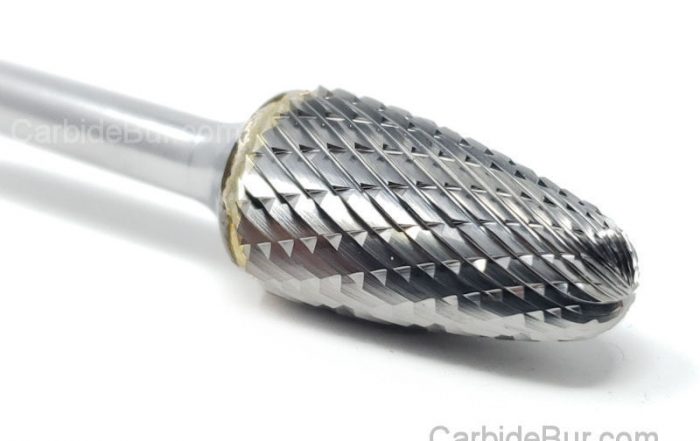
Why Buy USA-Made Carbide Burr Tools? What Buyers Should Compare
Why Buy USA-Made Carbide Burr Tools? What Buyers Should Compare When shopping for carbide burr tools, it's tempting to compare products based on price alone. However, professionals who use rotary cutting tools for welding, metal [...]
How to Use 1/8-Inch Rotary Bits with a Die Grinder
How to Use 1/8-Inch Rotary Bits with a Die Grinder Die grinders are popular tools for metalworking, fabrication, deburring, and precision material removal. However, many die grinders use a 1/4-inch collet, while smaller rotary tools [...]

Can You Use a Carbide Burr With an Electric Die Grinder?
Can You Use a Carbide Burr With an Electric Die Grinder? Most people don’t realize how much a carbide burr can change the way an electric die grinder works. Using the right burr type can [...]
How to Deburr Holes With a Carbide Burr
How to Deburr Holes With a Carbide Burr Most people think any tool will do for deburring holes. The truth is, using the right carbide burr with the correct size and shape changes everything. In [...]
How to Choose the Correct Carbide Burr Shank Size
How to Choose the Correct Carbide Burr Shank Size Many machinists lose hours troubleshooting tool issues caused by the wrong carbide burr shank size. Using a shank that doesn’t fit your grinder can lead to [...]
How to Remove Casting Flash With a Carbide Burr
How to Remove Casting Flash With a Carbide Burr Casting flash ruins the look and fit of your metal parts. You’ve tried sanding or grinding, but the results aren’t clean or fast enough. Learning how [...]
Best Carbide Burr for Enlarging a Hole in Metal
Best Carbide Burr for Enlarging a Hole in Metal When you need to enlarge a hole in metal, grabbing the wrong carbide burr can turn a simple task into a frustrating mess. Picking the best [...]
