
From Woodworking to Metalworking: How Tree Shape Carbide Burrs Enhance Your Projects
Woodworking and metalworking often demand different tools, yet the tree shape carbide burr fits both worlds with surprising skill. If you’ve struggled to find one shaping tool that handles wood, metal, and plastic without compromise, your search might end here. This post breaks down how to get the most from tree shape carbide burrs, covering precision cutting and smooth contouring across materials. Ready to sharpen your craftsmanship techniques and bring your projects to a new level? Keep reading. For more insights on carbide burr shapes and their uses, you can visit this comprehensive guide.
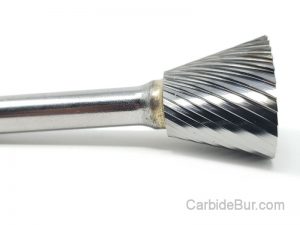
Introduction to Tree Shape Carbide Burrs
If you’re looking to up your game in crafting with different materials, you’re in the right place. Let’s begin by understanding what makes carbide burrs essential in both woodworking and metalworking.
What Are Carbide Burrs?
Carbide burrs are small, rotating tools used for cutting, grinding, and shaping materials. Made from durable tungsten carbide, they are sharper and last longer than steel tools. This makes them invaluable in various applications. Curious about the different shapes? Learn more about carbide burr shapes.
Key Features and Benefits
Why should you consider carbide burrs? First, they offer precision and control, making them perfect for detailed work. They’re also heat-resistant, which reduces wear and tear. These tools are known for their durability, allowing you to complete more projects without frequent replacements.
Versatility Across Materials
Tree shape carbide burrs are truly versatile. Whether you’re working with wood, metal, or plastic, they’re designed to adapt to each material’s unique demands. This flexibility is what makes them a staple in any craftsman’s toolkit.
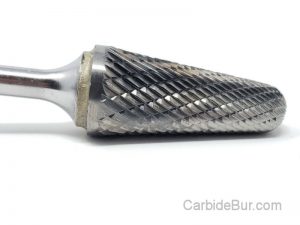
Woodworking with Carbide Burrs
Woodworking has its own set of challenges, but carbide burrs can simplify the process. Let’s explore how they can enhance your wood projects.
Precision Cutting Techniques
When it comes to precise cuts, carbide burrs shine. Their sharp edges allow for clean and accurate lines, making intricate designs achievable. To get the best results, keep your speed consistent and apply gentle pressure. This ensures smooth cuts every time.
Shaping and Contouring Wood
Shaping wood becomes a breeze with these tools. The tree shape burr is perfect for creating smooth contours and detailed grooves. By using a light touch, you can effortlessly guide the burr along the wood’s surface, creating beautiful shapes and patterns.
Best Practices for Woodworking
To maximize the life of your burrs, clean them regularly and avoid excessive force. This will keep them sharp and effective. Also, practice on scrap wood first, so you can master the technique before moving to your main project. For more creative woodworking ideas, check out this resource.
Metalworking Applications
Metalworking requires precision and durability. Carbide burrs excel in these areas, making your metal projects less daunting.
Precision Cutting in Metal
Cutting metal demands accuracy, and carbide burrs deliver. They can handle tough materials while providing clean edges. To achieve precision, use a steady hand and keep your workpiece secure. This will help prevent any unwanted movement during the cutting process.
Metal Shaping Tools and Tips
For shaping metal, start with a lower speed setting. This gives you better control and helps maintain the quality of your work. Always wear safety gear, like goggles and gloves, to protect yourself from metal shavings. For more information on metalworking tools, visit this detailed article.
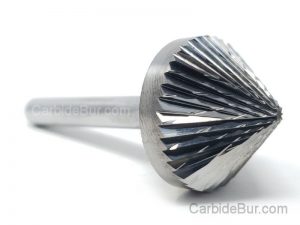
Achieving Smooth Metal Finishes
Smooth finishes are crucial in metal projects. By using a cross-hatch pattern, you can create an even surface. This technique involves moving the burr in a crisscross motion, which helps in achieving a polished look.
Plastic Shaping with Carbide Burrs
Plastic offers its own unique challenges, but carbide burrs make shaping it straightforward and efficient.
Techniques for Plastic Contouring
When contouring plastic, maintain a moderate speed to prevent melting. This helps achieve a clean edge without warping the material. Use short, controlled strokes for the best results.
Enhancing Plastic Projects
Adding texture to plastic is easy with a carbide burr. You can create various patterns by adjusting the pressure and speed. These techniques add depth and interest to your projects.
Common Challenges and Solutions
One common issue is overheating, which can cause melting. To avoid this, take breaks and let the material cool. This not only preserves your work but also extends the life of your tools. For more tips on using carbide burrs, visit this informative guide.
Craftsmanship and Industry Insights
Understanding the broader applications of carbide burrs can open new doors for your projects and professional growth.
Industrial Applications of Carbide Burrs
In industries like aerospace and automotive, carbide burrs are essential. They’re used for deburring, cleaning, and shaping parts, ensuring everything fits perfectly. This precision makes them indispensable in high-stakes environments.
Craftsmanship Techniques for Professionals
For professionals, mastering carbide burrs can elevate your craftsmanship. Techniques such as layering and texturing can transform ordinary materials into extraordinary creations. Practice these methods to stand out in your field.
Empowering Hobbyists and Entrepreneurs
If you’re a hobbyist or entrepreneur, carbide burrs can expand your possibilities. From unique designs to efficient production, these tools empower you to take on new challenges and explore innovative solutions in your projects. Remember, the longer you wait to start, the more opportunities you might miss. Embrace the power of carbide burrs today.
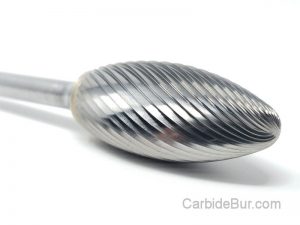
Looking for Carbide Bur Tools?
Check out our entire selection of USA made carbide bur die grinder tool bits
Follow us on Twitter

Return to CarbideBur.com
Carbide Burs – 1/4″ on 1/8″ Shanks – Accessories – Aluminum Cut – Bur Sets – End Mills – Long Shank – Solid Burs
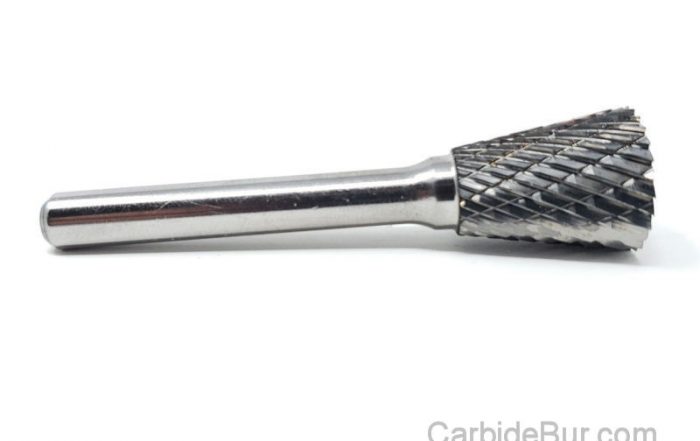
Carbide Burrs for Removing Rust: What Works Best?
Carbide Burrs for Removing Rust: What Works Best? Rust can turn your favorite tools into useless junk faster than you expect. Removing it without ruining the metal underneath takes more than just elbow grease—it demands [...]
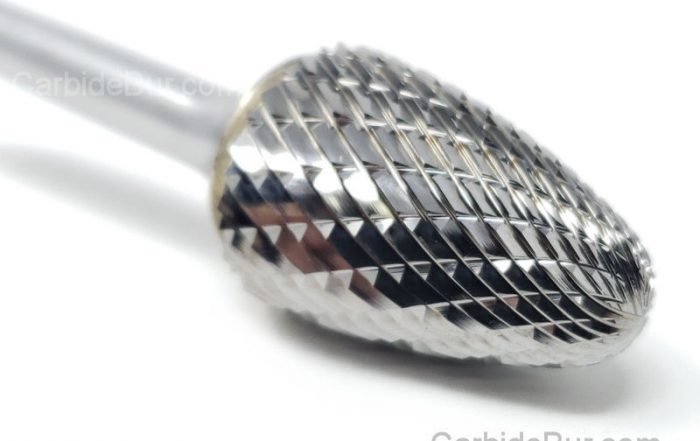
How Much Pressure Should You Use With a Carbide Burr?
How Much Pressure Should You Use With a Carbide Burr? Most people think pressing harder with a carbide burr speeds up the job. That’s not true—too much pressure wears out your tool and ruins the [...]
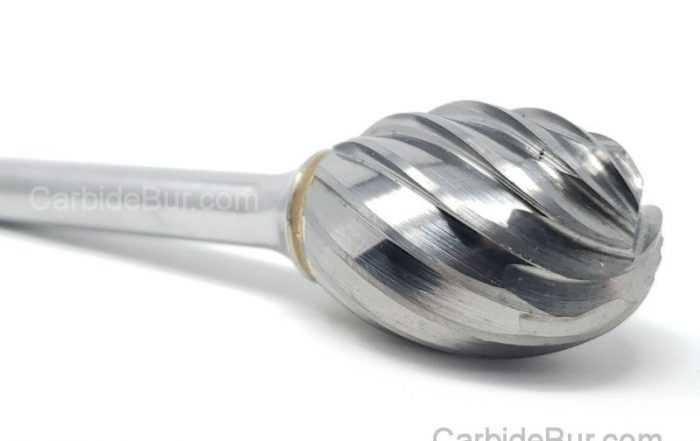
Can You Use Carbide Burrs With an Air Die Grinder?
Can You Use Carbide Burrs With an Air Die Grinder? Most people don’t realize how well carbide burrs work with air die grinders until they try them. If you’ve ever struggled with finding the right [...]
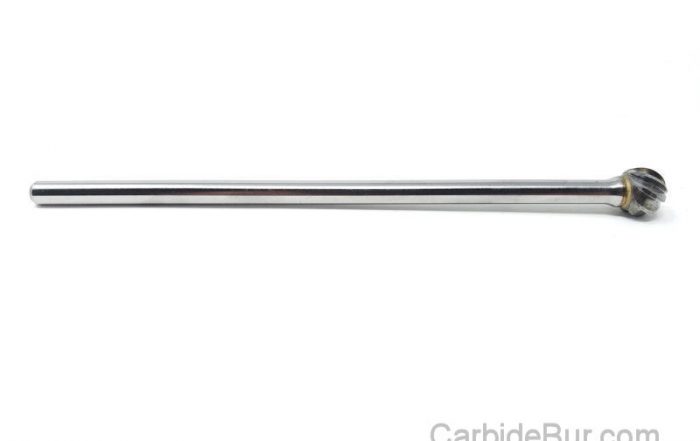
Best Long Reach Carbide Burr for Deep Metal Work
Best Long Reach Carbide Burr for Deep Metal Work Long reach carbide burrs often promise deep metal access, but many fall short where it counts most. You need a tool that cuts cleanly, lasts through [...]
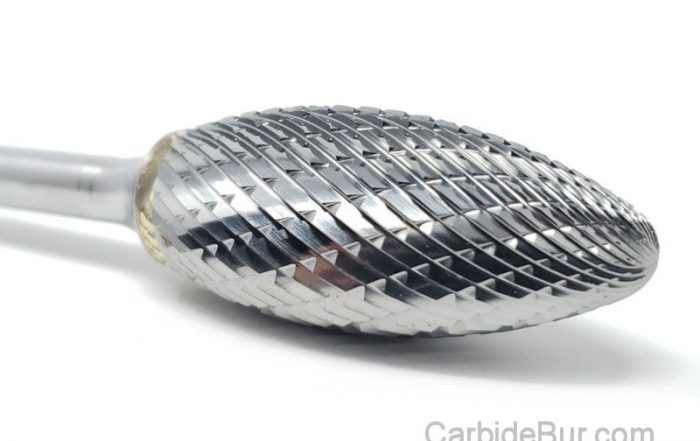
What RPM Should You Use for a 1/8 Inch Carbide Burr?
What RPM Should You Use for a 1/8 Inch Carbide Burr? Most people guess the right carbide burr RPM by feel—and waste hours redoing work. If you want cleaner cuts and longer tool life, your [...]
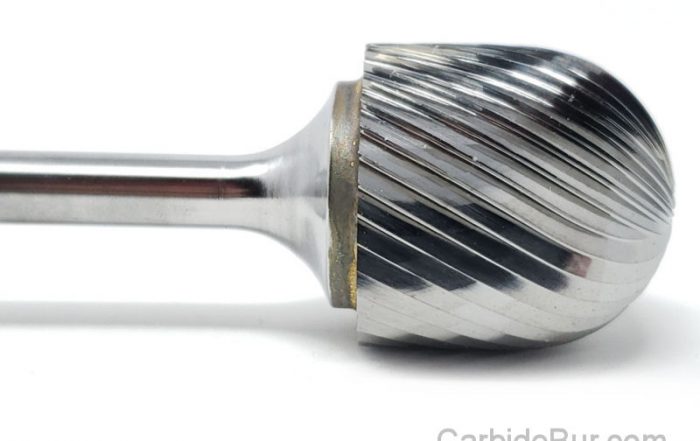
Carbide Burrs for Tight Spaces: Choosing the Right Shape
Carbide Burrs for Tight Spaces: Choosing the Right Shape Tackling tight spaces with the wrong carbide burrs wastes time and risks damaging your work. Choosing the right burr shape makes all the difference when working [...]
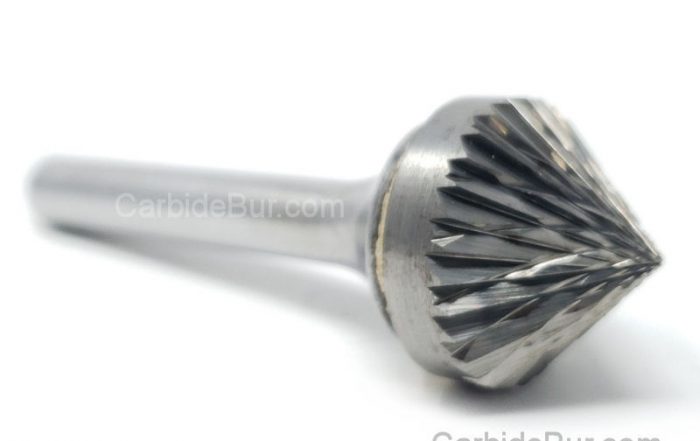
Can Carbide Burrs Remove Paint From Metal?
Can Carbide Burrs Remove Paint From Metal? Stripping paint from metal often feels like a tough chore that risks damaging the surface underneath. Many turn to carbide burrs hoping they can speed things up without [...]
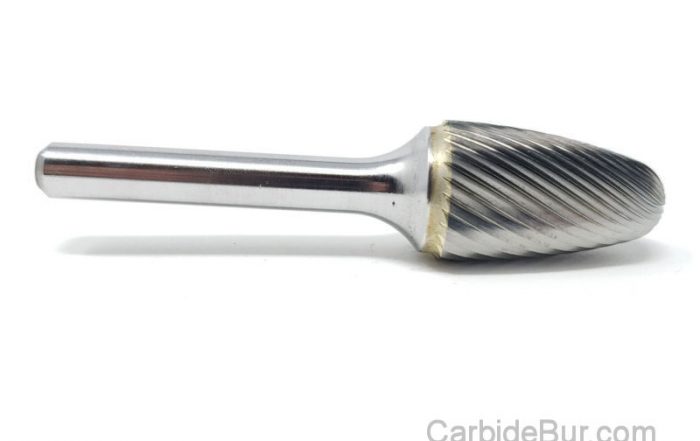
How to Grind a Groove in Metal With a Carbide Burr
How to Grind a Groove in Metal With a Carbide Burr Most metalworkers struggle to cut clean grooves without wasting time or ruining their workpiece. Many try different metalworking tools but end up with uneven [...]
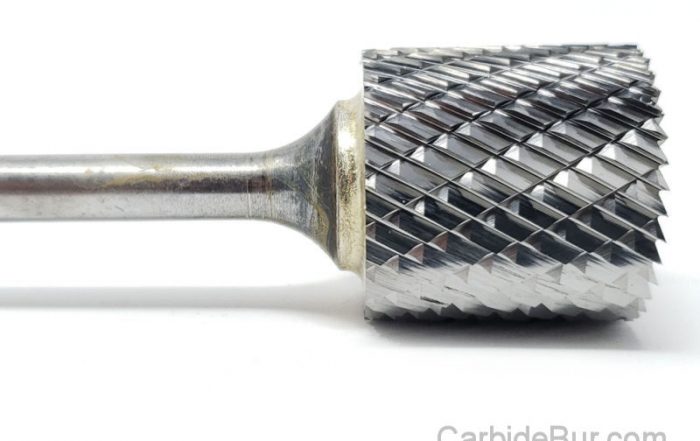
Can Carbide Burrs Cut Through Welds?
Can Carbide Burrs Cut Through Welds? Cutting through welds can feel like a battle, especially when you need clean results without harming the base metal. Carbide burrs offer a sharp edge in this fight, but [...]
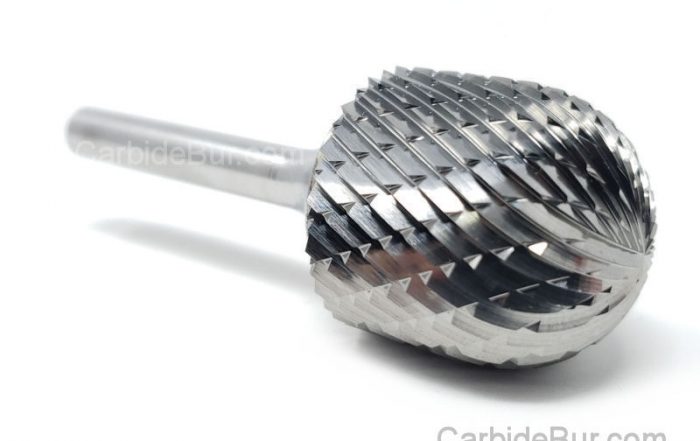
How to Use a Carbide Burr With a Die Grinder
How to Use a Carbide Burr With a Die Grinder Most people treat a carbide burr like just another tool, but using it with a die grinder takes skill. If you’ve struggled with burr installation [...]
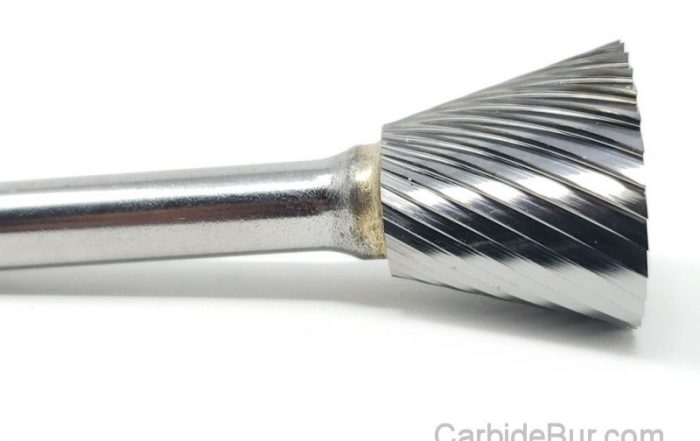
1/8 vs 1/4 Inch Carbide Burrs: What’s the Difference?
1/8 vs 1/4 Inch Carbide Burrs: What's the Difference? Choosing between a 1/8 inch carbide burr and a 1/4 inch carbide burr can change how your project turns out. Many machinists and hobbyists overlook how [...]
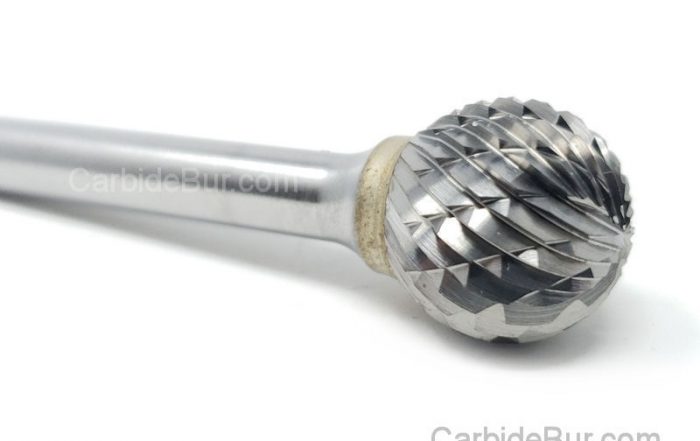
Best Carbide Burr for Removing Flash From Castings
Best Carbide Burr for Removing Flash From Castings Removing flash from castings is a task that can slow down your entire metalworking process if you don’t have the right tools. Picking the best carbide burr [...]
