
Elevate Your Cooking Game: Selecting the Best Cast Iron Burr
Most people think any burr will do when it comes to cast iron grinding. That’s why so many struggle with uneven surfaces and faster wear on their pans. Choosing the best burr for cast iron makes a huge difference in your cast iron maintenance routine and the lifespan of your cookware. Let’s break down what burr types for cast iron actually work and why they matter to your kitchen. For more information, you can check out this guide on burr bits.
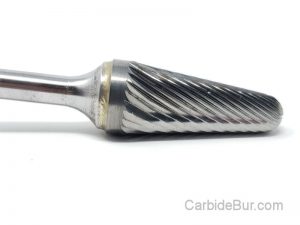
Have you tried using carbide burr tools for your job?
Understanding Cast Iron Burrs
Choosing the right burr can greatly impact your cast iron cookware’s performance and longevity. Let’s explore why this choice holds such importance.
Importance of a Quality Burr
A quality burr makes all the difference. It helps in achieving smooth surfaces, reducing the risks of uneven cooking. This, in turn, ensures better heat distribution. If you’re using cast iron regularly, a good burr is essential. Poor quality burrs might damage your pans, leading to costly replacements. When you opt for a high-quality burr, you are investing in the longevity of your cookware.
How Burrs Affect Cooking Performance
The burr you choose affects how well your cast iron performs. A well-maintained burr can improve cooking by ensuring even heat distribution. It helps eliminate hotspots that can burn food. Uneven surfaces can also cause food to stick, ruining your culinary creations. By selecting the right burr, you can enhance your cooking experience. That translates to delicious meals and hassle-free kitchen time.
Key Characteristics of Cast Iron Burrs
What makes a burr effective? Key characteristics include material durability and design. Tungsten carbide burrs, for example, are known for their strength and longevity. They are designed to withstand the pressure of grinding cast iron. Choose burrs with sharp, well-spaced teeth for efficient removal of material. This ensures your cast iron remains in top condition, ready for your next culinary adventure.
Types of Burrs for Cast Iron
There are various burr types available. Let’s compare them to help you make the best choice for your needs.
Comparing Different Burr Types
Different burrs serve different purposes. For cast iron, tungsten carbide burrs are popular. They are known for their durability and efficiency. Other options include stainless steel burrs, which are less durable but still effective. Each type has its pros and cons. Consider your specific needs and budget when making a choice. For more insights, check out this comparison of burr types.
Choosing the Right Burr for Your Needs
Selecting the right burr involves considering your cooking habits and cookware. If you frequently use cast iron, investing in a durable burr is wise. Look for burrs specifically designed for heavy-duty grinding. They might be pricier but offer better performance. If cast iron is only occasionally used, a mid-range burr can suffice. Assess your needs and choose accordingly for the best results.
Pros and Cons of Popular Burr Types
Each burr type comes with its own advantages and drawbacks. Tungsten carbide burrs, while durable, can be more costly. Stainless steel burrs are less expensive but may wear out faster. Weigh the pros and cons based on your usage and budget. By understanding each type’s benefits and limitations, you can make an informed decision.
Techniques for Effective Cast Iron Grinding
Proper grinding techniques can enhance your cast iron’s performance. Let’s explore best practices and common pitfalls.
Best Practices for Grinding
Effective grinding begins with using the right tools and techniques. Ensure your burr is sharp and well-maintained. Apply consistent pressure while grinding, and work in circular motions. This helps achieve an even surface. Regular maintenance of your burr is essential to keep it in optimal condition.

Common Mistakes to Avoid
Avoid these mistakes when grinding your cast iron:
-
Using excessive pressure: It can damage the cookware.
-
Skipping maintenance: Dull burrs reduce efficiency.
-
Ignoring safety: Always wear protective gear.
Being mindful of these pitfalls ensures better results and prolongs the life of your cookware.
Maintaining Consistent Results
Consistency is key when it comes to grinding. Regularly check your burr’s sharpness and replace it as needed. Follow a routine maintenance schedule. This helps maintain optimal performance and extends the life of your cookware. For more on these techniques, refer to this essential guide.
Cast Iron Maintenance Tips
Proper maintenance is crucial for extending your cast iron’s life. Let’s explore cleaning, seasoning, and troubleshooting tips.
Cleaning and Seasoning Your Cast Iron
Regular cleaning and seasoning keep your cast iron in prime condition. Wash with warm water and a soft brush. Avoid harsh detergents, as they can strip seasoning. After washing, apply a thin layer of oil and heat the pan. This process helps maintain the non-stick surface. By doing so, your cookware remains functional and ready for use.
Long-Term Care for Cast Iron
Long-term care involves regular checks for rust and damage. Store your cast iron in a dry place to prevent rusting. Use protective covers to shield them from moisture. Periodically re-season your pans to maintain their non-stick quality. This ensures your cookware remains functional for years to come.
Troubleshooting Cast Iron Issues
If issues arise, troubleshoot them promptly. For rust, scrub with steel wool and re-season. If food sticks, adjust your seasoning process. Regular checks and maintenance can prevent most issues. By staying proactive, you can ensure your cast iron stays in excellent condition.
Building Your Cast Iron Collection
Thinking of expanding your collection? Here are tips for selecting and shopping for quality cast iron pieces.
Selecting the Best Cast Iron Pieces
Look for pieces with even surfaces and sturdy handles. Assess the weight; good cast iron should feel substantial. Check for smooth finishes, which indicate quality craftsmanship. Investing in reputable brands can ensure reliability and performance. This way, you’re building a collection that will serve you well.
Shopping Tips for Quality Cast Iron
When shopping, inspect each piece carefully. Look for consistency in design and finish. If possible, buy from specialized retailers with knowledgeable staff. They can offer guidance and recommendations. By doing so, you make informed choices that add value to your collection. If you’re unsure, seek advice here.
Benefits of Investing in Cast Iron
Investing in cast iron offers numerous benefits. It provides excellent heat retention and distribution. Durable cast iron lasts for generations with proper care. They’re versatile, suitable for various cooking methods. By choosing cast iron, you’re investing in quality and performance for your kitchen. The longer you wait, the more you miss out on these benefits.
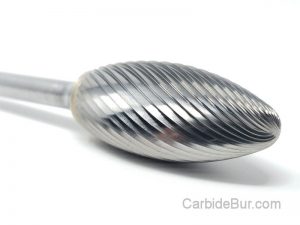
Looking for Carbide Bur Tools?
Check out our entire selection of USA made carbide bur die grinder tool bits
Follow us on Twitter

Return to CarbideBur.com
Carbide Burs – 1/4″ on 1/8″ Shanks – Accessories – Aluminum Cut – Bur Sets – End Mills – Long Shank – Solid Burs
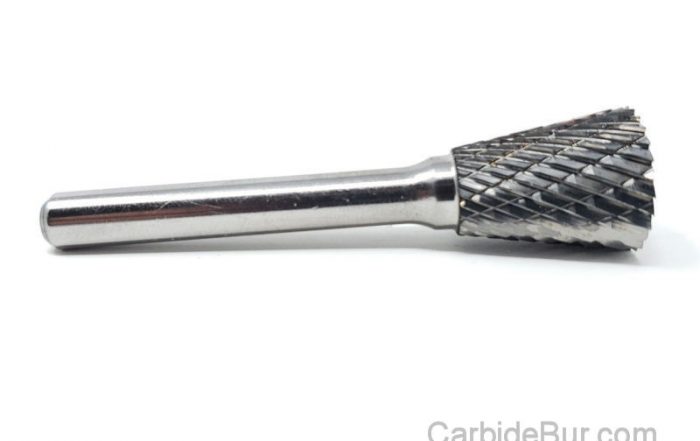
Carbide Burrs for Removing Rust: What Works Best?
Carbide Burrs for Removing Rust: What Works Best? Rust can turn your favorite tools into useless junk faster than you expect. Removing it without ruining the metal underneath takes more than just elbow grease—it demands [...]
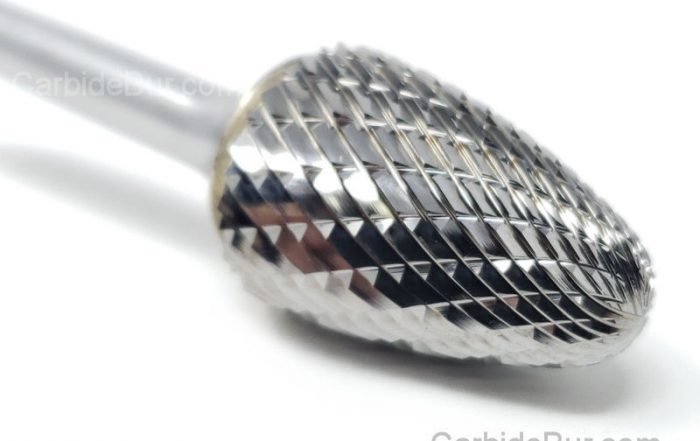
How Much Pressure Should You Use With a Carbide Burr?
How Much Pressure Should You Use With a Carbide Burr? Most people think pressing harder with a carbide burr speeds up the job. That’s not true—too much pressure wears out your tool and ruins the [...]
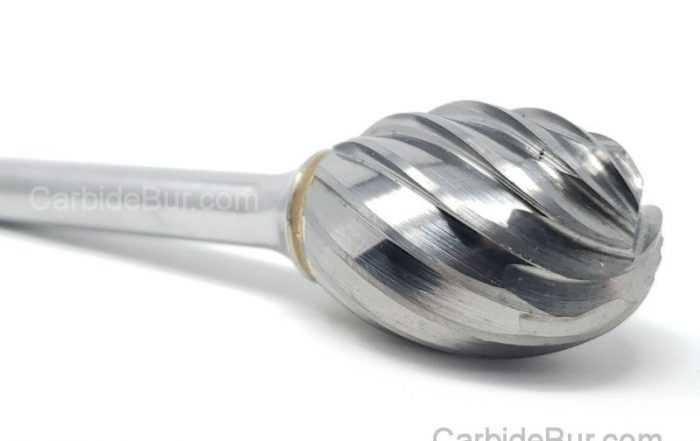
Can You Use Carbide Burrs With an Air Die Grinder?
Can You Use Carbide Burrs With an Air Die Grinder? Most people don’t realize how well carbide burrs work with air die grinders until they try them. If you’ve ever struggled with finding the right [...]
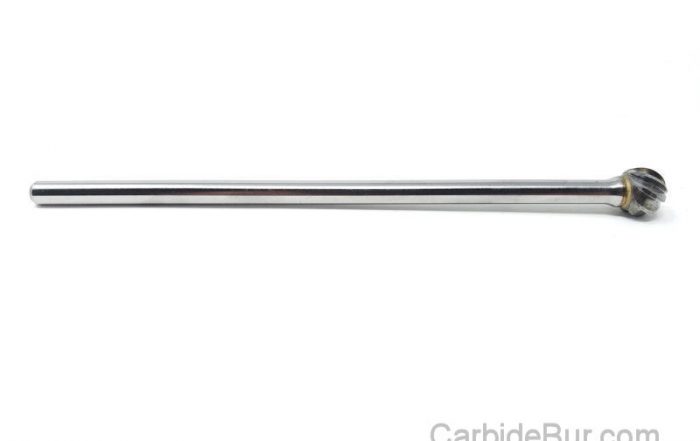
Best Long Reach Carbide Burr for Deep Metal Work
Best Long Reach Carbide Burr for Deep Metal Work Long reach carbide burrs often promise deep metal access, but many fall short where it counts most. You need a tool that cuts cleanly, lasts through [...]
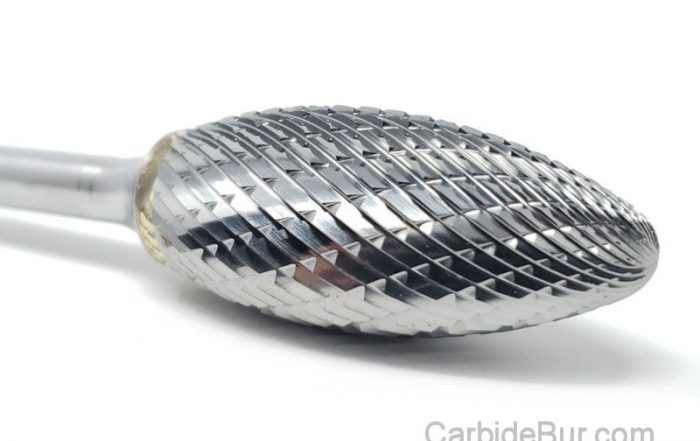
What RPM Should You Use for a 1/8 Inch Carbide Burr?
What RPM Should You Use for a 1/8 Inch Carbide Burr? Most people guess the right carbide burr RPM by feel—and waste hours redoing work. If you want cleaner cuts and longer tool life, your [...]
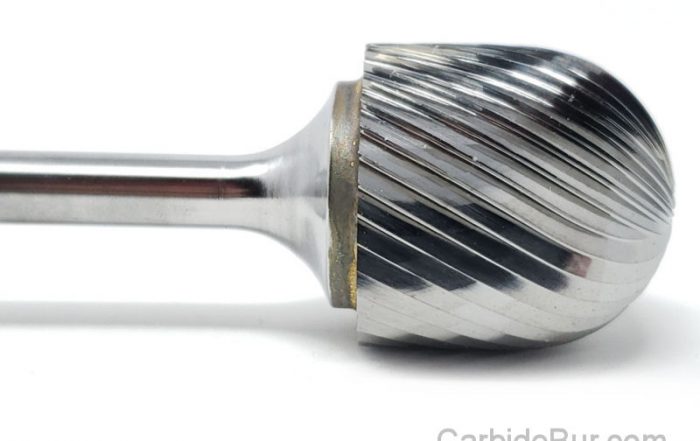
Carbide Burrs for Tight Spaces: Choosing the Right Shape
Carbide Burrs for Tight Spaces: Choosing the Right Shape Tackling tight spaces with the wrong carbide burrs wastes time and risks damaging your work. Choosing the right burr shape makes all the difference when working [...]
Can Carbide Burrs Remove Paint From Metal?
Can Carbide Burrs Remove Paint From Metal? Stripping paint from metal often feels like a tough chore that risks damaging the surface underneath. Many turn to carbide burrs hoping they can speed things up without [...]
How to Grind a Groove in Metal With a Carbide Burr
How to Grind a Groove in Metal With a Carbide Burr Most metalworkers struggle to cut clean grooves without wasting time or ruining their workpiece. Many try different metalworking tools but end up with uneven [...]
Can Carbide Burrs Cut Through Welds?
Can Carbide Burrs Cut Through Welds? Cutting through welds can feel like a battle, especially when you need clean results without harming the base metal. Carbide burrs offer a sharp edge in this fight, but [...]
How to Use a Carbide Burr With a Die Grinder
How to Use a Carbide Burr With a Die Grinder Most people treat a carbide burr like just another tool, but using it with a die grinder takes skill. If you’ve struggled with burr installation [...]
1/8 vs 1/4 Inch Carbide Burrs: What’s the Difference?
1/8 vs 1/4 Inch Carbide Burrs: What's the Difference? Choosing between a 1/8 inch carbide burr and a 1/4 inch carbide burr can change how your project turns out. Many machinists and hobbyists overlook how [...]
Best Carbide Burr for Removing Flash From Castings
Best Carbide Burr for Removing Flash From Castings Removing flash from castings is a task that can slow down your entire metalworking process if you don’t have the right tools. Picking the best carbide burr [...]
