
The Essential Role of Carbide Burs in Metal Fabrication and Weld Finishing
In the world of metal fabrication, achieving precision and beauty in welds is a craft that requires the right tools and techniques. Carbide burs have emerged as indispensable aids, helping welders meet the high standards of quality and aesthetics demanded by the industry. These versatile tools play a crucial role in smoothing out imperfections, refining welds, and ensuring that every piece not only meets but exceeds welding standards. By efficiently removing excess material and providing a polished finish, carbide burs help transform raw metal into stunning works of art. As we explore the essential function of these weld finishing tools, we’ll see how they contribute to crafting quality welds that are both functional and visually appealing. For more insights, visit this resource. ## Understanding Carbide Burs
Carbide burs are essential tools in metal fabrication, used for a variety of tasks from cutting to shaping. Their versatility and durability make them a preferred choice among professionals. In this section, we explore what they are, the different types available, and how they compare to other tools.
Check out all our USA made carbide bur cutting tools here
What Are Carbide Burs?
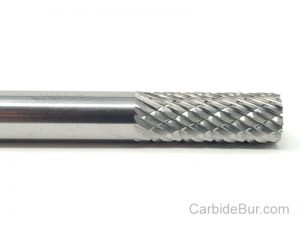
Carbide burs are rotary tools used for cutting, shaping, grinding, and removing material. Made from tungsten carbide, these tools are incredibly hard and maintain their sharpness longer than steel tools.
-
Durability: Carbide burs can withstand high temperatures and are resistant to wear, making them ideal for heavy-duty tasks.
-
Precision: They offer high precision, essential for detailed work in metal fabrication.
-
Applications: Used in various industries, including automotive, aerospace, and metalworking.
For more details, visit this resource.
Types of Carbide Burs
There are several types of carbide burs, each suited for specific tasks. The main types include:
-
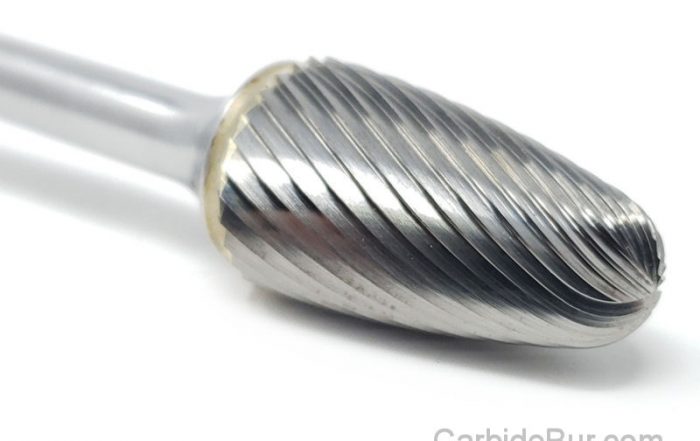
Cylinder Burs: Ideal for removal of sharp edges and deburring in small spaces.
-
Ball Burs: Used for precise contouring and carving.
-
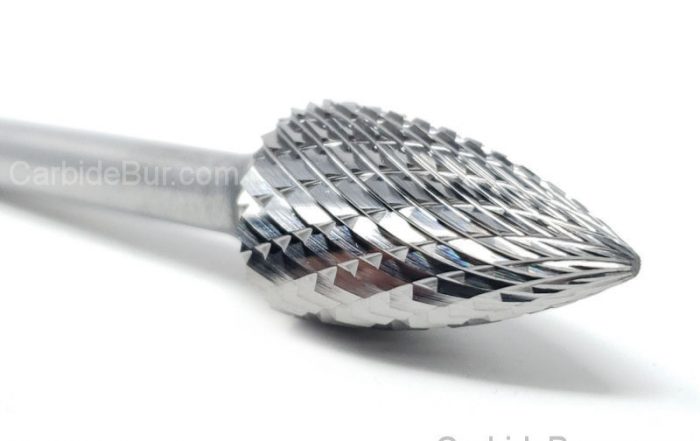
Tree Burs: Perfect for rounding off edges and surface shaping.
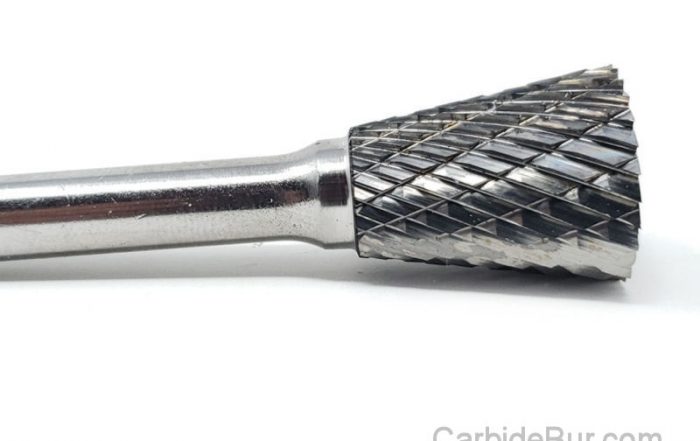
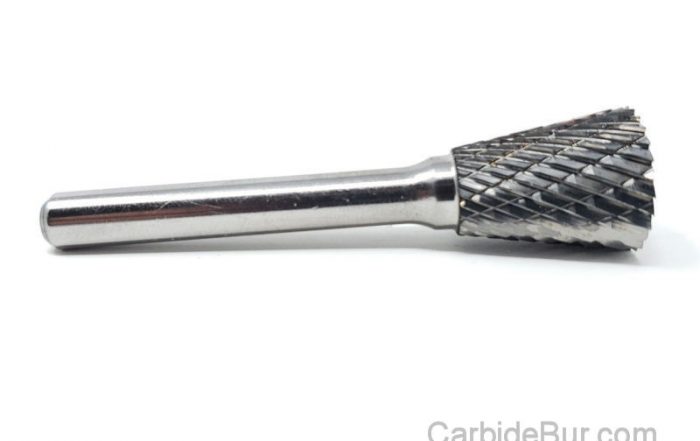
Each type has unique fluting designs that enhance performance for specific applications. For an in-depth look at these types, check this article.
Carbide Burs vs Other Tools
|
Tool Type |
Durability |
Precision |
Cost |
|---|---|---|---|
|
Carbide Burs |
High |
High |
Moderate |
|
Steel Burs |
Low |
Moderate |
Low |
|
Diamond Burs |
Very High |
Very High |
High |
Carbide burs offer a balance of durability and precision at a moderate cost, making them a popular choice. In contrast, steel burs are less durable, while diamond burs, though precise, are more expensive.
Check out all our USA made carbide bur cutting tools here
Importance in Metal Fabrication
Carbide burs play a pivotal role in enhancing the precision and quality of metal fabrication. They help craftsmen achieve the exact specifications required in welding and related processes.
Enhancing Metal Precision
Precision is critical in metal fabrication. Carbide burs assist in achieving fine tolerances and smooth finishes.
-
Accuracy: These tools allow for accurate cutting and shaping, essential for complex designs.
-
Consistency: Provide consistent results across various metal types.
-
Flexibility: Suitable for hard metals and alloys.
The use of carbide burs streamlines processes, ensuring high-quality outcomes. Learn more at Beyond Burr Basics.
Role in Quality Welds
For quality welds, tools must prepare the surface correctly. Carbide burs:
-
Remove imperfections and prepare surfaces for welding.
-
Ensure smooth transitions between welded sections.
-
Maintain the integrity of the metal structure.
These attributes are crucial for meeting welding standards and enhancing the longevity of metal products.
Meeting Welding Standards
Adhering to industry standards is vital in welding. Carbide burs help ensure compliance by preparing metal surfaces effectively.
Industry Regulations Explained
Welding standards govern the quality and safety of welding practices. They include:
-
Material specifications: Types of metals and appropriate treatments.
-
Process guidelines: Techniques and tools for achieving desired outcomes.
-
Safety protocols: Ensuring the safety of welders and the environment.
Understanding these standards helps professionals deliver high-quality, safe welds.
Ensuring Compliance with Carbide Burs
Carbide burs ensure compliance by:
-
Preparing metal surfaces to meet specific industry standards.
-
Removing excess material efficiently.
-
Creating clean edges and surfaces for optimal weld quality.
For more insights on compliance, read this article.
Achieving Aesthetic Welds
Aesthetic welds are as crucial as functional ones, especially in visible applications. Carbide burs contribute significantly to this aspect.
Tools for Perfect Finishing
The right tools are essential for achieving a polished finish. Carbide burs provide:
-
Smooth surface finishes with minimal effort.
-
Precise detailing capabilities.
-
Versatility across different metal types.
They are indispensable for achieving both functional and aesthetic excellence.
Techniques for Visual Appeal
-
Use appropriate burs for each task to ensure smooth finishes.
-
Apply consistent pressure for uniform results.
-
Regularly inspect and replace worn burs to maintain quality.
These techniques ensure that welds not only meet but exceed aesthetic expectations.
Boosting Productivity
Productivity in metal fabrication is about efficiency and effectiveness. Carbide burs are crucial in achieving both.
Streamlining Metal Fabrication
Carbide burs streamline operations by:
-
Reducing time spent on surface preparation.
-
Minimizing the need for additional tools.
-
Enhancing the quality of the final product.
This efficiency translates into cost savings and improved productivity.
Efficient Weld Finishing Tools
Carbide burs are efficient tools for weld finishing due to their:
-
High cutting speed: Enables quick material removal.
-
Long lifespan: Reduces tool change frequency.
-
Versatility: Suitable for various metal types and thicknesses.
For more information, visit this page.
Check out all our USA made carbide bur cutting tools here

Can You Use a Carbide Burr With an Electric Die Grinder?
Can You Use a Carbide Burr With an Electric Die Grinder? Most people don’t realize how much a carbide burr can change the way an electric die grinder works. Using the right burr type can [...]
How to Deburr Holes With a Carbide Burr
How to Deburr Holes With a Carbide Burr Most people think any tool will do for deburring holes. The truth is, using the right carbide burr with the correct size and shape changes everything. In [...]
How to Choose the Correct Carbide Burr Shank Size
How to Choose the Correct Carbide Burr Shank Size Many machinists lose hours troubleshooting tool issues caused by the wrong carbide burr shank size. Using a shank that doesn’t fit your grinder can lead to [...]
How to Remove Casting Flash With a Carbide Burr
How to Remove Casting Flash With a Carbide Burr Casting flash ruins the look and fit of your metal parts. You’ve tried sanding or grinding, but the results aren’t clean or fast enough. Learning how [...]
Best Carbide Burr for Enlarging a Hole in Metal
Best Carbide Burr for Enlarging a Hole in Metal When you need to enlarge a hole in metal, grabbing the wrong carbide burr can turn a simple task into a frustrating mess. Picking the best [...]
Carbide Burr Safety: 15 Mistakes That Can Cause Injury or Damage
Carbide Burr Safety: 15 Mistakes That Can Cause Injury or Damage Carbide burr safety is often overlooked until a costly mistake happens. Many metalworkers and DIYers make the same errors that lead to injuries or [...]
Can You Use a Carbide Burr in a Drill?
Can You Use a Carbide Burr in a Drill? Most people think a standard drill can’t handle a carbide burr, but that’s not true. Using carbide burr in the right drill can speed up your [...]
Carbide Burrs for Removing Rust: What Works Best?
Carbide Burrs for Removing Rust: What Works Best? Rust can turn your favorite tools into useless junk faster than you expect. Removing it without ruining the metal underneath takes more than just elbow grease—it demands [...]
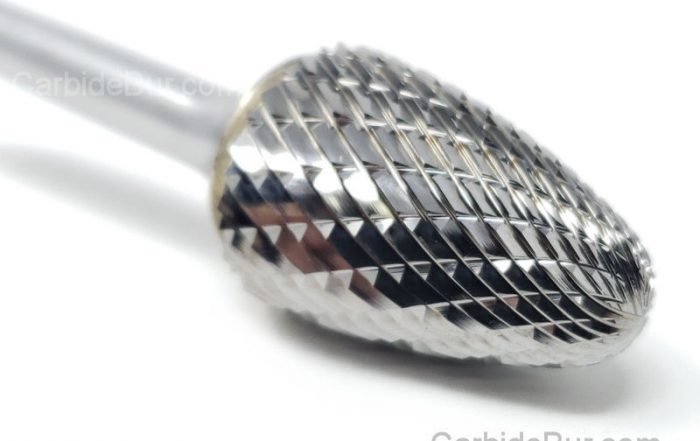
How Much Pressure Should You Use With a Carbide Burr?
How Much Pressure Should You Use With a Carbide Burr? Most people think pressing harder with a carbide burr speeds up the job. That’s not true—too much pressure wears out your tool and ruins the [...]
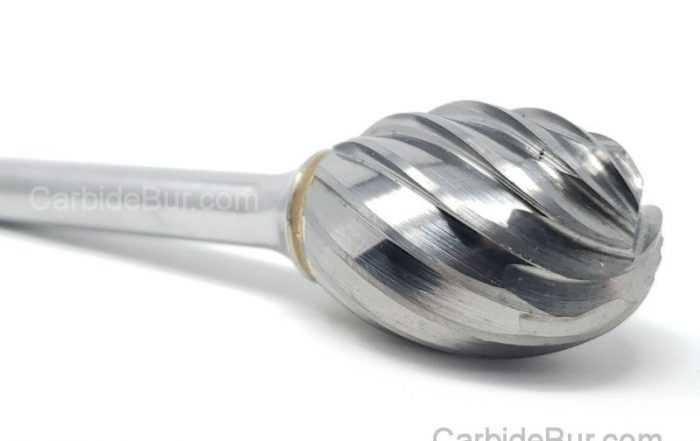
Can You Use Carbide Burrs With an Air Die Grinder?
Can You Use Carbide Burrs With an Air Die Grinder? Most people don’t realize how well carbide burrs work with air die grinders until they try them. If you’ve ever struggled with finding the right [...]
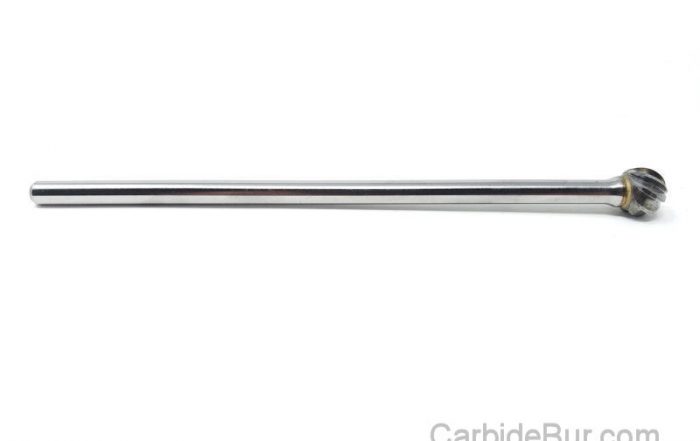
Best Long Reach Carbide Burr for Deep Metal Work
Best Long Reach Carbide Burr for Deep Metal Work Long reach carbide burrs often promise deep metal access, but many fall short where it counts most. You need a tool that cuts cleanly, lasts through [...]
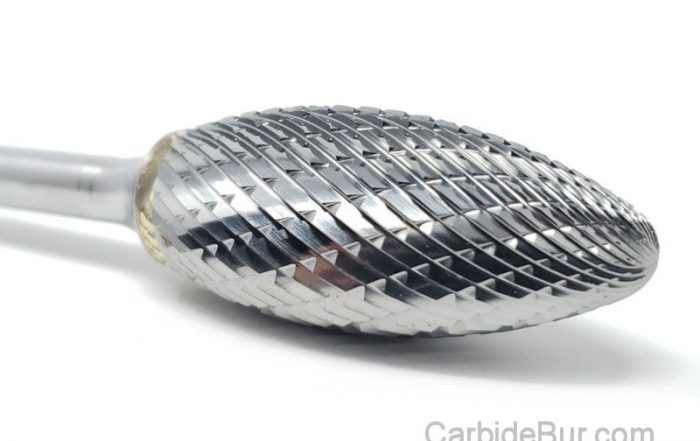
What RPM Should You Use for a 1/8 Inch Carbide Burr?
What RPM Should You Use for a 1/8 Inch Carbide Burr? Most people guess the right carbide burr RPM by feel—and waste hours redoing work. If you want cleaner cuts and longer tool life, your [...]
