
Unlocking Precision: When to Use Carbide Burs vs Diamond Burs in Your Manufacturing Process
Precision in manufacturing isn’t just a goal—it’s a necessity. Yet, choosing between carbide burs and diamond burs can feel like navigating a maze. Each type holds its own secrets in tool performance, where carbide shines in cutting and diamond excels in grinding. But how do you decide which one suits your needs? In this comparison, you’ll discover the distinct advantages and specific applications that make these cutting tools and grinding tools indispensable in precision machining. Dive in to master the art of choosing the right bur for your material.

Choosing Between Carbide and Diamond Burs
In the world of precision machining, selecting the right tool is crucial for achieving the desired results. Carbide and diamond burs are two of the most commonly used tools, each with unique qualities. Understanding the nuances of these burs can significantly impact your manufacturing outcomes. Here, we delve into their specific characteristics to help you make an informed decision.
Understanding Carbide Burs
Carbide burs are known for their cutting ability. They are made from tungsten carbide, a material recognized for its hardness and durability. This makes them ideal for cutting through metals and other hard materials.
Carbide burs offer several advantages:
-
Durability: They last longer than many other tools.
-
Efficiency: They can cut faster, reducing production time.
-
Flexibility: Suitable for a variety of materials.
For a deeper dive into their application, check out this guide.
Exploring Diamond Burs
Diamond burs excel in grinding and smoothing applications. Embedded with diamond particles, these burs provide precision and a fine finish, making them ideal for delicate materials.
Benefits include:
-
Finishing: Offers a smoother finish compared to carbide burs.
-
Precision: Ideal for detailed work.
-
Versatility: Suitable for a range of materials.
Explore more details about their advantages on the Eagle Dental blog.
Burs Comparison for Precision
When comparing carbide and diamond burs, several factors determine their suitability for specific tasks. Here’s a concise comparison:
|
Feature |
Carbide Burs |
Diamond Burs |
|---|---|---|
|
Primary Use |
Cutting |
Grinding |
|
Durability |
High |
Moderate |
|
Finish |
Rougher |
Smoother |
For more insights, visit Bur Dental’s detailed breakdown.
Applications and Tool Performance
The performance of burs in different applications is critical for optimizing manufacturing processes. Understanding how each type performs with various materials can guide your selection.
Cutting Tools for Various Materials
Carbide burs are preferred for cutting due to their robustness. They perform well across different materials, from metals to composites.
Benefits of using carbide burs include:
-
Hard materials: Best for metals and dense composites.
-
Long lifespan: Withstands high temperatures.
-
Efficiency: Fast cutting speeds.
Refer to this study for performance data.
Grinding Tools for Smooth Finishes
For applications requiring a smooth finish, diamond burs are unmatched. They offer precision and a high-quality surface on softer materials.
Key attributes:
-
Fine finishes: Leaves surfaces smooth and polished.
-
Delicate materials: Ideal for ceramics and glass.
-
Precision: Suitable for intricate work.
Explore more about their application in this article.
Achieving Precision Machining
Precision machining requires choosing the right tool for the material and task. Both carbide and diamond burs have roles to play.
Tips for achieving precision:
-
Material match: Select according to the material’s hardness.
-
Task alignment: Choose cutting for carbide, grinding for diamond.
-
Tool maintenance: Regular checks ensure optimal performance.
For further insights, see this comprehensive guide.
Advantages in Manufacturing
Understanding the advantages of carbide and diamond burs helps optimize manufacturing efficiency and precision. Each type has scenarios where it excels.
Situations Favoring Carbide Burs
Carbide burs shine in situations where durability and speed are crucial. They excel in cutting applications due to their hardness and longevity.
Advantages include:
-
High-speed operations: Suitable for rapid production.
-
Cost-effective: Long lifespan reduces tool replacement costs.
-
Heat resistance: Performs well under high temperatures.
For specific use cases, refer to this detailed analysis.
When Diamond Burs Shine
Diamond burs are advantageous in scenarios demanding precision and a smooth finish. They are ideal for detailed work and delicate materials.
Key benefits:
-
Precision work: Perfect for intricate designs.
-
Smooth surfaces: Best for finishing touches.
-
Versatility: Works on a range of soft materials.
For more information, consult this source.
Balancing Efficiency and Precision
Balancing efficiency and precision in manufacturing requires a strategic approach to tool selection. Both carbide and diamond burs have their place.
Considerations for balance:
-
Task requirements: Align tool use with specific needs.
-
Material properties: Match burs to material type.
-
Cost vs. benefit: Weigh long-term efficiency against initial cost.
For an in-depth comparison, visit Bur Dental’s guide.
By carefully considering the role of each bur type, manufacturers can enhance their production processes and achieve desired outcomes.
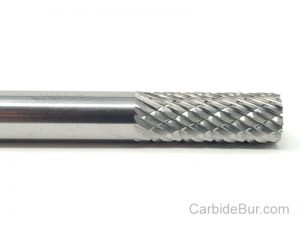
Check out all our USA made carbide bur cutting tools here

Can You Use a Carbide Burr With an Electric Die Grinder?
Can You Use a Carbide Burr With an Electric Die Grinder? Most people don’t realize how much a carbide burr can change the way an electric die grinder works. Using the right burr type can [...]
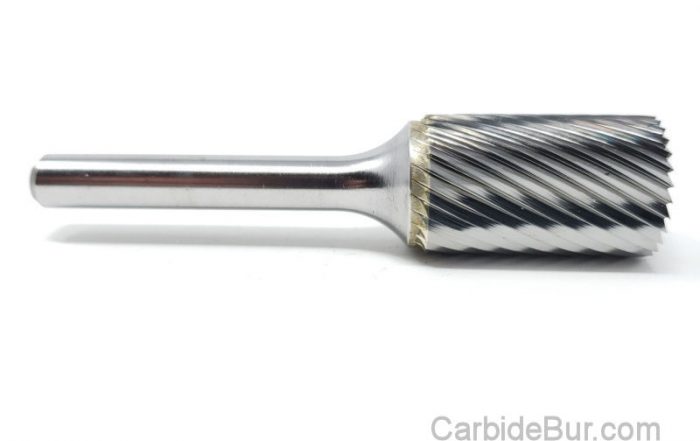
How to Deburr Holes With a Carbide Burr
How to Deburr Holes With a Carbide Burr Most people think any tool will do for deburring holes. The truth is, using the right carbide burr with the correct size and shape changes everything. In [...]
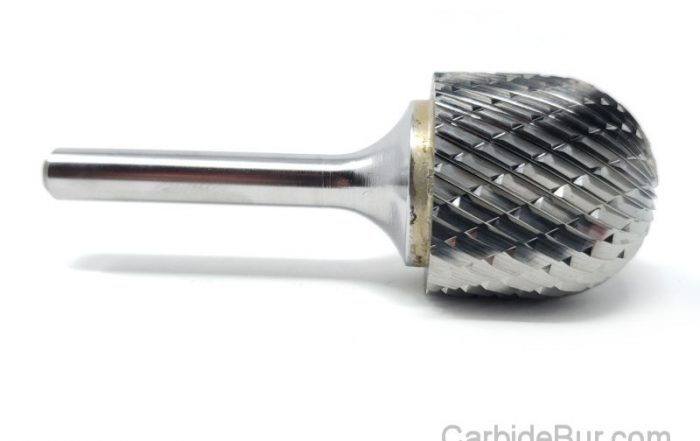
How to Choose the Correct Carbide Burr Shank Size
How to Choose the Correct Carbide Burr Shank Size Many machinists lose hours troubleshooting tool issues caused by the wrong carbide burr shank size. Using a shank that doesn’t fit your grinder can lead to [...]
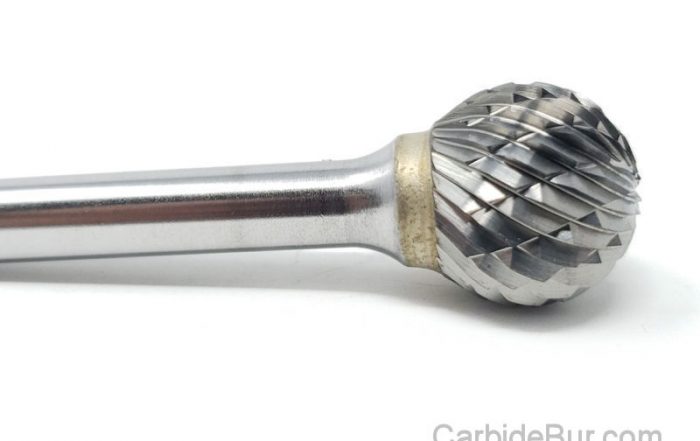
How to Remove Casting Flash With a Carbide Burr
How to Remove Casting Flash With a Carbide Burr Casting flash ruins the look and fit of your metal parts. You’ve tried sanding or grinding, but the results aren’t clean or fast enough. Learning how [...]
Best Carbide Burr for Enlarging a Hole in Metal
Best Carbide Burr for Enlarging a Hole in Metal When you need to enlarge a hole in metal, grabbing the wrong carbide burr can turn a simple task into a frustrating mess. Picking the best [...]
Carbide Burr Safety: 15 Mistakes That Can Cause Injury or Damage
Carbide Burr Safety: 15 Mistakes That Can Cause Injury or Damage Carbide burr safety is often overlooked until a costly mistake happens. Many metalworkers and DIYers make the same errors that lead to injuries or [...]
Can You Use a Carbide Burr in a Drill?
Can You Use a Carbide Burr in a Drill? Most people think a standard drill can’t handle a carbide burr, but that’s not true. Using carbide burr in the right drill can speed up your [...]
Carbide Burrs for Removing Rust: What Works Best?
Carbide Burrs for Removing Rust: What Works Best? Rust can turn your favorite tools into useless junk faster than you expect. Removing it without ruining the metal underneath takes more than just elbow grease—it demands [...]
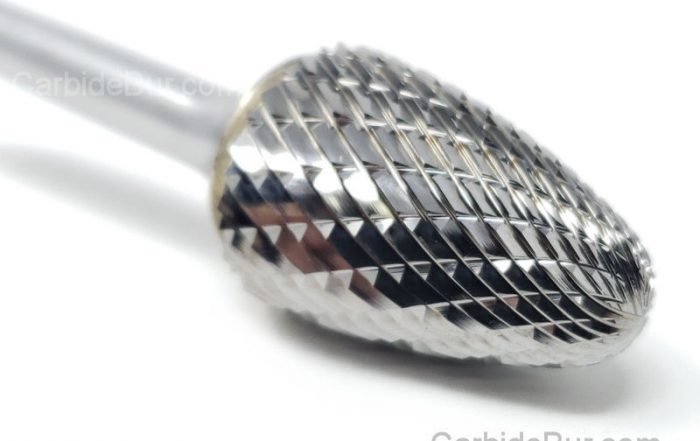
How Much Pressure Should You Use With a Carbide Burr?
How Much Pressure Should You Use With a Carbide Burr? Most people think pressing harder with a carbide burr speeds up the job. That’s not true—too much pressure wears out your tool and ruins the [...]
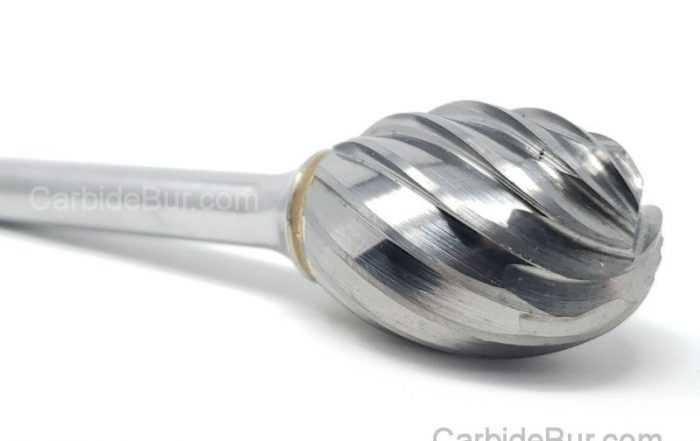
Can You Use Carbide Burrs With an Air Die Grinder?
Can You Use Carbide Burrs With an Air Die Grinder? Most people don’t realize how well carbide burrs work with air die grinders until they try them. If you’ve ever struggled with finding the right [...]
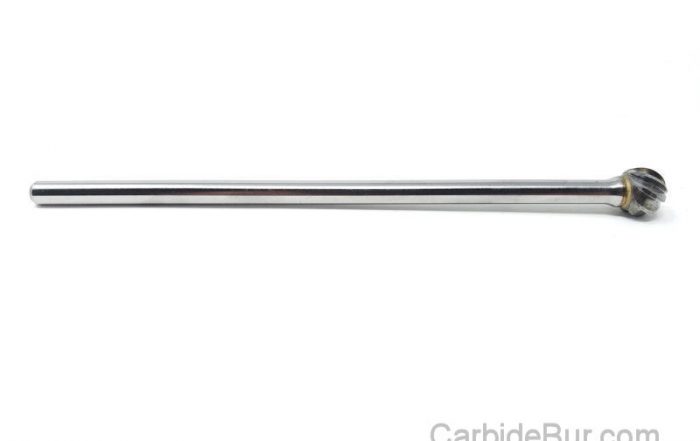
Best Long Reach Carbide Burr for Deep Metal Work
Best Long Reach Carbide Burr for Deep Metal Work Long reach carbide burrs often promise deep metal access, but many fall short where it counts most. You need a tool that cuts cleanly, lasts through [...]
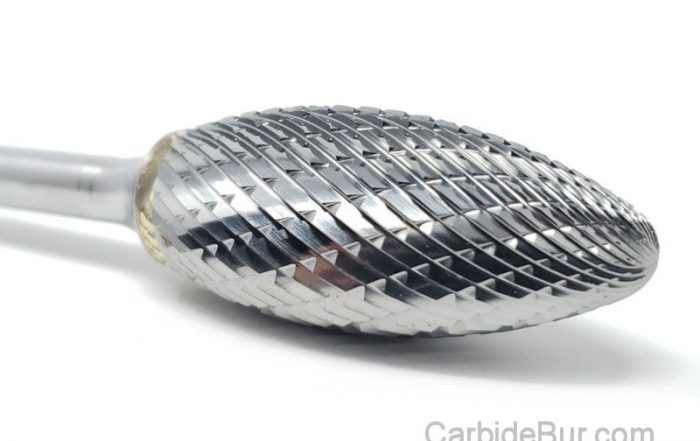
What RPM Should You Use for a 1/8 Inch Carbide Burr?
What RPM Should You Use for a 1/8 Inch Carbide Burr? Most people guess the right carbide burr RPM by feel—and waste hours redoing work. If you want cleaner cuts and longer tool life, your [...]
