
The Science of Airflow: How Carbide Burs Boost Engine Performance
Most mechanics miss how subtle changes in tool shapes affect airflow science inside engines. Carbide burs, when chosen right, can boost engine efficiency by fine-tuning flow dynamics. You’ll learn bur shape tips that balance velocity and volume without compromise—giving your engine the edge it needs. Learn more about the role of carbide burs in engine porting.

Understanding Airflow Science
Grasping airflow science is crucial to unlocking the potential of your engine. It sets the stage for amazing performance.
Key Principles of Flow Dynamics
Flow dynamics is all about how air moves through an engine. You might think airflows freely, but every twist and turn affects speed and power. Engineers look at things like pressure, resistance, and speed to get it just right.
-
Pressure: More pressure can mean more power, but also more resistance.
-
Resistance: Less resistance means smoother flow, but too little can reduce control.
-
Speed: Faster speed increases power, but can lead to turbulence.
Understanding these can help you see why certain tools, like carbide burs, make a big difference. Discover more about flow dynamics.
Role of Carbide Burs in Engine Efficiency
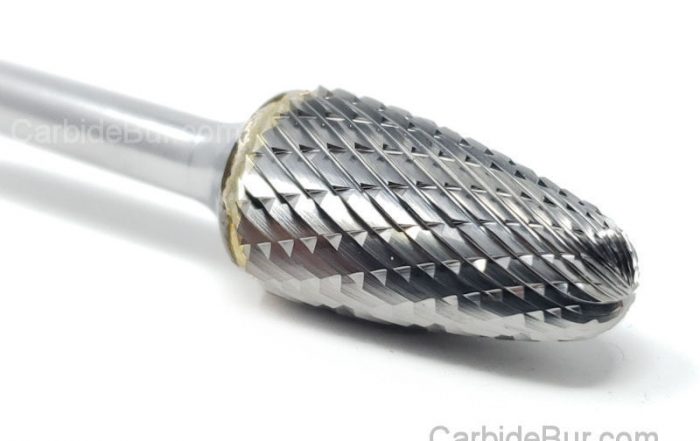
Carbide burs are tiny tools with a big job. They shape and smooth the engine’s pathways, making sure air moves just right. Not all burs are created equal, though. The right shape can make a huge difference.
-
Precision: Carbide burs offer unmatched precision in shaping engine parts.
-
Durability: These tools last longer, reducing the need for frequent replacements.
-
Versatility: Various shapes are available for specific engine needs.
By choosing the right bur, you ensure your engine runs at peak efficiency, maximizing power and performance. Check out how carbide burs work in foundries.
Optimizing Tool Shapes for Performance
Optimizing tool shapes is not just about picking any bur. It’s about finding the perfect match for your engine’s needs.
Velocity and Volume: Finding the Balance
Hitting the right balance between velocity and volume is key. You want air to move quickly without losing power. This balance affects everything from fuel efficiency to engine lifespan.
-
Velocity: Faster airflow can boost power but may cause unwanted heat.
-
Volume: More air means more fuel burn, leading to increased power.
Finding this balance ensures your engine performs smoothly without unnecessary strain. Avoid common mistakes with carbide burs.
Bur Shape Tips for Engineers
Choosing the right bur shape can be tricky, but these tips will help you navigate the options.
-
Assess Needs: Know your engine’s specific requirements before selecting a bur.
-
Experiment: Don’t be afraid to try different shapes to find the best match.
-
Monitor Performance: Regular checks can indicate if a shape is working or if adjustments are needed.
These steps can make a huge difference in your engine’s performance. Explore shape-specific applications here.
In conclusion, understanding airflow science and optimizing tool shapes with carbide burs can make a significant impact on engine efficiency. By focusing on the right balance of velocity and volume, and choosing the appropriate bur shapes, you ensure your engine performs at its best.
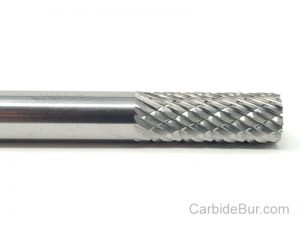
Check out all our USA made carbide bur cutting tools here
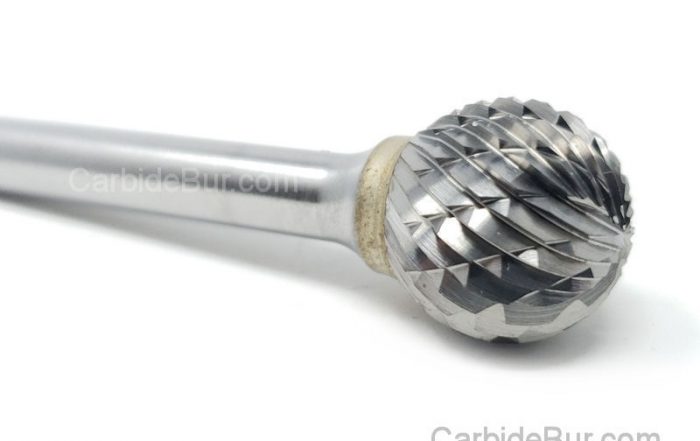
Carbide Burr vs. Grinding Stone: Which Is Better for Metal Removal?
Carbide Burr vs. Grinding Stone: Which Is Better for Metal Removal? When you need to remove metal, smooth a rough edge, or shape a metal component, two common options are carbide burrs and grinding stones. [...]
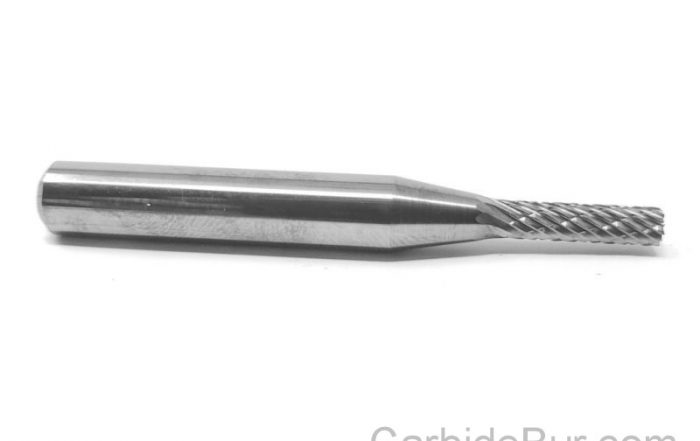
Carbide Burr Safety: RPM, Eye Protection, and Common Mistakes
Carbide Burr Safety: RPM, Eye Protection, and Common Mistakes Carbide burrs are versatile cutting tools used for metal fabrication, welding cleanup, engine porting, deburring, and general material removal. When used correctly, they can help remove [...]
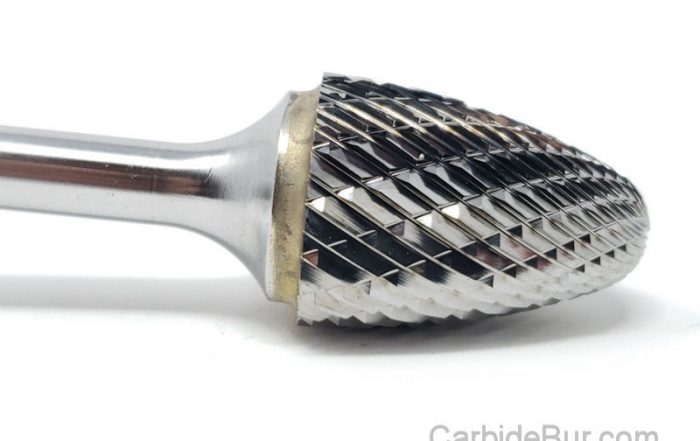
How to Stop Aluminum from Clogging Your Carbide Burr
How to Stop Aluminum from Clogging Your Carbide Burr Aluminum is widely used in automotive work, welding, metal fabrication, aerospace components, and general machining. It is lightweight, relatively easy to machine, and versatile across many [...]
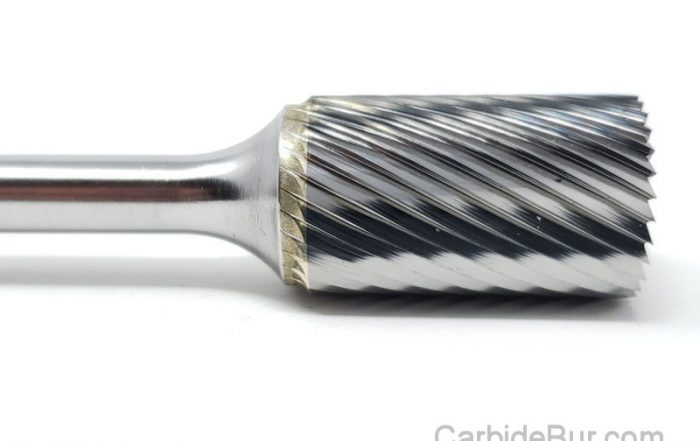
Carbide Burrs for Intake Manifolds: Shaping, Cleanup, and Fitment
Carbide Burrs for Intake Manifolds: Shaping, Cleanup, and Fitment Intake manifold work often involves more than simply bolting a component onto an engine. Depending on the application, metal intake components may have casting irregularities, rough [...]
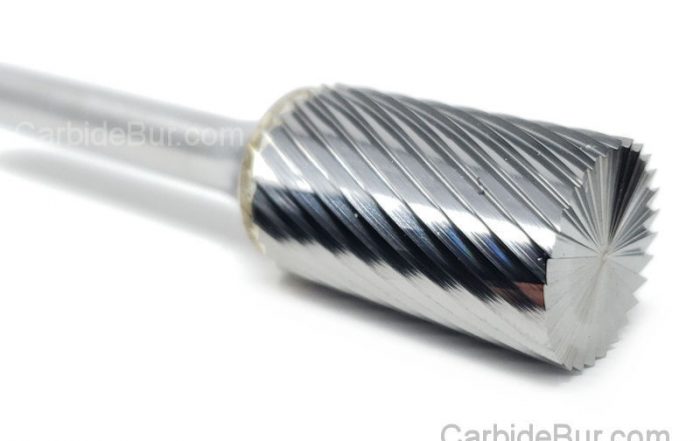
Why Long-Shank Carbide Burrs Are Useful for Hard-to-Reach Areas
Why Long-Shank Carbide Burrs Are Useful for Hard-to-Reach Areas When working on metal parts, the area that needs grinding or shaping is not always easy to reach. Recessed openings, deep cavities, interior surfaces, and complicated [...]
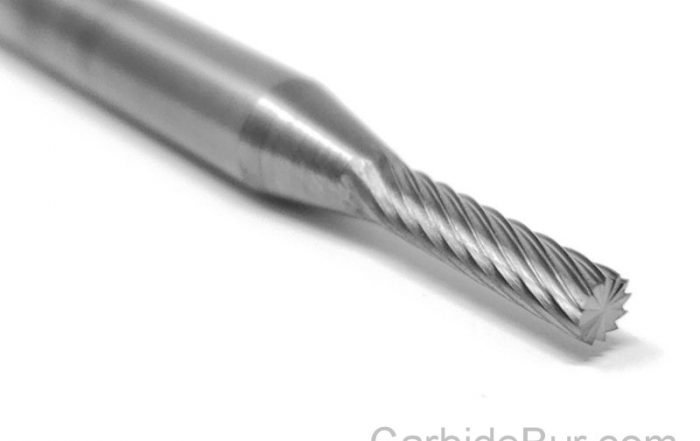
Choosing Carbide Burrs for Stainless Steel Fabrication
Choosing Carbide Burrs for Stainless Steel Fabrication Stainless steel is widely used in fabrication because of its corrosion resistance, strength, and durability. However, those same properties can make it challenging to machine and finish. Removing [...]
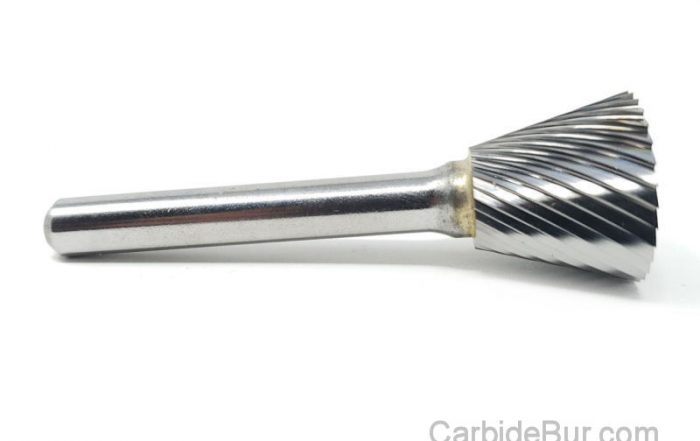
Can You Use Carbide Burrs in a Dremel? Shank Sizes Explained
Can You Use Carbide Burrs in a Dremel? Shank Sizes Explained If you use a Dremel or another rotary tool for detail work, metal shaping, or small fabrication projects, you may wonder whether you can [...]
How to Choose the Best Carbide Burr for Welding and Metal Fabrication
How to Choose the Best Carbide Burr for Welding and Metal Fabrication Welding and metal fabrication often require more than joining two pieces of metal together. Once the welding is finished, fabricators frequently need to [...]
Carbide Burrs for Cylinder Heads: What Automotive Enthusiasts Need to Know
Carbide Burrs for Cylinder Heads: What Automotive Enthusiasts Need to Know Cylinder head work is an important part of engine building, restoration, and performance machining. Whether you are cleaning up casting imperfections, refining port surfaces, [...]
Engine Porting 101: How Carbide Burrs Help Shape Cylinder Head Ports
Engine Porting 101: How Carbide Burrs Help Shape Cylinder Head Ports Engine performance enthusiasts, automotive machinists, and engine builders often look for ways to improve airflow through an engine's cylinder heads. One technique used in [...]
When to Use a 4-Inch or 9-Inch Die Grinder Extension
When to Use a 4-Inch or 9-Inch Die Grinder Extension Metal fabrication, welding, automotive repair, and engine building often require working in places where a standard die grinder and carbide burr cannot easily reach. Recessed [...]
Why Buy USA-Made Carbide Burr Tools? What Buyers Should Compare
Why Buy USA-Made Carbide Burr Tools? What Buyers Should Compare When shopping for carbide burr tools, it's tempting to compare products based on price alone. However, professionals who use rotary cutting tools for welding, metal [...]
