
Beginner’s Guide to DIY Porting: How Carbide Burs Can Level Up Your Skills
Most hobbyists believe pro-level porting requires expensive gear and years of practice. The truth is, carbide burs have changed the rules, making precise work possible with simple, affordable tools. This beginner’s guide will walk you through DIY porting step by step, showing how these hobbyist tools can bring your skills up to par with the pros. Learn more about the role of carbide burs in engine porting here.

DIY Porting Basics
Carbide burs have become a game-changer for DIY porting enthusiasts. These small yet powerful tools enable precise work without the need for extensive experience or costly equipment. Let’s explore how they work and what you need to get started.
Understanding Carbide Burs
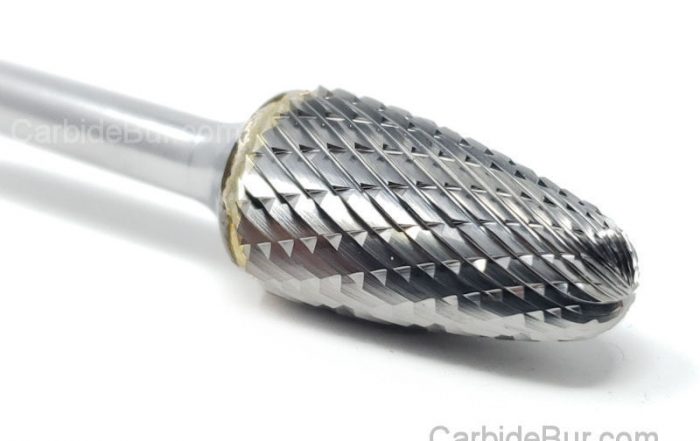
Carbide burs are cutting tools used to remove material, shape surfaces, and create a smooth finish. Made from tungsten carbide, these burs are incredibly durable and can handle high-speed rotations. Whether you’re shaping metal or smoothing out imperfections, carbide burs deliver consistent results.
One key benefit is their versatility. You can use them on various materials, including metal, wood, and plastic. This makes them perfect for hobbyists who like to experiment with different projects. For instance, carbide burs are favored for precision cutting, which is essential in DIY porting.
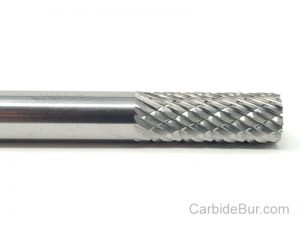
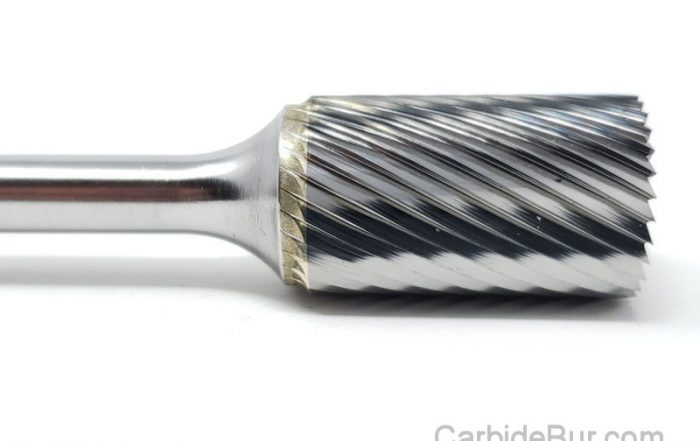
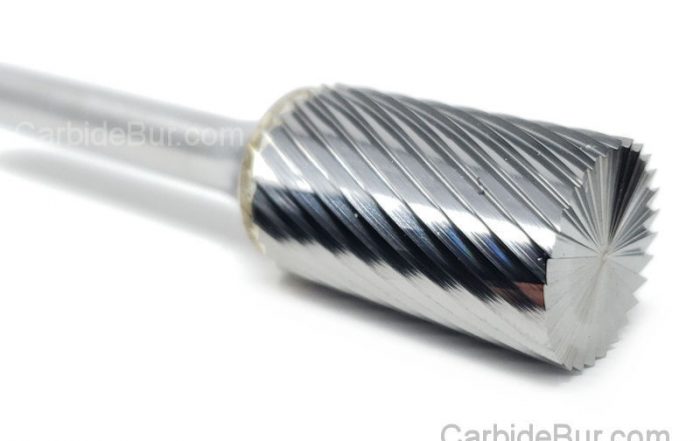
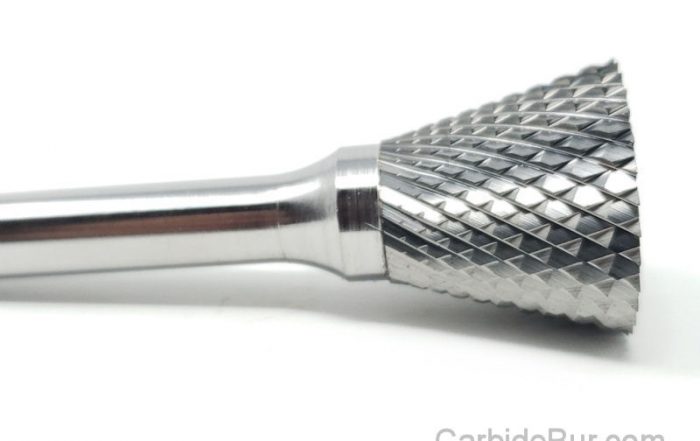
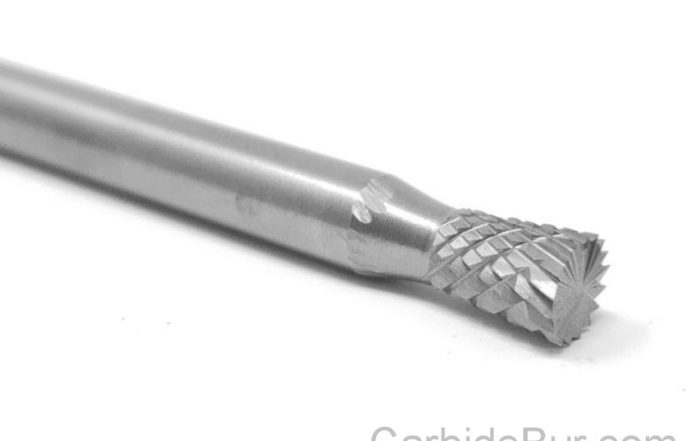
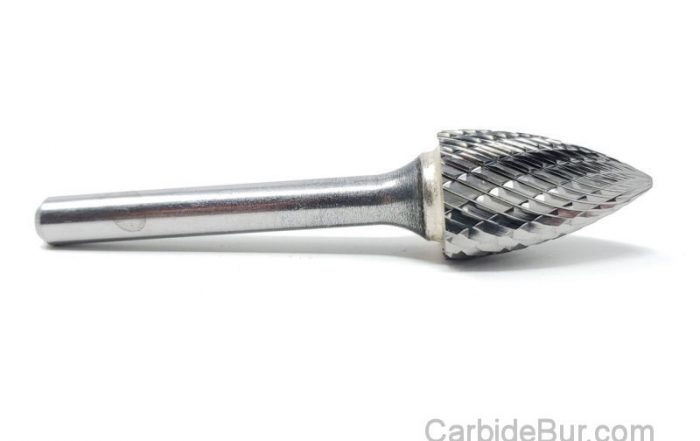
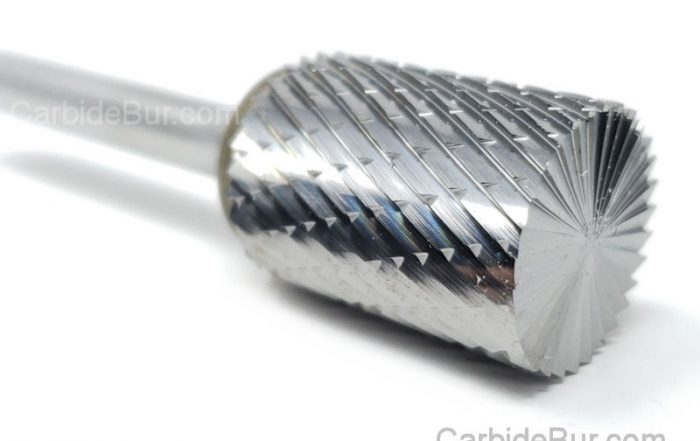
Another advantage is their range of shapes and sizes. From cylindrical to flame-shaped burs, each type has a specific purpose. Understanding these can help you choose the right tool for your project, making your work more efficient and precise.
Essential Hobbyist Tools
Before diving into DIY porting, it’s crucial to have the right tools. Besides carbide burs, several other tools can enhance your project quality. A good rotary tool is a must-have for any enthusiast. It provides the speed and control needed for detailed work. Look for one with adjustable speed settings for better precision.
Safety gear is also non-negotiable. Goggles protect your eyes from flying debris, while gloves shield your hands from sharp edges. A dust mask is essential when working with materials that produce fine particles. These precautions ensure you can focus on your work without unnecessary risks.
A workbench or table with a vise is another valuable asset. It holds your project securely, allowing you to work with both hands free. This setup not only improves accuracy but also increases safety. Investing in these essential tools can make your DIY porting experience smoother and more enjoyable.
Step-by-Step Guide
Now that you’re familiar with the basics, it’s time to delve into the process. Setting up your workspace correctly is the first step. This preparation ensures a smooth workflow and minimizes potential mistakes.
Preparing Your Workspace
Start by choosing a well-lit area with plenty of room to move around. A clutter-free workspace helps prevent accidents and keeps you focused. Organize your tools within easy reach, so you’re not constantly searching for items. Double-check that your rotary tool is functioning correctly and that you have the right burs on hand.
You’ll also want to set up a comfortable chair or stool. Long sessions can be tiring, and maintaining good posture prevents strain. Position your workbench at a height that allows you to work comfortably without hunching over. With everything in place, you’re ready to tackle your project with confidence.
The Porting Process Explained
The porting process involves several steps, each crucial for achieving professional results. Begin by marking the areas you need to modify. A permanent marker works well for this task, providing clear guidelines to follow.
Next, use a cylindrical carbide bur to remove excess material. Apply steady pressure, moving evenly across the surface. Keep an eye on your markings to ensure precision. For smoothing and shaping, switch to a flame-shaped bur. Its design allows for detailed work in tight spaces.
Remember, patience is key. Rushing can lead to mistakes, so take your time. As you work, periodically step back to assess your progress. This helps catch any issues early, saving time in the long run. By following these steps, you can achieve a smooth, professional finish.
Achieving Pro-Level Work
With your skills honed, it’s time to elevate your work to a pro level. Choosing the right tools makes a significant difference in the final outcome. Let’s explore some tips to ensure you’re using the best equipment for your projects.
Tool Comparison Tips
When it comes to rotary tools and carbide burs, not all are created equal. Comparing options can help you find the best fit for your needs. Look for rotary tools with variable speed settings, as they offer greater control. A tool with a comfortable grip reduces fatigue during long sessions.
For carbide burs, consider the material and design. Tungsten carbide is the gold standard for durability and performance. Check for a variety of shapes to suit different tasks. A good resource can provide more detailed insights into specific burs and their use cases.
Price is another factor to consider. While it’s tempting to go for the cheapest option, investing in quality tools pays off in the long run. They last longer and deliver better results, ultimately saving you time and money.
Beginner’s Guide to Precision
Achieving precision in your work is both an art and a science. It requires practice, patience, and the right approach. Start by focusing on small projects, gradually increasing complexity as you gain confidence. This method allows you to hone your skills without becoming overwhelmed.
Pay attention to feedback from fellow hobbyists. Online forums and communities are excellent places to share experiences and gain new insights. For example, a popular Reddit thread showcases various approaches and tips for achieving precision in porting.
Finally, embrace mistakes as learning opportunities. Every error is a chance to improve and refine your technique. By staying committed and open to learning, you can achieve pro-level results in no time.
This guide has shown you how carbide burs can transform your DIY porting projects. Armed with the right tools and knowledge, you’re well on your way to achieving professional results. Keep experimenting, and watch your skills soar!
Check out all our USA made carbide bur cutting tools here
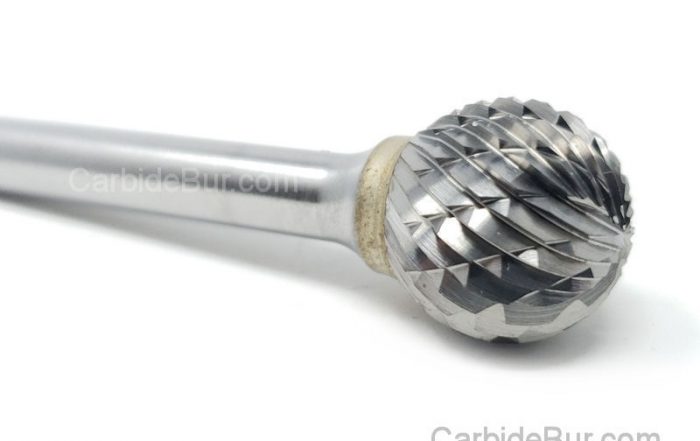
Carbide Burr vs. Grinding Stone: Which Is Better for Metal Removal?
Carbide Burr vs. Grinding Stone: Which Is Better for Metal Removal? When you need to remove metal, smooth a rough edge, or shape a metal component, two common options are carbide burrs and grinding stones. [...]
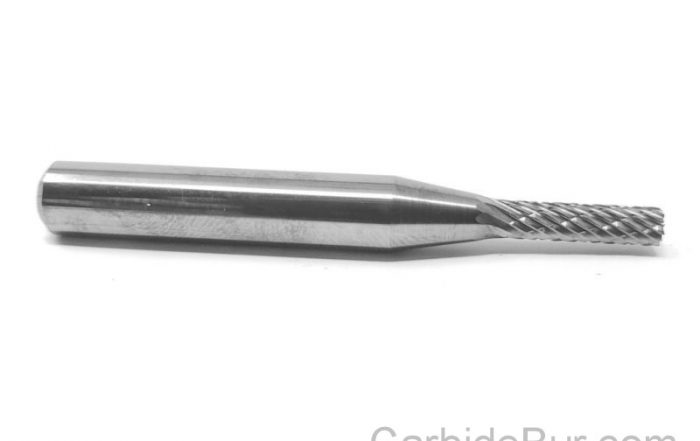
Carbide Burr Safety: RPM, Eye Protection, and Common Mistakes
Carbide Burr Safety: RPM, Eye Protection, and Common Mistakes Carbide burrs are versatile cutting tools used for metal fabrication, welding cleanup, engine porting, deburring, and general material removal. When used correctly, they can help remove [...]
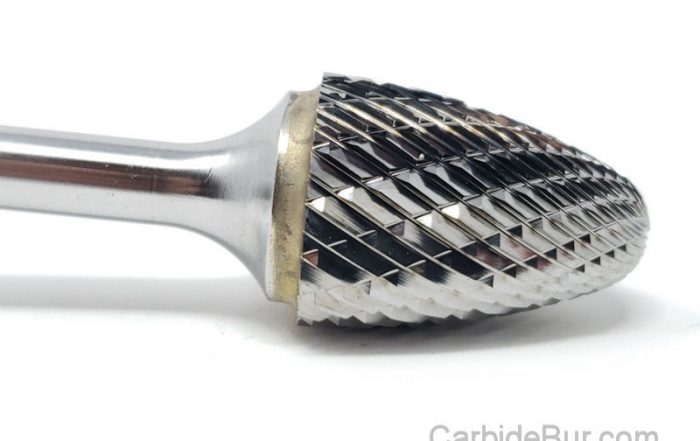
How to Stop Aluminum from Clogging Your Carbide Burr
How to Stop Aluminum from Clogging Your Carbide Burr Aluminum is widely used in automotive work, welding, metal fabrication, aerospace components, and general machining. It is lightweight, relatively easy to machine, and versatile across many [...]
Carbide Burrs for Intake Manifolds: Shaping, Cleanup, and Fitment
Carbide Burrs for Intake Manifolds: Shaping, Cleanup, and Fitment Intake manifold work often involves more than simply bolting a component onto an engine. Depending on the application, metal intake components may have casting irregularities, rough [...]
Why Long-Shank Carbide Burrs Are Useful for Hard-to-Reach Areas
Why Long-Shank Carbide Burrs Are Useful for Hard-to-Reach Areas When working on metal parts, the area that needs grinding or shaping is not always easy to reach. Recessed openings, deep cavities, interior surfaces, and complicated [...]
Choosing Carbide Burrs for Stainless Steel Fabrication
Choosing Carbide Burrs for Stainless Steel Fabrication Stainless steel is widely used in fabrication because of its corrosion resistance, strength, and durability. However, those same properties can make it challenging to machine and finish. Removing [...]
Can You Use Carbide Burrs in a Dremel? Shank Sizes Explained
Can You Use Carbide Burrs in a Dremel? Shank Sizes Explained If you use a Dremel or another rotary tool for detail work, metal shaping, or small fabrication projects, you may wonder whether you can [...]
How to Choose the Best Carbide Burr for Welding and Metal Fabrication
How to Choose the Best Carbide Burr for Welding and Metal Fabrication Welding and metal fabrication often require more than joining two pieces of metal together. Once the welding is finished, fabricators frequently need to [...]
Carbide Burrs for Cylinder Heads: What Automotive Enthusiasts Need to Know
Carbide Burrs for Cylinder Heads: What Automotive Enthusiasts Need to Know Cylinder head work is an important part of engine building, restoration, and performance machining. Whether you are cleaning up casting imperfections, refining port surfaces, [...]
Engine Porting 101: How Carbide Burrs Help Shape Cylinder Head Ports
Engine Porting 101: How Carbide Burrs Help Shape Cylinder Head Ports Engine performance enthusiasts, automotive machinists, and engine builders often look for ways to improve airflow through an engine's cylinder heads. One technique used in [...]
When to Use a 4-Inch or 9-Inch Die Grinder Extension
When to Use a 4-Inch or 9-Inch Die Grinder Extension Metal fabrication, welding, automotive repair, and engine building often require working in places where a standard die grinder and carbide burr cannot easily reach. Recessed [...]
Why Buy USA-Made Carbide Burr Tools? What Buyers Should Compare
Why Buy USA-Made Carbide Burr Tools? What Buyers Should Compare When shopping for carbide burr tools, it's tempting to compare products based on price alone. However, professionals who use rotary cutting tools for welding, metal [...]
