
The Heat Challenge: Why Carbide Burs Triumph Over Steel in High-RPM Conditions
Steel burs wear out fast when pushed to high RPMs and extreme heat. You’ve seen how quickly tool lifespan can shrink under tough shop conditions. Lab tests reveal why carbide burs stand up better to heat durability and keep machining tools sharper longer. Let’s break down the steel burs comparison that matters most for your high-RPM tooling needs. Learn more about the benefits of using carbide bits in your projects.

Understanding Carbide and Steel Burs
Let’s dive into the world of burs, the small but mighty tools crucial in machining tasks. Many wonder what makes carbide burs so special compared to their steel counterparts.
Composition and Properties
Carbide burs are crafted from a combination of tungsten and carbon. This blend results in a tool that is incredibly hard and wear-resistant. On the other hand, steel burs, made from various steel alloys, are generally more flexible but less durable than carbide. The key difference lies in the material’s ability to withstand stress. Carbide’s composition allows it to maintain sharpness longer, reducing the frequency of tool changes in your work.
The benefits of carbide burs extend beyond just raw strength. Their resistance to wear means fewer replacements, ultimately saving time and money. In high-RPM tooling, this durability is essential, providing consistent performance even in challenging conditions. For an in-depth exploration of carbide’s precision cutting capabilities, check out this link.
Heat Durability Factors
Heat is a major factor that affects tool life. Carbide burs excel in this area due to their ability to handle high temperatures without losing hardness. Steel burs, while initially sharp, tend to dull more quickly under heat. This is because steel softens at much lower temperatures, impacting its effectiveness in high-RPM applications.
The superior heat resistance of carbide burs means they can operate at higher speeds without degrading. This is crucial for tasks that generate significant heat, such as cutting and grinding. With carbide, you get a tool that maintains performance and extends its lifespan even when pushed to the limits. To learn more about maintaining your carbide burs, visit this guide.
Performance in High-RPM Conditions
As we transition to high-RPM scenarios, the contrast between carbide and steel burs becomes even more pronounced. This section uncovers why carbide burs are often the go-to choice for professionals.
Carbide Burs: The Advantage
In high-speed environments, carbide burs shine. Their sturdiness means they can handle rapid rotations without breaking apart. High RPMs can be challenging, but carbide burs keep their edge longer, ensuring precision throughout the task. This reliability is a game-changer for machinists aiming for accuracy and consistency.
Another advantage is carbide’s ability to cut through tougher materials with ease. Whether you’re working with metal, stone, or composites, these burs deliver results. They not only reduce the time spent on each task but also limit the wear on the machinery itself. For more on the power of carbide in metal casting, explore this resource.
Steel Burs Comparison
Steel burs, while useful, often fall short in high-speed applications. They tend to wear out faster, requiring more frequent replacements. This can lead to increased downtime and higher operational costs. The flexibility of steel allows for some shock absorption, but at the cost of quicker dulling.
In a head-to-head steel burs comparison, carbide emerges as the preferable choice for high-RPM tasks. The initial lower cost of steel is offset by the need for constant replacements and decreased efficiency over time. It’s clear that investing in carbide burs ensures better performance and longevity. For insights on the speed dynamics of burs, visit this link.
Lasting Tool Lifespan
Understanding the role of carbide in extending tool life can revolutionize your shop’s efficiency. Let’s explore how these burs perform under real-world conditions.
Testing in Shop Conditions
In practical settings, carbide burs have proven their worth repeatedly. Tests show they last up to 10 times longer than steel burs, especially when used in high-stress applications. This translates to fewer interruptions for tool changes, maintaining productivity on the shop floor.
Observations from machinists highlight the resilience of carbide under continuous usage. Even when subjected to prolonged heat, these burs maintain their cutting ability. This reliability is crucial in environments where time is money, ensuring you stay ahead of the competition.
Maximizing Heat Durability
To get the most out of your carbide burs, proper maintenance is key. Simple steps, like regular cleaning and correct storage, can prolong their life even further. By taking these precautions, you ensure that your tools remain in top condition, ready to tackle any challenge.
By choosing carbide, you not only enhance your current projects but also invest in long-term savings. The longer you wait to upgrade, the more potential efficiency you miss out on. Embrace the durability of carbide burs and transform your approach to high-RPM tooling.
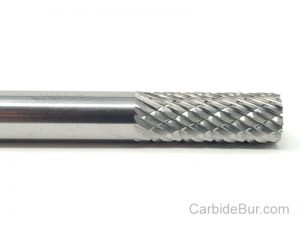
Check out all our USA made carbide bur cutting tools here

Carbide Burr vs. Grinding Stone: Which Is Better for Metal Removal?
Carbide Burr vs. Grinding Stone: Which Is Better for Metal Removal? When you need to remove metal, smooth a rough edge, or shape a metal component, two common options are carbide burrs and grinding stones. [...]
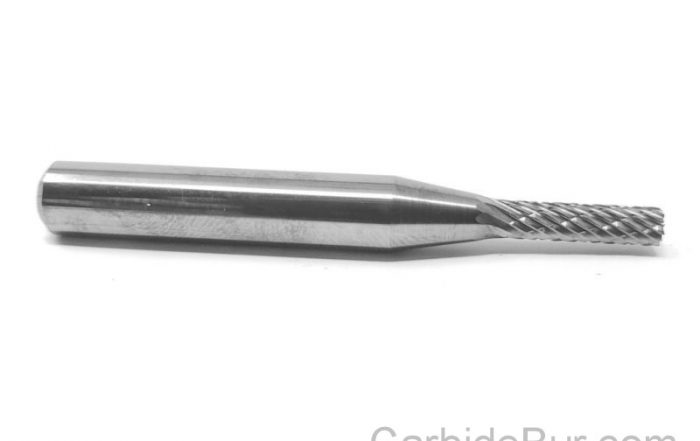
Carbide Burr Safety: RPM, Eye Protection, and Common Mistakes
Carbide Burr Safety: RPM, Eye Protection, and Common Mistakes Carbide burrs are versatile cutting tools used for metal fabrication, welding cleanup, engine porting, deburring, and general material removal. When used correctly, they can help remove [...]
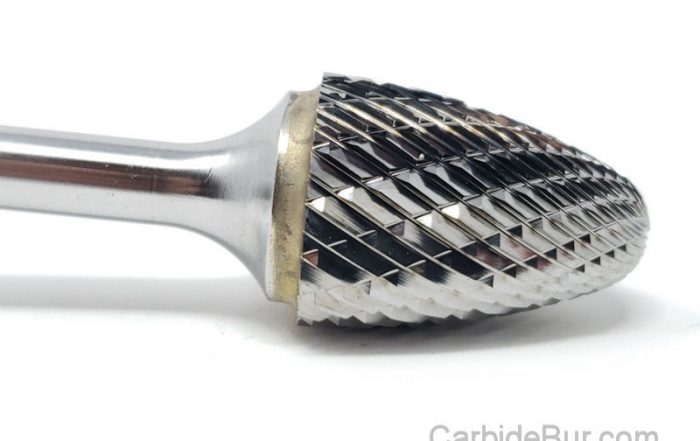
How to Stop Aluminum from Clogging Your Carbide Burr
How to Stop Aluminum from Clogging Your Carbide Burr Aluminum is widely used in automotive work, welding, metal fabrication, aerospace components, and general machining. It is lightweight, relatively easy to machine, and versatile across many [...]
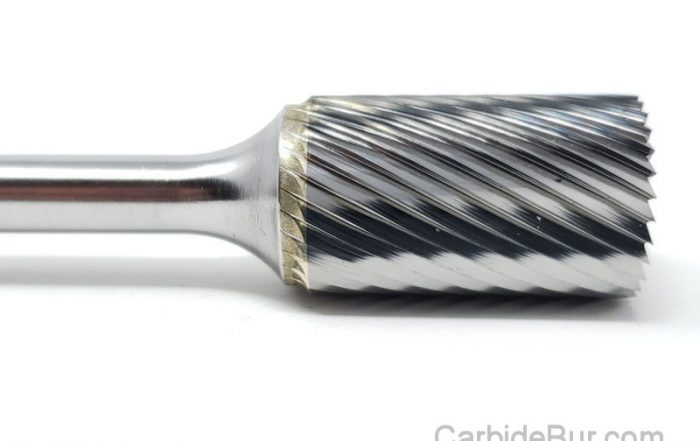
Carbide Burrs for Intake Manifolds: Shaping, Cleanup, and Fitment
Carbide Burrs for Intake Manifolds: Shaping, Cleanup, and Fitment Intake manifold work often involves more than simply bolting a component onto an engine. Depending on the application, metal intake components may have casting irregularities, rough [...]
Why Long-Shank Carbide Burrs Are Useful for Hard-to-Reach Areas
Why Long-Shank Carbide Burrs Are Useful for Hard-to-Reach Areas When working on metal parts, the area that needs grinding or shaping is not always easy to reach. Recessed openings, deep cavities, interior surfaces, and complicated [...]
Choosing Carbide Burrs for Stainless Steel Fabrication
Choosing Carbide Burrs for Stainless Steel Fabrication Stainless steel is widely used in fabrication because of its corrosion resistance, strength, and durability. However, those same properties can make it challenging to machine and finish. Removing [...]
Can You Use Carbide Burrs in a Dremel? Shank Sizes Explained
Can You Use Carbide Burrs in a Dremel? Shank Sizes Explained If you use a Dremel or another rotary tool for detail work, metal shaping, or small fabrication projects, you may wonder whether you can [...]
How to Choose the Best Carbide Burr for Welding and Metal Fabrication
How to Choose the Best Carbide Burr for Welding and Metal Fabrication Welding and metal fabrication often require more than joining two pieces of metal together. Once the welding is finished, fabricators frequently need to [...]
Carbide Burrs for Cylinder Heads: What Automotive Enthusiasts Need to Know
Carbide Burrs for Cylinder Heads: What Automotive Enthusiasts Need to Know Cylinder head work is an important part of engine building, restoration, and performance machining. Whether you are cleaning up casting imperfections, refining port surfaces, [...]
Engine Porting 101: How Carbide Burrs Help Shape Cylinder Head Ports
Engine Porting 101: How Carbide Burrs Help Shape Cylinder Head Ports Engine performance enthusiasts, automotive machinists, and engine builders often look for ways to improve airflow through an engine's cylinder heads. One technique used in [...]
When to Use a 4-Inch or 9-Inch Die Grinder Extension
When to Use a 4-Inch or 9-Inch Die Grinder Extension Metal fabrication, welding, automotive repair, and engine building often require working in places where a standard die grinder and carbide burr cannot easily reach. Recessed [...]
Why Buy USA-Made Carbide Burr Tools? What Buyers Should Compare
Why Buy USA-Made Carbide Burr Tools? What Buyers Should Compare When shopping for carbide burr tools, it's tempting to compare products based on price alone. However, professionals who use rotary cutting tools for welding, metal [...]
