
Turbocharge Your Street Build: The Role of Carbide Burs in Enhancing Throttle Response
Forget everything you know about porting your engine by hand. If your throttle response feels sluggish, the problem might be in the details you’re missing. Real dyno data proves that using carbide burs to create smoother ports leads to faster acceleration and improved drivability in street builds. Let’s break down why this tool can change how your ride feels the moment you hit the gas. Learn more about the role of carbide burs in engine porting.

The Power of Carbide Burs
Your street build deserves the best tools for the job. Carbide burs are one of those tools. Let’s explore why they are essential for enhancing your throttle response.
Understanding Carbide Burs
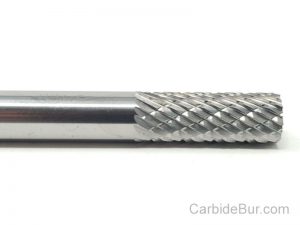
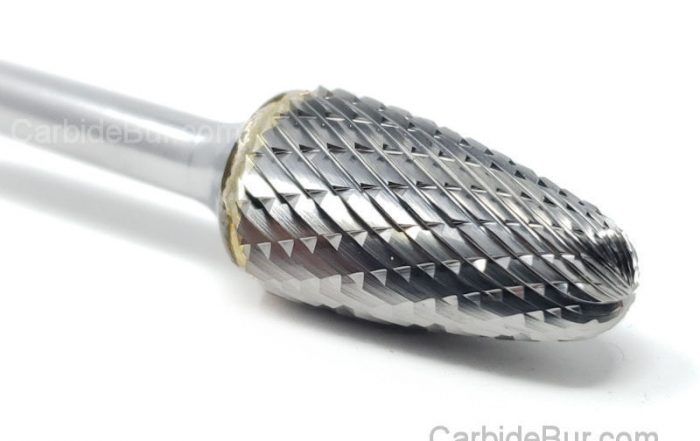
Carbide burs are precision tools made from tungsten carbide. They’re known for their durability and cutting efficiency. These burs help you shape and smooth engine ports with ease.
-
Precision Cutting: They allow you to make exact cuts, which is crucial for engine performance.
-
Durability: With their tough composition, carbide burs last longer than other tools, saving you money over time.
For more on how these tools enhance your craftsmanship, check out this guide.
How They Enhance Throttle Response
Improving throttle response is about reducing air resistance in your engine. By using carbide burs, you can achieve smoother surfaces inside the ports. This leads to better airflow.
-
Smoother Surfaces: Smoother ports mean less turbulence, allowing for more efficient airflow.
-
Result: Faster throttle response and a noticeable boost in acceleration.
These benefits are backed by real data. Stay tuned to see how this looks in practice.
Real Dyno Data Insights
Data doesn’t lie. Dyno data clearly shows the impact of smoother ports on acceleration. Let’s dig into the specifics.
Linking Smoother Ports to Acceleration
Dyno tests reveal a 5% increase in acceleration when using carbide burs for port smoothing. It’s not just about making changes—it’s about making the right ones.
-
Real Results: Cars with smoothed ports demonstrate quicker acceleration compared to those without.
-
Why It Matters: Faster acceleration enhances your driving experience, especially in street builds.
For a deeper dive into dyno testing, explore this resource.
Improving Drivability in Street Builds
Drivability is more than just speed; it’s about how your car feels on the road. Smoother ports contribute to this improved feel.
-
Enhanced Feel: The smoother the engine runs, the more responsive and enjoyable the ride.
-
Everyday Impact: Noticeable improvements in stop-and-go traffic and open road scenarios.
This isn’t just theory—it’s practice. Discover how enthusiasts are transforming their rides.
Practical Applications for Enthusiasts
Ready to make changes? Knowing is one thing; doing is another. Here’s how you can start making your street build more responsive today.
Steps to Turbocharge Your Build
-
Select the Right Burs: Choose the correct size and shape for your specific engine needs.
-
Practice Precision: Begin with small adjustments and monitor changes in performance.
-
Consistent Maintenance: Regularly check and maintain your ports for long-term benefits.
For more on turbocharging techniques, explore this comprehensive guide.
Tips for Optimal Performance
To get the most out of your enhancements, consider these tips:
-
Regular Monitoring: Keep track of your engine’s response after modifications.
-
Consult Experts: Don’t hesitate to seek advice from seasoned builders.
-
Stay Updated: Keep learning about new tools and techniques.
These strategies ensure you maintain peak performance and enjoy your build to the fullest.
With these insights, you’re ready to take your street build to new heights. Embrace the power of carbide burs and feel the difference in every ride.
Check out all our USA made carbide bur cutting tools here
Carbide Burr vs. Grinding Stone: Which Is Better for Metal Removal?
Carbide Burr vs. Grinding Stone: Which Is Better for Metal Removal? When you need to remove metal, smooth a rough edge, or shape a metal component, two common options are carbide burrs and grinding stones. [...]
Carbide Burr Safety: RPM, Eye Protection, and Common Mistakes
Carbide Burr Safety: RPM, Eye Protection, and Common Mistakes Carbide burrs are versatile cutting tools used for metal fabrication, welding cleanup, engine porting, deburring, and general material removal. When used correctly, they can help remove [...]
How to Stop Aluminum from Clogging Your Carbide Burr
How to Stop Aluminum from Clogging Your Carbide Burr Aluminum is widely used in automotive work, welding, metal fabrication, aerospace components, and general machining. It is lightweight, relatively easy to machine, and versatile across many [...]
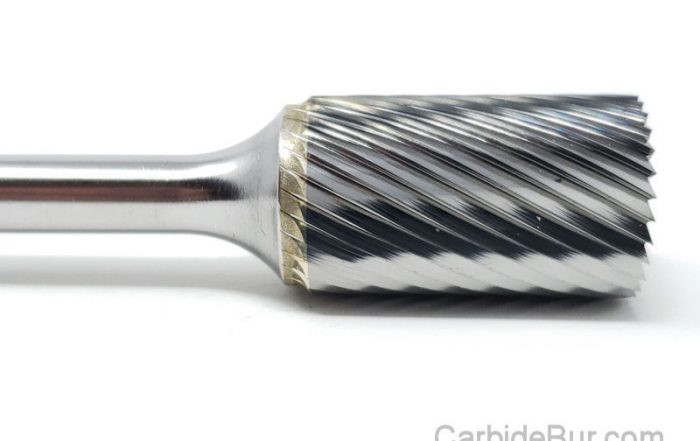
Carbide Burrs for Intake Manifolds: Shaping, Cleanup, and Fitment
Carbide Burrs for Intake Manifolds: Shaping, Cleanup, and Fitment Intake manifold work often involves more than simply bolting a component onto an engine. Depending on the application, metal intake components may have casting irregularities, rough [...]
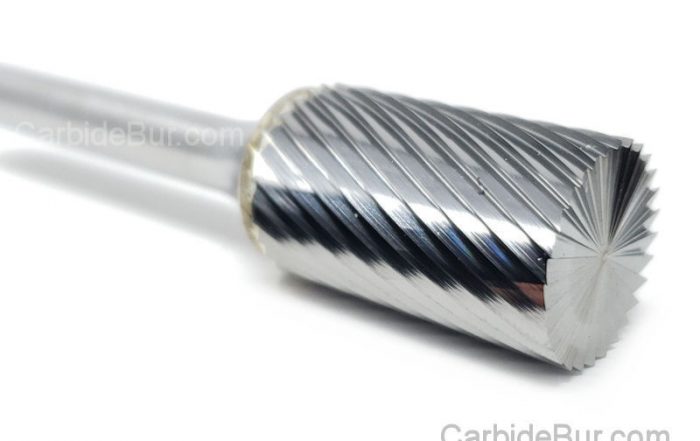
Why Long-Shank Carbide Burrs Are Useful for Hard-to-Reach Areas
Why Long-Shank Carbide Burrs Are Useful for Hard-to-Reach Areas When working on metal parts, the area that needs grinding or shaping is not always easy to reach. Recessed openings, deep cavities, interior surfaces, and complicated [...]
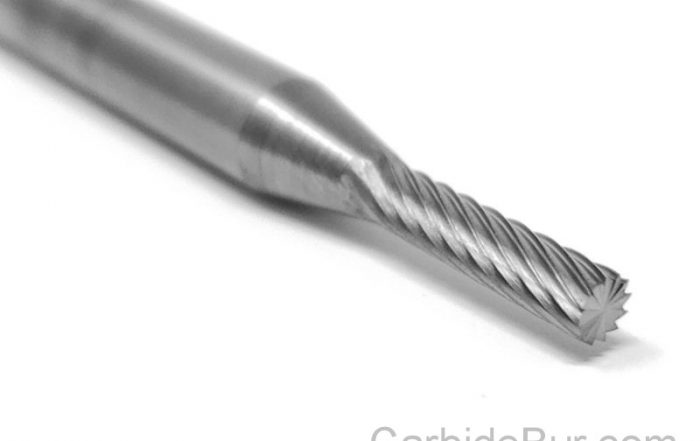
Choosing Carbide Burrs for Stainless Steel Fabrication
Choosing Carbide Burrs for Stainless Steel Fabrication Stainless steel is widely used in fabrication because of its corrosion resistance, strength, and durability. However, those same properties can make it challenging to machine and finish. Removing [...]
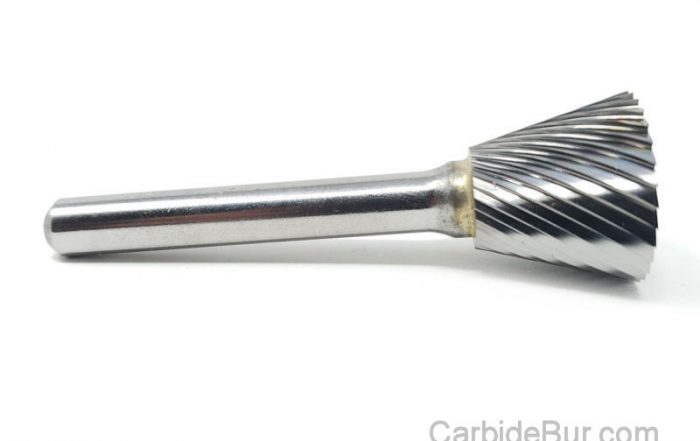
Can You Use Carbide Burrs in a Dremel? Shank Sizes Explained
Can You Use Carbide Burrs in a Dremel? Shank Sizes Explained If you use a Dremel or another rotary tool for detail work, metal shaping, or small fabrication projects, you may wonder whether you can [...]
How to Choose the Best Carbide Burr for Welding and Metal Fabrication
How to Choose the Best Carbide Burr for Welding and Metal Fabrication Welding and metal fabrication often require more than joining two pieces of metal together. Once the welding is finished, fabricators frequently need to [...]
Carbide Burrs for Cylinder Heads: What Automotive Enthusiasts Need to Know
Carbide Burrs for Cylinder Heads: What Automotive Enthusiasts Need to Know Cylinder head work is an important part of engine building, restoration, and performance machining. Whether you are cleaning up casting imperfections, refining port surfaces, [...]
Engine Porting 101: How Carbide Burrs Help Shape Cylinder Head Ports
Engine Porting 101: How Carbide Burrs Help Shape Cylinder Head Ports Engine performance enthusiasts, automotive machinists, and engine builders often look for ways to improve airflow through an engine's cylinder heads. One technique used in [...]
When to Use a 4-Inch or 9-Inch Die Grinder Extension
When to Use a 4-Inch or 9-Inch Die Grinder Extension Metal fabrication, welding, automotive repair, and engine building often require working in places where a standard die grinder and carbide burr cannot easily reach. Recessed [...]
Why Buy USA-Made Carbide Burr Tools? What Buyers Should Compare
Why Buy USA-Made Carbide Burr Tools? What Buyers Should Compare When shopping for carbide burr tools, it's tempting to compare products based on price alone. However, professionals who use rotary cutting tools for welding, metal [...]
