
The Ergonomic Edge: Using Carbide Burs to Reduce Fatigue and Enhance Porting Safety
Long hours at the porting bench can leave your hands aching and focus slipping. Carbide burs help minimize vibration, cutting down on the constant strain that leads to fatigue. This means your grip stays steady, reducing shop hazards and boosting porting safety during those tough shifts. Keep reading to see how these tools bring real ergonomic benefits to your workspace. For more details, you can check out this link.

Ergonomic Benefits of Carbide Burs
Minimize Vibration in the Workplace
Imagine a tool that makes your work both easier and safer. Carbide burs are designed to minimize vibration, which can make a significant difference in your daily routine.
When you use these tools, you notice less shaking in your hands. This reduction in vibration means less strain on your joints and muscles. By keeping your hands steady, carbide burs help you feel more comfortable throughout your workday. Over time, this can lead to fewer aches and a more pleasant work environment.
The use of carbide burs not only makes tasks less tiring but also boosts your productivity. With less vibration, you maintain better control, leading to more precise work. This precision is why many professionals choose carbide burs as their go-to tool. For more insights on their uses, visit this resource.
Reduce Fatigue During Long Sessions
Tired hands can lead to mistakes. Carbide burs help you reduce fatigue, allowing you to work longer without the discomfort.
These tools are crafted with materials that withstand prolonged use, ensuring they stay sharp. This sharpness helps you complete tasks with ease, saving both time and effort. The result? You’re not as worn out by the end of the day.
Fatigue is a common issue among those who spend long hours at the bench. By choosing carbide burs, you’re investing in a solution that pays off with less strain and more energy. Learn more about how they can keep your projects on track here.
Enhancing Porting Safety
Transitioning from comfort to safety, carbide burs continue to impress by improving your work environment. Their design not only reduces strain but also minimizes potential risks.
Understanding Shop Hazards
Every shop has its risks, and being aware of them is the first step to safety. Shop hazards often arise from mistakes made due to fatigue and poor tool performance.
When you’re tired or using inefficient tools, errors are more likely. These mistakes can lead to accidents. Therefore, recognizing these hazards and taking proactive measures is essential.
Safety isn’t just about avoiding accidents. It’s about creating an environment where you feel confident and secure. This mindset is what sets apart a good workspace from a great one.
Improving Safety with Carbide Burs
Carbide burs are essential in reducing shop hazards. Their precision and ease of use make them a valuable tool for any professional.
With their ability to cut smoothly and consistently, you experience fewer slips and mishaps. This reliability translates to a safer workspace where accidents are less frequent.
Investing in carbide burs means you’re prioritizing both quality and safety. For further details on their features and benefits, see this link.
Practical Tips for Manufacturing Professionals
While carbide burs offer significant benefits, knowing how to use them effectively amplifies their advantages. Here are some tips to enhance your work experience:
Best Practices for Porting Safety
Safety should always come first. Here’s how you can use carbide burs to maintain a secure environment:
-
Regular Checks: Inspect your tools before each use to ensure they’re in good condition.
-
Proper Grip: Maintain a steady grip to prevent slips.
-
Protective Gear: Always wear gloves and goggles.
These practices not only protect you but also extend the life of your tools, making them a smart investment.
Tools and Techniques to Reduce Fatigue
Reducing fatigue goes beyond just using the right tools. Incorporate these tips into your routine:
-
Frequent Breaks: Take short breaks to rest your hands and eyes.
-
Stretching: Simple stretches can improve circulation and reduce tension.
-
Ergonomic Setup: Ensure your workspace is designed to minimize strain.
For a deeper understanding of how carbide burs contribute to an eco-friendly and efficient work environment, explore this resource.
In conclusion, carbide burs offer a host of ergonomic benefits that enhance both comfort and safety. By minimizing vibration and reducing fatigue, they help you maintain focus and precision, leading to a more productive and safer workspace. Prioritize your well-being and efficiency by incorporating these tools and techniques into your daily routine.
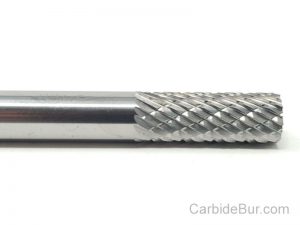
Check out all our USA made carbide bur cutting tools here
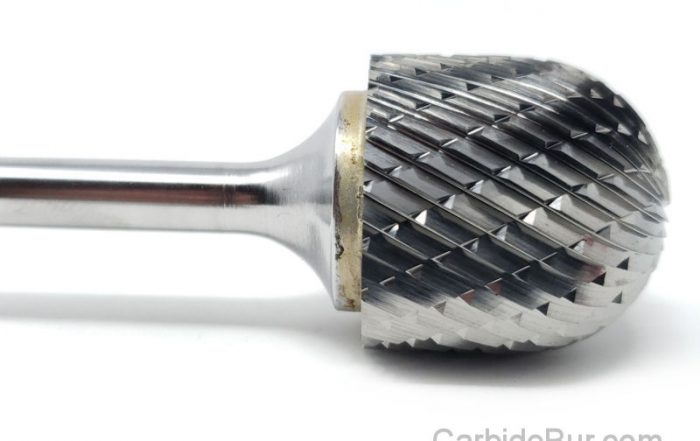
Are Expensive Carbide Burrs Worth It? Comparing Price and Performance
Are Expensive Carbide Burrs Worth It? Comparing Price and Performance When shopping for carbide burrs, it's easy to assume that the cheapest option saves money. But if you use rotary cutting tools regularly for welding, [...]
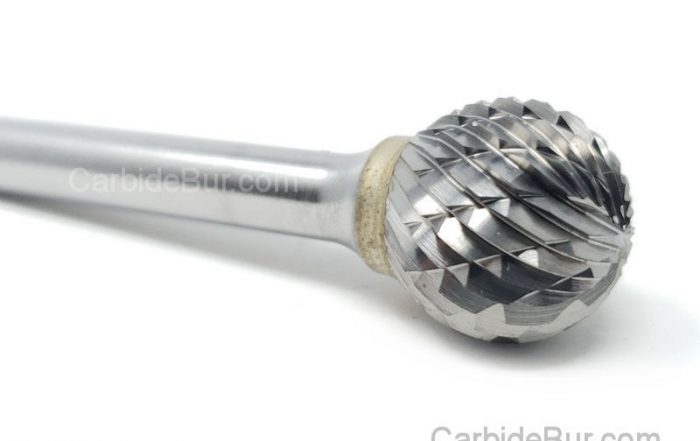
Carbide Burr vs. Grinding Stone: Which Is Better for Metal Removal?
Carbide Burr vs. Grinding Stone: Which Is Better for Metal Removal? When you need to remove metal, smooth a rough edge, or shape a metal component, two common options are carbide burrs and grinding stones. [...]
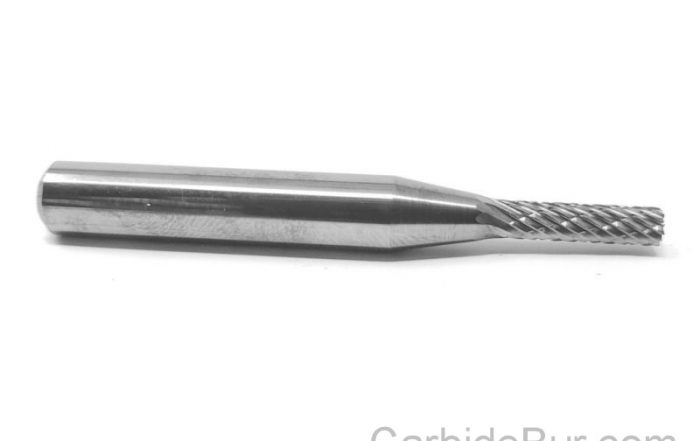
Carbide Burr Safety: RPM, Eye Protection, and Common Mistakes
Carbide Burr Safety: RPM, Eye Protection, and Common Mistakes Carbide burrs are versatile cutting tools used for metal fabrication, welding cleanup, engine porting, deburring, and general material removal. When used correctly, they can help remove [...]
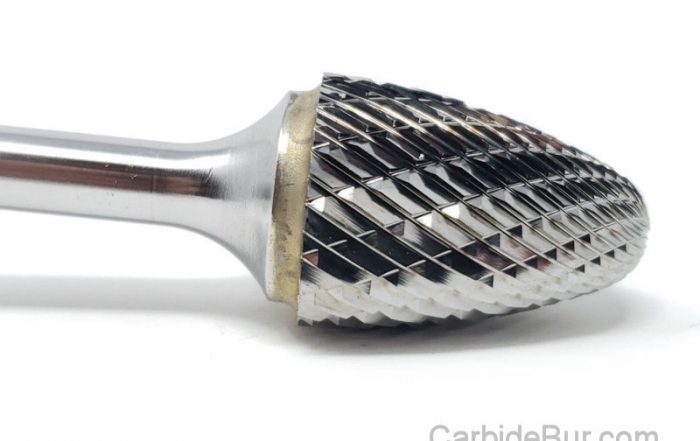
How to Stop Aluminum from Clogging Your Carbide Burr
How to Stop Aluminum from Clogging Your Carbide Burr Aluminum is widely used in automotive work, welding, metal fabrication, aerospace components, and general machining. It is lightweight, relatively easy to machine, and versatile across many [...]
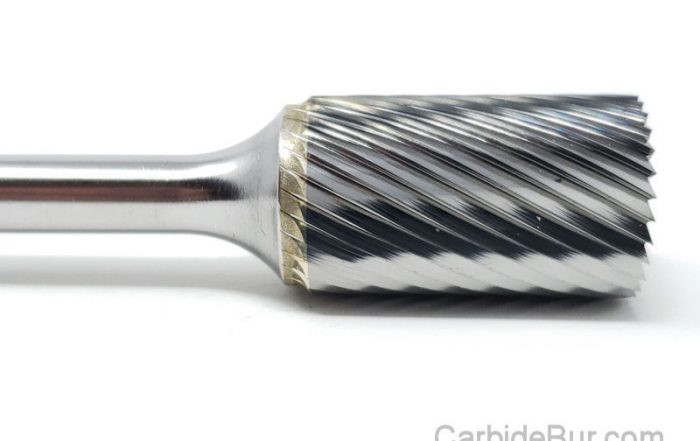
Carbide Burrs for Intake Manifolds: Shaping, Cleanup, and Fitment
Carbide Burrs for Intake Manifolds: Shaping, Cleanup, and Fitment Intake manifold work often involves more than simply bolting a component onto an engine. Depending on the application, metal intake components may have casting irregularities, rough [...]
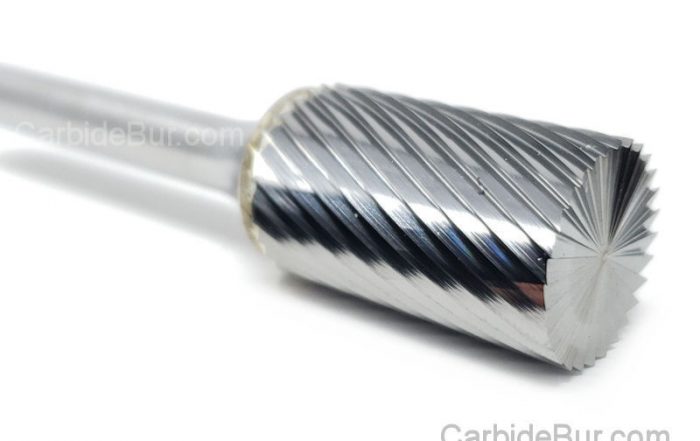
Why Long-Shank Carbide Burrs Are Useful for Hard-to-Reach Areas
Why Long-Shank Carbide Burrs Are Useful for Hard-to-Reach Areas When working on metal parts, the area that needs grinding or shaping is not always easy to reach. Recessed openings, deep cavities, interior surfaces, and complicated [...]
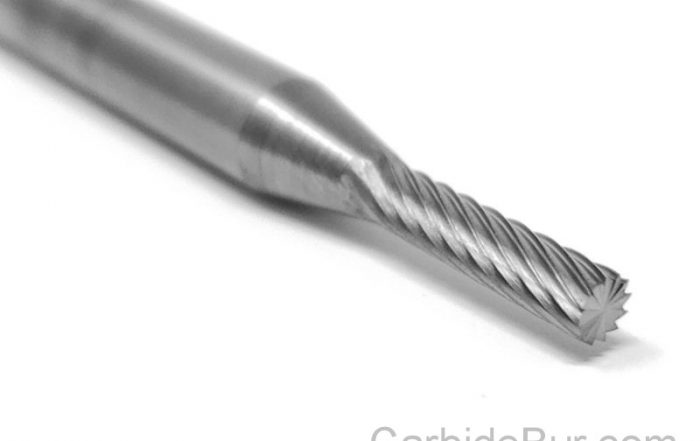
Choosing Carbide Burrs for Stainless Steel Fabrication
Choosing Carbide Burrs for Stainless Steel Fabrication Stainless steel is widely used in fabrication because of its corrosion resistance, strength, and durability. However, those same properties can make it challenging to machine and finish. Removing [...]
Can You Use Carbide Burrs in a Dremel? Shank Sizes Explained
Can You Use Carbide Burrs in a Dremel? Shank Sizes Explained If you use a Dremel or another rotary tool for detail work, metal shaping, or small fabrication projects, you may wonder whether you can [...]
How to Choose the Best Carbide Burr for Welding and Metal Fabrication
How to Choose the Best Carbide Burr for Welding and Metal Fabrication Welding and metal fabrication often require more than joining two pieces of metal together. Once the welding is finished, fabricators frequently need to [...]
Carbide Burrs for Cylinder Heads: What Automotive Enthusiasts Need to Know
Carbide Burrs for Cylinder Heads: What Automotive Enthusiasts Need to Know Cylinder head work is an important part of engine building, restoration, and performance machining. Whether you are cleaning up casting imperfections, refining port surfaces, [...]
Engine Porting 101: How Carbide Burrs Help Shape Cylinder Head Ports
Engine Porting 101: How Carbide Burrs Help Shape Cylinder Head Ports Engine performance enthusiasts, automotive machinists, and engine builders often look for ways to improve airflow through an engine's cylinder heads. One technique used in [...]
When to Use a 4-Inch or 9-Inch Die Grinder Extension
When to Use a 4-Inch or 9-Inch Die Grinder Extension Metal fabrication, welding, automotive repair, and engine building often require working in places where a standard die grinder and carbide burr cannot easily reach. Recessed [...]
