
Mastering Carbide Burs: A Beginner’s Guide to Pro-Level Porting
Most beginners waste hours struggling with the wrong tools. Carbide burs can change that, but only if you pick and use them right. This beginner’s guide to burs breaks down how to choose the best porting tools and get flawless results on your first try. Learn more about mastering engine porting using die grinder tool bits here.

Choosing the Right Carbide Burs
Understanding the right tools can make all the difference. Start with the basics to set yourself up for success in your projects.
Understanding Carbide Burs for Beginners
Carbide burs are like the secret weapon in your tooling arsenal. They’re strong, precise, and can handle demanding tasks. Carbide’s hardness means it stays sharp longer than other materials, making it a favorite in both metalworking and woodworking. If you’re just starting, know that not all burs are the same. There are different shapes for various tasks, such as cutting, shaping, or polishing.
You might wonder why professionals prefer these. It’s because they offer consistency. When you need precision, a carbide bur won’t let you down. Want to explore more about their uses in metal castings? Check this insightful page.
Selecting Porting Tools for Your Projects
Picking the right tools feels daunting, but it doesn’t have to be. Focus on your project needs first. Think about the material you’re working with. Are you tackling metal, wood, or something else? Different projects might need different shapes or sizes of burs.
For a beginner, a set with various shapes could be a wise investment. This allows you to experiment and find what works best. Remember, starting with the correct tools saves time and frustration later. If you’re curious about the difference between high-speed steel and carbide, this comparison will give you a clear picture.
Essential Metalworking and Woodworking Burs
For newcomers, it’s vital to distinguish between metalworking and woodworking burs. Metalworking burs are typically more robust, designed for tougher surfaces. On the other hand, woodworking burs are crafted to handle softer materials without causing splits.
A key strategy is investing in a set that caters to both. This flexibility ensures you’re prepared for any project that comes your way. Common shapes include ball, oval, and flame. Each has its role, so familiarize yourself with them. This knowledge empowers you to choose the right shape for any task.
How to Use Carbide Burs
Now that you know which tools to have, let’s dive into using them effectively. Master the basics, and you’ll be porting like a pro in no time.
Step-by-Step: Your First Porting
Getting started with porting can be thrilling. Here’s a simple guide to help you through your first try:
-
Preparation: Gather all necessary tools and safety gear. Ensure your work area is clean and organized.
-
Selection: Choose the right bur for your material. Start with a simple shape like a cylinder.
-
Execution: Begin with a low speed, gradually increasing as you gain control. Maintain a steady hand for best results.
With these steps, you’re on your way to crafting something remarkable. Remember, taking your time leads to smoother finishes and better outcomes.
Tips for Flawless Results in Metalworking
Achieving perfection in metalworking is all about technique. Start slow. Patience is your friend here. It’s better to remove small amounts than risk over-cutting.
One common mistake is applying too much pressure. Let the bur do the work, guiding it gently. This approach results in cleaner cuts and extends tool life. For more advanced tips, see how experts recommend effective metalworking techniques.
Woodworking Techniques with Carbide Burrs
Woodworking with carbide burrs opens up a world of possibilities. Unlike metal, wood requires a softer touch. Begin by selecting the appropriate bur shape, like a flame or taper, depending on the detail needed.
Use light pressure and a sweeping motion to avoid burning the wood. This method helps maintain the wood’s natural beauty while achieving desired shapes. As you practice, you’ll find your rhythm, creating flawless pieces with ease.
Maintaining Your Carbide Burs
Proper maintenance of your tools ensures longevity and performance. A little care goes a long way in keeping your burs in top condition.
Cleaning and Storage Tips
Keeping your carbide burs clean is crucial. After each use, rinse them with water to remove debris. For stubborn residue, use a soft brush. Dry completely before storing.
Store your burs in a dedicated box or case. This prevents damage and helps you keep track of your collection. A tidy storage system makes it easier to find what you need quickly.
Extending the Life of Your Porting Tools
To ensure your tools last, pay attention to how you use them. Avoid excessive force, which can cause wear. Regularly inspect your burs for signs of dulling or damage.
Rotate your burs during projects to distribute wear evenly. This simple habit can significantly extend their life, saving you money and time in the long run.
Common Mistakes and How to Avoid Them
Mistakes happen, but awareness can prevent them. One frequent error is using the wrong bur for a task. Always match your bur to the material and job type.
Another mistake is neglecting tool maintenance. Skipping cleaning or improper storage can lead to premature wear. By making these practices routine, you’ll keep your tools in peak condition, ready for any project.
In summary, mastering carbide burs is within your reach. With the right choices and techniques, your projects will shine with professional quality.
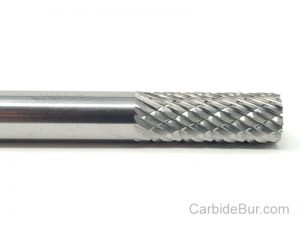
Check out all our USA made carbide bur cutting tools here
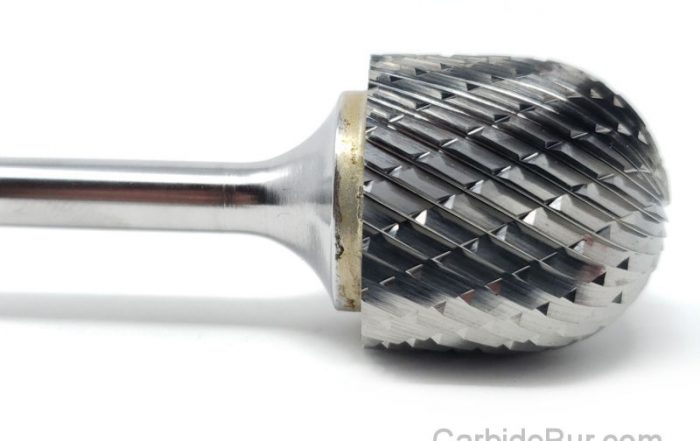
Are Expensive Carbide Burrs Worth It? Comparing Price and Performance
Are Expensive Carbide Burrs Worth It? Comparing Price and Performance When shopping for carbide burrs, it's easy to assume that the cheapest option saves money. But if you use rotary cutting tools regularly for welding, [...]

Carbide Burr vs. Grinding Stone: Which Is Better for Metal Removal?
Carbide Burr vs. Grinding Stone: Which Is Better for Metal Removal? When you need to remove metal, smooth a rough edge, or shape a metal component, two common options are carbide burrs and grinding stones. [...]
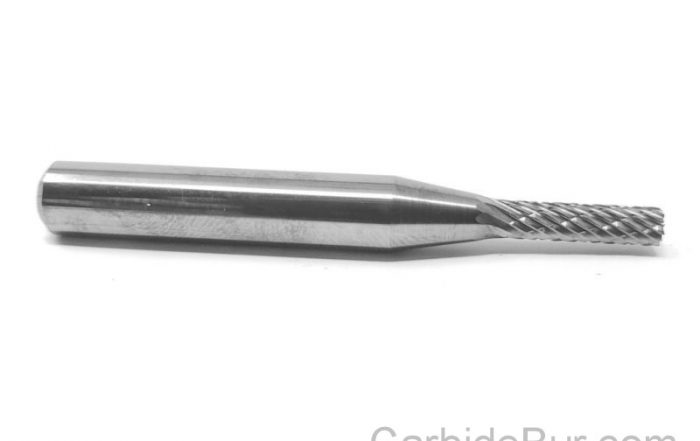
Carbide Burr Safety: RPM, Eye Protection, and Common Mistakes
Carbide Burr Safety: RPM, Eye Protection, and Common Mistakes Carbide burrs are versatile cutting tools used for metal fabrication, welding cleanup, engine porting, deburring, and general material removal. When used correctly, they can help remove [...]
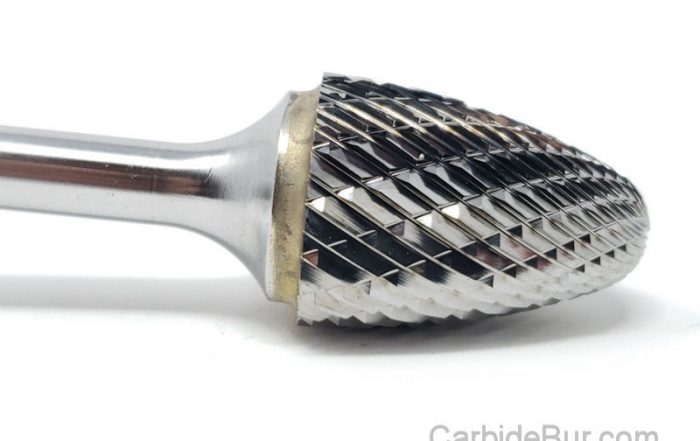
How to Stop Aluminum from Clogging Your Carbide Burr
How to Stop Aluminum from Clogging Your Carbide Burr Aluminum is widely used in automotive work, welding, metal fabrication, aerospace components, and general machining. It is lightweight, relatively easy to machine, and versatile across many [...]
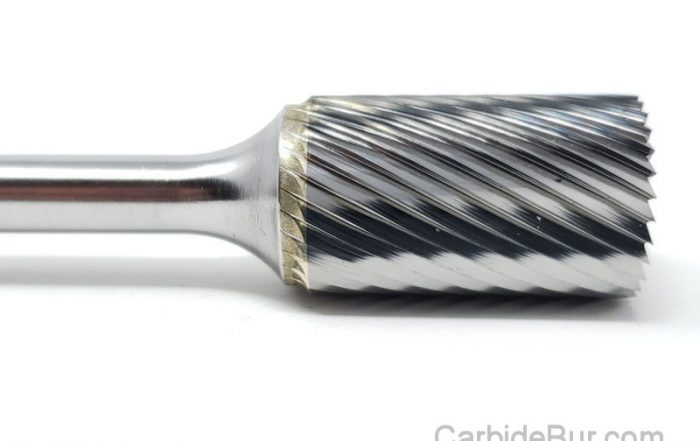
Carbide Burrs for Intake Manifolds: Shaping, Cleanup, and Fitment
Carbide Burrs for Intake Manifolds: Shaping, Cleanup, and Fitment Intake manifold work often involves more than simply bolting a component onto an engine. Depending on the application, metal intake components may have casting irregularities, rough [...]
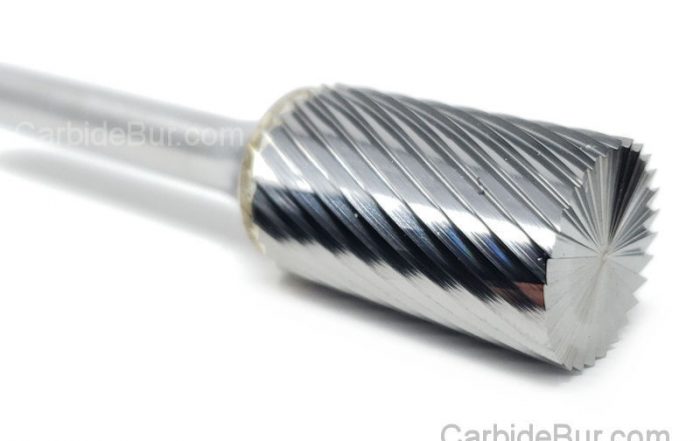
Why Long-Shank Carbide Burrs Are Useful for Hard-to-Reach Areas
Why Long-Shank Carbide Burrs Are Useful for Hard-to-Reach Areas When working on metal parts, the area that needs grinding or shaping is not always easy to reach. Recessed openings, deep cavities, interior surfaces, and complicated [...]
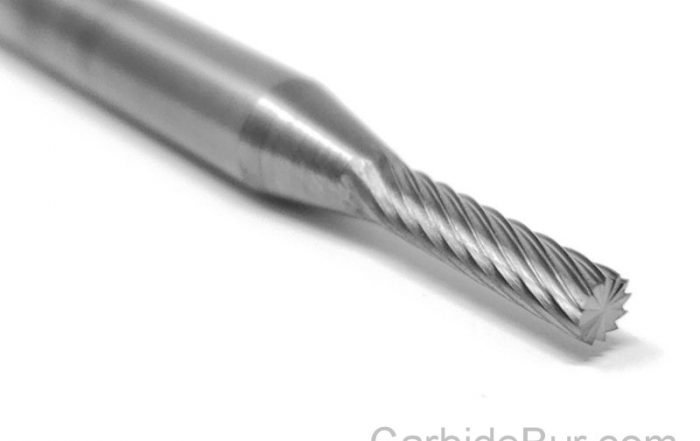
Choosing Carbide Burrs for Stainless Steel Fabrication
Choosing Carbide Burrs for Stainless Steel Fabrication Stainless steel is widely used in fabrication because of its corrosion resistance, strength, and durability. However, those same properties can make it challenging to machine and finish. Removing [...]
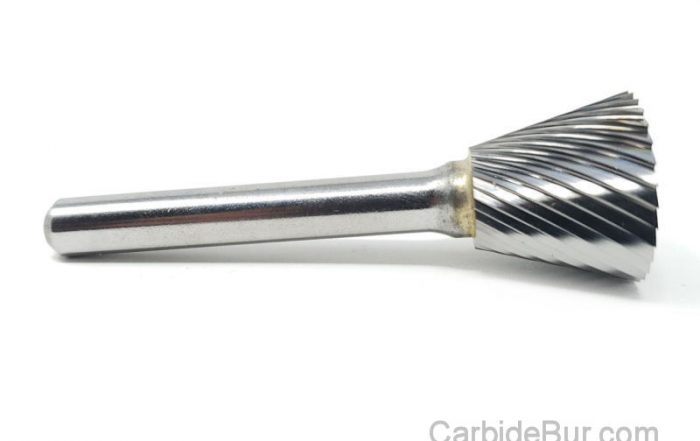
Can You Use Carbide Burrs in a Dremel? Shank Sizes Explained
Can You Use Carbide Burrs in a Dremel? Shank Sizes Explained If you use a Dremel or another rotary tool for detail work, metal shaping, or small fabrication projects, you may wonder whether you can [...]
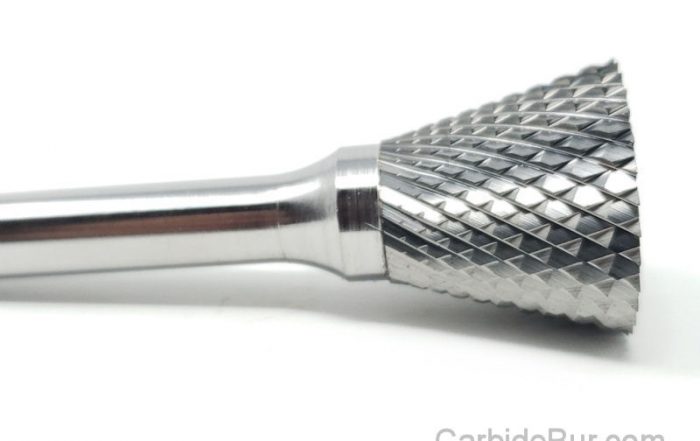
How to Choose the Best Carbide Burr for Welding and Metal Fabrication
How to Choose the Best Carbide Burr for Welding and Metal Fabrication Welding and metal fabrication often require more than joining two pieces of metal together. Once the welding is finished, fabricators frequently need to [...]
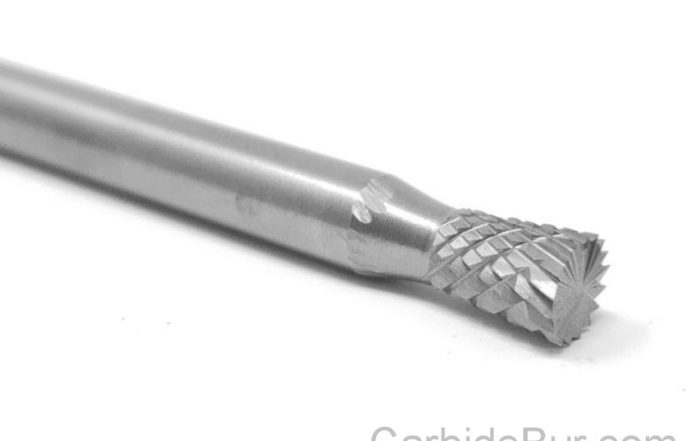
Carbide Burrs for Cylinder Heads: What Automotive Enthusiasts Need to Know
Carbide Burrs for Cylinder Heads: What Automotive Enthusiasts Need to Know Cylinder head work is an important part of engine building, restoration, and performance machining. Whether you are cleaning up casting imperfections, refining port surfaces, [...]
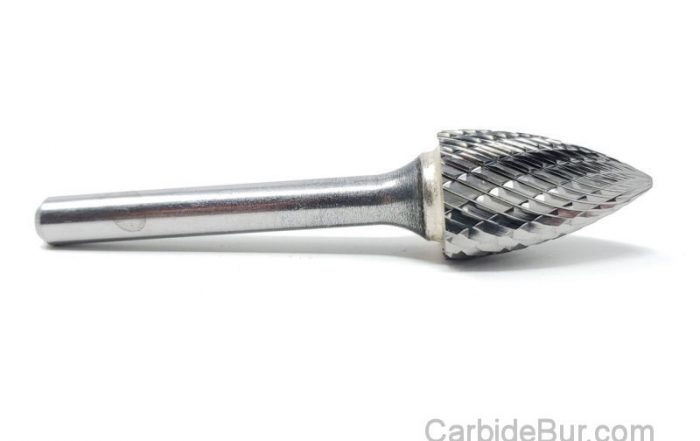
Engine Porting 101: How Carbide Burrs Help Shape Cylinder Head Ports
Engine Porting 101: How Carbide Burrs Help Shape Cylinder Head Ports Engine performance enthusiasts, automotive machinists, and engine builders often look for ways to improve airflow through an engine's cylinder heads. One technique used in [...]
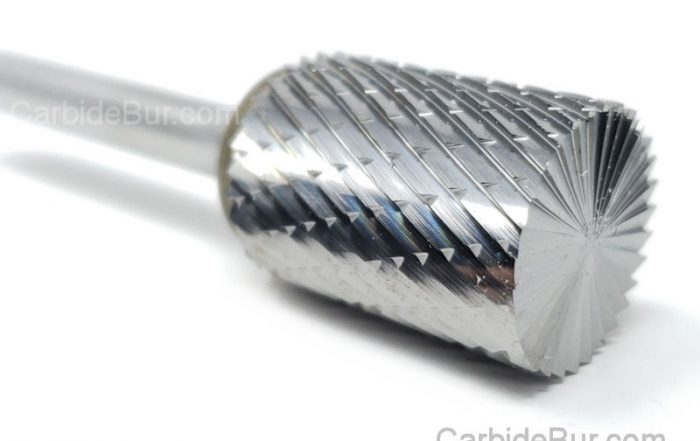
When to Use a 4-Inch or 9-Inch Die Grinder Extension
When to Use a 4-Inch or 9-Inch Die Grinder Extension Metal fabrication, welding, automotive repair, and engine building often require working in places where a standard die grinder and carbide burr cannot easily reach. Recessed [...]
