
Precision in Motion: The Role of Carbide Burs in Perfecting High-Speed Engines
Most engine builders overlook how carbide burs can sharpen porting for high-RPM machines. If you’re chasing every last horsepower in rally or drag racing, rough cuts and slow tools won’t cut it. This post breaks down why carbide burs deliver the precision edge needed to fine-tune your high-speed engine’s breathing and boost performance where it counts. Learn more about the role of carbide burs in engine porting.

High-Speed Engine Tuning
When it comes to extracting maximum power from your engine, using the right tools is crucial. High-speed tuning depends on precision, and nothing achieves that better than carbide burs.
Importance of Precision Tools
Precision tools are the backbone of effective engine tuning. They ensure that every modification you make leads to improved performance. Imagine trying to sculpt with a blunt chisel—it just doesn’t work. Using the wrong tool in an engine can lead to inefficiencies and reduced power. Carbide burs, with their sharp edges, allow you to make precise adjustments. This precision means you can fine-tune your engine to operate at its peak.
Carbide Burs in Engine Porting
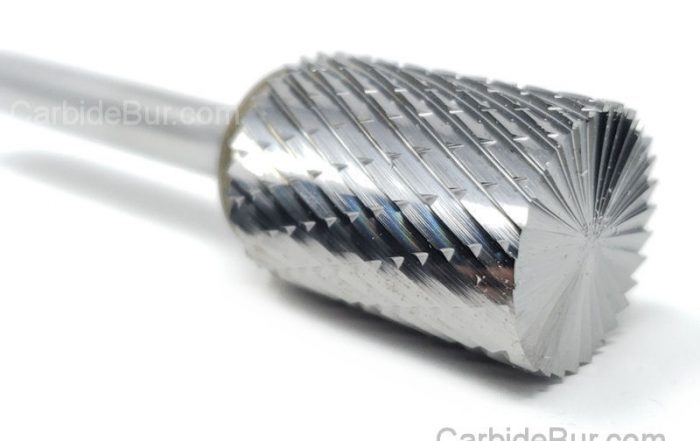
Carbide burs are vital in engine porting, a key area in high-performance racing. Porting involves the meticulous removal of material to improve airflow. Carbide burs are the ideal choice for this task because they offer unmatched control and accuracy. With them, you can shape the ports to exact specifications, enhancing the engine’s breathing capabilities. This process directly translates to more horsepower and torque, essential for competitive racing. Learn how carbide tools are used in various applications, including metal castings, here.
Carbide Burs in Racing
Racing engines demand top-notch performance, and carbide burs play a significant role in achieving it. Let’s explore how they fit into high-rev applications and give an edge in competitive racing.
High-Rev Applications Explained
In racing, engines operate at high revolutions per minute (RPM). This demands components that can withstand intense conditions. Carbide burs excel here because they endure high stress without losing sharpness. When porting an engine, you can rely on these burs to handle the demands of high-rev engines. They maintain their precision, ensuring that every port is optimized for airflow. This precision is what racers need when chasing milliseconds on the track. Watch a video on how this is achieved here.
The Edge in Rally and Drag Racing
In rally and drag racing, every bit of power counts. Carbide burs provide a competitive edge by allowing for custom porting that enhances engine output. Whether it’s the tight turns of a rally course or the straight-line speed of drag racing, having a well-ported engine can make all the difference. These burs allow you to tailor your engine’s performance to the specific demands of each racing style, providing a significant advantage over the competition. Discover more about cylinder head porting here.
Benefits of Carbide Burs
The advantages of using carbide burs in engine tuning are numerous. They not only improve performance but also help achieve the best power output possible.
Enhancing Engine Performance
Carbide burs enhance engine performance by enabling precise material removal. This precision leads to better airflow, which is critical for engine efficiency. With improved airflow, your engine can burn fuel more effectively, resulting in higher power output and better fuel economy. The benefits are clear: more speed and better performance on the track.
Achieving Optimal Power Output
To achieve optimal power output, using the right tools is non-negotiable. Carbide burs provide the accuracy needed to maximize every aspect of engine porting. This ensures that your engine can reach its full potential, delivering the power and speed required for high-performance racing. The longer you wait to incorporate these tools, the more potential power you leave untapped. With carbide burs, you’re not just maintaining performance; you’re enhancing it.
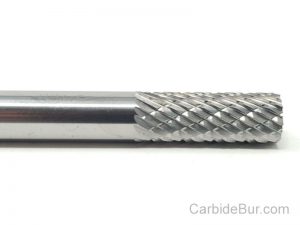
Check out all our USA made carbide bur cutting tools here
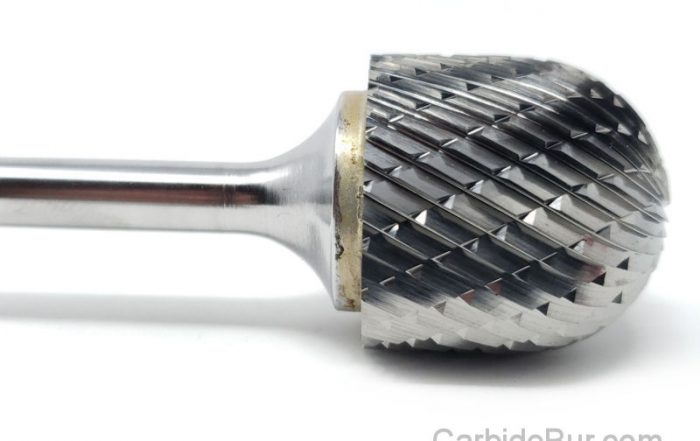
Are Expensive Carbide Burrs Worth It? Comparing Price and Performance
Are Expensive Carbide Burrs Worth It? Comparing Price and Performance When shopping for carbide burrs, it's easy to assume that the cheapest option saves money. But if you use rotary cutting tools regularly for welding, [...]
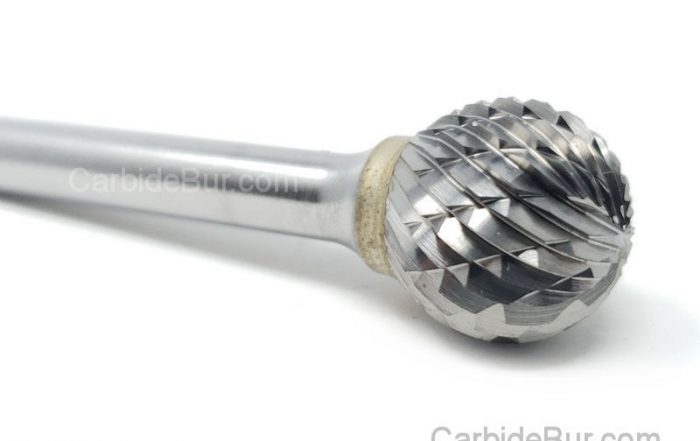
Carbide Burr vs. Grinding Stone: Which Is Better for Metal Removal?
Carbide Burr vs. Grinding Stone: Which Is Better for Metal Removal? When you need to remove metal, smooth a rough edge, or shape a metal component, two common options are carbide burrs and grinding stones. [...]
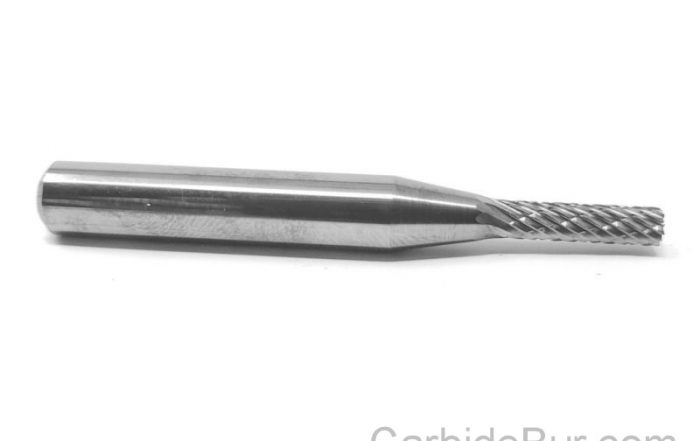
Carbide Burr Safety: RPM, Eye Protection, and Common Mistakes
Carbide Burr Safety: RPM, Eye Protection, and Common Mistakes Carbide burrs are versatile cutting tools used for metal fabrication, welding cleanup, engine porting, deburring, and general material removal. When used correctly, they can help remove [...]
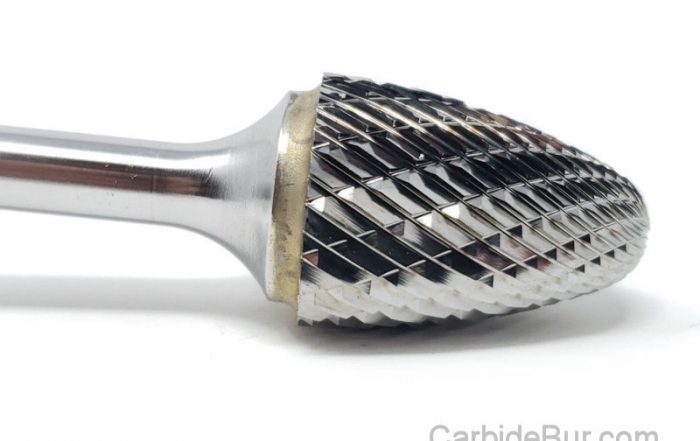
How to Stop Aluminum from Clogging Your Carbide Burr
How to Stop Aluminum from Clogging Your Carbide Burr Aluminum is widely used in automotive work, welding, metal fabrication, aerospace components, and general machining. It is lightweight, relatively easy to machine, and versatile across many [...]
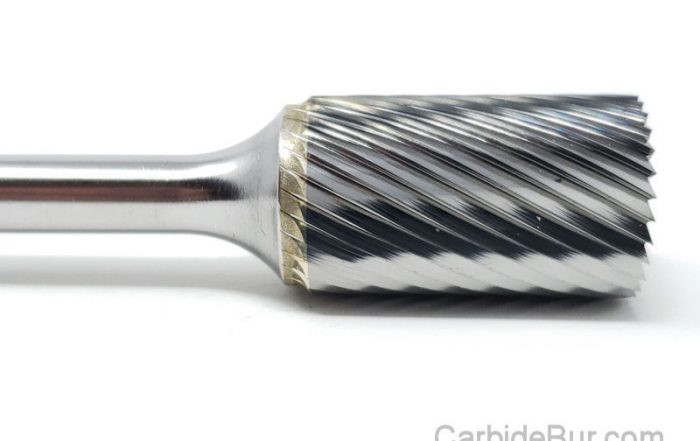
Carbide Burrs for Intake Manifolds: Shaping, Cleanup, and Fitment
Carbide Burrs for Intake Manifolds: Shaping, Cleanup, and Fitment Intake manifold work often involves more than simply bolting a component onto an engine. Depending on the application, metal intake components may have casting irregularities, rough [...]
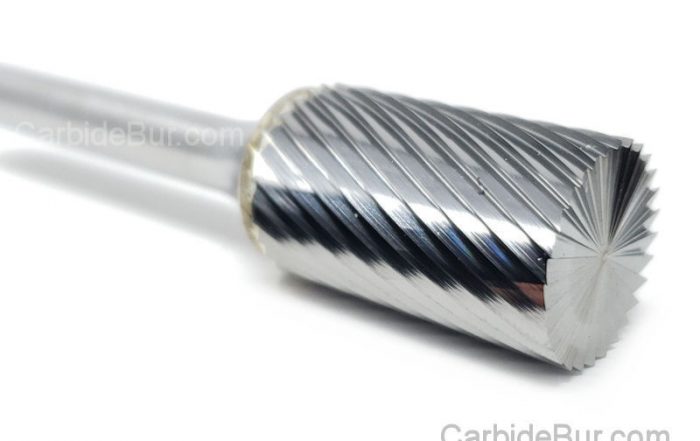
Why Long-Shank Carbide Burrs Are Useful for Hard-to-Reach Areas
Why Long-Shank Carbide Burrs Are Useful for Hard-to-Reach Areas When working on metal parts, the area that needs grinding or shaping is not always easy to reach. Recessed openings, deep cavities, interior surfaces, and complicated [...]
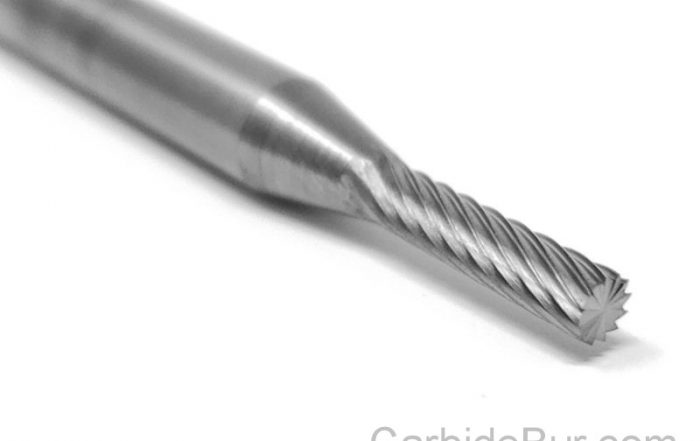
Choosing Carbide Burrs for Stainless Steel Fabrication
Choosing Carbide Burrs for Stainless Steel Fabrication Stainless steel is widely used in fabrication because of its corrosion resistance, strength, and durability. However, those same properties can make it challenging to machine and finish. Removing [...]
Can You Use Carbide Burrs in a Dremel? Shank Sizes Explained
Can You Use Carbide Burrs in a Dremel? Shank Sizes Explained If you use a Dremel or another rotary tool for detail work, metal shaping, or small fabrication projects, you may wonder whether you can [...]
How to Choose the Best Carbide Burr for Welding and Metal Fabrication
How to Choose the Best Carbide Burr for Welding and Metal Fabrication Welding and metal fabrication often require more than joining two pieces of metal together. Once the welding is finished, fabricators frequently need to [...]
Carbide Burrs for Cylinder Heads: What Automotive Enthusiasts Need to Know
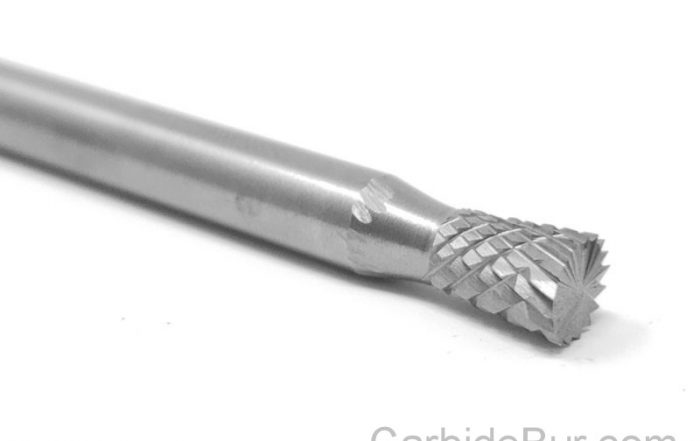
Carbide Burrs for Cylinder Heads: What Automotive Enthusiasts Need to Know Cylinder head work is an important part of engine building, restoration, and performance machining. Whether you are cleaning up casting imperfections, refining port surfaces, [...]
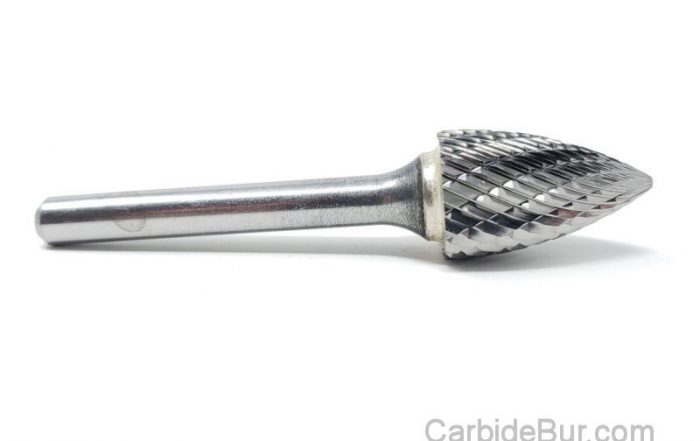
Engine Porting 101: How Carbide Burrs Help Shape Cylinder Head Ports
Engine Porting 101: How Carbide Burrs Help Shape Cylinder Head Ports Engine performance enthusiasts, automotive machinists, and engine builders often look for ways to improve airflow through an engine's cylinder heads. One technique used in [...]
When to Use a 4-Inch or 9-Inch Die Grinder Extension
When to Use a 4-Inch or 9-Inch Die Grinder Extension Metal fabrication, welding, automotive repair, and engine building often require working in places where a standard die grinder and carbide burr cannot easily reach. Recessed [...]
