
Mastering Metalwork: Understanding Carbide Burs Lifespan for Efficient Deburring
Carbide burs wear out faster than most expect when tackling tough metals. You’ve felt the drag as your deburring tools lose their edge, slowing your work and costing time. Knowing the carbide burs lifespan helps you spot when to inspect and swap them out before they hold you back. This guide breaks down what shortens their life and how to keep your metalworking tools sharp longer. For more insights, check out this resource.
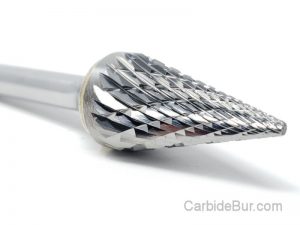
Click here to see our entire selection of USA made carbide bur tools
Understanding Carbide Burs Lifespan
Carbide burs are vital for precision work in metalworking. Knowing what affects their lifespan can save you time and effort. Let’s explore the factors that can keep your tools in top shape for longer.
Factors Affecting Longevity
The lifespan of carbide burs depends on several key factors. First, the material hardness you’re working with plays a big role. Harder metals will wear down burs faster than softer ones. The pressure you apply also matters. Excessive force can lead to quicker wear. It’s crucial to maintain the right balance.
Next, speed settings on your tool impact wear. Operating at extreme speeds might seem efficient but often shortens the tool’s life. Maintenance practices are equally important. Without proper care, even the best burs won’t last. Consider these practices for optimal performance. For more tips on caring for your tools, visit this guide.
Comparing Hard and Soft Metals
Working with different metals can change how long your carbide burs last. Hard metals like steel typically reduce a bur’s lifespan to 1–5 hours of continuous use. This means frequent inspections are necessary. In contrast, softer metals can extend usage up to 10 hours or more. This is a significant difference when planning your projects.
Switching between hard and soft metals requires adjusting your approach. It’s not just about the metal; it’s about how you handle it. Recognize the signs of wear early to keep your work smooth. Most people assume all metals affect tools the same way, but that’s not the case. Adjusting your technique based on metal type can really make a difference.
Essential Carbide Burr Maintenance
Proper maintenance is the key to extending your carbide burr’s lifespan. It’s about more than just keeping them clean; it’s about ensuring they perform at their best every time you need them.
Techniques for Longevity
To get the most out of your carbide burs, start with regular cleaning. Removing debris prevents buildup that can cause wear. Use a soft brush or air pressure to clear metal shavings. Also, lubrication is crucial. A light coat of oil can reduce friction, further extending the tool’s life.
Another technique is proper storage. Burs should be kept in a dry, safe place. This prevents rust and damage. Regularly check for chips or breaks. Even a small crack can affect performance. These steps might seem minor, but they add up to significant savings in time and money. Learn more about maintaining your tools here.
Regular Burr Wear Inspection
Regular inspections are critical for keeping your burs in working order. Check for wear signs after each project. A dull bur slows down work and compromises precision. Feel the bur’s edge; if it feels smooth, it might be time for replacement.
Besides physical checks, pay attention to performance. If cutting speed reduces or you notice more resistance, inspect your tool. Most people believe they can use a bur until it breaks, but waiting too long can damage your workpiece. Frequent checks ensure your tools are always ready for the task.
Choosing the Right Carbide Burr
Selecting the right bur impacts not only lifespan but also the quality of your work. Understanding the differences can make or break your project.
Double and Single Cut Burrs
Choosing between double and single cut burs depends on your task. Double cut burs are ideal for removing heavy material quickly. They offer smoother finishes and are great for harder materials. This makes them a favorite among professionals.
On the other hand, single cut burs are better for softer metals. They remove material efficiently without clogging. Knowing which bur to use can enhance your efficiency. This choice might seem trivial, but the right tool can lead to a flawless finish. For more on choosing the right burrs, consider this comprehensive guide.
Carbide Burr Shapes for Deburring
The shape of your carbide burr also plays a role in its effectiveness. Cylindrical burs work well for surface milling and contours. For detailed work, tools with pointed ends are ideal. Ball-shaped burs are perfect for curved surfaces, providing a smooth finish.
Each shape serves a purpose, and knowing when to use each can save time. Experiment with different shapes to find what works best for your projects. Many assume one shape fits all tasks, but that’s a misconception. Tailoring your choice to specific needs enhances results and extends tool life.
In summary, understanding and maintaining your carbide burs can lead to longer use and better results. Keep tools sharp, choose wisely, and inspect regularly to master your metalwork projects efficiently. For more information on optimizing your tool choices, visit this resource.
Click here to see our entire selection of USA made carbide bur tools
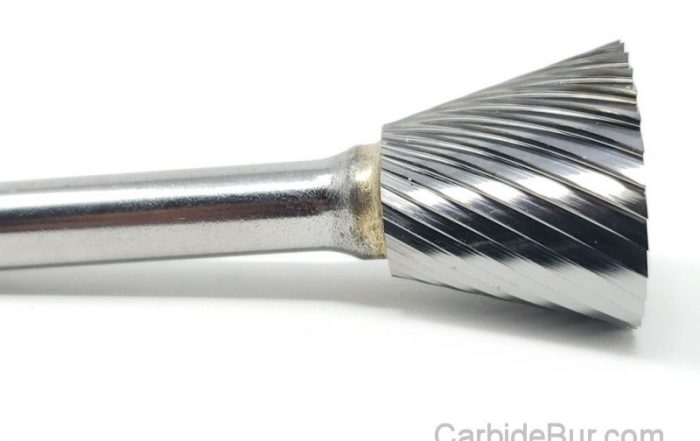
1/8 vs 1/4 Inch Carbide Burrs: What’s the Difference?
1/8 vs 1/4 Inch Carbide Burrs: What's the Difference? Choosing between a 1/8 inch carbide burr and a 1/4 inch carbide burr can change how your project turns out. Many machinists and hobbyists overlook how [...]
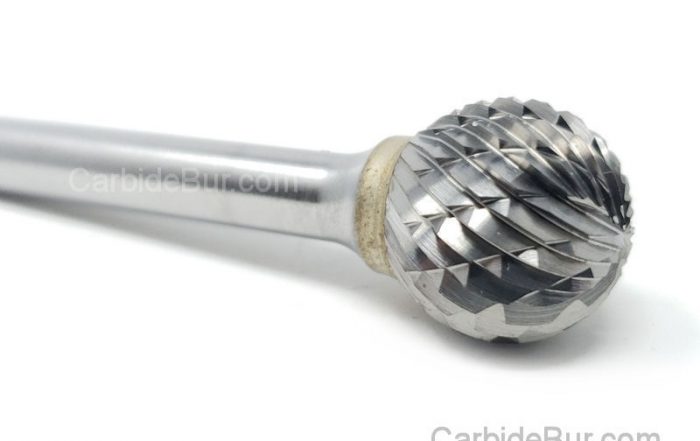
Best Carbide Burr for Removing Flash From Castings
Best Carbide Burr for Removing Flash From Castings Removing flash from castings is a task that can slow down your entire metalworking process if you don’t have the right tools. Picking the best carbide burr [...]
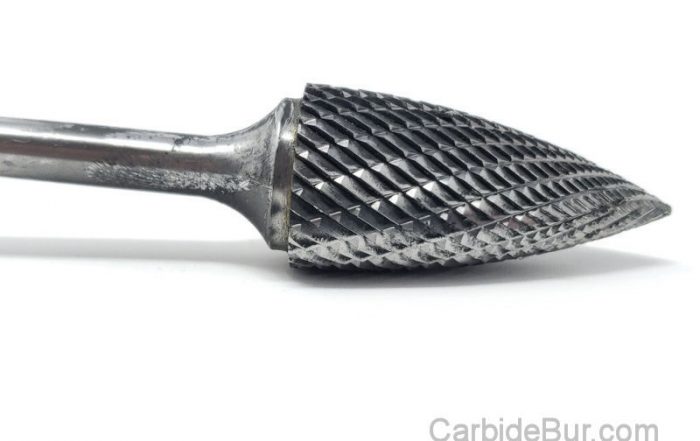
What RPM Should You Use for a 1/4 Inch Carbide Burr?
What RPM Should You Use for a 1/4 Inch Carbide Burr? Most machinists guess the right speed for a 1/4 inch carbide burr and hope for the best. Using the wrong carbide burr RPM can [...]
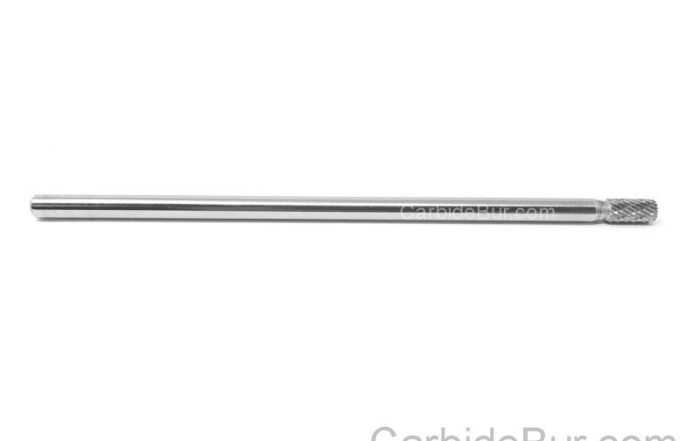
Long Shank Carbide Burrs: When Do You Need One?
Long Shank Carbide Burrs: When Do You Need One? Most machinists overlook the power of long shank carbide burrs until a project demands precision in tight spaces. When your usual tools can’t reach intricate contours, [...]
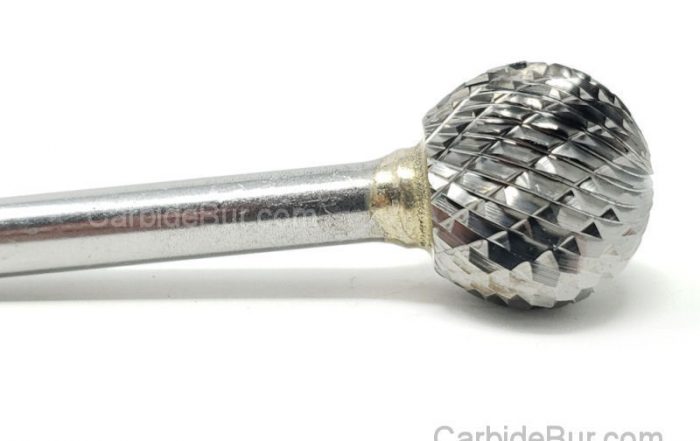
How Deep Can a Carbide Burr Cut Metal?
How Deep Can a Carbide Burr Cut Metal? Carbide burrs often get praised for their precision, but many users hit a wall wondering how deep they can actually cut metal. The truth is, cutting depth [...]
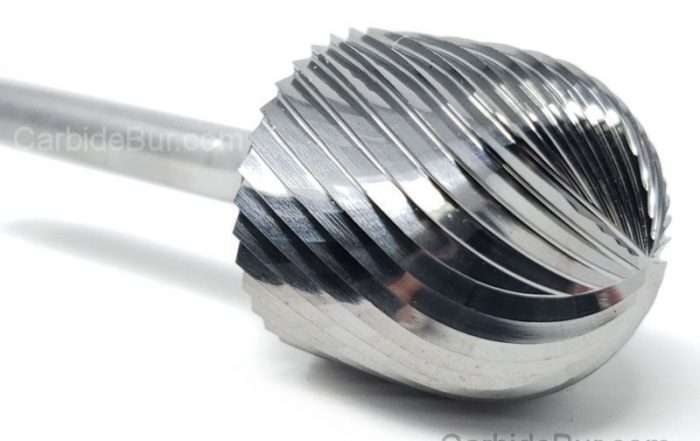
How to Use Carbide Burrs for Port Matching
How to Use Carbide Burrs for Port Matching Most engine builds hit a wall when airflow doesn’t flow smoothly between the ports and manifolds. If your engine isn’t breathing right, your performance stalls. Using the [...]
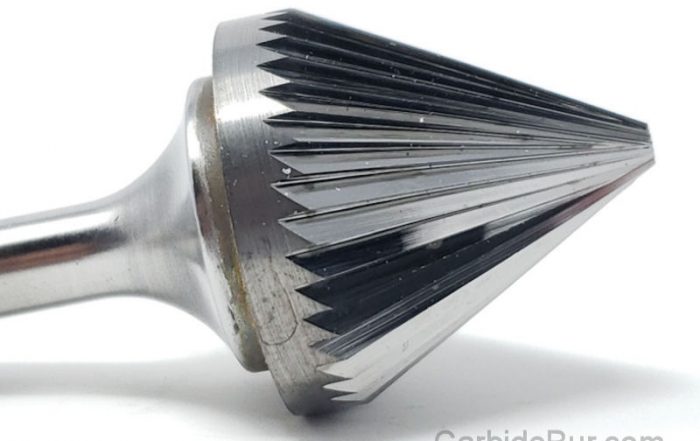
Best Carbide Burr for Porting Intake Manifolds
Best Carbide Burr for Porting Intake Manifolds Porting intake manifolds can make or break your engine’s airflow, yet many struggle with the right tools for the job. Choosing the best carbide burrs is key to [...]
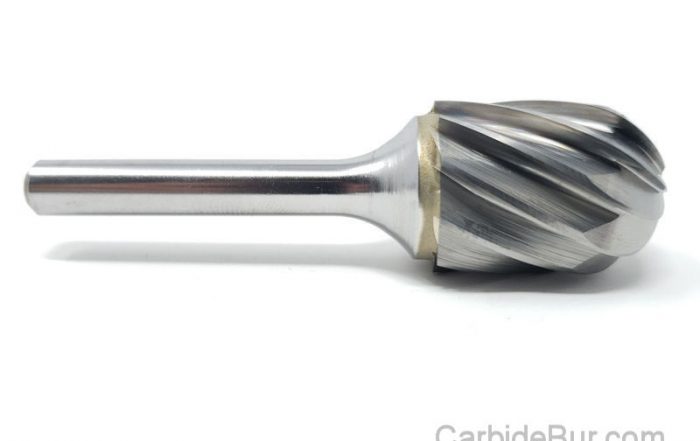
Best Carbide Burr for Concave Surfaces
Best Carbide Burr for Concave Surfaces Concave surfaces can turn a straightforward project into a frustrating challenge if you don’t have the right tool. Carbide burrs designed for these tricky curves make all the difference [...]
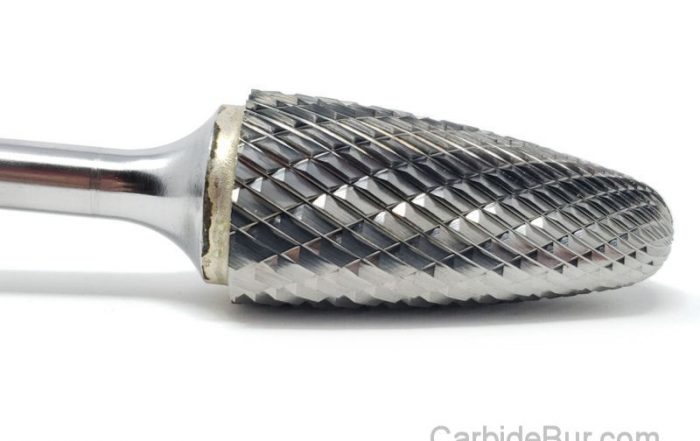
How to Grind a Slot in Metal With a Carbide Burr
How to Grind a Slot in Metal With a Carbide Burr Grinding a precise slot in metal can feel like a tricky task, especially if you’re unsure which tools to trust. Carbide burr grinding offers [...]

Best Carbide Burr for Inside Corners
Best Carbide Burr for Inside Corners Working in tight inside corners can turn even simple projects into frustrating tasks. Many carbide burrs just don’t fit or cut cleanly where you need them most. The best [...]
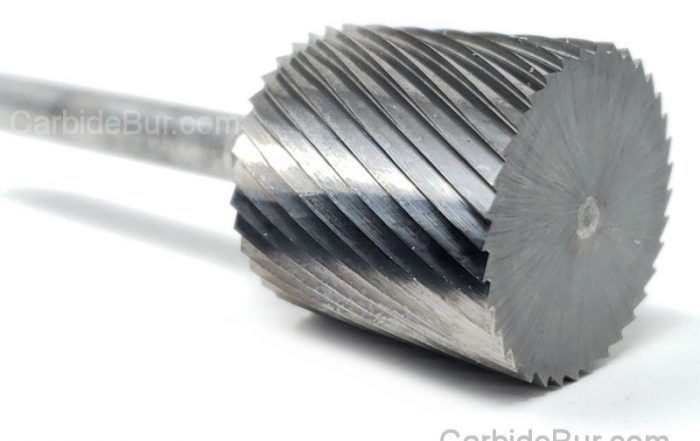
What Size Carbide Burr Do I Need?
What Size Carbide Burr Do I Need? Picking the wrong carbide burr can turn a simple project into a frustrating mess. You might have the best machining tools but still miss the mark if your [...]
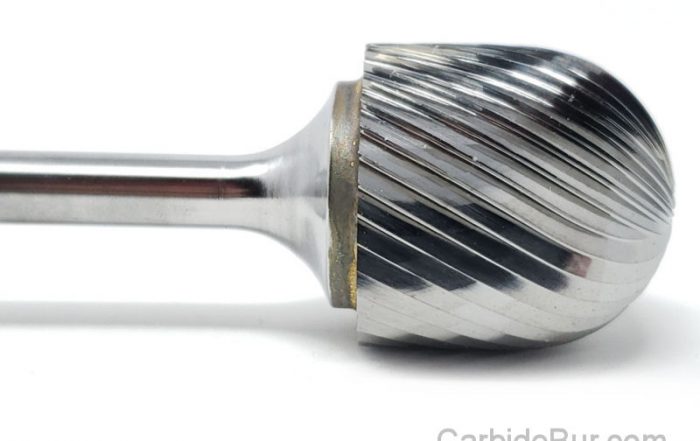
How to Smooth Sharp Metal Edges With a Carbide Burr
How to Smooth Sharp Metal Edges With a Carbide Burr Sharp metal edges can turn your project from professional to risky in seconds. If you’ve struggled with smoothing metal edges without scratching or weakening the [...]
